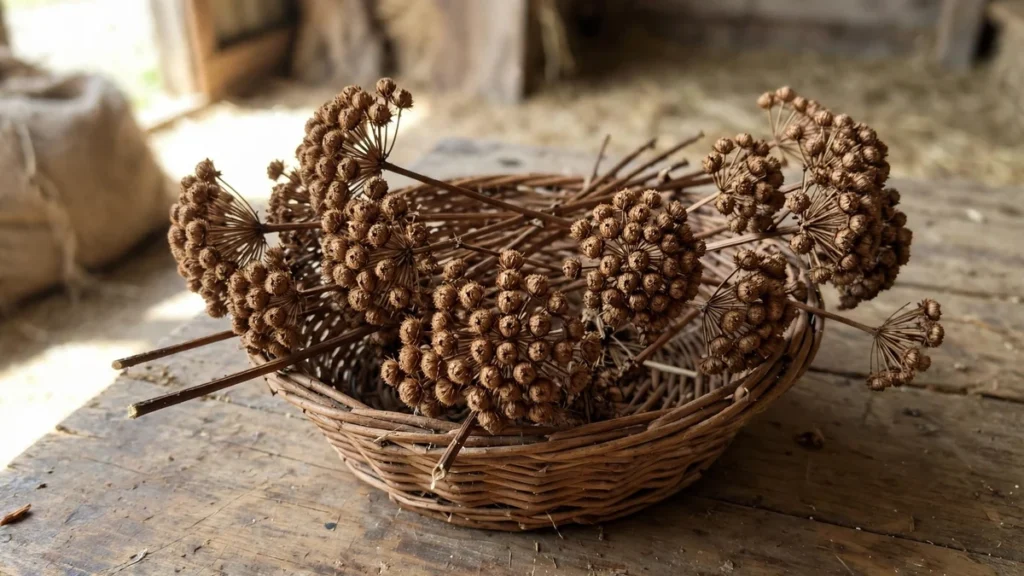
An anise farm escape is a short working holiday built around one cutting week. You arrive while the umbels are turning grey-brown, spend a morning in the rows with secateurs and a paper bag, and spend the afternoon in the barn, hanging heads to dry or threshing them over a sheet. For a few days you work beside the people who grow the seed and learn how it is cut and dried.
It has nothing in common with planning a beach holiday. The harvest follows the plant, not the calendar, and the sweetest flavour sits in a window of a week or two just before the seed ripens and starts to shatter. Hold a window, keep a few days loose, and let the farm name the cutting day.
The nine steps below take you from choosing an anise to carrying the dried seed home. They suit a first trip to Larnaca and a longer journey to Sindh, and they assume you have never cut anise before.
Key takeaways
- An anise farm escape follows the cutting week, not the calendar, so hold a window and let the farm name the day.
- Know your plant first: anise is Pimpinella anisum, grown for seed; star anise and fennel are different plants with a similar taste.
- Cut the umbels once the seed turns grey-brown; green seed dries to nothing, and ripe seed shatters.
- Dried anise seed keeps its scent for a year, so a jar from the farm goes further than fresh umbels.
- Anise is in the celery family, so tell the farm about a celery or carrot allergy before you book.
What an anise farm escape involves
An anise farm escape runs three to five nights. You sleep in a farmhouse room or a stone cottage, eat breakfast with the farm family, and spend your mornings out among the rows. The cutting session is the heart of it: an hour or two with secateurs, a basket, and the farm’s grower showing you which heads to take.
Anise is cut by hand, head by head, and one morning fills several baskets. You will get dust on your hands and liquorice on your fingers. The fennel farm escape we covered needs the same kit.
Evenings are the reward. The farm cook turns the seed into dinner, and the table is where the trip makes sense: bread warm from the oven, fish seasoned with the farm’s seed, and a small glass of the local spirit. Dinner is when the growers open up.
How to plan it, and what to ask first
Begin by deciding which anise you want to meet. True anise is Pimpinella anisum, an annual grown for its small grey-brown seed. Star anise is the star-shaped fruit of a tree, and fennel is a perennial grown for its bulb or its seed. Each one grows in different places and ripens at a different time, so the choice sets your destination and your dates.
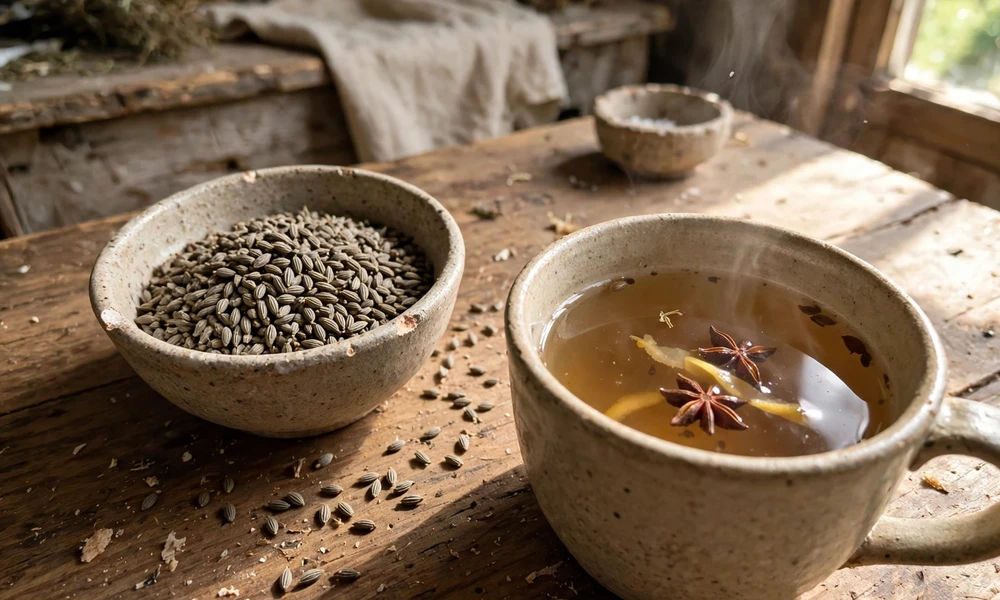
Send the farm four questions before you pay anything. When does the cutting week fall, and how firm is that window. How many guests stay at once: a small group can cut side by side, but a large party cannot. What the price covers: a few farms charge the distilling or the baking class on top. And how the kitchen deals with what you can and cannot eat. The caraway farm escape we covered works on the same pattern.
Book travel you can move. Good farms move your stay without a fee, but your airline may charge you to move. Choose a ticket you can change.
The 9 steps to plan an anise farm escape
Choose the seed by the dish you cook most
True anise, star anise, and fennel all taste of liquorice, but they are three different plants that cook differently. Anise seed is small and sweet, for bread and tea. Star anise is a woody star, made for slow braises and stocks. Fennel seed is larger and greener, made for sausage and fish. Cook with all three for a week, then pick the crop to meet.
What to do: Buy one small jar of each seed before you book, cook with all three for a week, and choose the one to travel for. What to avoid: Booking a farm because the photos are pretty, then discovering it grows a seed you never cook with. Best for: A first trip with one crop in mind. Time needed: One week cooking at home first. Standout tip: If you cannot tell anise from fennel seed by sight, start with the smaller, rounder seed.
Pay nothing until the farm names the cutting week
Anise is harvested when the umbels turn grey-brown and the seed rattles when you shake the head, and that moment comes with the heat. A hot spell can push the seed to ripen a week early, so good farms watch the weather, name a window a few weeks ahead, and confirm the day a few days before. Wait until that window is fixed before you pay.
What to do: Ask for the cutting window in writing, and confirm the farm will move your stay free if the heat shifts it. What to avoid: Tickets you cannot move, booked before the farm names its week. Best for: Travellers who can shift a few days either way. Time needed: One email and a week of waiting around. Standout tip: Farms on irrigated plains, like the Nile bank beds, are the safest bet for fixed dates.
Learn anise from fennel on your first morning
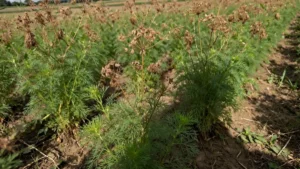
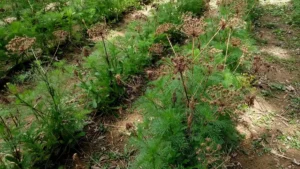
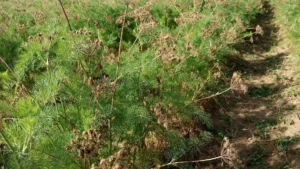
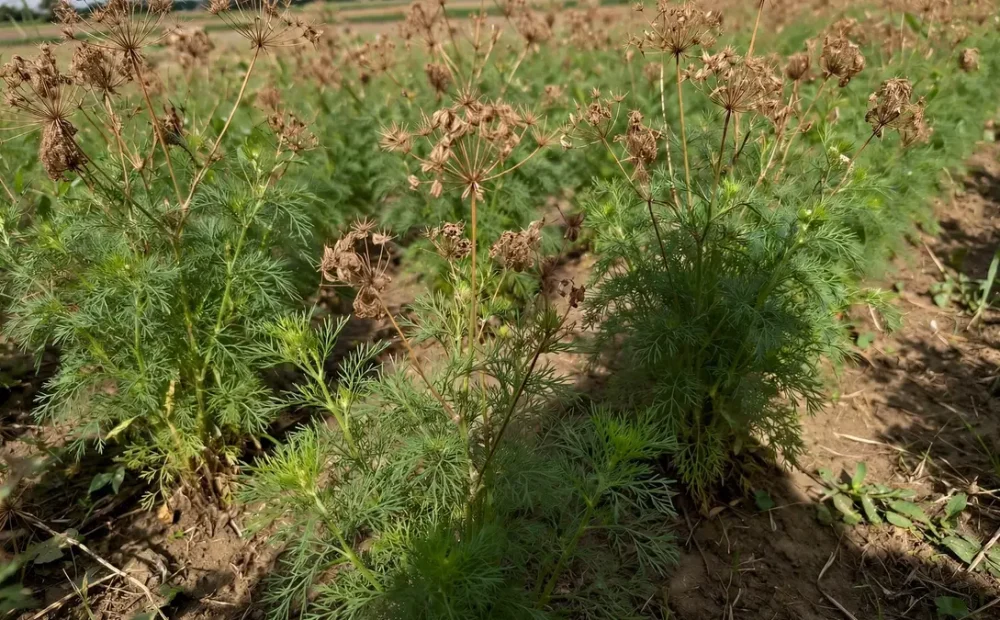
Anise and fennel look alike in the row: feathery leaves, white umbels, thin stems. Anise is an annual with a finer stem and a smaller, rounder seed; fennel is a perennial with a thicker stem and a longer, greener seed. Rub a leaf between your fingers before you cut anything.
What to do: Ask the grower to show you an anise plant and a fennel plant side by side on your first morning. What to avoid: Cutting a whole row on your first day without checking the scent and the seed. Best for: Your first morning out with the grower. Time needed: Ten minutes beside the plants. Standout tip: Sweet liquorice on your fingers, with no green note, means anise; a greener, sharper scent means fennel.
Cut the umbels into a paper bag
The first cutting lesson matters more than any other part of the trip. Snip the umbel with secateurs and drop it straight into a paper bag, so any seed that falls is caught. Pulling by the stem shakes the seed out, and a shaken head is an empty head by the time it reaches the barn.
What to do: Snip the head, drop it in the bag, and keep the bag upright as you walk the row. What to avoid: Yanking a head off by hand, or carrying cut heads loose in a basket where the seed falls out. Best for: Your first cutting morning in the rows. Time needed: An hour beside the grower. Standout tip: A head that rattles when you shake it gently is ready; a silent head is still green.
Grey-brown seed means the head is ready
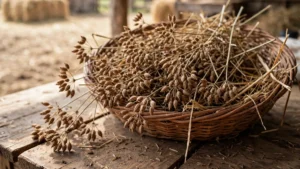
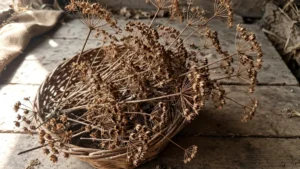
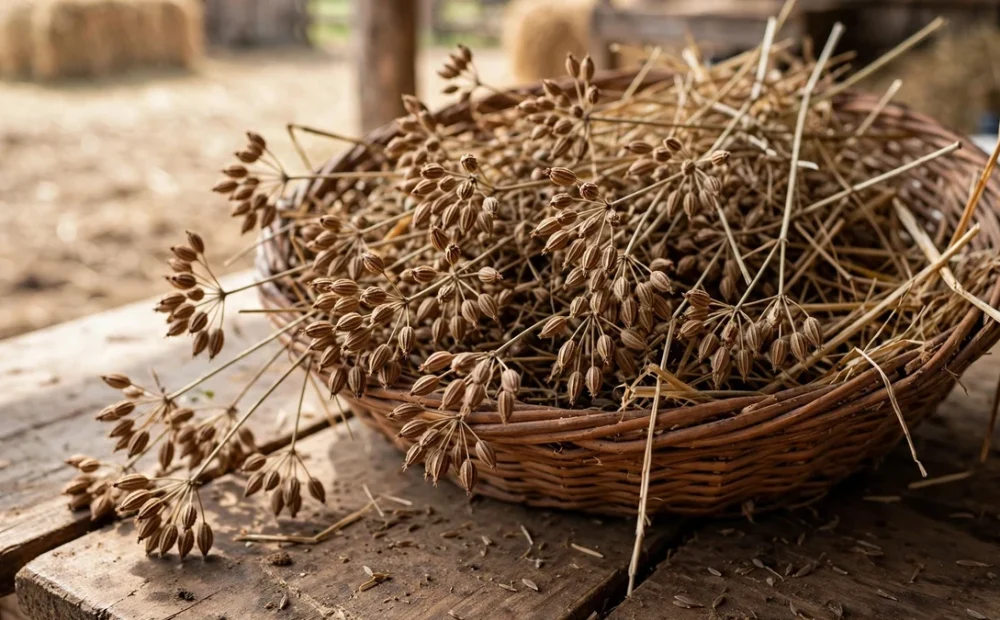
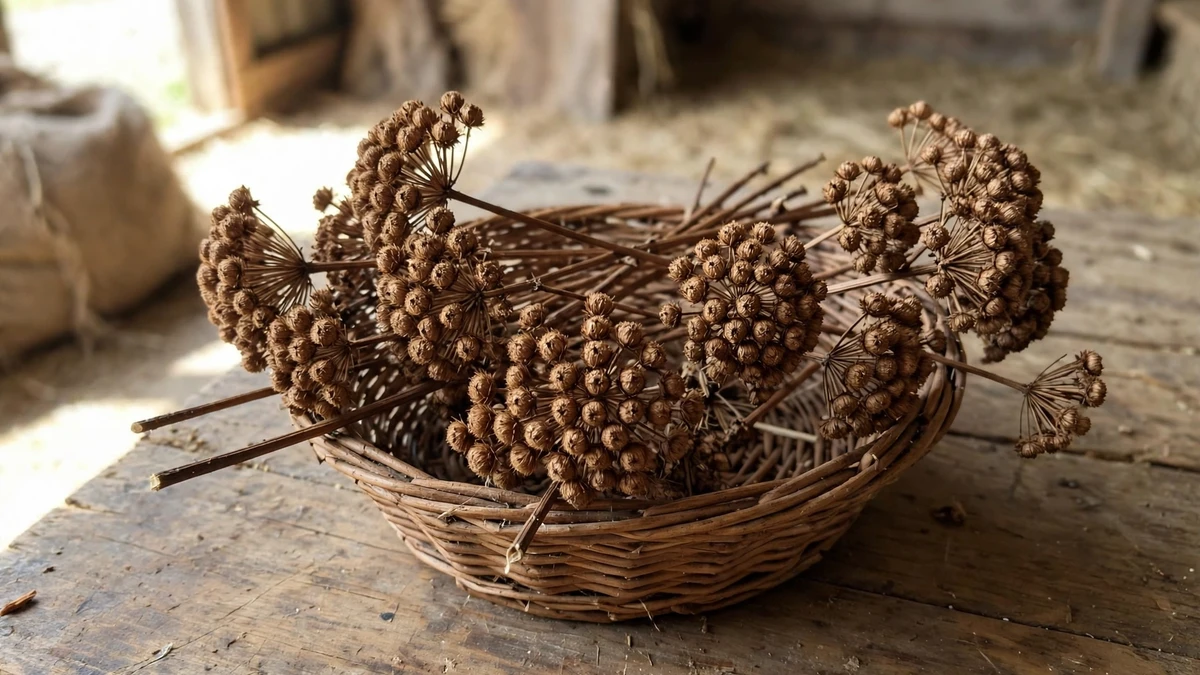
Anise seed is ready when the umbels turn from green to grey-brown and the seed rattles when you shake the head. Cut while the seed is still green, and it dries to nothing. Cut too late, and the seed drops in the row before you reach it. The farm watches the colour daily, and the cutting day is set the morning it turns.
What to do: Shake one head over your palm before you cut a row; if the seed rattles, it is ready. What to avoid: Cutting green heads, or leaving ripe heads standing through lunch. Best for: Late summer, on a seed farm like Thrace or Adana. Time needed: A morning in the rows. Standout tip: Grey-brown seed, not pale gold, is the colour to watch for with anise.
Hang the heads to dry where the sun cannot reach
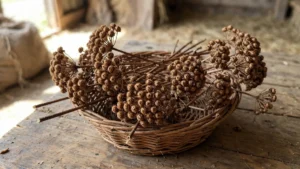
Fresh anise seed loses its scent in direct sun, so the farm dries its umbels in the barn where the air moves and the sun cannot reach. Hang the heads upside down in paper bags, leave them a week or two until they rattle, then thresh them over a clean sheet. A slow dry in the shade holds the liquorice; a fast dry in the sun loses it.
What to do: Hang the heads in the barn, and rub a dried seed beside a fresh one. What to avoid: Drying your own seed on a sunny sill at home; the heat strips the oils out. Best for: Mid-trip, once you know the plant by sight. Time needed: Half a day. Standout tip: A seed that cracks between your teeth is ready for the jar.
Pack for dust, sun, and the threshing barn
An anise farm is a working farm, and the packing list is practical. Light layers for cool mornings and warm afternoons, a wide hat, closed shoes that can take soil and dust, and clothes you do not mind marking. Bring a notebook, a jar for the dried seed, and sun protection. The rows kick up dust, so long sleeves are worth wearing.
What to do: Pack for dirt, sun, and the kitchen. What to avoid: Open shoes in the rows, white clothes on a cutting morning, and a case full of outfits you will never wear. Best for: The night before you travel. Time needed: Half an hour of packing. Standout tip: A bandana keeps dust and anise oil out of your eyes while you cut.
Taste a few seeds before dinner is served
Anise seed eaten raw, chewed slowly, tastes nothing like the cooked one. The farm serves it in bread at dinner on your first day, and the raw seed tells you what the farm’s soil and sun did to the crop. Taste it raw first, and the baked bread will fall into place.
What to do: Ask the cook for a pinch of the farm’s dried seed at dinner, then taste it beside the bread it seasoned. What to avoid: Judging the seed on the cooked dish alone; the raw seed is where the sweetness sits. Best for: The first day, while it is all still new. Time needed: A single dinner. Standout tip: A seed that snaps cleanly between your teeth was cut at the right moment.
Carry home dried seed, not fresh umbels
Fresh anise umbels shatter in a suitcase, but the farm’s dried seed travels well and keeps its scent. Buy a bag from the farm shop, with a bottle of the farm’s anise spirit if they make one, and a jar of honey from the hives by the rows. Seal the seed in a jar, keep it dry, and cook with it all winter.
What to do: Buy dried seed, spirit, and honey from the farm shop, and ask the farm to dry your cutting for you. What to avoid: Packing armfuls of fresh anise for the flight home; it will be dust and stalks by landing. Best for: Your last morning before you check out. Time needed: Twenty minutes at the farm shop counter. Standout tip: Ask the grower how they keep their jars sealed; the method matters more than the variety.
Picking the right season and region
Anise is a sun-loving plant, so the season follows heat and water. In the Mediterranean the cutting window runs from July in Luxor to September in Thrace. In Sindh the cutting window is spring, the crop sown after the monsoon.
Choose your region by your anise first and your calendar second. If you want the seed and the classic flavour, go to Larnaca in August or Thrace in September. If you want the seed and a traditional harvest, go to Aleppo or Adana. If you want a mild climate and a late summer, go to Çanakkale or Denizli. The dill farm escape we covered follows the same pattern.
Watch the forecast, not the brochure. A heatwave can push the seed to ripen early, a wet late summer can rot the seed on the stem, and a storm can close a mountain road for a day. Check the forecast before you travel, and be ready to shift the cutting day.
The caveats that matter
An anise farm escape is a working holiday, and it is not for everyone. Mornings start early, the work is physical, and you sleep in a farmhouse, not a hotel. If you want a spa, pool service, and a late breakfast, book a resort and visit an anise farm for a day instead.
| Detail | What is known |
|---|---|
| Best trip length | Three to five nights, with two or three mornings in the rows |
| Best time to cut | Morning, once the dew lifts, while the umbels are cool and firm |
| What bolting does | The plant runs to seed early, the leaves turn sharp, and the seed stays small |
| Seed timing | Cut once the umbels turn grey-brown; green seed dries to nothing, ripe seed falls |
| What to pack | Light layers, a hat, closed shoes, long sleeves, a notebook, and a jar |
| Dietary needs | Tell the farm in advance; anise is gluten-free but kitchens are shared |
| What to bring home | Dried seed, anise spirit, and honey; fresh umbels shatter on the flight |
| What it does not do | It will not turn you into a chef, and it will not settle next year’s dates |
Mention an oil sensitivity when you book, not when you arrive. Anise oil is strong, and the cutting sessions, the drying barn, and the threshing are all handled in close quarters with a sweet liquorice scent in the air. A short note sent before you book lets the host shape the sessions around you.
Checklist: before you book an anise farm escape
Use these checks before you book, and again the week before you travel.
- Check the plant: ask which anise the farm grows in your week, true anise, not star anise or fennel.
- Check the cutting window: ask the farm to confirm the dates in writing.
- Check the group size: few guests keep the session hands-on.
- Check what the price covers: are meals, classes, and market visits included, or extra.
- Check the food rules: say what you can and cannot eat before you pay.
- Check your travel: pick a ticket you can change, and get there a day early.
Frequently asked questions
Does an anise farm work if you eat gluten-free?
In most cases, yes, as long as the farm knows ahead of time. Anise itself has no gluten, and farms can usually keep a board and a pot aside. Small kitchens that bake bread in the same room may not promise zero cross-contact, so ask outright before you pay.
How far ahead should you book an anise farm stay?
Book the farm once it names its cutting window, usually a few weeks ahead, and book travel you can shift. The popular farms in Larnaca and Thrace fill August weeks in advance.
What should you pack for anise country?
Light layers, a wide hat, closed shoes, long sleeves, sun cream, a notebook, and a jar to carry seed home in. Leave white linen at home; the rows kick dust into the air.
Do anise farms welcome children?
Most do, if the children are old enough to follow directions in the rows. Cutting needs secateurs, the kitchen uses heat, and the days start early, so farms usually set a minimum age near eight or ten.
What should you carry home from an anise farm?
Dried seed, the farm’s anise spirit, and a jar of honey from the hives by the rows. Fresh anise umbels shatter on a flight, but dried seed keeps its scent for a year.
What does a week on an anise farm cost in total?
From around $65 a night in Larnaca to $380 a night in Sindh, before flights. Add a ticket you can change and the farm shop, and a week usually costs a few hundred dollars at the low end and a few thousand at the high end.
The bottom line
An anise farm escape works when you choose the plant first, book the cutting window rather than a fixed day, and arrive ready to cut in the morning and thresh in the afternoon. Larnaca is the classic, Sindh the adventure, and Denizli the distilling trip.
Pack light, tell the farm about your dietary needs, and carry home dried seed and honey rather than fresh umbels. The flavour you remember will be the bread you seasoned with the farm’s own seed.