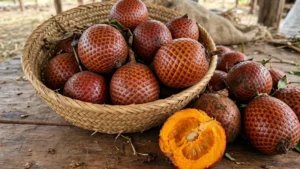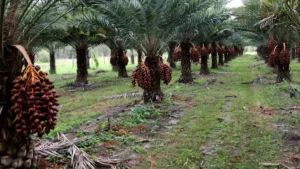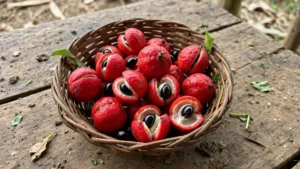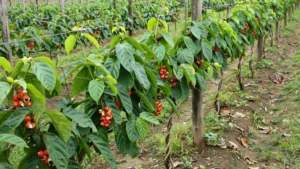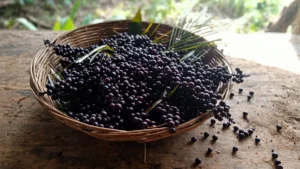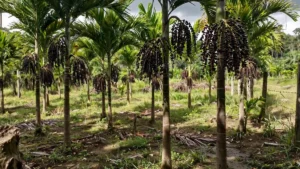

Planning an acai farm escape is not like booking a hotel. The farm is a working place on a river, the harvest runs on a season, and the day bends around tides and rain. Plan well and you watch the berries come down in the morning and eat them at lunch. Plan badly and you arrive after the harvest, or on a day the boat cannot run.
This guide walks through the planning in order, from choosing the season to packing the bag, so the trip you book is the trip you actually take. It covers the harvest calendar, the river logistics, the food, the money, and the small decisions that make the difference between a good farm stay and a frustrating one.
Below are nine steps that take you from the first idea to the last morning on the farm, each with something to do, something to avoid, and a practical tip from the way these farms actually work.
Key takeaways
- Book inside the main harvest, roughly January to June in Pará, and get the fruiting dates in writing before you pay anything.
- Boats run on tides and rain changes the day, so build slack into every plan and never book a flight that depends on a morning boat.
- The berry is eaten fresh the day it is picked, and frozen pulp is the honest way to take it home, not fresh fruit in a suitcase.
- Most farms are small and family-run, so a direct message to the host is worth more than any booking platform listing.
- The acai itself is free of wheat, but farm kitchens cook with it daily, so tell the host about any wheat problem when you book, not when you arrive.
What an acai farm escape actually involves
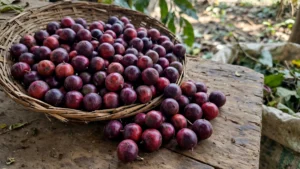
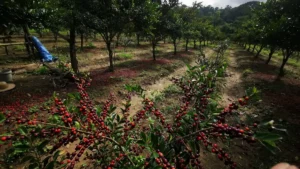
An acai farm escape means sleeping on or beside a palm grove in the Amazon delta, usually in Pará or Amapá, and spending your days around the harvest. You will rise early to watch the climbers, walk the floodplain paths, eat acai with tapioca and river fish, and spend the afternoons on the boat or in a hammock. The farm provides the bed, the food and the boat. You provide the flexibility.
The work is the attraction. The climbers go up before the heat, the bunches come down by hand, and the pulping machine runs when the harvest lands. Guests are welcome to watch all of it and to learn how the pulp is made, but nobody climbs the tall palms themselves, which is skilled and dangerous work.
The landscape does the rest. The rivers are wide, the forest is close, and the light changes with the rain. Evenings are quiet, with frogs and river sounds and a sky full of stars. If you want nightlife, stay in Belém.
How to plan the escape and what to look for
Start with the season, then the farm, then the journey. The harvest is the reason for the trip, so nothing else matters if the palms are bare. Once the dates are right, choose a farm that harvests its own groves and cooks its own food, then work out the boat and the road to get there. A farm that answers questions plainly at this stage will run a good stay. A farm that answers vaguely will not improve on arrival.
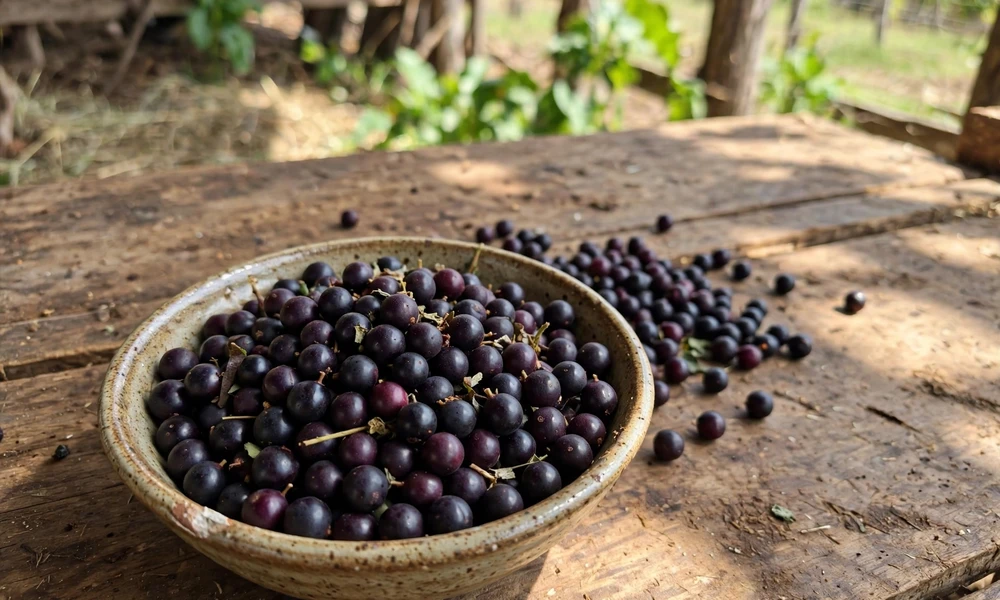
Look for a host who is part of the harvest, not a manager who arrives for check-in. The best stays are run by the family that climbs, pulps and cooks, and the difference shows in the food and the stories. Our guide to planning a jackfruit farm escape makes the same point, because a farm stay is only as good as the people who work the land, and a host who climbs is a host who knows.
Finally, look at the money in full. Ask what the boat costs, what the meals cost, and what the guide costs, before you pay a deposit. A farm that lists every charge in plain language is usually run with care. A farm that quotes one price and adds charges later is telling you how the stay will go.
The 9 steps to plan your acai farm escape
1. Have the host confirm the fruiting weeks in writing
What to do: Ask the host which weeks the palms will carry fruit on your dates, and get the answer in a message you can keep. What to avoid: Booking on a listing that says the farm is open all year without saying when the fruit is on the trees.
The farm being open and the harvest being on are two different things, and the gap between them is where most disappointing trips happen. Best for: All comers, with no exceptions at all. Time needed: Half an hour of messages. Standout tip: Get the picking dates written down, rather than a vague season.
2. Let the river season set how much heat you face
What to do: Ask about temperature, rain and river levels for your month, and pack for the wettest day, not the driest. What to avoid: Choosing the cheapest month without checking what the river does then.
The Amazon is hot and wet, and the wettest months are also the harvest months. Light clothes, a rain shell and shoes that grip wet wood are worth more than a second suitcase. Best for: Travellers who sweat easily or dislike humidity. Time needed: An evening of reading and packing. Standout tip: Pack for the rain, and the sun will feel like a bonus.
3. Find out the climbing rules before you travel
What to do: Ask whether guests can watch the picking, whether a practice trunk is offered, and what the safety rules are. What to avoid: Arriving with a plan to climb a tall palm, which no responsible host will allow.
The climb looks easy from the ground and is not. The rope loop, the grip, and the cut all take practice, and a fall from a palm crown is serious. Watching the climbers work is the experience. Best for: Anyone travelling with children or a fear of heights. Time needed: One message to the host. Standout tip: Ask to handle the bunches on the ground, where the learning happens.
4. Book a cabin among the palms, not in town
What to do: Choose a cabin in or beside the grove, and ask how far the walk to the picking paths is. What to avoid: Sleeping in town and driving to the farm each day, which turns a farm stay into a day trip.
The harvest starts at dawn, and the best part of the day is the first hour, when the climbers go up and the mist is still on the river. A cabin among the palms puts you inside that hour, while a room in town puts you in a car. Best for: Dawn risers and anyone carrying a camera. Time needed: The whole stay, every morning. Standout tip: Pick the cabin closest to the grove, even if the town room is cheaper.
5. Flag the wheat problem in your first message to the farm
What to do: Send a short note with your booking enquiry saying which foods you cannot eat, and ask what the breakfast table will hold. What to avoid: Waiting until the first breakfast to explain, when the bread is already baked and the porridge already made.
Farm kitchens are small, and the same hands and pans serve everyone. A host who knows in advance can set aside tapioca and fruit, and keep a clean spoon for your bowl. Best for: Wheat-free travellers and anyone carrying an allergy. Time needed: Ten minutes with the booking message. Standout tip: Put the food note in the first message, not the last.
6. Join the dawn market run with the cook
What to do: Ask if you can join the market run, and go even if it means a very early start. What to avoid: Sleeping through the market and eating a breakfast you could have had anywhere.
The market is where the farm meets the town, and the cook’s round is the best food lesson on the trip. You will see the berries arrive by canoe, watch the pulping machines run, and learn what is fresh that day. Best for: Food lovers and early risers. Time needed: Two hours at dawn. Standout tip: Let the cook choose the stall, and buy what they buy.
7. Sample the pulp fresh, frozen and dried in one stay
What to do: Ask the host to serve the pulp fresh, then frozen, then as a powder or dried snack, and compare them side by side. What to avoid: Judging the berry on a single sweetened bowl, which hides the real flavour.
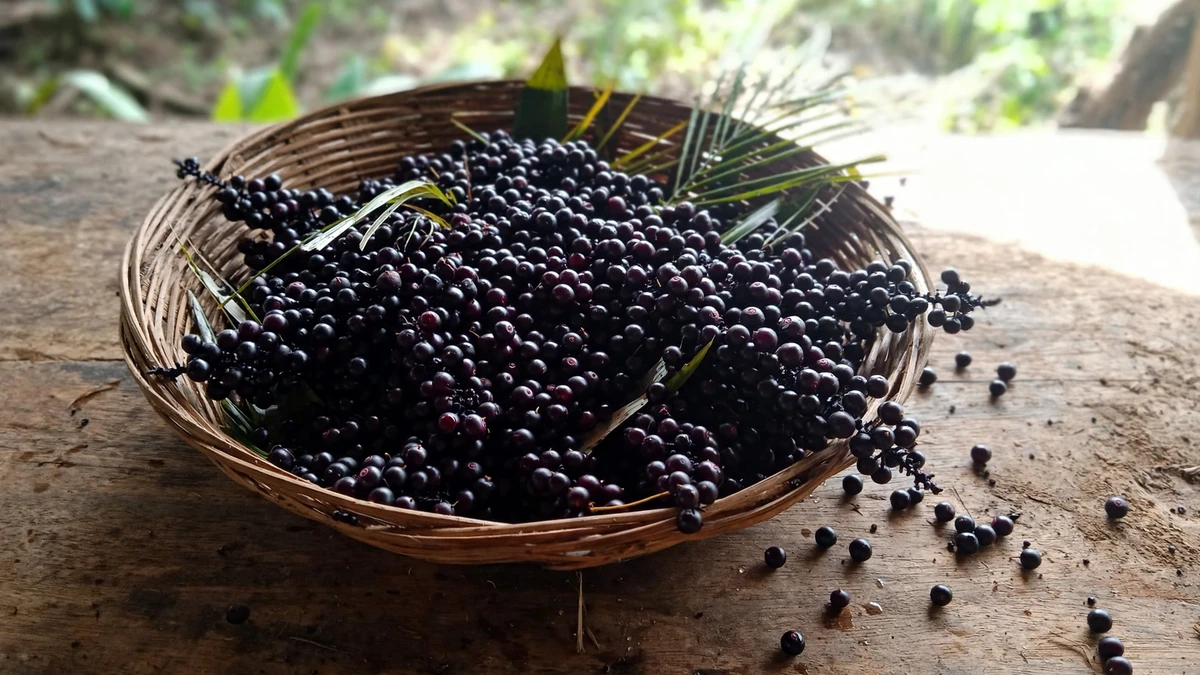
Fresh pulp is earthy and rich, frozen pulp is cleaner and colder, and dried acai is intense and almost chocolatey. Tasting all three in one stay teaches you more than a week of bowl bars. Best for: Curious eaters and anyone who cooks. Time needed: One afternoon of tasting. Standout tip: Taste the fresh pulp plain first, before sugar or banana joins it.
8. Do the souvenir shopping on your last morning
What to do: Ask the host what keeps, what travels, and where to buy it, and shop at the farm or the market on your last morning. What to avoid: Buying fresh berries to carry home, which will spoil before you land.
Fresh acai does not travel. Frozen pulp travels in a cool bag for a day, powder travels for months, and the oil keeps even longer. The farm shop or the market stall is the honest place to buy. Best for: Travellers hoping the flavour survives the journey home. Time needed: A half-hour wander around the farm shop. Standout tip: Buy powder and oil, not fresh fruit, for the journey home.
9. Watch the pulping and freezing, and write the method down
What to do: Watch the pulping and the freezing, ask how long the pulp keeps, and write down the method. What to avoid: Assuming frozen pulp from a supermarket is made the same way as the farm’s.
The farm freezes fast and plain, with no sugar and no water added, and that is why the flavour survives. Supermarket pulp is often sweetened and stretched. Best for: Cooks and anyone who plans to buy pulp at home. Time needed: An hour at the pulping shed. Standout tip: Ask how the host freezes the pulp, and copy the method at home.
Matching the trip to you
First-timers should keep it simple: Belém for the market and a guided grove day, or Santarém for the river beaches and a comfortable lodge. Both give you the harvest, the food and the river without asking you to live on a floodplain. Three nights is enough for a first visit, with two full farm days and a travel day at each end.
If you have done a farm stay before, go deeper. Abaetetuba or Barcarena will put you inside the harvest, with early mornings and a family table, and five nights will let you see the rhythm of the work. The guide to planning a durian farm escape suggests the same shape, a few nights longer than you think, because the second day is always better than the first.
Families should ask about the climbing rules and the boat safety before booking, and choose a farm with boarded walkways and a cook who is used to children. Older travellers should ask about the distance from the cabin to the grove, and whether a boat can replace the longer walks. The farm will answer honestly if you ask plainly, and the right farm for you is the one that answers with specifics rather than reassurance.
The caveats that matter
The biggest caveat is the season. Outside the harvest, the farm is still beautiful and the hosts are still welcoming, but the picking is thin and the dawn climb may be a demonstration rather than a full harvest. If the harvest is why you are coming, book inside it.
| Detail | What is known |
|---|---|
| Best months | Roughly January to June in Pará, with the heaviest picking mid-season |
| How long to stay | Three nights for a first visit, five for a working farm stay |
| Getting there | Fly to Belém, then boat or road to the farm, with tide times shaping the trip |
| What to pack | Light clothes, rain shell, shoes that grip wet wood, sun protection |
| Money | Ask the full price in writing, boat, meals and guide included, before paying |
| Food | Acai with tapioca and river fish; tell the kitchen about wheat at booking |
| Health | Nearest clinic can be far, so carry medication and check the distance first |
| What not to do | Do not climb a tall palm, do not carry fresh berries home, do not book a flight on a morning boat |
The other caveat is distance from help. Some farms are hours from a clinic, and the river is the only road. Carry any medication you need, tell the host about health problems before you arrive, and check the distance to the nearest clinic as part of the booking, not after. The guide to planning a marang farm escape gives the same warning, because a remote farm is wonderful until someone needs a doctor, and the time to plan for that is before you leave home.
Checklist: planning your acai farm escape honestly
Use these checks before you book, and again the week before you travel.
- Check the harvest dates in writing, and confirm them again the week before you travel.
- Check the boat and the tide times, and leave a full day of slack around every flight.
- Check the food with the kitchen at booking, including wheat, and confirm it again on arrival.
- Check the climbing rules, and agree with the host what guests may and may not do.
- Check the price in full, in writing, with boat, meals and guide listed separately.
- Check the nearest clinic, the last spraying date, and how steep the paths run, before you book.
Frequently asked questions
How long should an acai escape last?
Three nights for a first visit, with two full farm days, is enough to see the harvest and eat well. Five nights suits a working farm stay, where the rhythm of the picking and the river needs a few days to show itself.
Must I arrange my own transport to the farm?
No, and you should not try to drive yourself. The farm arranges the boat, and the river is the road. Ask whether transfers are included in the price, and whether the boat runs on your arrival day, because tide times decide the schedule.
Can children join the harvest walk?
Yes, on the ground paths, with an adult and proper shoes. Children can watch the picking, handle the bunches, and learn the pulping, but they should not climb palms or walk unboarded floodplain paths alone. Ask the host about the walkways before you book.
What goes in the bag for an acai farm?
Light clothes, a rain shell, shoes that grip wet wood, sun protection, insect repellent, and any medication you need. Pack light, because boats have limited space.
How is acai different from blueberry?
Acai is a palm fruit, not a bush berry, and it tastes earthy and faintly chocolatey rather than sweet and tart. Blueberries grow on bushes in temperate climates and are eaten fresh by the handful. Acai is pulped the day it is picked and eaten with tapioca and fish, which is a different food entirely.
Can I buy acai products to take home?
Yes, and the farm shop is the best place. Frozen pulp travels in a cool bag for a day, powder keeps for months, and the oil keeps longest of all. Fresh berries will spoil before you land, so buy powder and oil, not fresh fruit.
The bottom line
An acai farm escape works when the season, the farm and the journey all line up. Book inside the harvest, confirm the fruiting dates in writing, choose a host who climbs and cooks, and leave slack around every boat and flight. The planning is simple, but it has to happen before you pay, not after you arrive.
Do that, and the farm will give you the best acai you will ever taste, eaten where it grew, on the morning it was picked. That is the whole trip, and it is worth the planning.