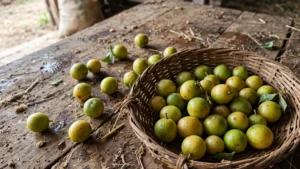
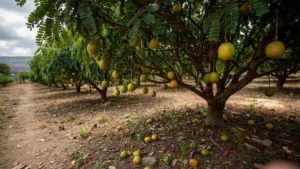
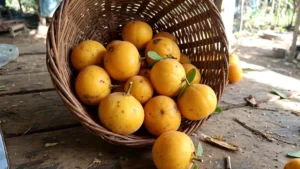
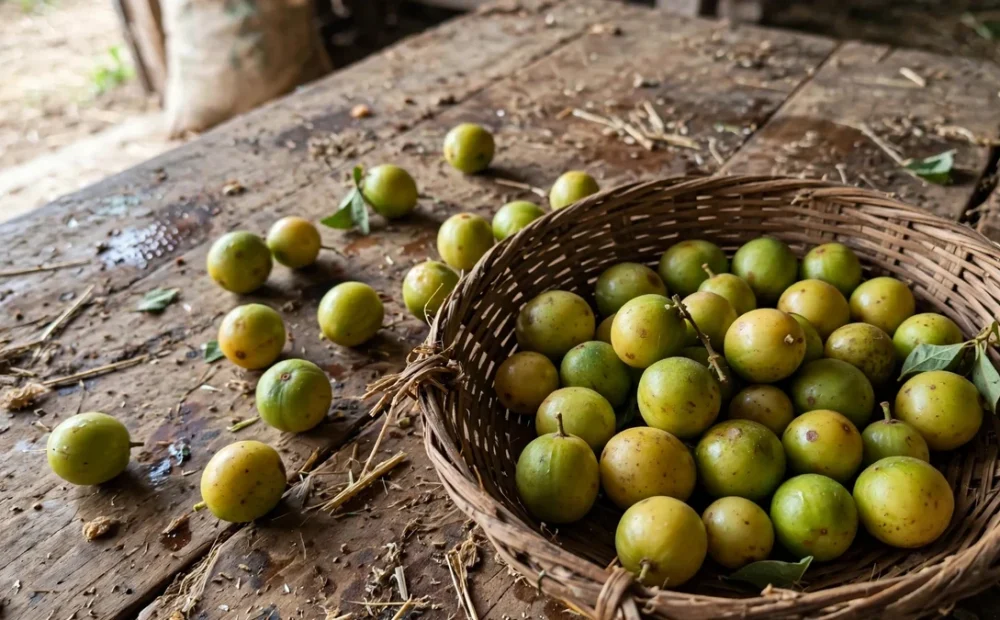
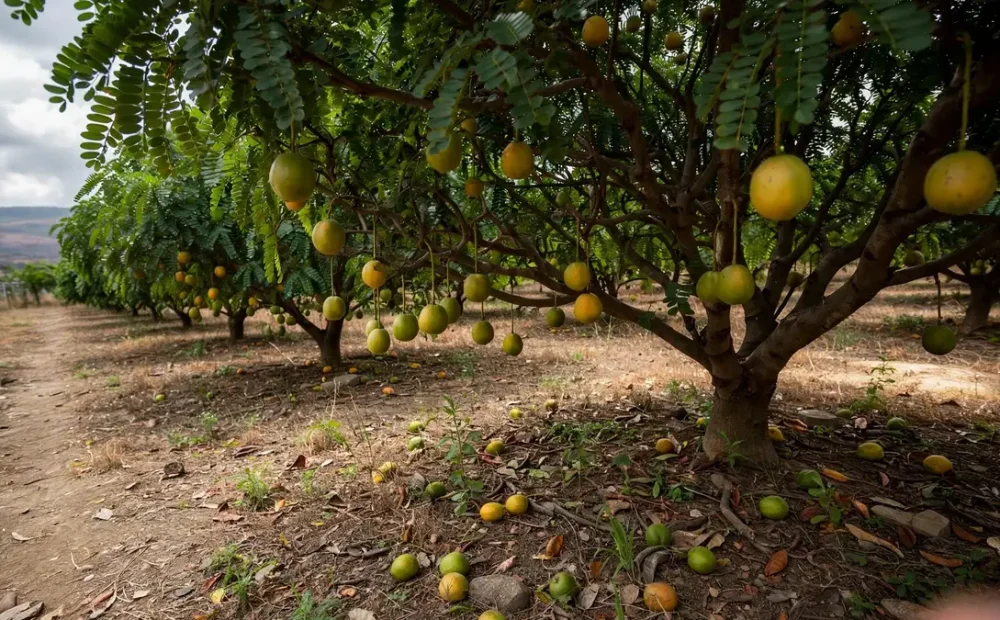
Uvaia is a fruit most travellers have never heard of, and that is exactly why a farm stay built around it feels different. The fruit is small, round and yellow, shaped a little like a pear, and it is so tart that nobody eats it by the handful. Instead it becomes juice, jelly and ice cream, sharp and bright, the kind of flavour you remember long after the trip. The trees grow in southern Brazil, in the cool hills around Curitiba and the green valleys of Santa Catarina and Rio Grande do Sul, where the air is softer than the Amazon and the mornings arrive with mist.
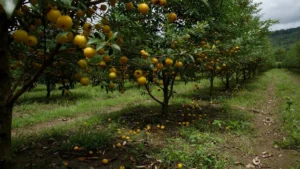
A farm retreat here is not a resort with a fruit theme pasted on. It is a working farm where the uvaia trees are part of the day: a walk through the rows at first light, a basket passed hand to hand, a kitchen where the morning harvest is pressed into juice before lunch. The best stays are small, family-run places with a handful of rooms, a table that seats everyone together, and hosts who know each tree by its fruit. You sleep in a farmhouse, not a hotel, and the day is shaped by the orchard.
Below are nine uvaia farm retreats worth considering in 2027, from a quiet hillside farm outside Curitiba to a river-valley stay near Florianópolis. Each one is described by what it does well, what to watch for, and who it suits best, so you can pick a stay that matches the trip you actually want, not just a pretty photograph.
Key takeaways
- Uvaia is a small yellow pear-shaped fruit from southern Brazil, very tart, best enjoyed as juice, jelly or ice cream rather than eaten raw.
- The fruit ripens in the warm months, roughly December to March, and the harvest is short, so the best stays book out early.
- Farm retreats here are small and family-run, with shared meals, orchard walks and a kitchen that works with the morning harvest.
- Ask about the season, the room, the meals and the walks before you pay, and get the answers in writing.
- Uvaia is tart enough to surprise children and anyone with a sensitive stomach, and you should tell the farm about wheat or gluten before you book, so the kitchen can plan your meals safely.
What an uvaia farm retreat actually is
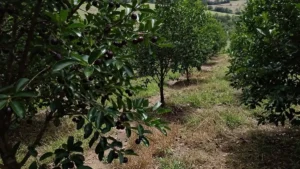
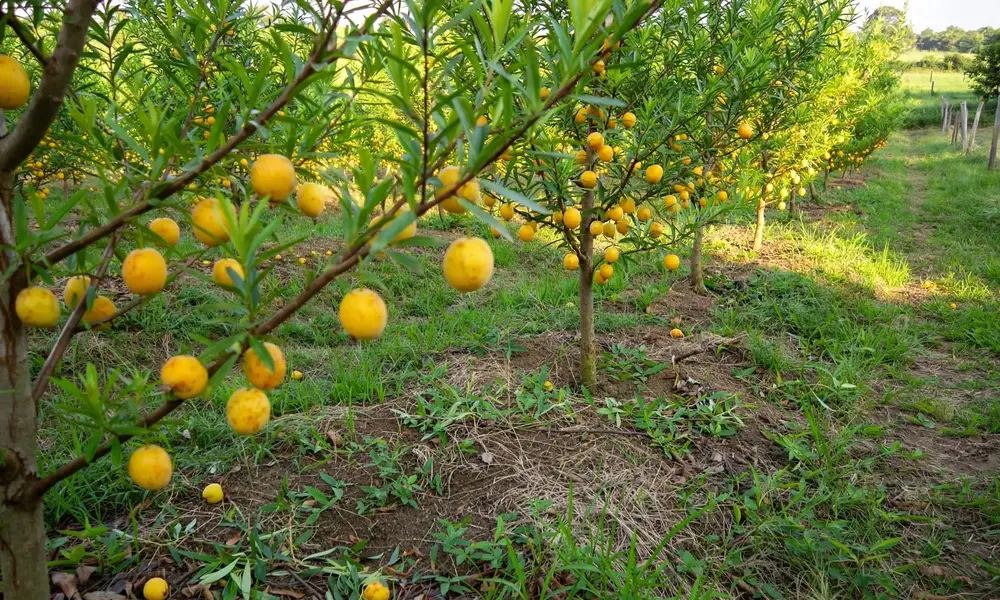
An uvaia farm retreat is a stay on a working orchard where the fruit is the centre of the day, not a garnish. The trees, Eugenia pyriformis, grow in neat rows on sloping ground, and the fruit hangs in clusters that turn from green to a warm yellow as it ripens. A good host will walk you through the rows in the morning, show you how to tell a ripe fruit from one that needs another week, and let you pick a basket yourself. Picking is gentle work, and it is the memory most guests take home.
The kitchen is where the fruit earns its keep. Because uvaia is so tart, it is rarely served raw. It is pressed into juice, cooked into jelly, churned into ice cream, or folded into a cake where the sharpness cuts through the sweetness. A farm lunch might start with uvaia juice, move through a slow-cooked stew, and finish with uvaia ice cream. The meal is part of the stay, and the hosts cook what the land gives them that week.
The rooms are simple and comfortable, not grand. Expect a farmhouse bedroom with a view of the orchard, a bathroom with hot water, and a veranda where you can sit with coffee as the mist lifts.
How we picked these stays, and what to ask first
We looked for farms that grow uvaia themselves, rather than buying it in, and for hosts who welcome guests into the harvest. Each stay below has a clear price range, a real place, and a reason it made the list: a view, a kitchen, a walk, or a host who knows the fruit well.
Before you book, ask four things and get the answers in writing: the exact dates of the harvest, what the room includes, what the meals cover, and whether the orchard walk is part of the price or an extra. Ask too about getting there, because some farms are an hour from the nearest town on a dirt road, and a car is not always included. A farm that answers plainly is usually a farm that runs well. If you have enjoyed a muruci farm stay before, our guide to the best luxury muruci farm retreats of 2027 shows how a similar small-fruit harvest shapes a trip, and the same questions work here.
The 9 best luxury uvaia farm retreats of 2027
Curitiba, where the hills stay cool and the mornings start early
What we like: A hillside farm twenty minutes from the city, with cool air, a short walk to the orchard, and a kitchen that serves uvaia juice at breakfast every day of the season.
What to consider: The rooms are small and the farm is popular on weekends, so book a weekday if you want the orchard to yourself. Best for: A first uvaia trip, or a short stay before a longer journey south. Style: Farmhouse, simple and warm. Price range: $65 to $95 a night. Standout feature: Breakfast juice pressed from fruit picked that morning.
Londrina, where the orchard meets open farmland
What we like: Wide views across farmland, a long orchard walk, and a host family that has grown uvaia for two generations and knows every tree.
What to consider: The farm is a drive from town, and the evenings are quiet, with no shops nearby. Best for: Travellers who want space and silence after a busy year. Style: Rural farmhouse with a big veranda. Price range: $55 to $85 a night. Standout feature: A sunset walk through the oldest rows of trees.
Maringá, where the harvest fills the kitchen by noon
What we like: A working kitchen that turns the morning harvest into jelly and ice cream the same day, and a host who teaches guests the recipes.
What to consider: The cooking sessions are popular and fill fast, so reserve your place when you book. Best for: Food lovers who want to cook with the fruit, not just taste it. Style: Farm kitchen with rooms above. Price range: $75 to $110 a night. Standout feature: A jelly-making morning with the host cook.
Florianópolis, where the orchard sits above the coast
What we like: Sea air, a short drive to the beach, and an orchard on a hillside where the fruit ripens a little earlier than inland.
What to consider: Summer weekends are busy, and the road up to the farm is steep. Best for: A trip that mixes the orchard with the coast. Style: Coastal farmhouse with sea views. Price range: $120 to $165 a night. Standout feature: Uvaia ice cream on the terrace at sunset.
Porto Alegre, where the fruit ripens late and the stay runs long
What we like: A longer season than the farms further north, a comfortable farmhouse, and a host who pairs the fruit with local wines at dinner.
What to consider: The farm is an hour from the city, and the wine pairing costs extra. Best for: A relaxed stay of four or five nights. Style: Classic farmhouse with a dining room. Price range: $95 to $140 a night. Standout feature: Dinner pairings of uvaia with regional wines.
Caxias do Sul, where the vines and the orchard share a valley
What we like: A valley where vineyards and uvaia orchards grow side by side, with a host who knows both, and a cellar you can visit.
What to consider: The valley is cool, and the mornings can be cold, so bring a warm layer. Best for: Wine lovers who want a fruit harvest as well. Style: Valley farmhouse with a cellar. Price range: $110 to $150 a night. Standout feature: A walk that crosses from vineyard to orchard in one morning.
Caxias do Sul is the most distinctive stay on this list, because the valley grows two things well. The morning walk crosses the vineyard first, then the orchard, and lunch tastes of both. It is a trip with a clear sense of place.
Blumenau, where the German-settled valley grows a Brazilian fruit
What we like: A valley with a strong food culture, a farm that bakes uvaia into cakes and tarts, and a town worth an afternoon.
What to consider: The farm is small, with only a few rooms, and it books out months ahead in season. Best for: Bakers and anyone who loves a good cake. Style: Small guesthouse with a bakery kitchen. Price range: $85 to $125 a night. Standout feature: Uvaia tart, baked in the farm oven and served warm.
Blumenau is the sweetest stop on the list, in the best sense. The tart is sharp and buttery, the valley is green, and the town is a pleasant walk away. Book early, because the rooms go fast.
Joinville, where the orchard is quiet and the coast is close
What we like: A quiet orchard, a short drive to the coast, and a host who keeps the stay small and personal, with no more than six guests at a time.
What to consider: The farm has no pool, and the rooms are plain, so come for the orchard and the food. Best for: A quiet, personal stay with a host who has time for you. Style: Simple farmhouse, few guests. Price range: $70 to $100 a night. Standout feature: A private orchard walk for each guest, every morning.
Joinville is the quietest stay here, and that is its charm. Six guests, one host, and an orchard walk that is yours alone. If you want to be looked after properly, this is the one.
Ponta Grossa, where the high plains meet the orchard rows
What we like: High plains, big skies, and an orchard that ripens in the warm months, with a farm that also keeps bees and serves its own honey.
What to consider: The plains are windy, and the farm is a long drive from the nearest city. Best for: Travellers who like open country and long walks. Style: Plains farmhouse with a honey house. Price range: $60 to $90 a night. Standout feature: Uvaia jelly served with the farm’s own honey.
Ponta Grossa feels far from everything, in a good way. The sky is wide, the orchard is quiet, and the jelly with honey is a small, memorable breakfast. It is a fine last stop on a southern Brazil trip.
Which uvaia region fits your trip
If this is your first uvaia trip, start near Curitiba or Londrina. The farms are easy to reach, the stays are gentle, and the fruit is at its best in the warm months. You will learn the fruit, taste it in every form, and know by the second day whether you want more.
If food is the reason you travel, Maringá and Blumenau are the picks, and if you want the coast as well, Florianópolis and Joinville give you the orchard in the morning and the sea in the afternoon. A mangaba farm stay follows a similar rhythm, and our guide to the best luxury mangaba farm retreats of 2027 is a useful comparison if you are choosing between the two fruits.
The caveats that matter
Uvaia is a tart fruit, and the harvest is short. The fruit ripens quickly, and a farm can be full of fruit one week and finished the next, so the dates matter more than the price. Ask the farm when the fruit ripens in the year you are travelling, and book inside that window, not at its edges.
| Detail | What is known |
|---|---|
| Scientific name | Eugenia pyriformis, a small tree of southern Brazil |
| The fruit | Small, round, yellow and pear-shaped, very tart when raw |
| Best way to enjoy it | Juice, jelly, ice cream, or baked into cakes and tarts |
| Harvest season | Warm months, roughly December to March, and the window is short |
| Where it grows | Southern Brazil, in the hills and valleys of Paraná, Santa Catarina and Rio Grande do Sul |
| Who should taste with care | Children, and anyone with a sensitive stomach, because the fruit is very sharp |
| Gluten and wheat | Tell the farm before you book, so the kitchen can plan your meals safely |
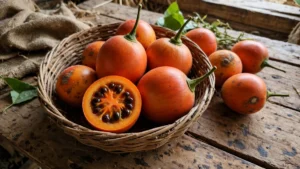
| What it is not | It is not muruci, though both are small yellow fruits; the species and the flavour are different |
Travel in the warm months, and remember that southern Brazil can be cool in the morning, even in summer, so pack a warm layer for the early walk. The farms are rural, so check the road and whether a car is included before you pay.
Checklist: booking an uvaia farm stay honestly
Use these checks before you pay, and again a week before you travel.
- Check the harvest dates: ask when the fruit ripens in the year you are travelling, and book inside that window.
- Check what the price covers: room, meals, orchard walks, and any cooking sessions, in writing.
- Check the room: ask for a photo of the actual room, not a stock image, and ask about hot water and heating.
- Check the road: ask how far the farm is from the nearest town, and whether a car or a transfer is included.
- Check the kitchen: tell the farm about wheat, gluten, or any allergy before you book, and ask what the meals include.
- Check the cancellation terms: ask what the farm does if the harvest shifts, and keep the written reply with your booking.
Frequently asked questions
What does uvaia taste like?
Sharp and bright, with a tartness that makes your mouth water. It is too sour for most people to eat raw, which is why it is pressed into juice, cooked into jelly, or churned into ice cream.
When is the best time to visit an uvaia farm?
The warm months, roughly December to March, when the fruit ripens. The window is short, and a farm can finish its harvest quickly, so book inside the peak, and ask the farm for the dates in the year you are travelling.
Can children enjoy an uvaia farm stay?
Yes, if they like picking fruit and being outdoors. The juice is popular with children, and the orchard walk is easy. The raw fruit is very tart, so let them taste a little first, and keep the juice and ice cream as the main event.
Is uvaia the same as muruci?
No. Both are small yellow fruits, but they are different species with different flavours. Uvaia is Eugenia pyriformis, a tart fruit of southern Brazil, while muruci is Byrsonima crassifolia, a sweet-sour fruit of the cerrado and the Amazon. They grow in different regions and taste different.
Do I need a car to reach an uvaia farm?
Often yes. Many farms are an hour from the nearest town on a country road, and a car is not always included. Ask the farm before you book, and if you do not drive, ask whether a transfer is available and what it costs.
How much should I budget for an uvaia farm stay?
Most stays on this list run from $55 to $165 a night, with meals usually included. Add the cost of a car or a transfer, plus a little extra for cooking sessions or wine pairings, which are usually priced on their own. A pitanga farm stay sits in a similar range, and our guide to the best luxury pitanga farm retreats of 2027 shows the same kind of pricing for a comparable small-fruit harvest.
The bottom line
Uvaia is a small, tart fruit that makes a memorable trip, because the farms that grow it are small, the hosts are proud of the harvest, and the food is made from what was picked that morning. The best stays are the ones that let you into the orchard, feed you well, and keep the day unhurried. Pick a farm inside the harvest window, ask your questions before you pay, and book early, because the season is short and the rooms are few.
Start near Curitiba if it is your first time, choose Maringá or Blumenau if food is the point, and take Florianópolis if you want the coast as well. Tell the farm about wheat or gluten before you book, pack a warm layer for the morning walk, and let the fruit do the talking. It is sharp, bright, and worth the trip.