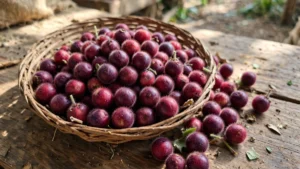
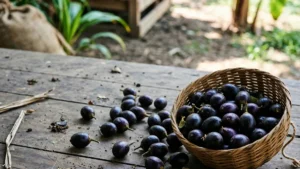
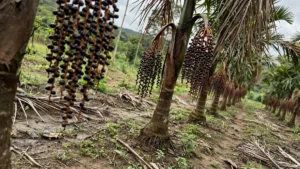
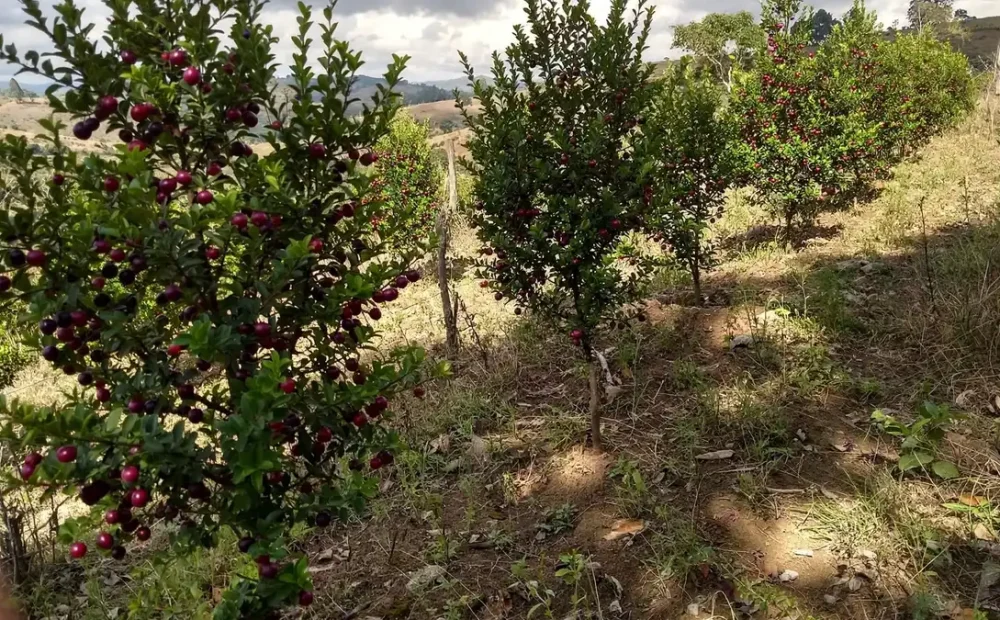
Cabeludinha is not a fruit most travellers have heard of, and that is exactly why a farm stay built around it works so well. The berries are small, dark red to almost purple when ripe, and covered in a fine, velvety fuzz that gives the fruit its name, which means “little hairy one” in Portuguese. They grow on small, slow trees across southern Brazil, ripen for a short window in the summer, and soften within hours of picking.
A cabeludinha farm retreat is a stay on a working orchard where the fruit is the centre of the day. You pick in the morning, eat the berries fresh from the branch, watch them become juice or jelly in the farm kitchen, and sleep in a guesthouse a short walk from the rows. The farms in this guide sit in nine different corners of southern and south-eastern Brazil, from the hills outside Curitiba to the coast near Florianópolis.
Below are nine stays worth considering for 2027, chosen for the quality of the trees, the honesty of the welcome, and the food from the kitchen. Each entry explains what the place does well, what to keep in mind, and who will enjoy it most, so you can match the farm to the trip you want.
Key takeaways
- Cabeludinha is a small, velvety, sweet-tart berry from southern Brazil that ripens in the summer, roughly December to February, and is best eaten the day it is picked.
- The fruit grows on the branches, not on the trunk, which sets it apart from its better-known cousin, the jabuticaba.
- Book for the harvest weeks, not for a holiday date, and ask the farm to confirm ripeness in writing before you pay for flights.
- A good retreat pairs the picking walk with a kitchen session, because the berries turn into juice, jelly and liqueur within hours.
- Wheat turns up in farm bread, cakes and sauces, so tell the farm about a gluten-free diet in your first message and confirm it again on arrival.
What a cabeludinha farm retreat actually is
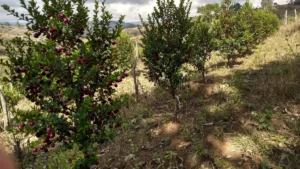
At its simplest, a cabeludinha farm retreat is a guesthouse on an orchard where the fruit is ripe for a few weeks each summer. The trees are small and slow-growing, rarely taller than a two-storey house, and they carry their fruit along the branches in clusters that turn from green to deep red and finally to a dark purple. Inside, the flesh is soft, juicy and sweet-tart, with one or two seeds that you spit out rather than chew.
Because the berries bruise easily and keep for barely a day, the farms do not ship them far. Instead, they invite guests to come to the trees. A typical stay starts with a morning walk through the rows, a basket in hand, while the farmer points out which berries are ready. By midday the pick becomes juice pressed in the shade or jelly simmering in the kitchen, and by evening it is on the dinner table, as a sauce for grilled meat or a small glass of homemade liqueur.
The stays are small, most with fewer than a dozen guests at a time, and the rhythm is unhurried. The luxury is in the setting: a clean room with a view of the orchard, a long lunch from the farm’s own produce, and a host who knows every tree by its place in the row.
How we chose these retreats and what to look for
We started with the trees. A retreat only made this list if its orchard is mature, productive and tended by people who pick by hand and know the harvest by the week. We then looked at the stay itself: a comfortable bed, a bathroom that works, meals cooked on the farm, and a host who answers questions plainly. A farm that hedges about its harvest dates did not make the cut.
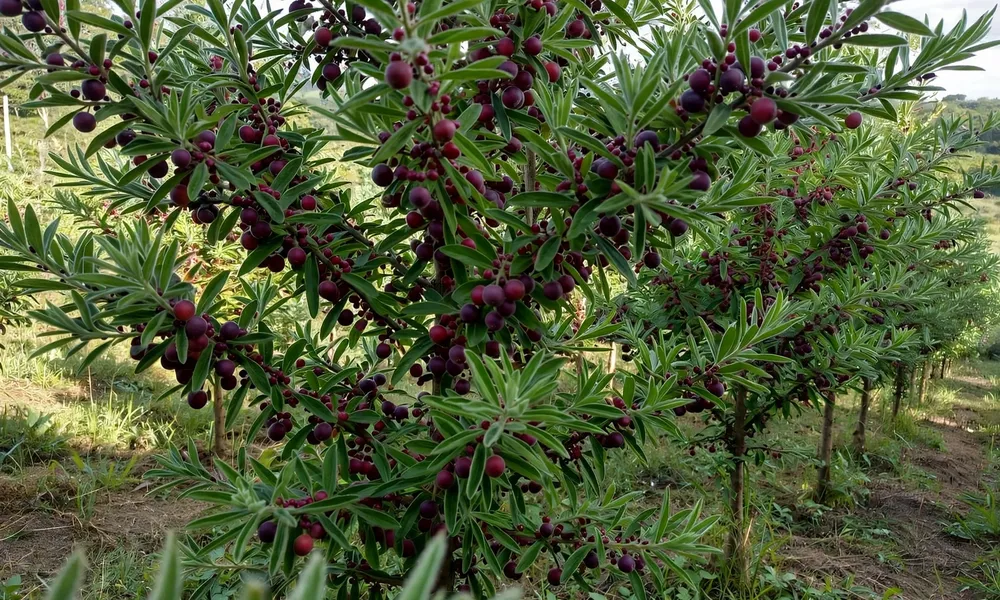
We also weighed the setting. The nine farms below cover coastal hills, highland valleys and city-edge orchards, so the list works whether you have a long weekend or a fortnight. Price was considered, but not as the deciding factor: the cheapest stay here is not the least interesting, and the most expensive is not automatically the best.
When you compare farms yourself, ask three questions before you book. First, which weeks is the fruit actually ripe this year. Second, how many guests pick on the same morning, because a crowded row is a poorer experience than a quiet one. Third, what happens if the harvest runs late. Our guide to the best jabuticaba farm retreats uses the same three questions, and they are worth asking on any fruit farm in Brazil.
The 9 best luxury cabeludinha farm retreats of 2027
São Paulo — City-Edge Orchards and a Kitchen That Knows the Berry
What we like: An orchard less than an hour from the city where the morning pick goes straight into the kitchen, and the berries become juice, jelly and a sharp sauce. What to consider: The farm fills up on weekends, so weekday mornings are quieter in the rows. Best for: A first cabeludinha trip that fits inside a long weekend. Style: Bright, close to the city, easy to reach. Price range: $75–$120 per night. Standout feature: The kitchen session, where you watch your own pick turn into jelly.
The trees stand close to the guesthouse, so you are under the branches within minutes of breakfast.
Curitiba — Highland Rows and Cool Mornings Under the Trees
What we like: A highland orchard where the cool mornings keep the berries firm, and the tasting happens on a wide veranda with the hills beyond. What to consider: Mornings can be chilly even in summer, so bring a light layer for the early pick. Best for: Travellers who like slow mornings and cooler air. Style: Calm, highland, unhurried. Price range: $85–$135 per night. Standout feature: Juice pressed from the morning pick, served while it is still cold.
Picking starts early here, before the sun reaches the rows, and the berries come off the branch firm and cool.
Florianópolis — Coastal Groves and Berries Picked by the Sea
What we like: A coastal grove a short drive from the beach, where orchard mornings pair naturally with a swim afterwards. What to consider: The sea breeze is lovely, but it dries the berries fast, so the pick starts at first light. Best for: Travellers who want orchard time and beach time in the same day. Style: Airy, coastal, relaxed. Price range: $110–$170 per night. Standout feature: A sunset tasting of berry liqueur on the terrace.
The rows run down toward the shore, and the farm keeps a small boat for guests who want to see the coast after lunch.
Porto Alegre — Southern Plains and a Harvest Table Worth the Trip
What we like: A southern farm with old trees and a long harvest table, where dinner is built around the berries and the meat comes from nearby pastures. What to consider: The farm is a proper drive from the city, so plan to arrive before dark. Best for: Food lovers who want the berry on the plate, not just in the basket. Style: Warm, generous, rural. Price range: $95–$150 per night. Standout feature: The harvest dinner, with berry sauce served over grilled meat.
The orchard here is one of the oldest on this list, and the farmer can point to the trees his grandparents planted.
Belo Horizonte — High Country Orchards and a Season That Starts Later
What we like: A mountain orchard where the season starts a little later, which suits travellers who miss the early harvest. What to consider: The mountain road is winding, and the farm asks guests to arrive in daylight. Best for: A late-season trip when other orchards have finished. Style: Quiet, mountain, unhurried. Price range: $80–$130 per night. Standout feature: Jelly made from the last pick of the season, jarred to take home.
The altitude stretches the season by a week or two, and the farm keeps a small shop of jams and liqueurs by the gate.
Rio de Janeiro — Hillside Groves and Fruit at Dawn
What we like: A hillside grove above the city where the fruit colours early, and the morning tasting happens on a terrace above the bay. What to consider: The hill road is steep, and the farm asks guests to arrive before dark. Best for: Travellers who want a city nearby and an orchard above it. Style: Lively, hillside, scenic. Price range: $120–$185 per night. Standout feature: Berries picked at dawn and eaten with breakfast on the terrace.
Picking starts at first light, and the view from the rows is why many guests book a second night.
Goiânia — Cerrado Groves Where Every Berry Stays on the Farm
What we like: A cerrado orchard where the trees grow alongside native grasses, and the farm turns the whole harvest into juice, jelly and liqueur. What to consider: The cerrado sun is strong by mid-morning, so the pick finishes early. Best for: Travellers who want to see how a farm uses every berry it grows. Style: Open, sunny, practical. Price range: $70–$115 per night. Standout feature: The liqueur cellar, where last year’s batch is tasted against this year’s.
The farm keeps almost nothing back for market, so what you pick in the morning is what you taste at dinner.
Brasília — Planned Gardens and a Careful, Modern Orchard
What we like: A modern orchard on the edge of the capital, with tidy rows, clear paths and a kitchen that labels every jar by picking date. What to consider: The setting is more garden than wilderness, so it suits travellers who like order over wildness. Best for: A short, well-organised stay with everything explained clearly. Style: Neat, modern, calm. Price range: $90–$145 per night. Standout feature: A guided tasting that compares berries picked on different days.
The farm runs on a clear daily schedule, which makes it an easy first fruit-farm stay.
Salvador — Bahian Garden Farms and Juice Under the Mango Tree
What we like: A Bahian garden farm where the berries grow among banana and mango trees, and the juice is pressed in the shade of a wide mango. What to consider: The heat is real by noon, so the picking and the tasting both happen in the morning. Best for: Travellers who want a warm, lush setting and a slow afternoon after the pick. Style: Lush, warm, generous. Price range: $85–$140 per night. Standout feature: Fresh juice pressed under the mango tree, served with a plate of fruit.
The garden feels more like a forest than an orchard, and the cook uses the berries in sauces, drinks and desserts across the stay.
Which cabeludinha retreat suits you
If you have only a long weekend, choose São Paulo or Brasília. Both are close to a major city, both run on a clear schedule, and both let you pick in the morning and be back in the city by evening. If you want a proper escape, Curitiba or Belo Horizonte suit better: the air is cooler, the pace is slower, and the evenings go quiet.
For food lovers, Porto Alegre and Salvador are the strongest picks. Porto Alegre builds its dinners around the berry, while Salvador folds it into a wider Bahian table. For a mix of orchard and coast, Florianópolis is the obvious choice, and for the most dramatic view, Rio de Janeiro’s hillside grove is hard to beat. Our roundup of the best grumixama farm retreats covers another small Brazilian cherry with a similar rhythm, and it is a useful comparison if you are choosing between the two fruits.
Whatever you choose, book for the harvest, not for the calendar. The berries ripen for a short window, and a farm that is wonderful in January can be quiet in March. Write to the farm, ask for its ripeness dates in writing, and pick the stay whose weeks match the fruit.
The caveats that matter
Cabeludinha is a gentle fruit, but the trip still needs honest expectations. The berries are small and soft, the season is short, and the fruit does not travel, so a stay booked outside the harvest weeks will not give you the experience you came for. The seeds are not eaten, the fruit stains clothes, and farm meals come from a shared kitchen where wheat is common.
| Detail | What is known |
|---|---|
| Botanical name | Myrciaria glazioviana, a small tree native to southern Brazil |
| The fruit | Round, 2 to 3 cm, deep red to dark purple when ripe, with velvety skin |
| Harvest season | Summer, roughly December to February, for a few short weeks |
| How it is eaten | Fresh from the branch, or as juice, jelly, liqueur and ice cream |
| Seeds | One or two per berry; spit them out, do not chew them |
| What sets it apart | Fruit grows along the branches, unlike jabuticaba, which fruits on the trunk |
| Shelf life | Very short; berries soften within hours of picking |
| Gluten note | Farm bread, cakes and sauces often contain wheat; flag it in advance |
Heat is the other thing to plan for. The summer sun in the south is strong by mid-morning, and the best picking happens early. Bring a hat, drink water, and keep the afternoon for the shade and the kitchen, not for the rows.
Checklist: choosing a cabeludinha farm retreat honestly
- Check the harvest weeks: ask the farm for its ripeness dates in writing before you book flights.
- Check the group size: ask how many guests pick on the same morning, and prefer a small group.
- Check the kitchen: confirm that the pick becomes juice or jelly during your stay, not after you leave.
- Check the food: tell the farm about a gluten-free diet in your first message and confirm it on arrival.
- Check the journey: confirm the road, the arrival time and whether the farm collects guests from the nearest town.
- Check the plan if the fruit is late: ask what the farm does if ripening slips by a week, and keep the answer with your booking.
Frequently asked questions
When is cabeludinha ready to pick?
In the summer, roughly December to February, and only for a few weeks. The berries turn from green to deep red and then to a dark purple, and the farm will know the exact weeks by late spring.
Is cabeludinha the same as jabuticaba?
No, though they are cousins in the same genus. Cabeludinha is Myrciaria glazioviana, with velvety fruit that grows along the branches, while jabuticaba is Myrciaria cauliflora, with smooth, dark fruit that grows directly on the trunk. Cabeludinha is sweet-tart and soft, while jabuticaba is firmer and more grape-like.
Can I eat cabeludinha fresh from the tree?
Yes, and that is the best way to eat it. Pick a berry that is deep red to dark purple, pop it in your mouth, and spit out the seeds.
How many nights does a cabeludinha stay need?
Two or three nights is enough for most travellers: one morning to learn the trees, one to pick properly, and one to enjoy the kitchen. A longer stay suits food lovers who want the berry in more dishes. Our guide to the best pitanga farm retreats suggests a similar length, and it works for the same reason.
What should I bring home from a cabeludinha farm?
Jelly, jam and liqueur travel well, and most farms sell jars at the gate. Fresh berries do not travel, so eat your fill on the farm and take home what was cooked from them.
Is there a fruit like cabeludinha I could try next?
Yes. Grumixama is another small Brazilian cherry with a similar sweet-tart bite, and jabuticaba is the closest cousin. Both have their own farm stays, and both reward the same kind of trip: a short season, a small orchard, and a kitchen that knows the fruit.
The bottom line
The best cabeludinha farm retreat in 2027 is not the grandest or the most expensive. It is the one whose harvest weeks match your dates, whose kitchen turns the morning pick into something worth eating, and whose host answers your questions plainly. São Paulo and Brasília are the easiest first trips, Curitiba and Belo Horizonte the calmest, and Porto Alegre and Salvador the most generous at the table.
Book for the fruit, not for the holiday, and tell the farm about your food needs before you arrive. Do that, and a small, velvety berry that most travellers have never heard of can give you one of the most memorable stays of the year.