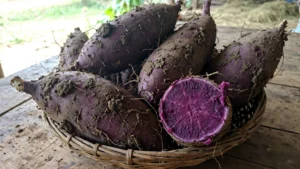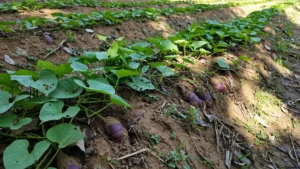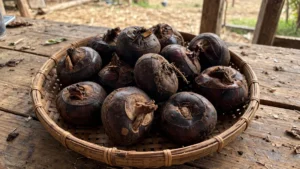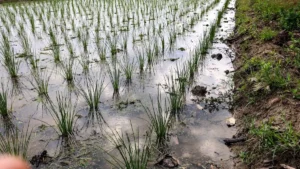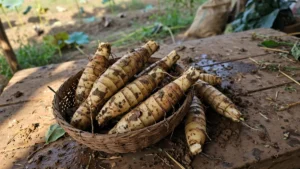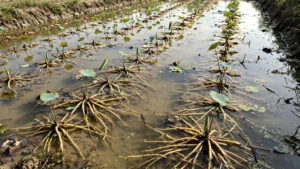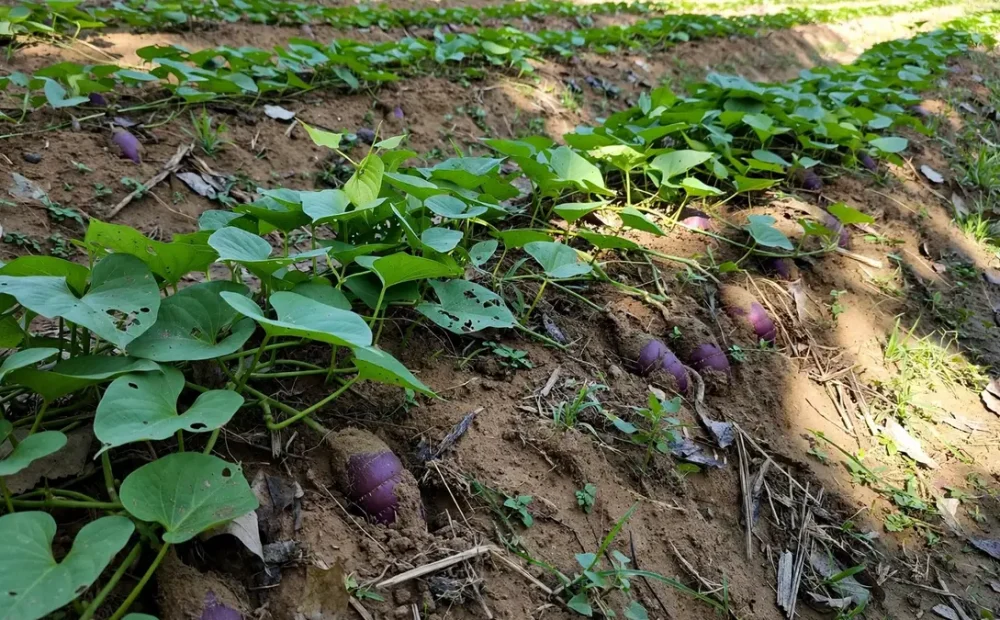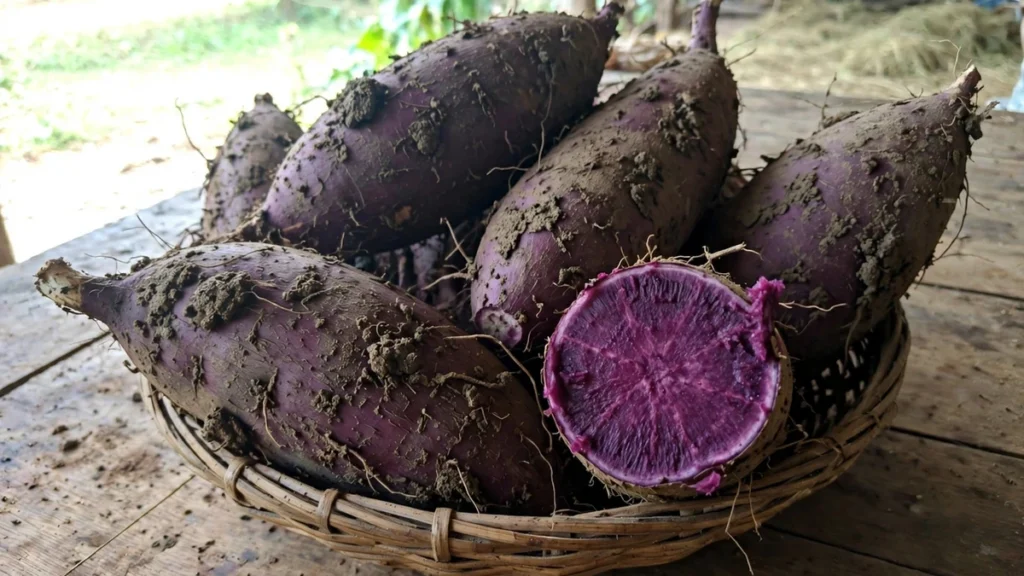
A water yam farm escape is a working holiday built around a purple tuber. You stay on a farm that grows Dioscorea alata, the purple yam sold as ube, and you spend your days digging, grating, steaming and tasting. It is not a resort with a yam garnish. It is a farmhouse bed, a muddy field at dawn, and a kitchen that smells of coconut by noon.
Most escapes run two to four nights. The first day is for arriving and learning the farm. The second is for digging and cooking. A third day adds a market trip, a boat ride or a slow morning, depending on the region. The farms in this guide sit across the Philippines, Indonesia, Thailand, Vietnam, Malaysia, Singapore and Fiji, so the same plan works whether you have a long weekend or a full week.
What follows is the plan in nine steps, from choosing the harvest window to carrying tubers home. Each step says what to do, what to avoid, who it suits, how long it takes, and the one tip that saves the most trouble.
Key takeaways
- Plan around the harvest, not the holiday: tubers take eight to ten months to mature, and digging runs for a few short weeks.
- Pick a region for the food you want: the Philippines for ube desserts, Vietnam for river markets, Fiji for earth-oven feasts.
- Stay on a farm that grows its own yams, and confirm the digging and cooking sessions are included in the rate.
- Pack for mud, sun and early starts: closed shoes, gloves, sun protection and a light rain layer.
- Water yam must be cooked before eating, and ube cakes and breads often contain flour, so ask about gluten before you order.
What a water yam farm escape actually involves
A water yam farm escape means sleeping where the yams grow. The farm is a working plot of climbing vines on poles and trellises, and the guest rooms sit beside it, sometimes in the farmhouse itself. Mornings start early, with the digging crew in the field by seven or eight. Afternoons are for the kitchen: grating, steaming, pounding and tasting. Evenings are quiet, with dinner at the farm table and little to do but sleep well.
The work is real but not punishing. Digging means loosening the soil with a fork, lifting a tuber free, and carrying it to the basket. It is muddy, it is warm, and it is the part guests remember most. The cooking is hands-on too: peeling, grating, stirring halaya over a low flame, shaping cakes. Nobody expects skill, only willingness, and the farm crew will show you every step.
What it is not is a spa break. There may be a pool, there may not be. The wifi may be patchy. The nearest town may be an hour away. If you want a farm that feels like a farm, that is the point.
Plan it in nine steps
Fix your travel dates to the digging weeks
What to do: Ask the farm which weeks the digging runs, then build your trip around those dates. What to avoid: Paying for flights before the farm confirms its digging dates. Best For: Anyone whose main goal is digging. Time Needed: One email, a week before booking. Standout Tip: The harvest window is short, so take the dates the farm offers rather than the ones that suit your calendar.
Water yam takes eight to ten months to mature, so the digging season is a few weeks, not a few months, and it shifts with the rains. A farm that is happy to host you in the planting season cannot offer you a harvest. Get the window in writing, then book the room, then the flight.
Match the region to the dishes you crave
What to do: Choose the Philippines for ube desserts, Vietnam for river markets, Fiji for earth-oven cooking. What to avoid: Picking a region for the flight price and discovering the food is not what you came for. Best For: Travellers who plan meals first. Time Needed: An evening of reading menus. Standout Tip: Look at the farm’s dessert list, not its room photos, when you compare regions.
The tuber is the same everywhere, but the cooking is not. Laguna leans sweet, with halaya and halo-halo. The Mekong leans savoury, with yam soups and coconut desserts. Fiji leans slow, with lovo feasts that take all afternoon.
Stay where the yams grow, not down the road
What to do: Ask whether the fields you will dig in belong to the farm, and how many varieties it grows. What to avoid: A stay that buses guests to a neighbour’s field once a week. Best For: Anyone who wants the real farm, not a tour. Time Needed: Ten minutes of questions before you pay. Standout Tip: A farm that grows three ube varieties will show you the colour and sweetness side by side.
Own-grown fields mean the crew knows the soil, the vines and the harvest, and the cooking uses what was dug that morning. A stay without its own fields can still be pleasant, but it is a hotel with a farm visit attached, and the digging will feel like an excursion rather than the day’s work.
Get the farm pickup arranged before your flight lands
What to do: Confirm who meets you, where, at what time, and what it costs. What to avoid: Landing at night with no transfer booked and a farm an hour down an unpaved road. Best For: First-time visitors to a rural area. Time Needed: One message, confirmed twice. Standout Tip: Ask for the driver’s phone number and the farm’s, and save both before you fly.
Farm stays sit outside towns, and the last stretch is often unpaved, unlit and hard to find after dark. A transfer arranged by the farm costs a little more than a taxi and removes the only part of the trip that can genuinely go wrong. If your flight lands late, tell the farm the same day.
Bring shoes and gloves you can wash after the field
What to do: Bring closed shoes you can wash, gloves for digging, sun protection and a light rain layer. What to avoid: White trainers, open sandals and a suitcase you care about. Best For: Anyone who has never dug a tuber before. Time Needed: Half an hour the night before. Standout Tip: Pack a separate bag for muddy clothes, so the rest of your luggage stays clean.
Digging starts early, when the soil is cool and the light is kind, and the field is muddy even in the dry season. Sunscreen and a hat matter by ten in the morning, and a rain layer matters by three in the afternoon.
Let the crew teach you to dig on day one
What to do: Watch the crew loosen the soil, lift a tuber and trim it, then copy them exactly. What to avoid: Driving a fork straight down into the row, which spears the tuber below. Best For: First-time diggers. Time Needed: One morning in the field. Standout Tip: Work slowly at first: one clean tuber is worth more than three speared ones.
The crew will show you where the tuber lies, how deep to go, and how to lift without snapping it. Wear the gloves, keep your back straight, and let the fork do the work.
Eat ube halaya, ube ice cream and a yam cake in one afternoon
What to do: Ask the kitchen for the three classic sweets in one sitting, and taste them side by side. What to avoid: Filling up on the first dish and missing the other two. Best For: Dessert lovers. Time Needed: One slow afternoon at the farm stove. Standout Tip: Taste the halaya first, while it is still warm from the pan.
Halaya is thick, dark purple and intensely sweet, cooked down with coconut milk. The ice cream is lighter and colder, and the cake is the most delicate of the three, with the yam folded through the crumb. Together they show what one tuber can do, and apart they are just three nice desserts.
Do the money the night before, not the morning you leave
What to do: Settle the room bill, the extras and the tips the night before you leave. What to avoid: Leaving the bill to the morning, when the crew is already in the field. Best For: Anyone with an early departure. Time Needed: Fifteen minutes after dinner. Standout Tip: Ask for the full list of extras in writing, so nothing is a surprise at checkout.
Farm mornings belong to the field, and the person who takes payment is often the person who leads the digging. Paying the night before keeps your last morning free for a final walk through the rows, and it keeps the farm’s day on schedule. Carry small notes for tips, because the farm may not take cards.
Pack the tubers dry for the trip home
What to do: Buy tubers from the farm, pack them dry in a sturdy bag, and check the customs rules for your destination. What to avoid: Packing damp tubers in a sealed bag, where they will sweat and spoil. Best For: Cooks who want to recreate the trip at home. Time Needed: Half an hour on the last day. Standout Tip: Ask the farm to cut one tuber open, so you know the colour you are buying.
A whole tuber travels well for several days if it stays dry and cool, and the farm will know which varieties keep best. Some countries restrict fresh tubers at the border, so check before you buy. If you cannot carry them home, buy a jar of halaya instead: it travels better and keeps longer.
When to go: the water yam calendar
Water yam is planted at the start of the rains and harvested eight to ten months later, in the drier months. That means the digging season is short and the exact weeks shift with the weather, so the farm’s word matters more than any calendar in this article. In the Philippines the harvest often falls in the cooler, drier part of the year. In Vietnam and Fiji it follows the local rains in the same way.
Outside the harvest, farms still take guests, and the cooking continues with stored tubers, but you will not dig. If the digging is the point of your trip, travel in the harvest window. If the food and the farm are the point, any month works, and the rooms are cheaper and quieter outside the season. Our ulluco farm escape guide follows the same seasonal logic in the Andes, where the harvest window is just as short.
What to eat on a water yam farm
Start with the sweets. Ube halaya is the dish to learn first: yam, coconut milk, condensed milk and butter, stirred slowly until it turns thick and dark purple. Halo-halo layers it with shaved ice, beans, jellies and flan. Ube ice cream is the simplest pleasure on the farm, and ube cakes and breads show how the tuber works in baking. Ask the kitchen to show you the halaya from start to finish, because the stirring is the skill.
Do not skip the savoury side. Steamed yam with fish and coconut is a daily meal across the region, yam soups are common in Vietnam, and Fiji’s lovo earth oven cooks yam alongside pork and taro leaves for hours.
The caveats that matter
Water yam must be peeled and cooked thoroughly, and the raw flesh can irritate skin, so wear gloves when you handle a fresh cut and wash your hands after digging. Ube desserts are often made with flour, condensed milk and butter, so anyone avoiding gluten or dairy should speak to the kitchen before the first meal. The rest is weather and distance: heat, sudden rain, muddy paths and a farm that sits an hour from the nearest town.
| Detail | What is known |
|---|---|
| Best trip length | Two to four nights, with digging on the second morning |
| When to book | Four to six weeks ahead for harvest season, two weeks outside it |
| What the rate should cover | Room, breakfast, digging and at least one cooking session |
| What to ask about food | Gluten in cakes, dairy in halaya, and any yam allergy |
| What to wear in the field | Closed shoes, gloves, sun protection, a light rain layer |
| How to get there | Farm transfer arranged in advance, especially for night arrivals |
| What to bring home | Dry whole tubers, or a jar of halaya if customs restrict fresh tubers |
| What not to do | Do not eat raw yam, and do not spear tubers with a fork driven straight down |
If you take prescription medicine, have a food allergy, or are pregnant, tell the farm when you book and check with your clinician about any new food.
Checklist: planning a water yam farm escape
Use these checks when you book, and again the week you travel.
- Confirm the harvest weeks in writing before you book the room or the flight.
- Confirm the rate covers digging, cooking, meals and the transfer, or what each extra costs.
- Tell the kitchen about gluten, dairy and any yam allergy before your first meal.
- Pack closed shoes, gloves, sun protection, a rain layer and a bag for muddy clothes.
- Save the farm’s number and the driver’s number, and tell the farm if your flight is late.
- Leave one day loose for rain, so a wet morning does not cost you the digging.
Frequently asked questions
Does ube on a menu always mean water yam?
Usually yes. On a Filipino menu, ube means water yam, Dioscorea alata, cooked and sweetened into halaya, halo-halo or ice cream. In other countries the same tuber is sold as water yam or purple yam, so the name changes while the plant stays the same.
Could I use white yam in an ube recipe?
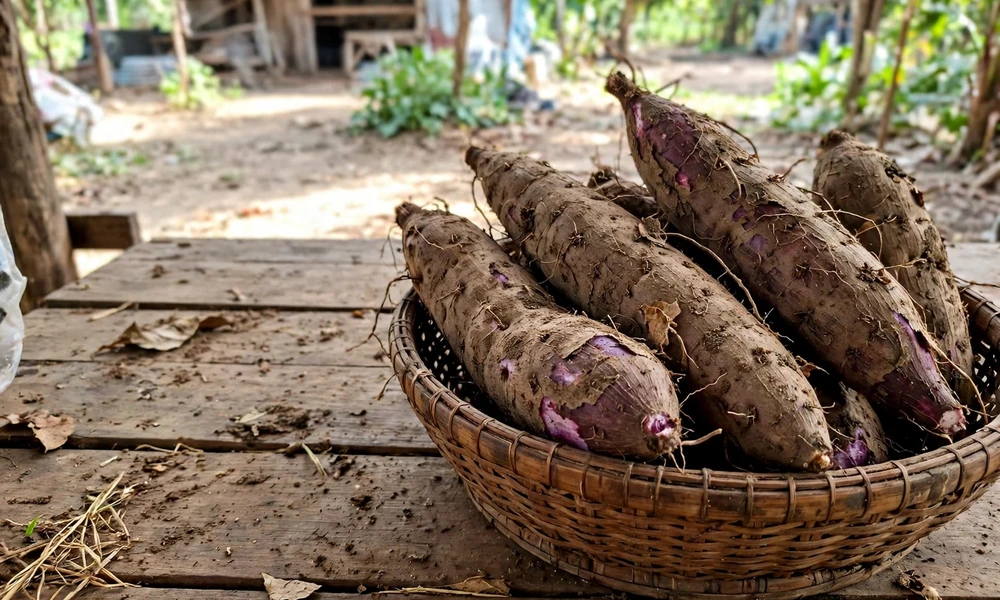
Not well. White yam is Dioscorea rotundata, a West African staple with pale flesh and a starchy, savoury character, best pounded and eaten with soup. Water yam brings the violet colour and the sweetness an ube dish needs, so the swap loses the point of the recipe. Our mashua farm escape guide covers another distinct tuber, the peppery Andean mashua, if you want to compare regions.
Is it safe to nibble a yam while I dig?
No. Treat it like a potato: peel it and cook it right through before tasting. Freshly cut flesh can sting the mouth and irritate the skin, so keep your gloves on in the field and wash your hands before you eat.
How long does a water yam farm escape take?
Two to four nights is the usual shape. Two nights gives you one digging morning and one cooking afternoon. Four nights adds a market trip, a boat ride or a slow day, depending on the region. One night is enough for a taster, but not for the full routine.
Do I need to be fit to dig water yam?
You need to be comfortable on your feet in mud for an hour or two, and able to lift a basket of tubers. The work is steady rather than heavy, the crew sets the pace, and you can stop whenever you like. Tell the farm about any knee or back trouble when you book.
Can I bring water yams home with me?
Often yes, if they are dry and well packed, and if your destination allows fresh tubers through customs. Check the rules before you buy, and ask the farm which varieties travel best. A jar of halaya is the safer souvenir if fresh tubers are restricted.
The bottom line
A water yam farm escape works best when you plan it around the harvest, stay on a farm that grows its own yams, and give yourself three nights: one to arrive, one to dig and cook, and one to eat slowly. The Philippines is the easiest first trip, Vietnam and Indonesia suit a longer food journey, and Fiji rewards those with the time to go slow. Our arracacha farm escape guide follows the same nine-step shape for a cream-yellow Andean root, if you want a second farm trip in the same style.
Book the harvest weeks, confirm the transfer, pack for mud, and go hungry. The best moment of the trip is not the photograph of the purple field. It is the afternoon you stir halaya over a low flame, taste it warm from the pan, and realise the tuber you dug that morning is now dessert.