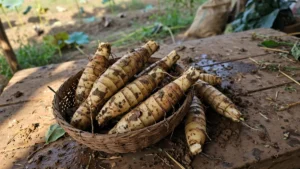
Lotus root does not look like a crop you would plan a holiday around, until you stand at the edge of a still pond at dawn and watch a farmer wade in, reach down through the mud, and pull up a long, jointed rhizome that looks like a pale, knotted rope. Slice it open and the cross-section is unmistakable: a ring of hollow chambers, neat as lacework, that no other root vegetable has. It is crisp, mild and faintly sweet, and it turns up in soups, stir-fries and salads across Asia.
A lotus root farm retreat is built around that harvest. You stay a few nights near the ponds, you walk the banks in the cool of the morning, you learn to dig without snapping the rhizome, and you spend the afternoons in a farm kitchen learning what to do with it. The best retreats are not flower-viewing trips. They are working food farms where the pond is the kitchen garden, and the day is shaped by the water, the mud, and the meal at the end of it.
Below are nine retreats worth considering in 2027, from a pond farm outside Hanoi to a quiet kitchen stay near Kyoto. Each one is described by what it offers, what to be careful about, and who will enjoy it most, so you can pick a stay that matches how you like to travel, not just a photograph of a pond.
Key takeaways
- Lotus root is the rhizome of the sacred lotus, Nelumbo nucifera, dug by hand from the mud of shallow ponds, and its sliced cross-section shows a ring of hollow chambers.
- The best retreats centre on the harvest and the kitchen, not on flower viewing, with digging in the morning and cooking in the afternoon.
- Harvest runs from late summer into autumn in temperate regions, and most of the year in the tropics, so the season depends on where you go.
- Expect pond-side rooms, muddy mornings, and simple, generous meals built around lotus root, lotus seeds and lotus leaf.
- Never eat lotus root raw, and check every sauce and marinade if you need gluten-free food, because soy sauce and thickeners are often part of the dish.
What a lotus root farm retreat actually is
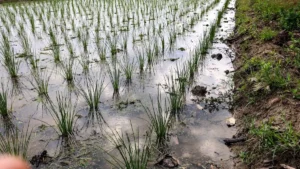
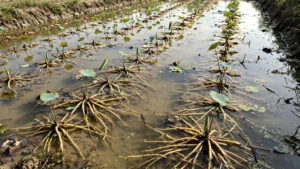
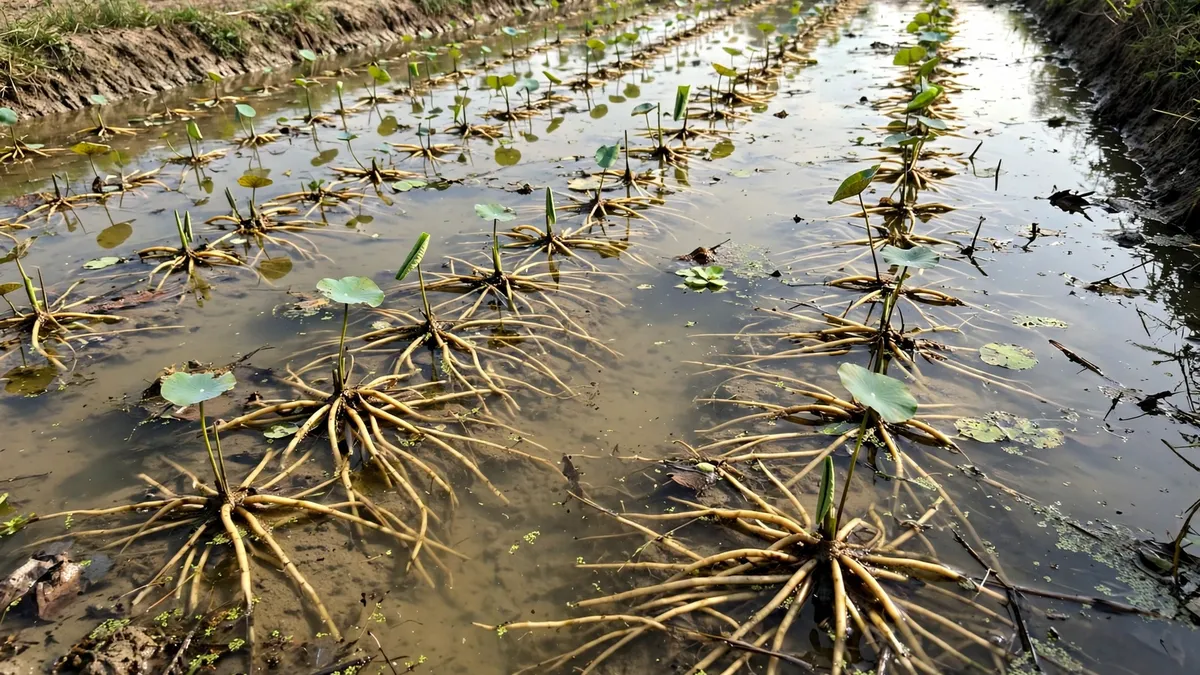
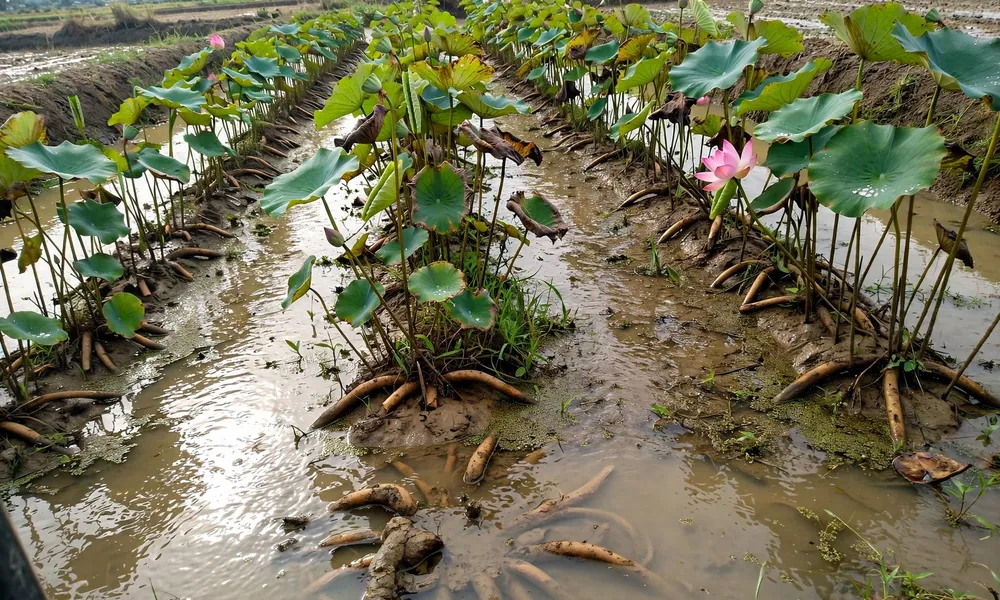
A lotus root farm is a set of shallow ponds, usually no deeper than your knees, with the rhizomes buried in the mud below. The plants look calm from the bank: broad leaves standing above the water, stems rising like green poles. Underneath, the rhizome spreads sideways in linked segments, and digging it out is slow, careful work. A farmer feels for the joints with bare hands or a blunt fork, loosens the mud around them, and lifts each segment whole, because a snapped rhizome loses its shape and much of its value.
A retreat built on that farm gives you a room near the ponds, meals cooked from what the ponds produce, and a place in the harvest. Mornings start early, before the heat, with waders and a bucket. Midday is for shade, rest and a long lunch. Afternoons are for the kitchen: peeling, slicing, and learning the dishes that suit the root best. Evenings are quiet, with tea, pond frogs, and a sky that stays open a long time after sunset.
What sets these stays apart from a flower farm is the focus. A lotus flower farm is about looking, while a lotus root farm is about digging, washing, slicing and eating, with the food on your plate as the point of the trip.
How we chose these retreats and what to look for
Look first at the pond itself. A good retreat grows its own root, in ponds you can walk beside, with a farmer who digs in front of you and explains the work. Ask how the rhizome is lifted, and whether guests actually dig or only watch, because a farm that lets you into the mud, with waders and gloves provided, is a working farm.
Look next at the kitchen. Lotus root is at its best when it is cooked the same day it is dug, and the dishes that show it off are simple ones: a clear soup, a quick stir-fry, a salad with a sharp dressing, or thin slices fried into crisps. A retreat with a real farm kitchen, a cook who knows the root, and a menu that changes with the harvest will feed you far better than a place with a fixed restaurant menu. Our guide to the best luxury arrowroot farm retreats follows the same rule, because a starch root is only as good as the kitchen that cooks it.
Finally, look at the season and the stay. In temperate places such as Kyoto and Taipei, the main digging season runs from late summer into autumn, while in the tropics digging goes on for much of the year, with the best beds in the drier months. Check the dates before you book, and choose a room with a fan or air conditioning, because pond country is warm, humid, and full of insects after dark.
The 9 best lotus root farm retreats of 2027
Hanoi Pond House, Hanoi
What we like: A small family farm on the edge of the city, with ponds you can wade in, a cook who makes a clear lotus root soup every morning, and rooms that face the water. What to consider: The farm is close to a busy road, and the mornings start early, before the heat. Best For: First-time diggers who want a short stay. Style: Family-run pond farm. Price Range: $70–$110 a night, meals included. Standout Feature: A dawn digging session followed by soup made from the same morning’s harvest.
West Lake Rhizome Stay, Hanoi
What we like: A quieter farm on the western side of the city, with long ponds, shaded banks, and a kitchen that serves lotus root salad with herbs and lime. What to consider: The rooms are simple, and the farm is a drive from the old quarter. Best For: Travellers who want calm water and long lunches. Style: Quiet lakeside farm stay. Price Range: $85–$130 a night, meals included. Standout Feature: A herb garden beside the pond, used in every salad and soup.
Mekong Lotus Fields, Ho Chi Minh City
What we like: A wide delta farm with boat trips between the ponds, a kitchen that fries lotus root into crisps, and warm weather for most of the year. What to consider: The delta is hot and humid, and the mosquitoes are serious after sunset. Best For: Warm-weather travellers who like boats and markets. Style: Delta farm with boat trips. Price Range: $75–$120 a night, meals included. Standout Feature: A boat ride through the ponds at first light, before the digging starts.
Thonburi Pond Farm, Bangkok
What we like: A farm within reach of the city, with a market nearby, a cook who stir-fries lotus root with chilli and basil, and rooms with strong fans. What to consider: The farm is popular on weekends, and the ponds can be crowded. Best For: A short city break with a farm morning. Style: Accessible farm near the city. Price Range: $80–$125 a night, meals included. Standout Feature: A morning market walk, then a stir-fry class with what you bought.
Selangor Lotus Ponds, Kuala Lumpur
What we like: A well-run farm with clear ponds, a covered kitchen, and a lotus leaf rice dish that is worth the trip on its own. What to consider: The farm is outside the city, and you need a car or a booked lift. Best For: Families who want a comfortable, organised farm day. Style: Organised farm with a covered kitchen. Price Range: $90–$140 a night, meals included. Standout Feature: Lotus leaf rice, steamed in the leaf and opened at the table.
Sentosa Pond Retreat, Singapore
What we like: A compact, polished retreat with small ponds, a chef-led kitchen, and rooms that are genuinely comfortable after a muddy morning. What to consider: The ponds are small, and the price is higher than the other stays on this list. Best For: Travellers who want comfort first and digging second. Style: Polished small retreat. Price Range: $120–$185 a night, meals included. Standout Feature: A chef-led tasting menu built around lotus root, lotus seed and lotus leaf.
Laguna Rhizome Farm, Manila
What we like: A lakeside farm with warm water, a friendly crew, and a kitchen that makes a sour lotus root soup with tamarind. What to consider: The drive from Manila can be slow, and the farm is at its best in the dry season. Best For: Travellers who like lake views and sour, bright cooking. Style: Lakeside farm stay. Price Range: $65–$105 a night, meals included. Standout Feature: A tamarind soup made with lotus root dug that morning, served by the lake.
Yilan Lotus Fields, Taipei
What we like: A cool-climate farm in the northeast, with misty mornings, a kitchen that pickles lotus root, and rooms with views across the ponds. What to consider: The digging season is shorter here, running late summer into autumn. Best For: Autumn travellers who like mist, pickles and quiet. Style: Cool-climate pond farm. Price Range: $95–$150 a night, meals included. Standout Feature: Pickled lotus root, made in the farm kitchen and served with every meal.
Kyoto Pond Kitchen, Kyoto
What we like: A refined farm stay near the city, with a chef who cooks renkon in the Japanese style, a garden pond, and rooms that are calm and beautifully kept. What to consider: The stay is small, it books out early, and the digging season is short. Best For: Travellers who want Japanese cooking and a quiet, beautiful stay. Style: Refined garden farm stay. Price Range: $110–$175 a night, meals included. Standout Feature: Renkon cooked in the Japanese style, with a garden pond you can sit beside at dusk.
Which retreat suits the way you travel
If you are new to farm stays, start with Hanoi or Bangkok. Both are easy to reach, the farms are used to beginners, and the days are short enough that a muddy morning does not wear you out. If you want comfort, compare Singapore, warmer and more polished, with Kyoto, quieter and more seasonal.
If you are travelling with family, Kuala Lumpur and Manila are the most forgiving, with organised days and shaded kitchens. If you want the most dramatic setting, the Mekong delta and Yilan are the two extremes: wide, hot water in the south, and cool, misty ponds in the north. Our guide to the best luxury yautia farm retreats makes the same point about matching the farm to the traveller.
Whatever you choose, check the season first. A pond in the wrong month is still a pond, but the digging will be thin, the kitchen will be working with stored root, and you will miss the part of the trip that matters most. Ask the farm what the beds will look like on your dates, and what the kitchen will be cooking from the fresh harvest.
The caveats that matter
Lotus root is a pond crop, and pond water is not drinking water. The root must be washed well and cooked thoroughly before eating, and raw lotus root should never be eaten, because pond water can carry parasites and bacteria that cooking removes. A good farm will wash and peel the root in front of you, and will never serve it raw. If a place offers raw slices, say no.
| Detail | What is known |
|---|---|
| What it is | The rhizome of the sacred lotus, Nelumbo nucifera, dug from pond mud |
| How it looks sliced | Pale flesh with a ring of hollow chambers, neat as lacework |
| Best season | Late summer into autumn in temperate regions; most of the year in the tropics |
| How it is eaten | Soups, stir-fries, salads, pickles and crisps, always cooked |
| What never to do | Never eat lotus root raw; pond water can carry parasites and bacteria |
| Who should take care | Anyone with a lotus or seed allergy, and anyone who needs gluten-free food |
| What to check | Ask whether the kitchen uses wheat soy sauce, thickeners or shared fryers |
| What it is not | It is not a water lily root, and it is not a flower-viewing trip |
Allergies are rare, but lotus seed and lotus leaf are sometimes served in the same meal, so tell the farm about any allergy before you arrive. Gluten is the more common problem, because the root itself is naturally gluten-free while soy sauce, thickeners and shared fryers are often part of the cooking, so ask the kitchen to confirm each dish.
Checklist: choosing a lotus root farm retreat honestly
Use these checks before you book, and again when you arrive.
- Check the pond: the farm grows its own root, in ponds you can walk beside, with a farmer who digs in front of you.
- Check the season: ask what the beds will look like on your dates, and whether the kitchen will be cooking from the fresh harvest.
- Check the kitchen: a real farm kitchen, a cook who knows the root, and a menu that changes with the harvest.
- Check the food rules: tell the farm about allergies and gluten-free needs before you arrive, and confirm each dish.
- Check the gear: waders, gloves and a bucket should be provided, and there should be somewhere warm to wash after the pond.
- Check the room: a fan or air conditioning, a mosquito net or screens, and a quiet place to rest in the heat of the day.
Frequently asked questions
When is the best time to visit a lotus root farm?
Late summer into autumn is best in temperate places such as Kyoto and Taipei, while in the tropics the best beds come in the drier months. Ask the farm about your dates before you book.
Can I eat lotus root raw?
No. Lotus root grows in pond mud and pond water, and it must be washed well and cooked thoroughly. Raw lotus root can carry parasites and bacteria that cooking removes, so never eat it raw, even if it looks clean.
Is lotus root the same as a water lily root?
No. Lotus root comes from the sacred lotus, Nelumbo nucifera. Water lilies belong to a different genus, Nymphaea, and their roots are not the same food. A good farm will grow true lotus, and the sliced rhizome with its ring of hollow chambers is the way to tell.
Is lotus root gluten-free?
The root itself is naturally gluten-free, but the dishes often are not. Soy sauce, thickeners and shared fryers are common in lotus root cooking, so ask the kitchen to confirm each dish, and tell the farm about your needs before you arrive.
How long should I stay at a lotus root farm?
Most visitors find two or three nights is plenty. One morning in the pond, one afternoon in the kitchen, and a second day to rest, eat, and walk the banks is a good shape for a first visit, while longer stays suit travellers who want to learn the cooking properly.
Do I need to be fit to dig lotus root?
You need to be comfortable standing in knee-deep water and mud, and bending to feel for the rhizome. The work is slow rather than strenuous, and the farmer does the heavy lifting. If you have a bad back or poor balance, tell the farm in advance, and ask to dig from the bank instead. Our guide to the best luxury yam farm retreats covers the same question for another root crop, because digging is the part of the trip that most people underestimate.
The bottom line
The best lotus root farm retreat in 2027 is not the one with the prettiest pond photograph. It is the one where you dig in the morning, cook in the afternoon, and eat what you dug, with a farmer who knows the ponds and a kitchen that knows the root. Hanoi and Bangkok are the easiest first visits, Singapore and Kyoto are the most comfortable, and the Mekong delta is the most dramatic.
Pick the season first, the kitchen second, and the room third. Tell the farm about allergies and gluten-free needs before you arrive, never eat the root raw, and give yourself two or three nights. That is the honest way to enjoy a crop that is dug from the mud and eaten at its best on the same day.