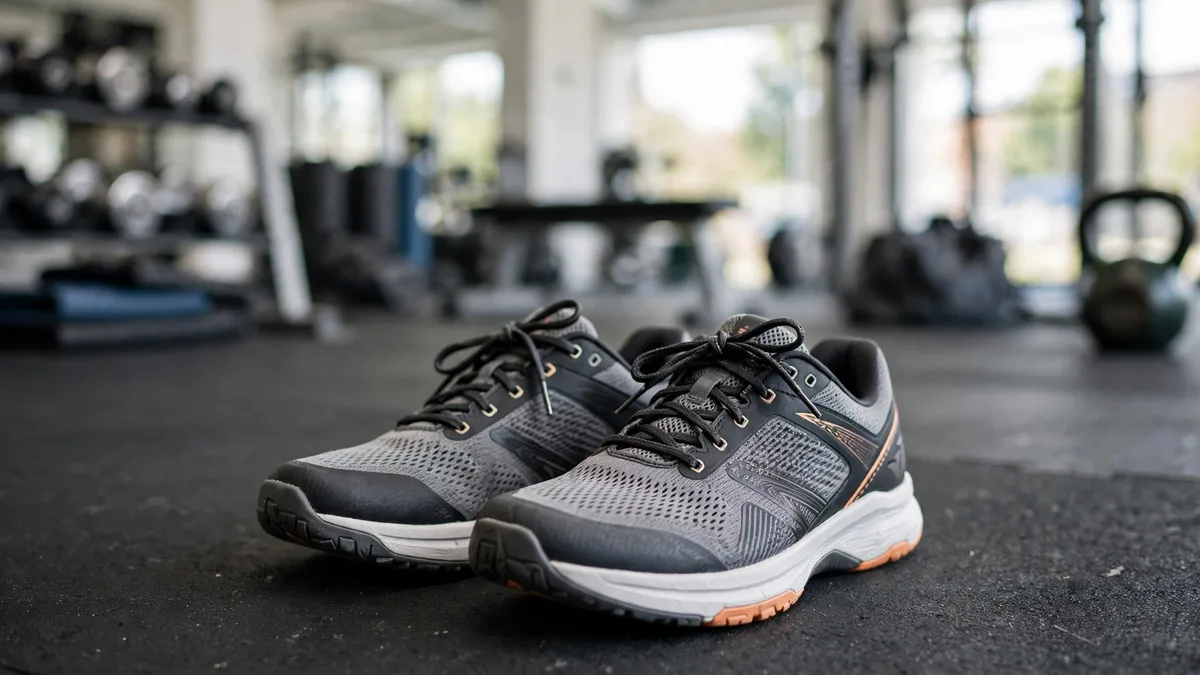
The best cross training shoes in 2027 are the Nike Metcon for heavy lifting, the Reebok Nano for all-round gym work, and the Inov-8 F-Lite for agile, fast-moving sessions. What is the best cross training shoes in 2027? The honest answer is that it depends on how you train, because a shoe built for a heavy squat feels very different from one built for box jumps and short sprints.
A good cross trainer has to do several jobs at once. It needs a stable base for lifting, enough grip for quick changes of direction, and enough cushioning to stay comfortable through a long class. This guide looks at ten strong options, explains what each one does well, and helps you match a shoe to the way you actually train.
Key takeaways
- A stable, flat heel matters most if lifting is the main part of your training.
- All-rounders suit mixed sessions, with a balance of grip, support and cushioning.
- Light, flexible shoes suit fast footwork, agility work and short runs.
- Fit matters more than branding, so try shoes on with your usual gym socks.
- Keep running shoes for running, and let a cross trainer handle the gym floor.
How to Choose Cross-Training Shoes
Start with the training you do most often. If your week is built around barbell work, look for a firm, flat heel that keeps you grounded under a heavy load. A soft, springy running shoe lets your foot wobble when the weight gets serious, and that is the last thing you want under a bar.
If your sessions mix lifting with circuits, rowing and short bursts of cardio, you need a shoe that can switch jobs. Look for a firm heel paired with a flexible forefoot, plus an outsole that grips rubber flooring and turf alike. The best all-rounders feel planted when you lift and free when you move.
Fit is where many people go wrong, and it is worth taking your time over. Your toes should be able to spread a little, your heel should stay put when you step, and there should be no pinching across the top of the foot. A shoe that feels tight in the shop rarely loosens into comfort later.
Think about the surface you train on as well. Smooth gym floors reward a grippy rubber outsole, while outdoor sessions call for deeper tread that can handle grass and damp ground. Rope climbs and wall work are kinder to shoes with a grippy, reinforced side panel.
Finally, be honest about how much running your sessions include. A cross trainer can handle short runs and warm-up jogs, but it is not a running shoe.
If you regularly run several miles, pair your gym shoe with a proper running shoe instead. Our guide to the best Brooks running shoes for 2027 is a good place to start if running is a big part of your week.
The 10 Best Cross Training Shoes in 2027
These ten picks cover the full range of gym training, from heavy lifting to fast, sweaty circuits. Each one earns its place for a different reason, so read the “Best for” line first and work from there.
1. Nike Metcon
The Metcon has been a gym favourite for years, and it earns that spot with a wide, stable heel and a tough, grippy outsole. It feels planted under a barbell, and the firm base gives you confidence when the weight climbs.
Best for: heavy lifting and structured strength sessions.
2. Reebok Nano
The Nano is the classic all-rounder, built for people whose sessions jump between lifting, jumping and short runs. It balances a stable heel with a flexible forefoot, so it never feels like it is fighting you. The cushioning is firm rather than plush, which suits fast transitions between exercises.
Best for: mixed gym sessions and group training classes.
3. Inov-8 F-Lite
The F-Lite is light, low and close to the ground, which makes it a natural fit for agile training. It grips well on rubber flooring and turf, and the flexible sole lets your foot move naturally through lunges and quick steps.
Best for: agility work, fast footwork and functional training.
4. New Balance Minimus TR
The Minimus TR takes a stripped-back approach, with a low profile and a flexible sole that encourages a natural stride. It feels light on the foot and works well for bodyweight sessions, mobility work and lighter lifting. Fans of a barefoot feel will find a lot to like here.
Best for: bodyweight training and a natural, low-profile feel.
5. Under Armour TriBase Reign
The TriBase Reign is built around a low, triangular base that spreads your weight across the foot. That design gives it a grounded feel during squats and deadlifts, while the flexible upper keeps it comfortable through circuits. It is a solid pick for lifters who also like to move.
Best for: lifters who want a grounded, stable base.
6. Puma Fuse
The Fuse is a cheerful all-rounder with a stable heel, a grippy outsole and a comfortable, roomy fit. It handles a broad mix of gym work without excelling at any one thing, and that is exactly the point.
Best for: varied weekly training and gym newcomers.
7. Adidas Dropset Trainer
The Dropset Trainer pairs a firm, flat heel with a supportive midfoot, which makes it a reliable partner for strength work. The outsole grips well on gym floors, and the fit feels secure without squeezing the toes. It is a tidy, no-fuss option for regular lifters.
Best for: steady strength training and gym-floor confidence.
8. NOBULL Trainer
The NOBULL Trainer is a tough, straightforward shoe with a firm base and a hard-wearing upper. It feels at home under a barbell and stands up to rope climbs, sled work and rough surfaces. The look is plain and unfussy, which suits people who want a shoe that simply gets on with it.
Best for: hard-wearing gym work and functional fitness.
9. Vivobarefoot Motus Strength
The Motus Strength is a wide, flexible shoe that lets your toes spread and your foot work as nature intended. It sits close to the ground, which helps balance and control during lifts, and the thin sole gives clear feedback from the floor.
Best for: barefoot-style lifting and natural foot movement.
10. ASICS Gel-Renma
The Gel-Renma rounds out the list as a comfortable, supportive trainer for longer gym sessions. It offers a little more cushioning than the firmer lifters here, which helps when a class runs long or includes plenty of cardio. The fit is reliable, and the grip holds up well on indoor floors.
Best for: long classes and cardio-heavy gym sessions.
Cross-Training Shoes at a Glance
| Shoe | Best for | Standout feature | Overall feel |
|---|---|---|---|
| Nike Metcon | Heavy lifting | Wide, stable heel | Firm and planted |
| Reebok Nano | Mixed gym sessions | Balanced all-round design | Steady and versatile |
| Inov-8 F-Lite | Agility work | Light, low profile | Close to the ground |
| New Balance Minimus TR | Bodyweight training | Flexible, natural sole | Light and free |
| Under Armour TriBase Reign | Grounded lifting | Wide triangular base | Stable and secure |
| Puma Fuse | Varied weekly training | Roomy, comfortable fit | Easy and forgiving |
| Adidas Dropset Trainer | Strength training | Firm, flat heel | Supportive and tidy |
| NOBULL Trainer | Functional fitness | Hard-wearing upper | Tough and direct |
| Vivobarefoot Motus Strength | Barefoot-style lifting | Wide toe box | Natural and grounded |
| ASICS Gel-Renma | Long gym classes | Extra cushioning | Comfortable and supportive |
What a Good Pair Feels Like in a Workout
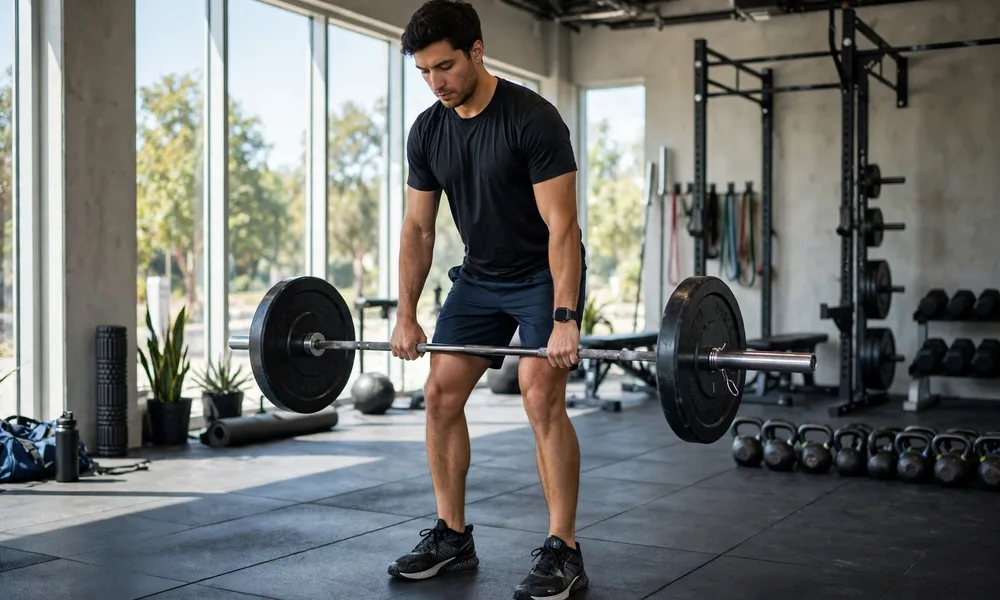
A good cross trainer should almost disappear on your foot once the session starts. When you set up for a lift, the heel should feel solid and the floor should feel close. When you switch to a circuit, the shoe should flex with your foot rather than holding it stiff.
Pay attention to how the shoe behaves during your first few sessions. Some pairs need a session or two to soften, but pain, rubbing or a heel that slips is a sign the fit is wrong.
It also helps to think about the rest of your kit. Court-based sessions put different demands on a shoe than gym work, so if you play indoor sports as well, our guide to the best basketball shoes for 2027 explains what to look for there. And for days when you want something easy to wear outside the gym, the best casual sneakers for men in 2027 covers comfortable everyday options.
Your Cross-Training Shoe Checklist
Run through this list before you buy, and you will avoid most of the common mistakes.
- Try both shoes on with your usual gym socks.
- Check your heel stays put when you step and squat.
- Make sure your toes can spread without pressing the sides.
- Look for a firm, flat heel if lifting matters to you.
- Test the grip on a smooth floor before you commit.
- Flex the shoe to check the forefoot bends where your foot does.
- Walk, lunge and squat in the shop, not just standing still.
- Keep the receipt until you have trained in them twice.
Mistakes to Avoid When Buying Cross Trainers
The most common mistake is buying a running shoe for gym work. Running shoes are built to cushion forward motion, and their soft, high heels make lifting feel wobbly. A cross trainer is built for side-to-side movement and heavy loads, so it behaves very differently under a bar.
The second mistake is choosing by looks alone. A striking colour or a brand you like is a fine bonus, but it will not save a shoe that pinches or slips. Comfort, stability and grip should decide the purchase, with style as the finishing touch.
Frequently Asked Questions
What is the best cross training shoes in 2027 for beginners?
Beginners do best with a balanced all-rounder like the Reebok Nano or the Puma Fuse. Both handle lifting, circuits and short cardio without demanding a particular style of training. Start with a versatile pair, and specialise later once you know what your training looks like.
Can I use cross-training shoes for running?
You can use them for short runs, warm-up jogs and treadmill intervals, but they are not built for distance. The firm heel and flat profile that help you lift are less comfortable over several miles. If you run regularly, keep a dedicated pair of running shoes for those sessions.
How should cross-training shoes fit?
They should fit snugly around the heel and midfoot, with a little room for your toes to spread. Your heel should not lift when you step, and the widest part of the shoe should match the widest part of your foot. Try them on in the afternoon, when your feet are slightly larger.
How long do cross-training shoes last?
Most pairs last well through a year of regular gym use, though heavy lifters and outdoor trainers may wear them out sooner. Watch the outsole tread, the heel support and the upper for signs of wear. When the grip fades or the heel starts to lean, it is time for a fresh pair.
Are flat shoes better for lifting?
Flat, firm shoes are generally better for lifting because they keep you close to the ground and stop your foot rolling. A raised, soft heel can tip you forward under a heavy load. That said, some lifters prefer a small heel lift for squats, so comfort and balance should guide your choice.
Pick the shoe that matches the training you actually do, try it on properly, and give it a couple of sessions before you judge it. The right pair will feel stable when you lift, free when you move, and comfortable enough that you stop thinking about your feet altogether. That feeling means the search is over.