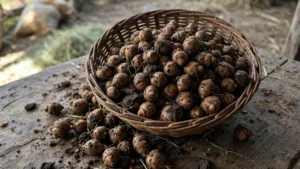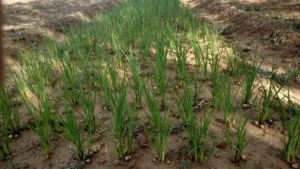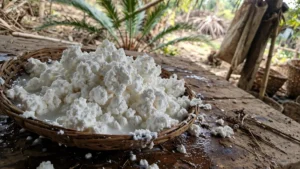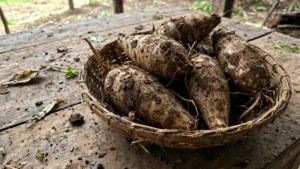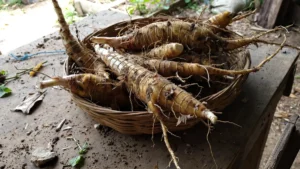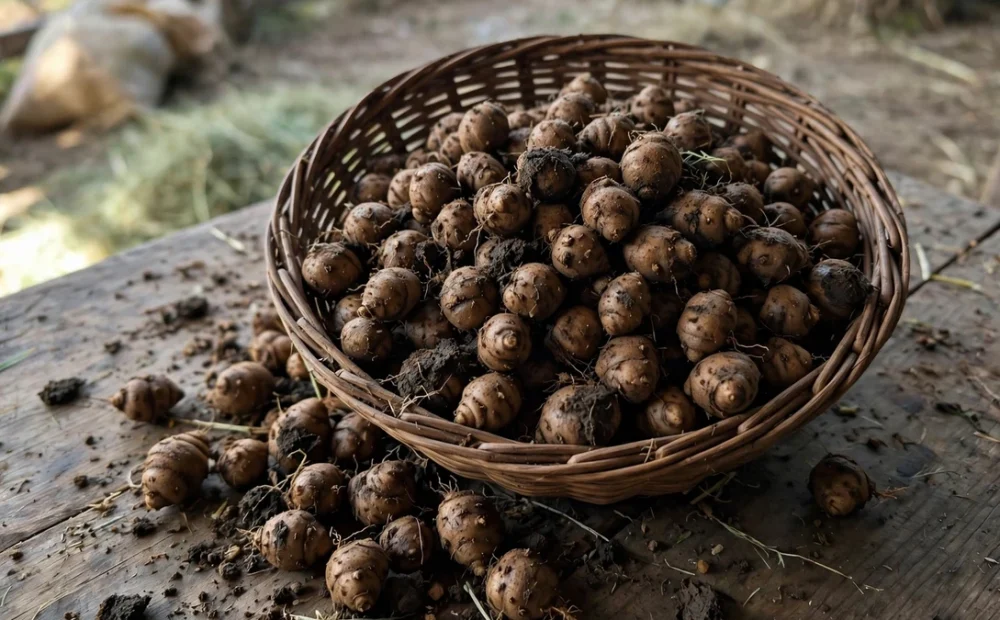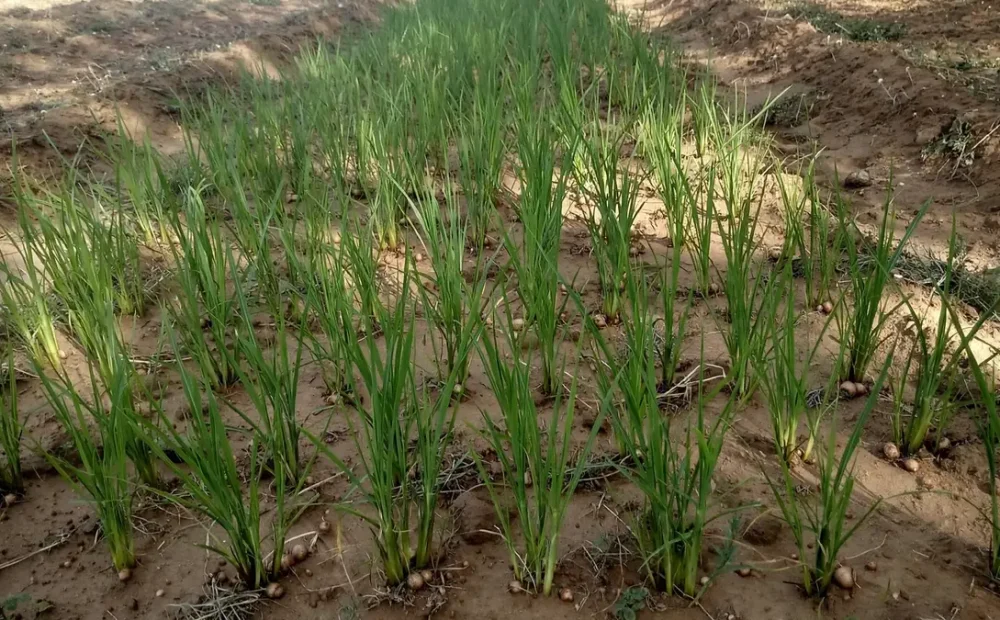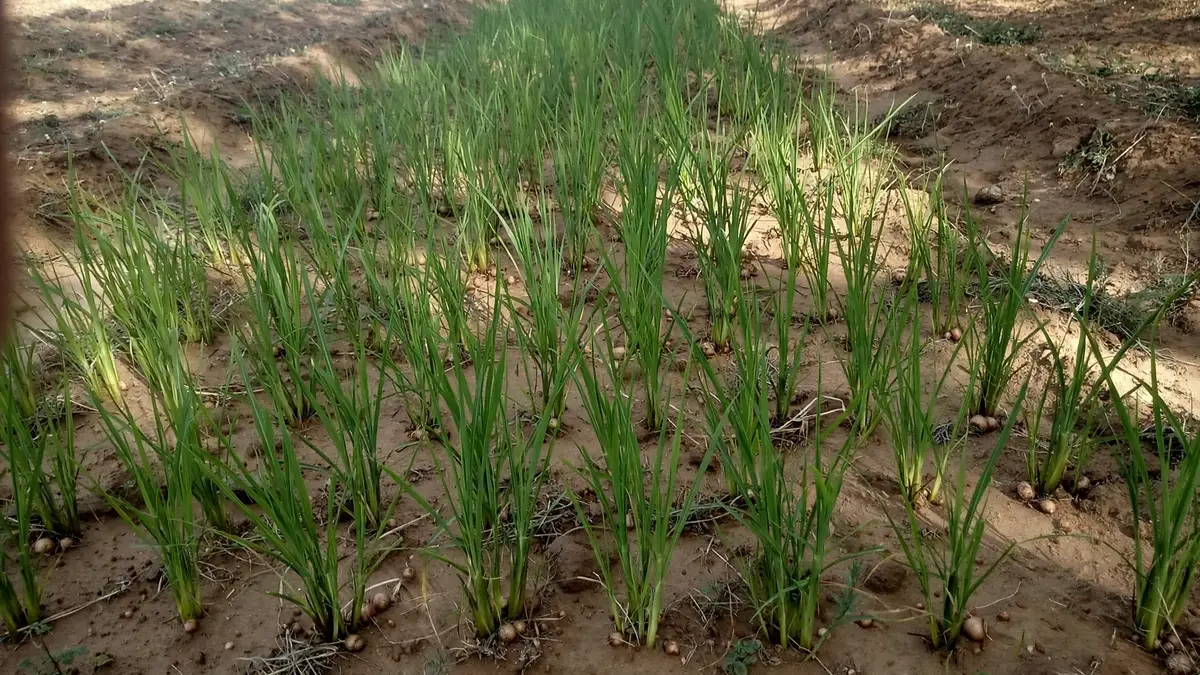
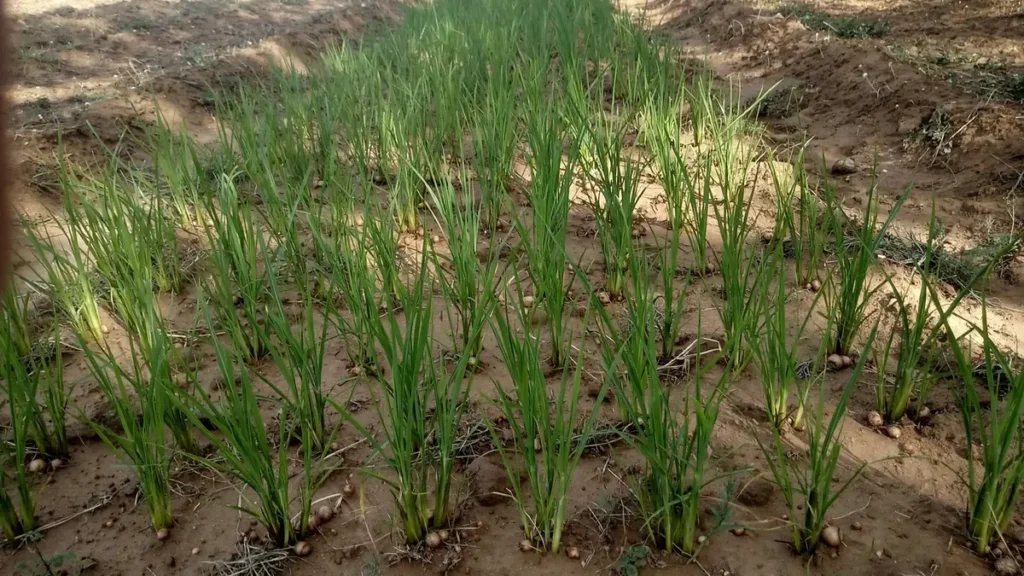
Tigernuts are not nuts at all. They are the small, wrinkled tubers of a grass-like sedge, Cyperus esculentus, dug from sandy soil, dried in the sun and eaten chewy and sweet, or pressed into the milky drink Valencia calls horchata. A tigernut farm retreat puts you in the field at harvest, when the plants are cut back, the tubers are shaken loose from the roots and the farm kitchen is already soaking the next batch for the morning’s horchata.
These stays are slower than a wine weekend and more hands-on than a spa break. Mornings start early, with a walk through the rows before the heat builds, and afternoons are for tasting: raw tubers straight from the wash, dried ones that crack between the teeth, flour ground on the farm, and horchata poured ice cold.
What follows is a practical shortlist for 2027, not a ranking of pretty views. Every stay lists what it does well, what to watch for, who it suits best, and what a night really costs.
Key takeaways
- Tigernut is a sedge tuber, not a tree nut, and its best-known form is horchata, the cold milky drink of Valencia.
- Harvest runs roughly September to October in Spain, with different windows in West Africa and Egypt.
- The best stays let guests join the morning digging and the horchata making, not just watch from a terrace.
- Raw tigernuts are hard and chewy; dried ones are usually soaked first, and horchata is often sweetened.
- Tigernuts are naturally gluten-free, but farm kitchens handle bread and flour too, so ask how meals are kept separate before you book.
What a tigernut farm retreat actually is
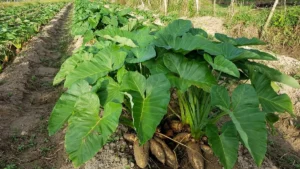
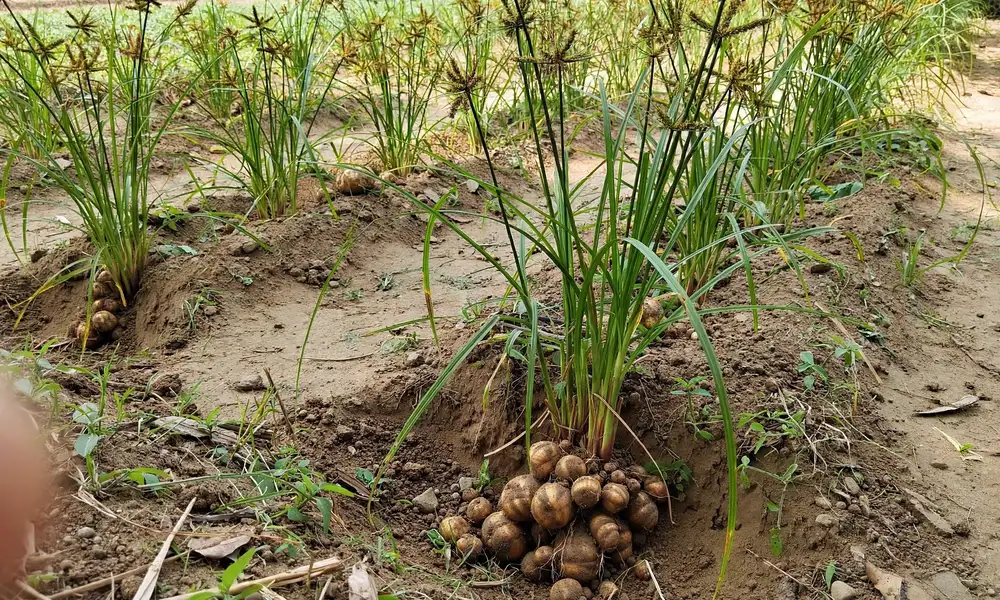
A tigernut farm retreat is a working stay on land that grows chufa, the Valencian name for the crop. The plant looks like coarse grass, waist high in summer, and the crop hides underground: small oval tubers, brown and ridged, clinging to the roots. When harvest comes the tops are cut, a digger lifts the rows, and the tubers are shaken out, washed and spread to dry. Guests who arrive in season can join that morning, which is the whole point of the trip.
The day usually runs to a simple rhythm. Digging and washing before lunch, a long midday break while the sun is high, then a tasting in the late afternoon, when the farm presses horchata or bakes with tigernut flour. Rooms are farmhouse simple rather than hotel polished, and the luxury in these stays is space, silence and a host who knows the soil.
It is a different kind of farm holiday from the fruit retreats elsewhere on this site. A kiwano farm retreat is built around a spiky orange fruit eaten with a spoon; a tigernut stay is built around a root you dig, dry and drink. Come for the field work, not for a fruit tasting, and you will get the trip the farms do best.
How we picked these stays, and what to ask first
We started with farms that still grow the crop themselves, not hotels that buy tigernuts in and call it a theme. Each stay below has working fields, a harvest guests can join, and a kitchen that serves the tuber in more than one form. We checked that rooms are on the farm or a short walk away, that the hosts answer messages in plain language, and that prices quoted are for the room and the farm activities together, not for the room alone with everything else added on.
Before you book, ask three questions in your first message. First, is the digging morning open to guests on your dates, and what time does it start. Second, how are gluten-free meals handled in the kitchen, since bread and flour are part of most farm tables. Third, what is included in the nightly rate, and what costs extra, such as the horchata workshop or a guided field walk. The answers tell you more about a farm than any photograph.
The 9 best luxury tigernut farm retreats of 2027
Valencia, Spain — Tigernuts in the huerta where horchata began
This is the home ground of the crop, in the irrigated huerta north of the city, where small plots have grown chufa for centuries and horchata bars line the old roads. The farmhouse sits between two fields, with a shaded porch for the afternoon tasting and a drying yard where the tubers spread out in the sun.
What We Like: The harvest is genuine and the horchata is pressed on the farm the same day. What to Consider: The huerta is flat and open, so summer afternoons are hot and the shade is limited. Best For: First-time visitors who want the classic Valencian story. Style: Whitewashed farmhouse around a courtyard of painted tiles. Price Range: $150–$240 per night. Standout Feature: A horchata pressing you join from the soaking tub to the first cold glass.
Alicante, Spain — Tigernuts under the dry southern sun
South of Valencia the fields get drier and the light gets harder, and this Alicante farm grows its tigernuts on sandy ground that drains fast after watering. The stay is a converted farmhouse with thick walls and a pool shaded by a fig tree, and the host is a third-generation grower who talks about water the way other hosts talk about wine.
What We Like: Sandy soil makes the digging easy and the tubers come out clean. What to Consider: The farm is a drive from the coast, so a car helps. Best For: Travellers who want quiet fields and a slower pace. Style: Rustic farmhouse with a shaded pool terrace. Price Range: $120–$200 per night. Standout Feature: A drying loft where you can see the whole harvest laid out in rows.
Murcia, Spain — Tigernuts on the edge of the orchards
Murcia grows almost everything, and this farm keeps a tigernut field at the edge of its citrus orchards, so a single walk takes you from orange trees to sedge rows. The rooms are in a low white house with a lemon tree in the courtyard, and breakfast includes tigernut milk with the local bread.
What We Like: Small digging groups and a kitchen that uses the tuber at breakfast. What to Consider: The tigernut field is smaller than the orchards, so the harvest morning is shorter. Best For: Couples who want a farm stay with orchard walks as well. Style: Low white farmhouse with a citrus courtyard. Price Range: $110–$185 per night. Standout Feature: Breakfast tigernut milk served with bread baked on the farm.
Seville, Spain — Tigernuts in the Guadalquivir valley
This Seville farm sits on the flat valley floor, where the river keeps the soil damp and the summers run long. Tigernuts here are grown in rotation with vegetables, and the stay pairs the harvest with a vegetable garden tour and a cooking afternoon.
What We Like: The cooking afternoon turns the tuber into flour, milk and a baked dessert. What to Consider: Valley heat in August is serious, so aim for September. Best For: Food lovers who want to cook with the crop. Style: Old cortijo with a deep shaded porch. Price Range: $130–$215 per night. Standout Feature: A tigernut flour baking session in the farm kitchen.
Lagos, Nigeria — Tigernuts from the southern farmlands
West Africa grows tigernuts in quantity, and this Lagos farm works fields outside the city where the tubers are dug, washed in big basins and sold fresh in the markets. The stay is simpler than the Spanish ones, with plain rooms and a shared veranda, but the harvest is on a bigger scale and the tasting is street food as much as farm food.
What We Like: A big, busy harvest and the freshest tubers you will taste anywhere. What to Consider: Rooms are plain and the city is a drive away, so set expectations. Best For: Travellers who want the West African side of the crop. Style: Simple farmhouse with a wide shared veranda. Price Range: $70–$120 per night. Standout Feature: A market morning where the farm’s tubers are sold alongside the growers.
Accra, Ghana — Tigernuts and the coastal markets
Ghana’s tigernuts are known locally as atadwe, and this Accra farm grows them on red soil a short drive from the coast. The stay combines a field morning with a market afternoon, where the tubers are sold in heaps beside groundnuts and dried fish.
What We Like: Roasted tigernuts at the farm table and a market trip that shows the crop’s real trade. What to Consider: The coastal humidity is heavy in the rainy season, so check the dates. Best For: Visitors who want the market as much as the field. Style: Family farmhouse with a shaded eating area. Price Range: $75–$125 per night. Standout Feature: A roasting session where fresh tubers turn sweet and nutty over the coals.
Cairo, Egypt — Tigernuts along the Nile delta
Egypt has grown tigernuts since ancient times, and this delta farm works dark, rich soil a short drive from Cairo. The tubers here are small and very sweet, and the farm dries them on raised racks where the breeze does the work.
What We Like: Very sweet small tubers and a mill visit that shows where the flour goes. What to Consider: The delta is humid and the mosquitoes are active at dusk, so bring repellent. Best For: History-minded travellers who want the ancient crop. Style: Garden house with a walled courtyard. Price Range: $85–$150 per night. Standout Feature: A flour mill visit where dried tigernuts become bakery flour.
Khartoum, Sudan — Tigernuts from the dry northern fields
Khartoum’s tigernuts grow in dry, sandy fields that need careful watering, and this farm has been doing it for generations. The stay is a low mud-brick house with a courtyard and a well, and the harvest is done early, before the heat, with the tubers washed in the shade.
What We Like: A genuinely old farming tradition and a very slow, quiet stay. What to Consider: The location is remote and the heat is intense, so plan transport carefully. Best For: Experienced travellers who want the far edge of the crop. Style: Low mud-brick house with a shaded courtyard. Price Range: $65–$110 per night. Standout Feature: A hand-pounded tigernut milk made the way the family has always made it.
Marrakech, Morocco — Tigernuts at the edge of the Atlas foothills
Morocco’s tigernuts grow in the irrigated plains around Marrakech, and this farm sits where the fields meet the foothills, with the Atlas visible on clear mornings. The stay is a small riad-style house with a garden, and the harvest is paired with a souk visit where the tubers are sold in the spice stalls.
What We Like: Mountain views in the morning and a souk trip that shows the tuber in trade. What to Consider: The farm is outside the city, so evenings are quiet and transport matters. Best For: Travellers pairing a farm stay with Marrakech itself. Style: Small riad-style house with a walled garden. Price Range: $95–$170 per night. Standout Feature: Tigernut milk served with mint tea in the garden at dusk.
Which tigernut region fits your trip
Spain is the easy first choice, and Valencia is the reason: the horchata tradition is strongest there, the farms are used to guests, and the harvest calendar is reliable. Alicante and Murcia suit travellers who want the same crop with fewer visitors and a lower price, while Seville adds a cooking angle that the others do not. If you have a week, pair Valencia with one of the southern farms and you will see how much the same plant changes with soil and water.
West Africa and Egypt reward travellers who want the crop as food rather than as a drink. Lagos and Accra show tigernuts sold fresh in markets, eaten raw and roasted, while the Cairo delta shows the flour trade. Khartoum and Marrakech are for the second trip, when you already know the plant and want the harder, quieter end of its range. A babaco farm retreat makes a good contrast if you want a fruit stay after a root stay, since the mountain papaya is picked from a tree rather than dug from the ground.
The caveats that matter
Tigernuts are straightforward food, but a farm stay still needs a clear head about the practical parts. The table below covers the points that come up most often.
| Detail | What is known |
|---|---|
| What tigernut is | A small tuber of the sedge Cyperus esculentus, not a tree nut, despite the name. |
| Raw tubers | Hard and chewy when raw; dried tubers are usually soaked before eating. |
| Horchata sweetness | The Valencian drink is usually sweetened, so ask how much sugar is added. |
| Harvest timing | September to October in Spain; West African and Egyptian harvests fall at different times. |
| Field conditions | Valencia’s huerta is irrigated, so evenings can bring mosquitoes in summer. |
| Tigernut milk storage | Fresh horchata spoils quickly and should be drunk the same day it is pressed. |
| Allergy note | Tree-nut allergy is a different thing, but anyone with a food allergy should check with a clinician first. |
| Gluten in the kitchen | Tigernuts are gluten-free, but farm kitchens also handle bread and flour, so ask how meals are kept separate. |
Checklist: booking a tigernut farm stay honestly
- Confirm the digging morning is open to guests on your dates, and what time it starts.
- Ask how the kitchen keeps gluten-free meals separate from bread and flour.
- Pack closed shoes for the field and a hat for the midday sun.
- Check whether the horchata workshop and field walk are included in the nightly rate.
- Arrange transport before you arrive, since most farms sit outside the nearest town.
- Bring cash for the farm shop, where flour, dried tubers and bottled milk are often sold.
Frequently asked questions
When do tigernut fields get harvested?
In Spain the main harvest falls in September and October, when the plants are cut back and the tubers are dug, washed and dried. West African and Egyptian farms harvest at different times of year, so ask the farm for its own window rather than assuming the Spanish dates apply everywhere.
What does a tigernut taste like?
Sweet and nutty, with a chewy texture when raw and a softer bite when soaked. Dried tigernuts taste closer to a sweet almond, and the milk pressed from them is creamy with a faint earthy note. Roasting brings out the sweetness further.
Can guests dig tigernuts on the farm?
Yes, on the stays listed here, provided you arrive during harvest and the farm has a digging morning scheduled. You will be shown how to lift the rows and shake the tubers free, and you should expect muddy hands and a short lesson in telling a ripe tuber from an unripe one.
Is tigernut milk the same as horchata?
Mostly, yes. Horchata de chufa is the Valencian drink made by soaking tigernuts, grinding them with water and straining the milk, usually with sugar added. Other regions make a similar milk with less sugar or none.
Which tigernut farm suits a first visit?
Valencia, because the horchata tradition is strongest there, the farms are used to guests, and the harvest calendar is reliable. If you want a quieter first stay at a lower price, Alicante gives you the same crop with fewer visitors.
How do guests who avoid gluten check meals are safe on a tigernut farm?
Ask the farm in your first message how gluten-free meals are prepared and whether bread and flour are kept apart from the tigernut dishes. A farm that can describe its own kitchen routine in plain words is the one to trust, and you should repeat the question when you arrive.
For a different kind of root stay, a yacon farm retreat trades the small sweet tuber for a crisp Andean one eaten raw, with syrup pressed from the same crop.
The bottom line
Tigernut farm retreats are best for travellers who like slow mornings, muddy hands and a drink with a real history behind it. Valencia is the natural first stop, with the horchata pressing as the centrepiece, while Lagos, Accra and Cairo show the crop as everyday food. Book for the harvest window, ask about the kitchen before you pay, and pick the region that matches how much quiet you want.
The crop itself is the reward: small, sweet and unshowy, dug from sandy soil and turned into milk in an afternoon. A farm that lets you join the digging and the pressing is worth more than a prettier room, so choose the stay by what it lets you do, not by what it looks like in photographs.