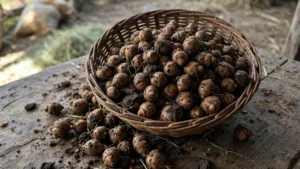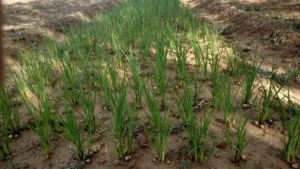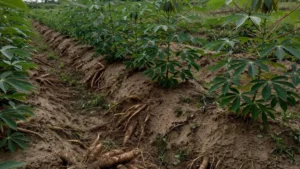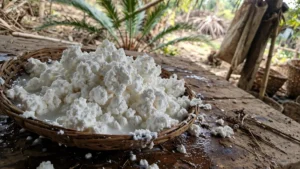
Planning a sago farm escape is different from planning an ordinary holiday, because the trip is built around a harvest that runs in the dry months and a landscape that sits in hot, wet lowland. Get the timing right and you will watch a palm being felled in the morning and eat papeda made from it that evening. Get it wrong and you will arrive in the wet season, when the tracks are flooded, the washing has paused, and the farm is serving stored pearls in a beautiful place, which is pleasant, but not the trip you pictured.
The reassuring part is that the planning stays simple. There are no tickets to queue for and no permits to sort out. The work is choosing the right river basin, booking the dry months, warning the kitchen about what you cannot eat, and packing for heat and mud rather than for cold. Do those four things and the rest of the trip largely looks after itself.
This guide walks through the nine steps in order, from picking your dates to buying pearls to take home. It is written for a first visit, and it assumes you have never been to a sago grove and never tasted papeda. If you have, the same steps still apply, and you will simply move through them faster.
Key takeaways
- Book the dry-season weeks first. Across Indonesia and Malaysia the good months run roughly May to October, and the best farms fill early.
- Choose the river basin before the farm. Flooding, heat and remoteness vary more between basins than between farms in the same basin.
- Plan a night in the nearest city before the farm. The heat and the humidity hit hardest on day one, and a slow start helps more than any remedy.
- Warn the kitchen about gluten in writing before you book. Sago has no gluten, but farm kitchens serve noodles, bread and soy sauce every day.
- Sago is a cooked food. The starch is washed from the pith and cooked into pearls, porridge or pancakes, never eaten raw from the trunk.
What a sago farm escape involves
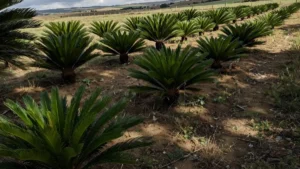
A sago farm escape is a short stay, usually three to five nights, on a working lowland farm. You sleep in a stilt house or a riverside lodge, eat at the family table, and spend your days in the groves and the kitchen. The farm tends stands of sago palm in freshwater swamp, and your visit follows that work: felling and rasping in the morning, washing and cooking in the afternoon, papeda and fish soup in the evening.
The days are physical but not demanding. Washing sago means kneading rasped pith in a trough, squeezing the milky water through cloth, and watching the starch settle, white and clean, at the bottom of the basin. It is satisfying work, and you set your own pace.
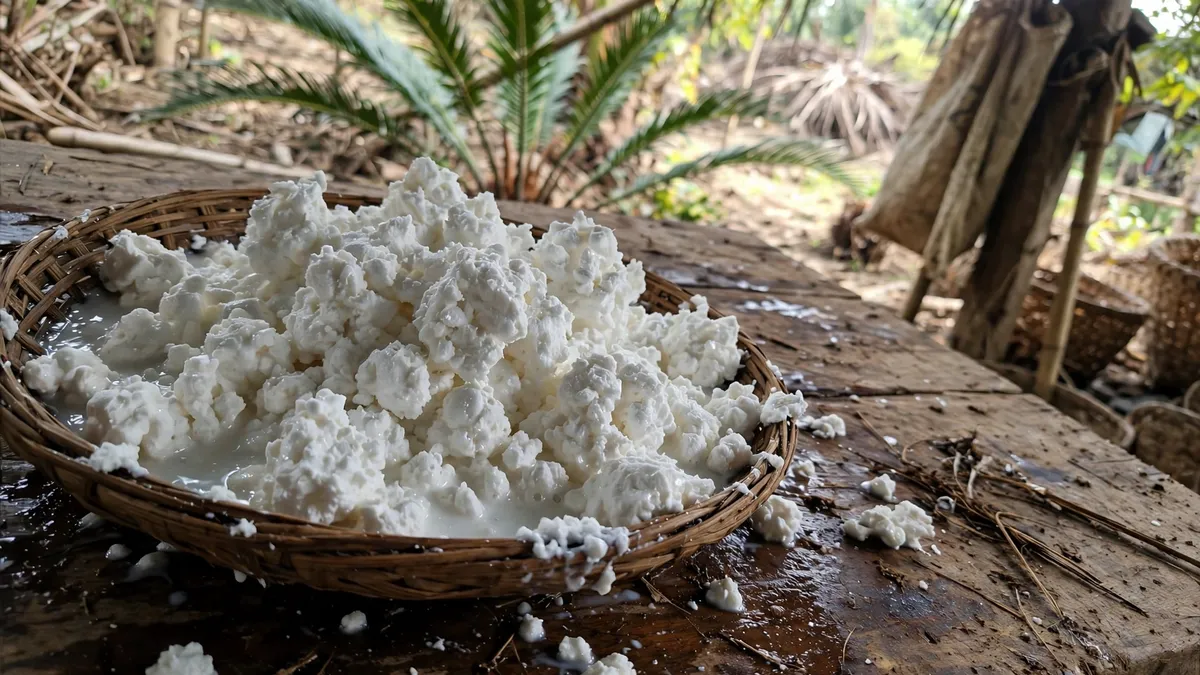
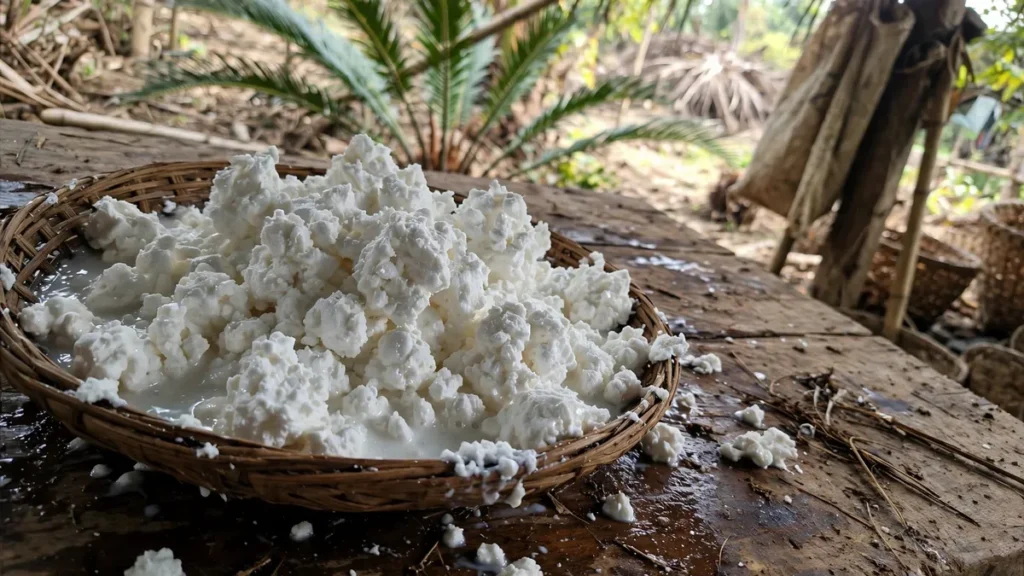
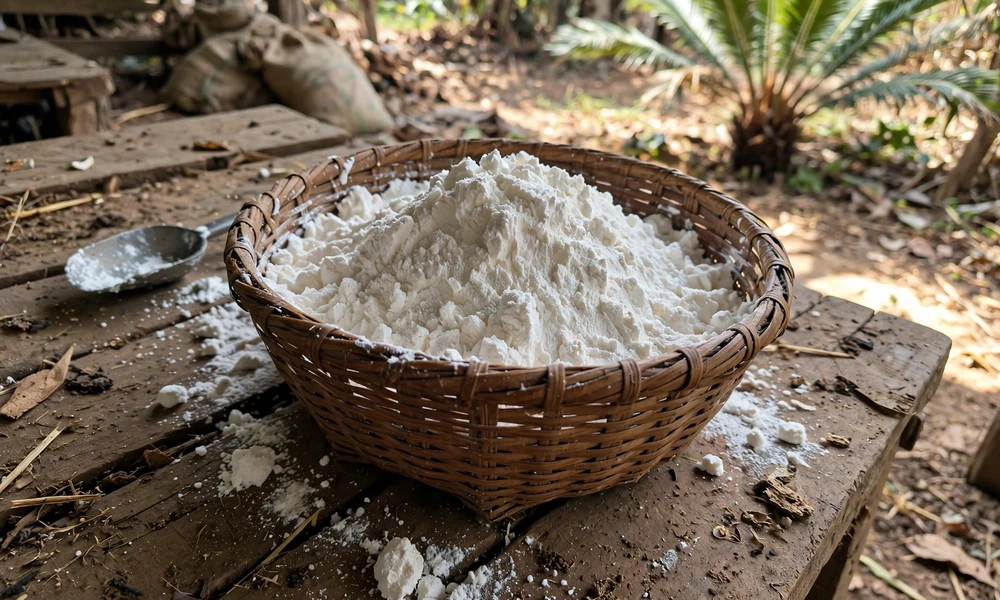
What you are really booking is a whole way of eating. Papeda cooked an hour after the washing tastes different from anything you will find in a city, smooth, glossy and mild, in a broth that has been on the fire all morning. The farm stay is the only way to taste it like that, because the fresh starch does not travel well and the dish does not survive a restaurant kitchen.
How to plan it, and what to ask first
Open with the harvest months, and let the map wait. The dry season is the trip, so your first message to any farm should ask which months the felling and washing run and whether those weeks are still free. If the farm replies with a date range and a price, you have found the right place. If it replies with a brochure and no dates, keep looking.
Your second question is about water. Ask how high the rooms sit above the flood line and whether the tracks are passable in your month. A farm on a low riverbank needs a different plan from one on higher ground, and a good host will tell you so. Your third question is for the kitchen. Tell them in writing what you cannot eat, and ask how they cope with it. Our guide to planning an oca farm escape opens with the same three questions, because a farm stay built around one crop always turns on the same things.
The 9 steps to plan a sago farm escape
1. Book the dry-season weeks before you book anything else
What to do: Write to the farm and ask for the exact months of felling and washing, then hold those dates before you book flights or hotels. What to avoid: Do not book flights first and hope the dry season fits around them. Best for: Anyone travelling from May to October. Time needed: One afternoon of messages. Standout tip: Ask whether the farm staggers its felling, because a staggered harvest stretches the washing by several weeks.
2. Choose the river basin that suits your comfort with heat and rain
What to do: Compare basins by flooding, heat and distance from town, then choose the one that fits how you handle tropical weather. What to avoid: Do not choose the most remote grove because the photos look dramatic. Best for: First-time lowland travellers. Time needed: An evening of reading. Standout tip: The Papuan groves are the most authentic and the wettest, while the Malaysian stays are the easiest to reach, so the gap between them is the whole range of the trip.
Jayapura and Manokwari are the deep, genuine groves, with vast stands and daily papeda. Kuala Lumpur and Kuching are gentler, with good roads or river boats and towns nearby. Pontianak is the best for understanding the mill, and Singapore is the quickest introduction. If you have never spent days in tropical heat, start with an easier basin and save Papua for a second trip.
3. Spend a night in the nearest city before you head for the groves
What to do: Book one night in the nearest city, arrive, drink water, eat lightly, and sleep. What to avoid: Do not drive straight from the airport to the farm and start washing the same day. Best for: Everyone, and especially anyone flying in from a cool climate. Time needed: One extra night. Standout tip: A slow first morning in the city, with a short walk and a long lunch, does more than any heat remedy.
4. Ask for a room above the flood line, not the cheapest one
What to do: Ask which rooms sit highest above the river and book one of them, because the lower rooms flood first and stay damp longest. What to avoid: Do not take the cheapest room without asking where it sits. Best for: Travellers visiting near the edge of the dry season. Time needed: One message. Standout tip: A room on stilts above the washing area stays driest, because the air moves under it and the floor never sits in standing water.
5. Tell the kitchen about gluten in your very first message
What to do: Write, in the first message, that you cannot eat gluten and ask how the kitchen handles it. What to avoid: Do not raise it for the first time at the dinner table. Best for: Guests who cannot eat gluten or wheat. Time needed: Five minutes. Standout tip: Ask specifically whether soups are seasoned with soy sauce, because that is where wheat hides in lowland cooking.
6. Taste sago three ways on your first day
What to do: Ask the cook to serve sago as papeda, as pearls in a dessert, and as a pancake on the first day, so you learn the flavours at once. What to avoid: Do not judge the starch from one dish, because the texture changes completely between them. Best for: Food lovers tasting sago for the first time. Time needed: One meal. Standout tip: The pearls and the porridge taste nothing alike, so try both side by side before you decide what you like.
7. Watch a trunk being felled and washed, even if only for an hour
What to do: Go out with the family at first light, take a basket, and watch the felling and the first wash. What to avoid: Do not sleep through the harvest and turn up for lunch. Best for: Anyone who wants to understand how the farm works. Time needed: One morning. Standout tip: Ask to knead the pith yourself, because that is how the family grades the starch and it teaches you the crop fast.
8. Buy pearls and starch from the farm shop on the morning you leave
What to do: Wait until departure morning to buy pearls, dried starch and palm sugar, so they travel fresh. What to avoid: Do not buy on the first day and carry them around all week. Best for: Travellers who want to cook sago at home. Time needed: Half an hour. Standout tip: Ask the farm to pack the pearls in paper, not plastic, because they keep better and breathe on the journey.
9. Learn how the farm re-plants the grove before you go home
What to do: On your last afternoon, ask the family to show you the young suckers and explain how the grove is renewed. What to avoid: Do not leave without understanding the cycle, because the re-planting is half the story. Best for: Curious travellers and keen gardeners. Time needed: Half an hour. Standout tip: A sago palm is felled only when a sucker is already growing beside it, and that is what keeps a grove alive for generations.
Picking the right season and region
May to October is the main season across Indonesia and Malaysia, when the tracks are passable and the washing runs every day. November to March is the wet season, when the rivers rise, the tracks flood, and several farms close their lower rooms. The palms themselves can be felled all year, but the trip is far better in the dry months, and the farms are at their best then.
Region follows season. If you can only travel in April or November, choose a farm on higher ground, such as the Medan stay, where flooding is less of a problem. If you are travelling in June or July, the whole map is open, and Jayapura or Kuching are the easiest choices. If you want the mill, go to Pontianak in the dry months, when the mill runs every day and the groves are at their busiest.
A slow reply does not make a farm a bad one, but a reply that names dates shows the season is organised, and that is the farm to book. Our guide to planning a mashua farm escape makes the same point about booking the crop weeks before the flights, and it matters just as much in the lowlands.
The caveats that matter
The main risks on a sago farm escape are heat, flooding and the short season. Flooding catches travellers who book the wet months and forget that a stilt house on a low riverbank is wet at the ground floor. And the season is short, so a trip in the wrong month will still be beautiful, but it will not be a harvest trip.
| Detail | What is known |
|---|---|
| Best months | May to October, the dry season, across Indonesia and Malaysia |
| Trip length | Three to five nights on the farm, plus a night in the city first |
| Heat and flooding | Hot lowland year-round; wet season floods tracks and lower rooms |
| How sago is eaten | Cooked as pearls, porridge or pancakes, never raw from the trunk |
| What to pack | Light clothes, rubber boots, sun protection, insect repellent, cash |
| Gluten note | Tell the kitchen in writing before booking; soy sauce may contain wheat |
| Getting there | Roads and rivers can flood after rain; arrange a driver or boat from town |
| Booking lead time | Two to three months ahead for June and July dry-season weeks |
Money and health are straightforward. Bring cash, because card machines seldom work on the farm, and bring any medicine you need, because the nearest pharmacy is in town, not at the farm. That is not a formality in heat and humidity.
Checklist: before you book a sago farm escape
Run through this list before you pay, and again a week before you travel.
- Confirm the harvest months in writing and ask what the kitchen serves after them.
- Book a night in the nearest city before the farm, and keep the first day slow.
- Send the kitchen a written warning about gluten and any other food you cannot eat.
- Pack light clothes, rubber boots, sun protection, insect repellent and sturdy shoes for the groves.
- Arrange a driver or boat from town and ask about the track after rain.
- Bring cash for the farm shop, tips and anything the farm does not include.
Frequently asked questions
How many nights does a sago escape need?
Three to five nights on the farm is right for most people, plus one night in the city beforehand to adjust to the heat. Three nights gives you two full days of washing and cooking. Five nights lets you settle in, try the different dishes properly, and take a slow day if the heat is bothering you.
How do I get to the farm if I do not drive?
No. Most farms arrange a driver or a boat from the nearest town, and that is the sensible option, because the tracks are unpaved and the drivers know them. Ask the farm to arrange it when you book, and confirm the price in writing, because transport booked at the last minute costs more.
Can children come on a sago farm escape?
Older children, usually over eight, enjoy it a lot, especially the washing troughs and the cooking. Very young children struggle with the heat and the wet ground, so most farms suggest waiting until they are older. Keep the first day slow whatever their age, and check with the farm, because the flooding risk varies between stays.
What should I pack for a sago farm?
Light clothes for the heat, rubber boots for the groves, sun protection for the days, insect repellent for the evenings, a water bottle, and cash. The farms provide bedding and towels, but a hairdryer or a laundry service is not always available, so pack accordingly and keep it simple.
What makes sago different from tapioca in the kitchen?
They come from different plants and behave differently when cooked. Tapioca is starch from the cassava root, Manihot esculenta. Sago is starch from the trunk of the sago palm, Metroxylon sagu, washed from the pith and cooked into pearls or porridge. Sago pearls are softer and glossier than tapioca pearls, and papeda has no equivalent in cassava cooking. They are grown in different places and eaten in different dishes, but they are not the same crop.
Can I buy sago pearls to take home?
Yes, most farms sell pearls and dried starch from the shop, and they keep for weeks in a cool, dry place. Buy on the morning you leave, ask for paper wrapping rather than plastic, and cook them within a few weeks of getting home. Check your destination’s customs rules before you buy, because some countries restrict plant products.
The bottom line
A sago farm escape works when the timing, the basin and the kitchen are all right. Book the dry-season weeks first, choose a basin you can handle in the heat, spend a night in the city before you go down to the groves, and warn the kitchen about gluten in writing. Do those four things and the rest of the trip, the felling, the washing, the papeda by the river, takes care of itself.
Go in June or July if you can, give yourself five nights, and leave the last morning for the farm shop. You will come home with a bag of pearls, a recipe or two, and a much clearer idea of how the lowlands feed themselves. That is a good return on a short trip, and it is why these small farms are worth the planning. Our guide to planning an ulluco farm escape follows the same nine-step shape for another little-known staple crop, if you want to plan a second farm trip after this one.