
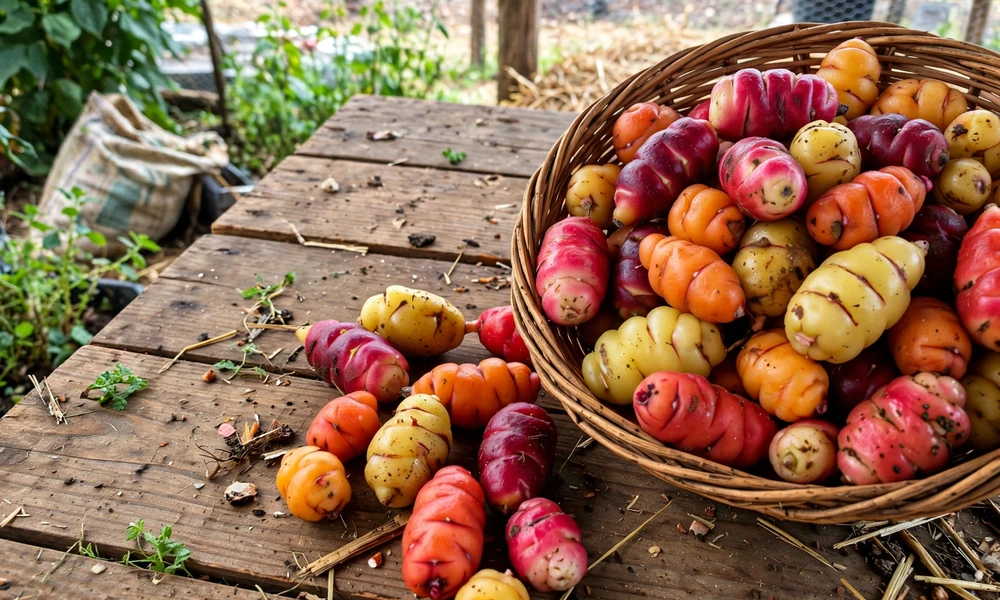
Planning an oca farm escape is different from planning an ordinary holiday, because the tuber sets the calendar. Oca is Oxalis tuberosa, a colourful Andean tuber that is dug in the autumn, roughly April to June, after the first frosts, and then spread in the high sun for days until the tang softens into sweetness. Book around that window and you will see the whole process; book outside it and you will see quiet terraces and a curing yard with nothing in it.
The second thing to understand is altitude. Oca farms sit on terraces at three thousand metres and above, an hour or more from the nearest town, up roads that climb steeply and turn rough in the rain. That height is part of the appeal, but it means the trip needs more planning than a city break: a car and driver arranged in advance, a rest day before you walk the terraces, and a realistic sense of how slowly you will move on the first day.
This guide walks through the nine steps that make the difference, from choosing the digging weeks to carrying tubers home. Follow them in order and you will arrive at a farm that expects you, eat well, and leave with a clear sense of how the tuber goes from terrace to basket to pot.
Key takeaways
- Oca is Oxalis tuberosa, a colourful Andean tuber, and the digging season runs through the autumn, roughly April to June.
- Choose the digging weeks first, then the farm, then the flights, because the tubers ripen on their own schedule and do not wait for a cheap fare.
- Book a car and a local driver before you travel, since most farms sit high above the nearest town on rough mountain roads.
- Ask for the price in writing, with the walk, the digging, the meals and the transfers named separately.
- Put the wheat and gluten warning in your first message, since highland kitchens bake bread with wheat flour every morning and need a few days to arrange a separate menu.
What an oca farm escape actually involves
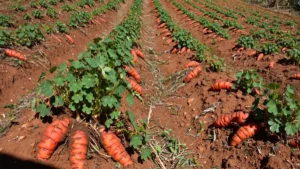
An oca farm escape is a short stay on a working terraced farm in the high Andes, built around the dig of a colourful tuber that most travellers have never tasted. The days are simple: a slow morning walk up the terraces, time in the rows lifting tubers by hand, and meals at a long table where the oca appears boiled, roasted and folded into soup.
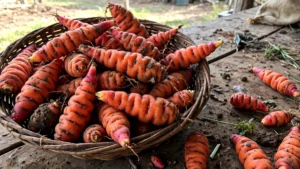
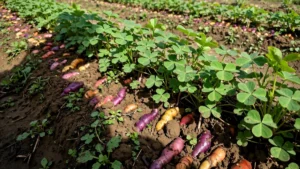
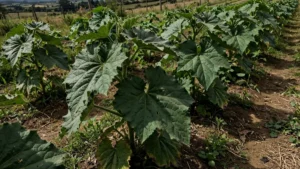
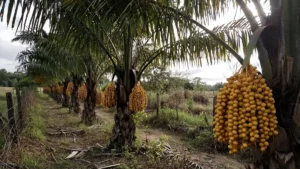
The tuber shapes everything about the stay. Oca grows in neat rows on narrow stone terraces, and the harvest crew lifts it with spades while guests watch from the row beside them. The tubers are sorted by colour into baskets, spread in the sun to cure, and cooked the same day, and the soup is tangy and earthy in a way no potato soup is. It is a different world from the lowland fruit farms: tucumã, for instance, grows on Amazon palms and comes to the table as a dense orange pulp, while oca grows in cold mountain soil and arrives as a small, bright tuber in a basket.
Expect the pace to be set by the altitude and the weather, not by you. A cold morning can delay the dig, a sharp wind can shorten a walk, and the best farms will tell you that before you arrive. That honesty is a good sign. A farm that promises a fixed schedule regardless of frost or rain is a farm that has not thought hard enough about what it is selling.
How to plan the escape and what to look for
Start with the digging calendar, not the flight calendar. Write to two or three farms and ask when their dig peaks, how long the curing takes, and what happens if the frosts come late. Book the farm that answers with dates instead of general reassurance. Then look at how the farm handles guests: small walking groups, a guide who works the terraces, rooms with a warm bed and a working bathroom, and a kitchen that cooks from the farm.
Look next at the journey itself. The macaúba farms of the cerrado face the same problem, and our guide to planning a macaúba farm escape covers the same ground: arrange the car and driver before you travel, confirm the price for the round trip, and build in a buffer for weather. Finally, check the farm’s messages. A farm that answers within a day, states its prices plainly, and asks about your diet before you ask about theirs is a farm that takes guests seriously.
The 9 steps to plan your oca farm escape
1. Plan around the digging season, not the airfare
Write to the farms first and ask for their digging dates, then plan your travel around the answer. The tubers are ready roughly April to June, but the peak moves by a few weeks from farm to farm and from year to year, and a trip booked for the wrong month will find quiet terraces and an empty curing yard.
Ask for the dates in writing and ask what happens if the frosts come late. A farm that offers a window and a plan for a late frost is being straight with you; one that guarantees a single week whatever the weather is not.
2. Choose a farm that digs by hand and cures in the sun
The dig is the heart of the visit, so choose a farm that lifts its own oca by hand and spreads it in the sun to cure. Ask whether the crew digs daily during the season, whether guests can join the rows, and whether the tubers you taste come from that day’s dig.
A farm that buys its tubers elsewhere or digs only for show is selling a photograph, not a harvest. The difference is obvious the moment you ask a detailed question about curing or storage and watch whether the answer comes from experience or from a script.
3. Fix the road and the driver before you book your room
Most oca farms sit an hour or more above the nearest town, up steep tracks that turn rough in the rain. Arrange the car and a local driver before you travel, agree the round-trip price in advance, and check that the driver knows the farm by name rather than by a map pin.
Do not rely on a rental car unless you have driven high mountain tracks before. A local driver knows which stretches wash out, which bends hold ice in the morning, and which shortcuts are worth taking, and that knowledge is worth more than the saving.
4. Put the wheat and gluten question first, before dates
Highland kitchens bake bread with wheat flour every morning, and they need time to prepare a separate menu. Put the wheat and gluten note in your first message, ahead of any talk of dates or prices, and ask what the kitchen can serve in place of bread, cake and pasta.
A farm that replies with a plan and names the substitute dishes has done this before. One that answers with a vague assurance will need reminding at every meal, which is a poor way to spend a holiday.
5. Stay the night on the farm, not down in the town
Staying on the farm changes the whole trip. You wake to the terraces, you eat breakfast with the digging crew’s schedule in mind, and you are there when the spades start rather than arriving halfway through. A room in town means a long climb in the dark and a day that starts late.
Ask about the room before you book: a warm bed, thick blankets, a bathroom that works in the cold, and shade in the afternoon. If the farm cannot describe the room in plain terms, it is likely simpler than you want.
6. Join the cook at the morning market on your first day
If the farm offers a market visit, take it on your first morning. You will see what the region grows alongside the oca, you will meet the people who supply the kitchen, and you will understand the food on your plate for the rest of the stay.
Buy a little fruit at the stall for the walk back, even if you only buy it for the colour. Spending a few coins with the people who feed the kitchen changes the stay from a tour into a visit, and the cooks remember who makes the effort.
7. Taste the tubers fresh, cured and roasted side by side
Do not settle for a single tasting. Ask to try the fresh tuber in the morning, the sun-cured tuber at lunch, and the roasted tuber at supper. Each one shows a different side of the crop: the fresh tuber is sharp and lemony, the cured tuber is gently sweet, and the roasted tuber is soft and earthy.
Taste a little of each, in that order, and jot down what you notice. The differences between farms are real, and your notes will tell you more about which tubers to carry home than any label will.
8. Buy your tubers on the morning you leave
Wait until your last morning to buy tubers and other products to take home. By then you will know which farm’s tubers you prefer, which ones are properly cured, and how much you can carry without bruising anything in your bag.
Ask the farm to pack the tubers for travel, in a sturdy sack with the softest ones on top. Bruised tubers spoil fast, and a few minutes of packing at the farm saves a ruined suitcase.
9. Watch one whole dig, from first spade to sorted basket
On your last full day, ask to watch a complete dig from the first spade to the sorting of the baskets. The whole cycle takes a few hours, and watching it end to end is what turns a pleasant stay into a real understanding of the crop.
Write the method down while you watch: how the spade goes in, how the clusters are lifted, how the tubers are sorted by colour, and how long the curing takes. Those notes are the most useful thing you will bring home, and they will outlast the tubers themselves.
Matching the trip to you
If you are short on time, choose a farm close to a city, such as the one outside La Paz, and plan a two-night stay around a single dig day. You will see the harvest, taste the tubers in three forms, and be back in the city without a long climb. If you have a week, choose a quieter farm further out, such as the one near Ayacucho, and let the days stretch.
For food lovers, the farms that cook their whole menu around the tuber are the right choice, and the tucumã farms of the Amazon offer a useful comparison if you want to see how a different crop shapes a different kitchen. Our guide to planning a tucumã farm escape covers the same questions for a lowland palm fruit. For travellers who want to understand the curing itself, choose a farm with a long curing yard and a host willing to talk through the process in detail.
Whatever you choose, match the farm to your dates and your appetite for altitude. The autumn dig is the richest time to go, but the nights are at their coldest; the months before the dig are easier to travel in, but the tubers are still in the ground. A farm that is upfront about that is a farm you can rely on.
The caveats that matter
Oca carries oxalic acid, which is what makes the fresh tuber tangy, and anyone with kidney stones or an oxalate-sensitive condition should ask a clinician before eating much of it. The tubers are cooked, not eaten raw in quantity, and the sun-curing softens the tang, but a first tasting should still be small if your stomach is sensitive. Altitude is the other real factor: the terraces sit at three thousand metres and above, so arrive a day early, drink plenty of water, and rest before you walk the rows.
| Detail | What is known |
|---|---|
| Best season | The autumn dig, roughly April to June, when the first frosts have settled the crop |
| How long to stay | Two nights for a first visit, four or five for a full harvest stay |
| Getting there | Arrange a car and a local driver in advance; most farms are an hour or more above town |
| What to pack | Closed shoes, warm layers, a hat, repellent, sunscreen and a notebook for the dig |
| What to taste | Fresh, sun-cured and roasted tubers, in small amounts and in that order |
| Buying tubers to take home | Buy on your last morning, ask for cured tubers packed for travel |
| Who should ask first | Anyone with kidney stones or oxalate concerns, and anyone avoiding wheat or gluten |
| What it does not do | It is not a spa retreat, and the dig sets the schedule, not the guest |
If you are pregnant, breastfeeding, or managing a health condition, tell the farm before you book rather than at the table. The buriti farms of the Amazon work the same way, and our guide to planning a buriti farm escape shows how another remote fruit farm handles guest diets and rough roads.
Checklist: planning your oca farm escape honestly
Run through these before you book, and once more the week before you travel.
- Check the digging dates in writing, and ask what happens if the frosts come late.
- Check the dig: confirm it is done by hand and guests can join the rows.
- Check the car and driver: agree the round-trip price before you travel.
- Check the room: ask for a warm bed, thick blankets and a bathroom that works in the cold.
- Check the food: send the wheat and gluten note with your first message, and ask what the kitchen can offer in its place.
- Check the packing: ask the farm to pack the tubers in a sturdy sack on your last morning.
Frequently asked questions
How many nights does an oca escape need?
Two nights is enough for a first visit, with one full dig day and one morning in the terraces. Four or five nights is better if you want to see the harvest across several days and taste the tubers at more than one stage of curing.
How do I reach an oca farm from the nearest town?
By road, with a car and a local driver arranged in advance. The farms sit an hour or more above town on steep tracks, so confirm the price for the round trip before you travel and build in a buffer for weather.
Can children join the dig?
Usually yes, provided they can walk in closed shoes and stay beside the guide. The spades are sharp and the terraces are steep, so young children stay near the sorting baskets while the adults work the rows.
What should you pack for an oca farm stay?
Closed shoes, warm layers, a hat, repellent, sunscreen and a notebook. Pack light and leave room for the tubers you will carry home on your last morning.
What sets oca apart from potato?
Potato comes from Solanum tuberosum, a nightshade, and is cooked straight from the ground. Oca comes from Oxalis tuberosa, a wood sorrel, and is tangy when fresh and sweetened by days in the sun.
Can I take oca tubers home with me?
Yes. Most farms sell cured tubers by the sack and some sell them by colour. Buy on your last morning, check that they are properly cured, and ask the farm to pack them for travel.
The bottom line
The best oca farm escape in 2027 is not the most expensive or the most remote. It is the trip timed to the dig, booked with a farm that lifts its own tubers by hand, and planned around a car and driver you arranged in advance. Fix the digging weeks first, send the wheat note early, and let the farm set the pace once you arrive.
Do that, and you will come home with a clear sense of how a tuber most travellers have never heard of goes from a cold stone terrace high in the Andes to a basket of bright colours on your shelf. That is the whole point of the trip, and it rewards careful planning.