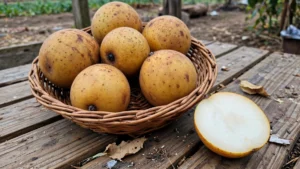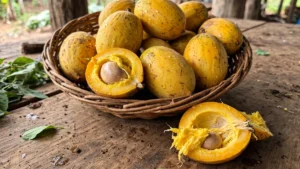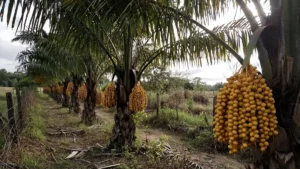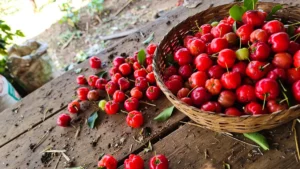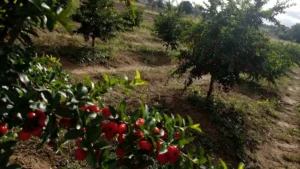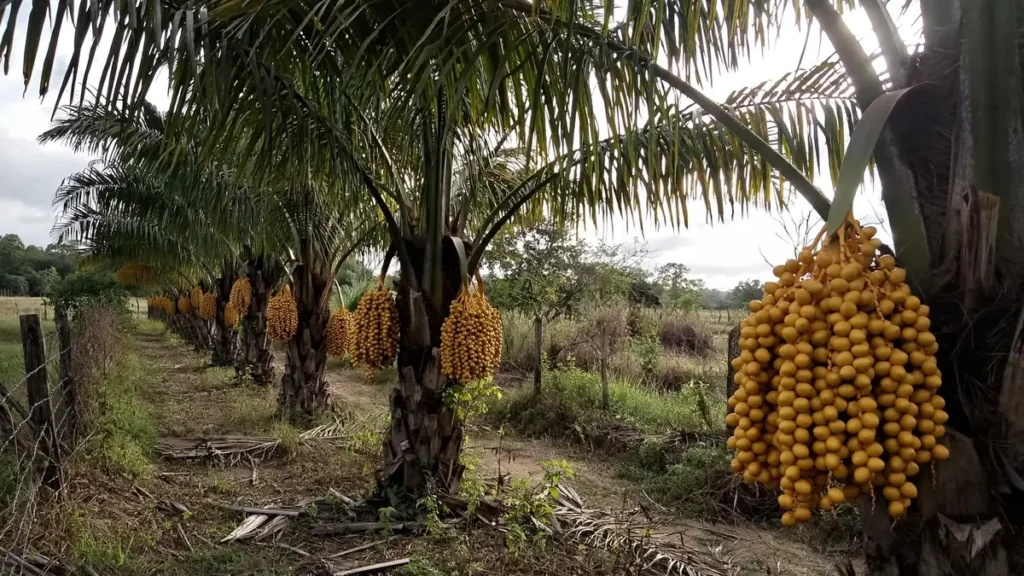
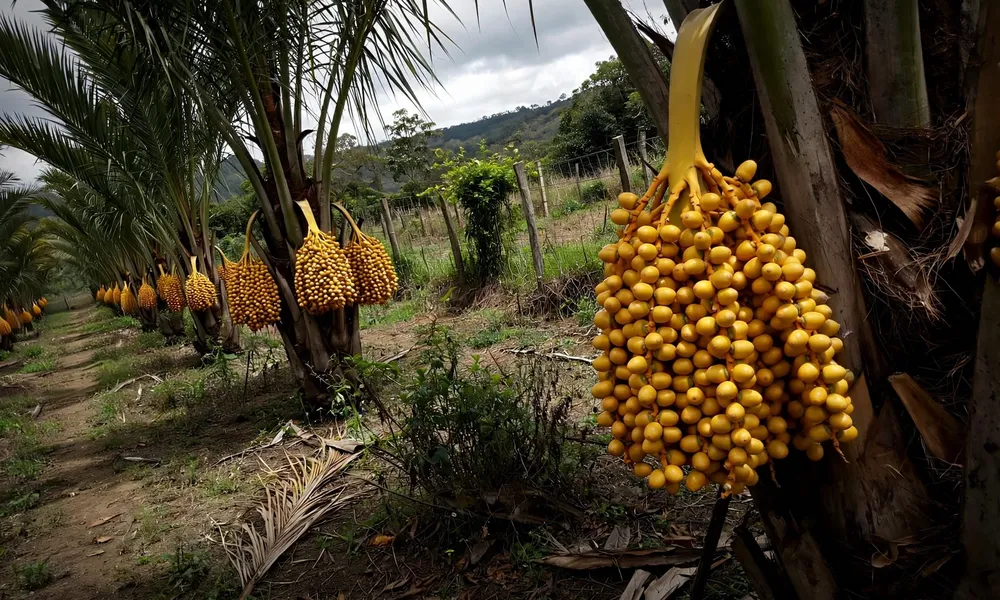
Inajá is one of the Amazon’s quieter palms, and that is exactly why a farm built around it feels different from the better-known fruit retreats. Attalea maripa grows tall and straight, with long arching leaves and heavy bunches of yellow fruit that ripen through the wet months. The pulp is eaten fresh, soft and mildly sweet, and the same fruit is pressed for a golden oil that local kitchens use for cooking and that small workshops turn into soap and skin care. A stay on an inajá farm puts you close to that whole chain, from the grove to the press to the table.
These retreats are working farms first and guesthouses second. You will walk the rows at dawn, watch fruit being cut down and sorted, and eat lunch cooked over wood with oil pressed that same week. Rooms tend to be simple and cool, with hammocks on the veranda and early nights. Nobody is selling a spa menu here. The luxury is space, quiet, and a host who knows every palm on the property by its age and yield.
Nine stays made the cut for 2027, spread across Pará, Amapá, Roraima, Rondônia, Acre and Tocantins. The list below weighs the setting, the food, the walks, and the honesty of the price, so you can pick the farm that fits the trip you actually want.
Key takeaways
- Inajá is Attalea maripa, a tall Amazon palm whose yellow fruit is eaten fresh and pressed for oil.
- The best visits fall in the wet months, when the bunches ripen and the pressing sheds are busy.
- Small farms beat big lodges here: the best stays host a handful of guests and let you join the work.
- Ask what the price covers before you book, because transfers, meals and guided walks are often priced separately.
- Wheat flour is a staple in farm kitchens, so tell the host about any gluten-free need in your first message, before you arrive.
What an inajá farm retreat actually is
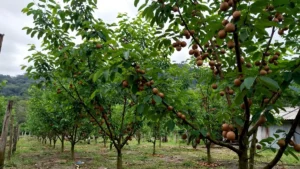
An inajá farm is a grove of tall palms, usually mixed with a few other fruit trees and a vegetable patch, run by a family or a small crew. The palms fruit in big hanging bunches, and the harvest is done by hand, with long poles and a keen eye for colour: the fruit turns from green to a warm yellow when it is ready. A retreat adds guest rooms, a shared table, and a host who walks you through the grove.
The day runs on farm time. Mornings start early, with a walk through the rows while the air is still cool, then breakfast with fresh fruit, tapioca and coffee. Midday is for the pressing shed, where fruit is cleaned, pulped and pressed, and for a long lunch under a roof of palm thatch. Afternoons are slower: a river swim, a hammock, or a short trail to a creek.
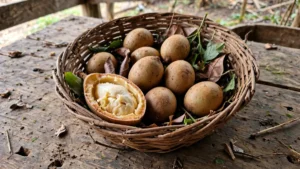
What sets inajá apart from its better-known cousins is worth knowing before you go. Macaúba, the spiny cerrado palm, gives a smooth yellow-orange fruit and a golden oil of its own, and the best luxury macaúba farm retreats sit in drier country, with a different rhythm and a different kitchen. Buriti is the scaly reddish-brown fruit of the wetlands, famous for its orange flesh, while inajá is a forest palm of the floodplain and terra firme, with a milder pulp and an oil that tastes softer and more neutral.
How we chose these retreats and what to look for
We looked for farms where inajá is genuinely grown and used, not just named on a sign. That means palms in bearing, a pressing shed that runs during your stay, and meals that use the fruit and the oil. We also weighed the room, the table, and the walk: a good retreat has a clean, cool place to sleep, food cooked from the farm’s own produce, and a guide who can tell you what you are looking at.
Price was judged on what is actually included. A stay that looks cheap can turn expensive once transfers, meals and guided walks are added, so the ranges below are for the room and the farm programme as listed, and the notes say where a boat or a 4×4 is extra. We also favoured farms that answer messages promptly and that put their prices in writing before you pay anything.
Two other fruit farms are useful points of comparison while you weigh your options. The best luxury tucumã farm retreats are built around a spiny-trunked palm with dense orange pulp, and the pace there is livelier, with more emphasis on sandwiches and street-style eating. The best luxury buriti farm retreats sit in wetter country, where the scaly fruit is the star and the swimming is better. Inajá sits between them: quieter than tucumã, drier underfoot than buriti, and the most restful of the three.
The 9 best luxury inajá farm retreats of 2027
Belém — River Gate Inajá Farm
What we like: A short boat ride from Belém, with a grove that runs right down to the water and a pressing shed you can watch from the breakfast table. What to consider: The river is loud at night, and the rooms are plain, with fans rather than air conditioning. Best For: First-time visitors who want the Amazon without a long journey. Style: Riverside family farm. Price Range: $95–$150 a night. Standout Feature: The dawn boat trip to the floating market.
Breakfast here is the best part of the day: fresh inajá pulp with tapioca, eggs from the farm’s own hens, and coffee strong enough to wake the whole table. The host, a former river trader, knows the tides and the fruit in equal measure, and the walk he leads through the grove is unhurried and full of small observations about which palms fruit first after the rains.
Manaus — Forest Edge Inajá Stay
What we like: Deep forest on three sides, a well-kept trail system, and a cook who uses inajá oil in nearly every dish. What to consider: It is a two-hour drive from Manaus, and the last stretch is rough dirt road. Best For: Travellers who want forest walks and long, quiet afternoons. Style: Forest lodge with a farm heart. Price Range: $130–$195 a night. Standout Feature: The canopy walkway above the grove.
The guided walk is the reason to come: two hours through the grove and the neighbouring forest, ending at a creek where you can swim while the guide cuts fresh fruit for a snack.
Santarém — Bluff Above the Tapajós
What we like: A bluff above the Tapajós river, white-sand beaches nearby, and a grove that catches the afternoon breeze. What to consider: The beach is a boat ride away, not a walk, and the farm books out early in the dry season. Best For: Couples who want river swimming as well as farm life. Style: Hilltop farmhouse. Price Range: $120–$180 a night. Standout Feature: Sunset from the bluff above the river.
The food leans on river fish and inajá oil, and the cook’s grilled tambaqui with a drizzle of the farm’s own oil is worth the trip alone.
Macapá — Equator Line Inajá Farm
What we like: A working farm on the equator, with a small oil workshop and a grove that fruits generously. What to consider: Macapá is a long way from anywhere, and flights are limited. Best For: Collectors and cooks who want to see oil made from start to finish. Style: Working farm with guest rooms. Price Range: $85–$140 a night. Standout Feature: The hands-on oil-pressing session.
This is the most practical farm on the list, and the least polished, which is part of its charm. You will get your hands dirty in the pressing shed, learn to judge ripeness by touch, and leave with a bottle of oil pressed while you watched. The rooms are clean and simple, and the food is honest farm cooking.
Boa Vista — Tall Palms Against a Wide Sky
What we like: Open savanna light, a grove that stands out against the grassland, and big skies at dusk. What to consider: The dry season is hot and dusty, and the farm is a long drive from town. Best For: Photographers and travellers who like wide, open landscapes. Style: Savanna ranch house. Price Range: $100–$160 a night. Standout Feature: The golden-hour walk through the grove.
The contrast here is the draw: tall palms rising out of open grassland, with the fruit glowing yellow against the green. The host runs cattle as well as palms, and the evenings are spent around a fire, talking about rain, roads and the year the grove was planted.
Porto Velho — Riverside Palms and a Slow Current
What we like: A large grove on the Madeira river, a good swimming spot, and a host family that cooks generously. What to consider: The river rises fast in the wet season, and some trails close. Best For: Families who want space, water and a relaxed schedule. Style: Riverside farmhouse. Price Range: $110–$170 a night. Standout Feature: The river beach at low water.
Children do well here, with room to run, a safe swimming spot, and a host who lets them help with the harvest. The meals are big and unpretentious, with fresh fruit at every sitting and inajá oil in the rice, the beans and the fried fish.
Rio Branco — Hillside Palms and Mixed Orchards
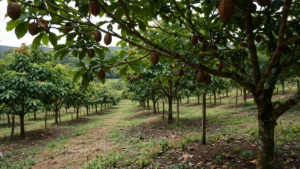
What we like: Rolling hills, a cool breeze, and a grove mixed with cacao and cupuaçu. What to consider: The hills make for steep walks, and the farm is best reached by 4×4. Best For: Walkers who want varied terrain and mixed orchards. Style: Hillside farm lodge. Price Range: $125–$185 a night. Standout Feature: The mixed-orchard tasting walk.
The tasting walk is the highlight: inajá, cacao, cupuaçu and a few fruits you will not have met before, all in one slow loop.
Palmas — Cerrado Border Inajá Farm
What we like: Where the Amazon meets the cerrado, with a grove that fruits early and a lake nearby. What to consider: The lake is a short drive, not a walk, and the dry season can be very hot. Best For: Travellers combining farm time with lake swimming. Style: Lakeside farmhouse. Price Range: $105–$165 a night. Standout Feature: The early-season fruit, weeks ahead of the northern groves.
Because the farm sits on the edge of two landscapes, the fruit ripens earlier here than further north, which makes it a good first stop in the season. The rooms face the grove, the breakfasts are generous, and the host will happily lend you a bicycle for the lake road.
Araguaína — Where the Young Grove Meets the Road
What we like: A quiet farm with a young grove, a warm welcome, and some of the lowest prices on this list. What to consider: The grove is young, so the harvest is smaller, and the farm is still finding its feet as a guesthouse. Best For: Budget travellers and anyone who likes a farm still growing into itself. Style: Young family farm. Price Range: $80–$130 a night. Standout Feature: The planting walk, where you can put a seedling in the ground yourself.
There is something appealing about a farm that is still being built, and the family here is open about it. The rooms are new and clean, the food is simple and plentiful, and the planting walk lets you leave something behind that will fruit long after your visit.
Which inajá retreat suits you
If this is your first Amazon farm stay, start with Belém or Santarém: easy to reach, gentle on the schedule, and full of the things that make the region memorable. If you want forest and quiet, Manaus and Rio Branco are the deeper choices, with longer walks and more time under the canopy. If you are here for the oil and the craft, Macapá is the one farm where you will truly get your hands in the press.
Budget travellers should look at Araguaína and Macapá, where the prices are honest and the welcome is warm. Photographers will get the most from Boa Vista and its open light, while families will find Porto Velho the easiest, with space and water and a host who is used to children. Whichever you choose, book direct, confirm what is included in writing, and tell the farm about dietary needs in your first message.
The caveats that matter
Inajá farm stays are rewarding, but they are not polished resorts, and a few honest warnings will save you disappointment. Roads can close after heavy rain, rivers rise and fall fast, and a farm that promised a pressing session may have to delay it if the fruit is not ready. Ask about the harvest before you book, check the road, and keep your plans flexible by a day on either side.
| Detail | What is known |
|---|---|
| Scientific name | Attalea maripa, also called Maximiliana maripa |
| Fruit | Yellow oval fruit in large bunches, pulp eaten fresh |
| Oil | Pressed from the fruit and kernel, used in cooking and skin care |
| Best season | Wet months, when bunches ripen and pressing sheds run |
| Where it grows | Amazon floodplain and terra firme, from Pará to Acre |
| Not the same as | Macaúba (spiny cerrado palm) and buriti (scaly wetland fruit) |
| Gluten note | Wheat flour is common in farm kitchens; tell the host first |
| What it does not do | It is not a resort stay; roads, rivers and harvests can change plans |
If you take prescription medicine, have a nut or seed allergy, or are pregnant, check with your clinician before eating unfamiliar fruit or using new oils. Farm kitchens are not clinics, and a quick check before the trip is worth more than a worried afternoon on the farm.
Checklist: choosing an inajá farm retreat honestly
Use these checks before you book, and again the week before you travel.
- Check the harvest: ask whether the bunches will be ripe during your dates.
- Check what the price covers: room, meals, walks, transfers and the pressing session.
- Check the road and the river: ask how you get there in the wet season.
- Check the room: fan or air conditioning, mosquito net, and hot water.
- Tell the kitchen about wheat and allergies in your first message, not on arrival.
- Keep a spare day: rain, rivers and harvests can shift the plan by a day.
Frequently asked questions
When is inajá ready to pick?
In the wet months, when the fruit turns from green to a warm yellow. The exact weeks shift with the rains, so ask the farm for the current state of the grove before you book.
What flavour does inajá have?
Mild and softly sweet, with a smooth pulp that is eaten fresh or scooped straight from the fruit. It is gentler than buriti and less dense than tucumã.
Can I buy inajá oil at the farm?
Most farms sell small bottles pressed on site, and some also sell soap and skin care made with the oil. Ask about the price before the pressing session, and check the seal before you pack it.
Is an inajá farm stay suitable for children?
Yes, on the flatter farms such as Porto Velho and Belém, where there is space to run and safe water nearby. Steeper farms such as Rio Branco suit older children better.
How long should an inajá farm stay last?
Three nights is the sweet spot: one to arrive and settle, one for the grove and the pressing shed, and one for the river or the lake. Two nights works if you are short on time, but the first day is mostly travel.
Will I get by without Portuguese on the farm?
It helps a great deal. Most farm hosts speak little English, and the best conversations happen in Portuguese. A few phrases and a translation app will carry you through the stay.
The bottom line
The best inajá farm retreat in 2027 is the one that matches your pace: Belém for an easy first visit, Manaus for deep forest, Macapá for the craft of oil pressing, and Araguaína for a gentle price. All nine farms on this list grow the palm, press the fruit, and cook with what they grow, which is the real test of a farm stay.
Book direct, confirm the harvest and the price in writing, tell the kitchen about wheat in your first message, and leave a spare day in your plans. Do that, and an inajá farm will give you one of the quietest, most honest stays the Amazon has to offer.