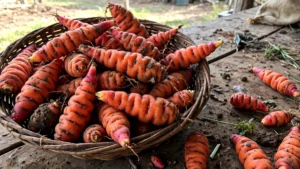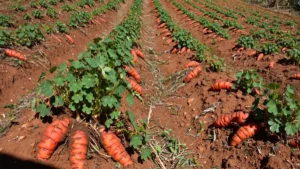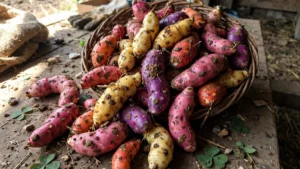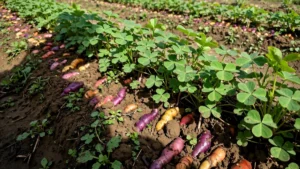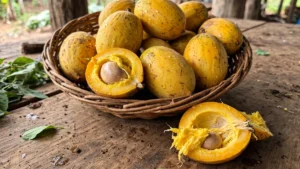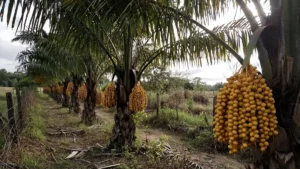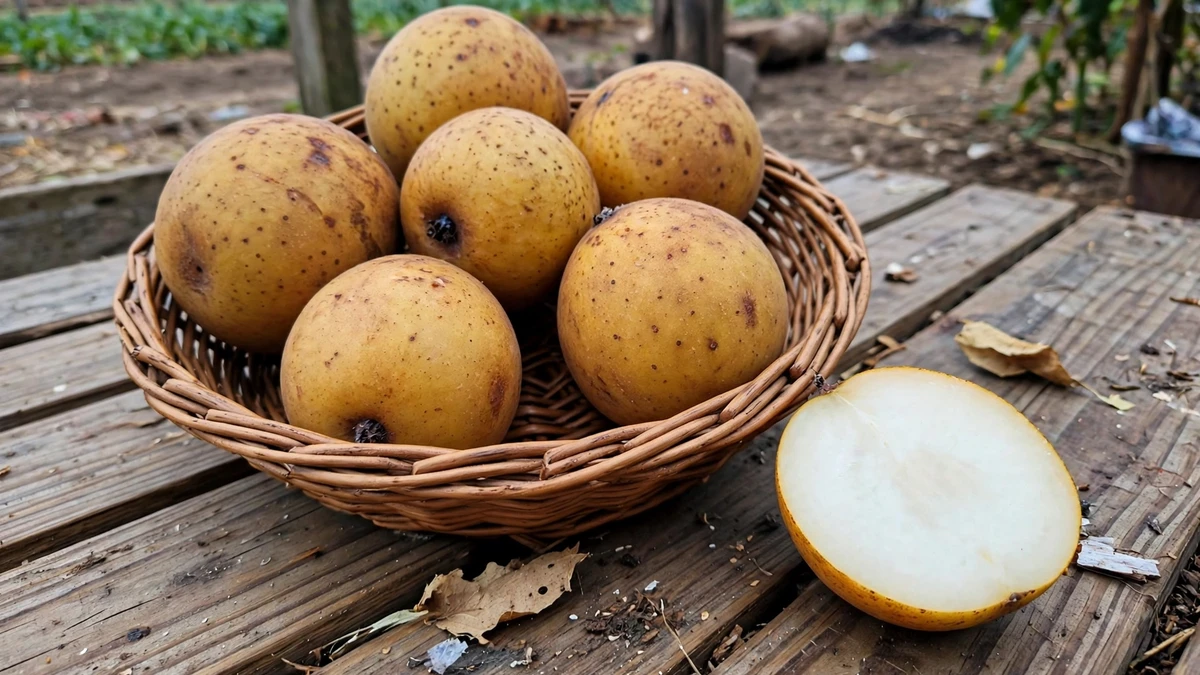
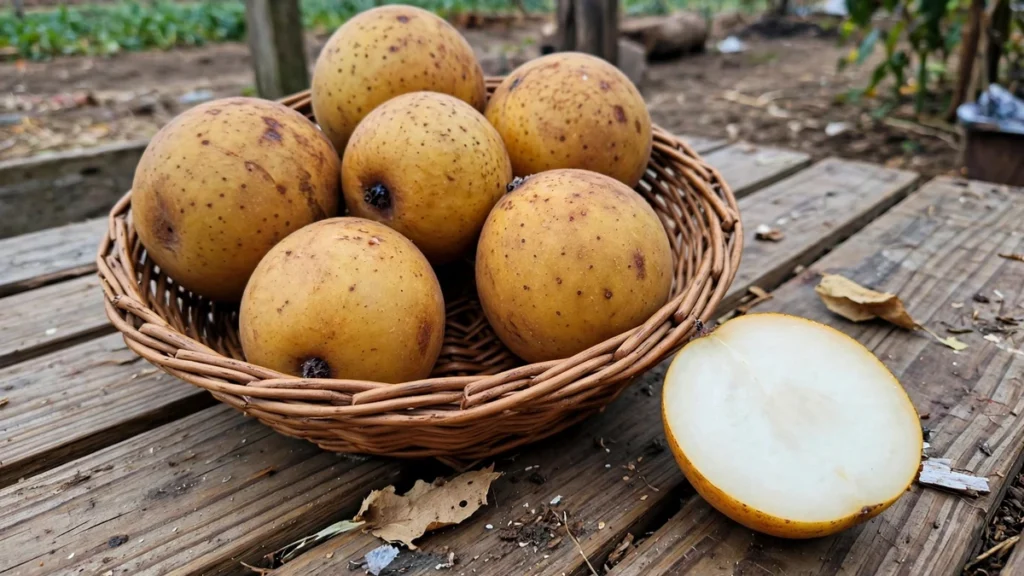
Planning a sorva farm escape starts with a single fact: the fruit decides the date. Sorva grows on Couma utilis, a tall Amazon tree, and its round yellow-brown fruit ripens and falls when it is ready, not when your calendar says so. A trip booked around the falling fruit will give you mornings of gathering, juice pressed the same day, and hosts who are proud of the harvest. A trip booked on any other logic will give you a pleasant farm stay, and a sense that you missed the point.
The planning, happily, is the easy part. There are no permits to chase and no specialist kit to buy. You need a farm that grows real sorva, a room booked inside the fruit weeks, a journey that leaves a full day for travel, and a short message to the kitchen about what you can and cannot eat. The rest is walking, tasting and letting the river set the pace.
This guide walks through the nine steps that turn a vague idea into a booked escape, from choosing the weeks to buying pulp for the journey home. Follow them in order, and you will arrive at the right farm, at the right week, ready for the fruit.
Key takeaways
- Sorva, from the tree Couma utilis, ripens and falls from the tree, so the harvest weeks, not the calendar, should set your travel dates.
- Book a farm where sorva grows on the land, and confirm that guests may gather fallen fruit.
- River boats and rough roads serve most farms, so allow a full day for the journey in either direction.
- Taste the fruit fresh, as juice and as ice cream, because each form shows a different side of the pulp.
- Farm kitchens cook with wheat flour every day, so guests who cannot eat gluten should raise it in their first message.
What a sorva farm escape involves
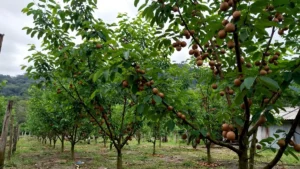
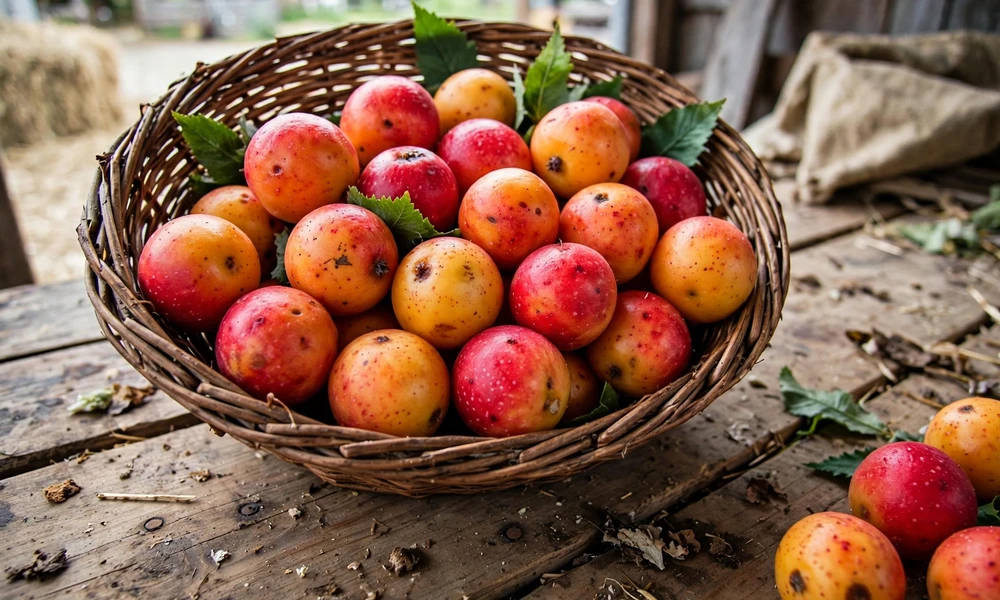
A sorva farm escape is a short stay on a working farm where the fruit is the centre of the day. You sleep in a farm room or a small lodge, you eat at the farm table, and you walk the orchard in the morning to gather what fell overnight. The fruit is opened on the spot, the pulp is eaten fresh, and the rest of the day is for juice, ice cream, river trips and rest.
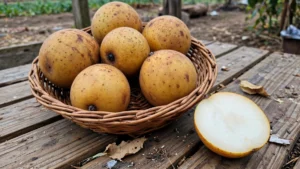
A little knowledge of the tree goes a long way before you go. Couma utilis grows tall and straight in the floodplain forests, and its fruit carries a thin line of milky latex on the skin, a leftover from the decades when the tree’s sap was collected for chewing gum. The pulp inside is white, soft and sweet, and it does not keep long once picked, which is why the fruit is eaten on the farm, pressed into juice, or frozen into ice cream within hours.
What the escape asks of you is modest. Sturdy shoes for the orchard paths, light clothes for the heat, patience for river travel, and an appetite for sweet fruit. The farm provides the rest: the trees, the table, the guide and the boat.
How to plan it, and what to check first
Start with the fruit weeks, not the flights. Write to two or three farms and ask which weeks the sorva is falling, then build the trip around the answer. Farms that grow sorva properly can name the window, because they watch the trees every day.
Next, check the practical facts. How do you reach the farm, how long does the journey take, and does the price cover the room, the meals, the walks, the boat and the tastings? Ask for the answer in writing, because a price that looks low on the website can grow quickly when boats and tastings are charged separately.
Finally, think about what you eat. Farm kitchens cook with wheat flour every day, in bread, in cakes and in the sauces that thicken a meal, and a guest who says nothing will be served wheat at the table. If that matters to you, say so in your first message. Travellers who have planned a mangaba trip before will find the shape familiar, and our guide to how to plan a mangaba farm escape covers the same first steps, even though sorva is a different tree from a different forest.
The 9 steps to plan a sorva farm escape
1. Time the trip for the weeks the fruit is falling
What to do: Write to the farm and ask which weeks the sorva is dropping, then choose dates inside that window. What to avoid: Booking flights first and hoping the fruit cooperates. Best For: Anyone who wants the fruit, not just the farm. Time Needed: One afternoon of messages. Standout Tip: The farm’s answer is the trip: if the fruit is falling, go.
The harvest is the whole reason for the trip, so it comes first. Sorva ripens in the wetter months and the exact weeks move with the river and the farm, which is why the farm’s own word matters more than any calendar.
2. Choose between river towns and forest lodges
What to do: Pick a river town like Belém or Santarém for a short first trip, or a forest lodge near Manaus or Rio Branco for a longer one. What to avoid: Choosing the deepest forest for a three-day trip. Best For: Travellers matching the stay to the time they have. Time Needed: An evening of comparing farms. Standout Tip: Short trip, river town; long trip, forest lodge.
The region decides the shape of the escape. River towns give you sorva within easy reach of an airport, a river and a proper bed, while forest lodges give you old groves, river journeys and guides who know the trees by name. Both are good trips, but they are not the same trip.
3. Confirm the morning gathering is open to guests
What to do: Ask the farm directly whether guests can walk the orchard in the morning and gather what fell overnight. What to avoid: Assuming that gathering is part of every stay. Best For: Anyone who wants to pick the fruit themselves. Time Needed: One message. Standout Tip: The morning walk is the heart of the trip, so confirm it before you book.
Gathering is the experience the whole escape is built around, and it is not guaranteed everywhere. Some farms leave the picking to their own workers, and a few keep guests to the marked paths. The rule varies, so the question is worth asking in plain words before money changes hands.
4. Choose a room with the orchard outside
What to do: Ask for a room with the orchard outside the window, so the first thing you see is the trees. What to avoid: Taking the cheapest room without asking where it sits. Best For: Early risers and anyone who likes to wake to the farm. Time Needed: One message at booking. Standout Tip: An orchard view costs nothing extra on most farms if you ask early.
The room matters more than it seems, because the farm day starts early and the orchard is where it starts. A room that faces the trees puts you a minute from the morning walk. Ask early, because the orchard rooms are the first to go.
5. Tell the farm about gluten before you book
What to do: Tell the farm in your first message if you cannot eat gluten, and ask what the kitchen can cook for you. What to avoid: Leaving it until the first dinner to bring it up. Best For: Gluten-free guests and anyone with a food allergy. Time Needed: A single sentence, sent early. Standout Tip: A farm that answers plainly is a farm that will feed you well.
Farm kitchens cook with wheat flour daily, in bread, in cakes and in the sauces that thicken a meal, so a guest who stays quiet will be served wheat at the table. The fix is simple: one clear sentence, early, in your first message.
6. Try sorva fresh, as juice and as ice cream
What to do: Eat the fruit fresh, drink it as juice, and try the ice cream, all before the last day. What to avoid: Tasting it once and deciding you know it. Best For: Food lovers and anyone curious about the fruit. Time Needed: A morning and an afternoon. Standout Tip: The juice shows the sweetness, the ice cream shows the perfume.
Sorva changes with the form. Fresh, it is mild and honeyed, close to a ripe pear. As juice it turns thick, pale and gently sweet, and as ice cream it keeps the perfume of the pulp. Three tastings give you the whole fruit, and the farm will usually arrange all three if you ask.
7. Learn the sap rule before you touch a fruit
What to do: Ask the guide how to handle the fruit, wash your hands after gathering, and keep the sap off broken skin. What to avoid: Rubbing your eyes or face while your hands are sticky with sap. Best For: Anyone gathering fruit, and anyone with sensitive skin. Time Needed: Five minutes with the guide. Standout Tip: Water washes the sap off easily, so keep a bottle at hand.
The milky sap on the skin is normal and washes off with water, but it can irritate sensitive skin, and anyone with a latex allergy should check with their clinician before handling the fruit. Five minutes with the guide at the start of the walk covers everything you need to know.
8. Let a local guide lead the orchard walk
What to do: Book the farm’s guided walk, and let the guide show you which trees are dropping and which are still green. What to avoid: Wandering the orchard alone on your first morning. Best For: First-time visitors and anyone who wants to learn the trees. Time Needed: Two to three hours. Standout Tip: The guide knows the latex history of every grove, and it is worth hearing.
The guide is what turns a walk into a lesson. They can tell a sorva from a mangaba at a glance, they know which trees drop first and why, and they carry the history of the latex trade in their families.
9. Buy pulp and juice to take home
What to do: Ask the farm what pulp, juice or jam you can buy on the last morning, and pack it in a cool bag. What to avoid: Taking fresh fruit home and expecting it to keep. Best For: Anyone who wants the flavour after the trip ends. Time Needed: Half an hour before you check out. Standout Tip: Frozen pulp travels better than fresh fruit, and the farm will usually freeze it for you.
Sorva does not keep long after picking, so fresh fruit is a poor souvenir. Frozen pulp, bottled juice and jam travel far better, and most farms sell them from the kitchen. Buy on the last morning and pack it cool.
Picking the right season and region
The season is set by the fruit, and the fruit follows the rain. Sorva ripens in the wetter months, when the rivers run high and the forest is at its greenest, and the exact weeks move from farm to farm. That is why the farm’s answer matters more than any guide’s calendar.
The region is set by your time. Belém and Santarém suit a long weekend, because the journey is short and the groves are close to the stay. Manaus and Rio Branco suit a full week, because the journey is long and the forest repays patience. Macapá suits a slow middle path, and the drier farms suit travellers who want the fruit in open country rather than on the river.
If you have already planned a trip for one of the Amazon’s tart berries, the contrast is instructive, and our guide to how to plan a muruci farm escape shows how a different fruit, in the same region, changes the season, the roads and the food. Sorva is milder and sweeter, and the trip around it is gentler too.
The caveats that matter
Sorva is a gentle fruit, but a farm escape still needs honest expectations. The fruit comes down when it comes down, and no farm can promise a heavy fall on a set date. River travel depends on the water level, the roads can be rough, and the heat is real in every season. Pack light clothes, sturdy shoes and sun protection, and allow a full day for the journey in either direction.
| Detail | What is known |
|---|---|
| Botanical name | Couma utilis, a tall tree of the Amazon floodplain forests |
| The fruit | Round, yellow-brown, with sweet white pulp and a line of milky sap on the skin |
| When to go | The wetter months, in the weeks the fruit is falling; ask the farm for the window |
| How long to stay | Three nights for a river town, five to seven for a forest lodge |
| Getting there | River boats and rough roads serve most farms, so allow a full day for travel |
| Milky sap | Normal on the skin, washes off with water, and linked to the tree’s old latex trade |
| Who should ask first | Anyone with a latex allergy should check with their clinician before handling the fruit |
| What to bring home | Frozen pulp, bottled juice or jam, because fresh fruit does not keep long |
The caveat that catches most guests is the food. Farm kitchens cook with wheat flour daily, and a gluten-free guest who says nothing will be served wheat at the table. Raise it in your first message, in plain words, and ask what the kitchen can do. The how to plan a pitomba farm escape guide makes the same point for the same reason: tell the farm early, and the farm will look after you.
Checklist: before you book a sorva farm escape
Use these checks before you book, and again the week before you travel.
- Ask the farm which weeks the fruit is falling, and book inside that window.
- Ask whether guests may gather fallen fruit in the morning walk.
- Ask for a written price that lists the room, the meals, the walks, the boat trips and the tastings.
- Ask about the road or river journey, and allow a full day for travel.
- If you cannot eat gluten, mention wheat in your first message to the farm.
- Pack sturdy shoes, light clothes, sun protection and a cool bag for pulp to take home.
Frequently asked questions
How many nights does a sorva escape need?
Three nights for a river town like Belém or Santarém, and five to seven for a forest lodge near Manaus or Rio Branco. The fruit mornings are the point, so allow at least two full mornings on the farm.
Is a car needed to reach a sorva farm?
Usually not, and often a car would not help. Most farms are reached by river boat, by the farm’s own vehicle, or by a rough road that suits a local driver. Ask the farm how the journey works.
Can children come on the fruit walk?
Yes, on most farms, and children usually love the morning gathering. Keep them with the guide, wash hands after handling the fruit, and tell the farm about any latex allergy before the walk.
What should I pack for a sorva farm?
Sturdy shoes for the orchard paths, light clothes for the heat, sun protection, insect repellent, and a cool bag for pulp to take home.
How is sorva different from mangaba?
Sorva is Couma utilis, a tall Amazon floodplain tree with a round yellow-brown fruit and sweet white pulp, while mangaba is Hancornia speciosa, a smaller cerrado tree with a yellow-green fruit whose unripe sap is caustic. Both carry milky sap, but they are different trees.
Can I buy sorva products to take home?
Yes. Most farms sell frozen pulp, bottled juice and jam from the kitchen, and frozen pulp travels best. Buy on the last morning and pack it in a cool bag.
The bottom line
A sorva farm escape is a simple trip done well: pick the fruit weeks, book a farm that grows real sorva, ask the three questions before you pay, and give the journey a full day. Three nights will do for a river town, a week for the forest, and either way the mornings will belong to the falling fruit and the evenings to the river.
Go for the fruit, not the photograph. Gather in the morning, taste it three ways, and bring the pulp home frozen. That is the escape in full, and it is plenty.