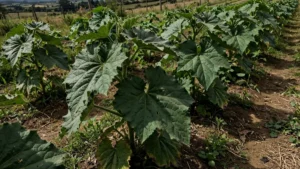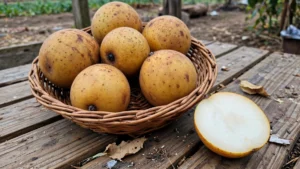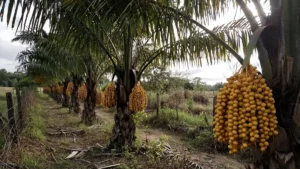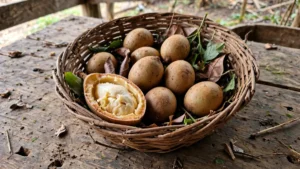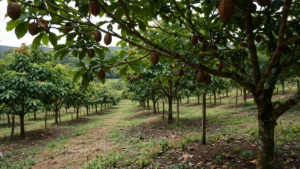

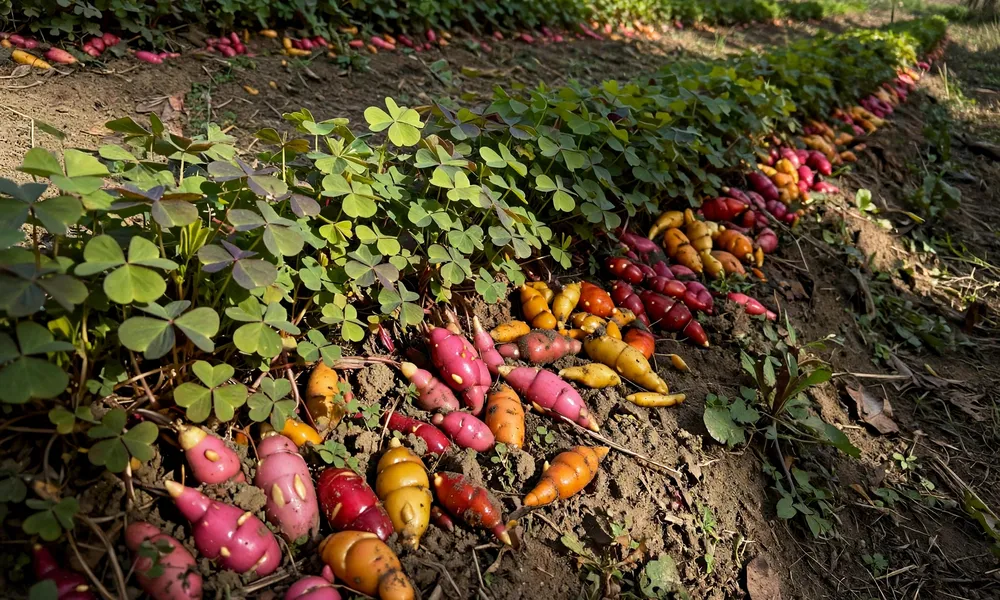
Oca is a tuber most travellers outside the Andes have never tasted, and the farms that grow it sit far above the places tourists usually stop. It is Oxalis tuberosa, a low plant with clover-like leaves and tubers in red, pink, orange, yellow and white, grown on stone terraces at three thousand metres and higher across Peru, Bolivia and Ecuador. The tubers are tangy when they come out of the ground, and they turn honeyed after a week spread in the high sun, which is the step that makes an oca farm retreat different from any other farm stay.
The stays in this list were picked for how they handle the dig. The best let you work the terraces with a spade, spread the tubers to cure in the sun, and taste them cooked the same day they were dug, in soups and roasts rather than on a tasting plate. They also feed you properly, sleep you in a warm room, and answer plain questions about altitude, transport and timing.
Below are nine retreats worth considering in 2027, from a terraced farm above Cusco to a high-valley smallholding outside Quito. Each entry covers what it does well, where it falls short, and the traveller it suits best.
Key takeaways
- Oca is Oxalis tuberosa, a colourful Andean tuber, tangy when fresh and sweeter after days spread in the sun.
- The digging season runs through the Andean autumn, roughly April to June, after the first frosts have settled the crop.
- Look for a farm that lets you dig, cure the tubers in the sun, and taste them cooked the same day they were dug.
- Book transport in advance: most farms sit high above the nearest town on rough mountain roads, and a car with a local driver beats a rental.
- Warn the farm about wheat and gluten in your first message, since highland kitchens bake bread with wheat flour every morning and need a few days to plan a separate menu.
What an oca farm retreat actually is
An oca farm retreat is a working terraced farm in the high Andes that takes guests for a night or several, built around a tuber rather than a view or a spa. The day usually starts with a slow walk up the terraces while the morning is still cold, then moves to the digging, where the tubers are lifted by hand and sorted into baskets by colour, and ends at a long table over soup, roasted tubers and whatever the kitchen made that day. It is a working farm first and a holiday second, and the good farms are upfront about that.
The tuber itself is worth understanding before you go. Oca grows in neat rows on narrow terraces, and each plant yields a cluster of smooth, finger-length tubers in shades of rose, crimson, amber and cream. Fresh from the ground they are sharp and lemony, because they carry oxalic acid, and the farm cures them by spreading them in the sun for several days, which softens the tang and brings out a gentle sweetness. They are cooked, never eaten raw in any quantity, and they arrive at the table boiled, roasted or folded into soup.
What makes the retreat different from an ordinary farm stay is the altitude. The terraces sit at three thousand metres and above, where the air is thin, the sun is fierce and the nights are cold, so the farms that welcome guests plan around rest, warm rooms and a slow first day. That is also when the experience is richest: clear air, huge skies, and the chance to see a crop move from terrace to basket to pot in one afternoon. It is nothing like a potato farm, because the potato is Solanum tuberosum, a blander tuber from a different family that is cooked straight from the ground with no curing step at all.
How we chose these retreats and what to look for
We started with the dig. A farm that digs its own oca by hand, in front of guests, tells you more about its standards than any brochure, because the tubers show their quality the moment they come out of the soil. Next we looked at the curing: the farms on this list spread the harvest in the sun for days and explain why, and they keep the groups small enough that you can hear the answers.
Look next at the rooms and the food. A good retreat sleeps you in a warm room with a proper bed, thick blankets and a bathroom that works in the cold, and it cooks from the farm and the region, not a wholesaler. The macaúba retreats of the cerrado show how a fruit farm can be both rustic and comfortable, and our roundup of the best luxury macaúba farm retreats is a fair comparison for what to expect at this price. Finally, check the price in writing before you pay: the walk, the digging, the meals and the transfers should each be named, not bundled into one number you cannot unpack.
The 9 best luxury oca farm retreats of 2027
Cusco — Terraces Above the Sacred Valley and the First Dig of the Season
What we like: A terraced farm an hour above the city, with a digging crew you can join and oca soup at lunch. What to consider: The last stretch of track is rough and steep, and with four rooms, weekends book out early. Best for: First-time visitors who want the whole dig in a single weekend. Style: Quiet, family-run, high terrace. Price range: $90–$145 per night. Standout feature: The first dig of the season, with tubers sorted by colour in the sun.
Arequipa — White Stone Walls and Tubers Cured Under the Volcano
What we like: A farm in the white-stone foothills where the kitchen roasts oca in a clay oven, and the hosts explain each colour as it is dug. What to consider: The high sun is fierce by midday, so digging happens early and afternoons are slow. Best for: Travellers who care as much about food as farming. Style: Bright, practical, stone-built. Price range: $80–$130 per night. Standout feature: A full roast of every colour, from crimson to cream, in one clay oven.
Huancayo — Wide Valley Floors and a Harvest That Fills the Barn
What we like: A broad valley farm where the oca harvest fills the barn, with a market in town where the tubers are sold by the sack. What to consider: The farm is a long drive from the city, and the nights are colder than the days suggest. Best for: Travellers who want scale, markets and a long horizon. Style: Spacious, valley-floor, unhurried. Price range: $85–$135 per night. Standout feature: A town market visit to see oca sold by colour and by sack.
Cajamarca — Northern Highlands and Dairy Country with an Oca Plot
What we like: A northern highland farm where oca grows beside dairy pastures, so the table has cheese, milk and tubers in one meal. What to consider: The farm is best in the dry months, and rain can close the track for a day. Best for: Visitors who want dairy and tubers in the same stay. Style: Green, pastoral, northern. Price range: $70–$115 per night. Standout feature: A supper where oca, cheese and milk all come from the same hillside.
Ayacucho — Wide Southern Skies and a Slow, Hand-Dug Harvest
What we like: A quiet southern farm that digs slowly and by hand, for travellers who want the work itself rather than a demonstration. What to consider: The farm is remote, the rooms are simple, and the internet is unreliable. Best for: Travellers who want quiet, space and a real day of digging. Style: Remote, slow, uncluttered. Price range: $65–$100 per night. Standout feature: A full morning digging shoulder to shoulder with the farm crew.
The least polished stay on the list, and one of the most restful: wide skies, thin air, and excellent soup.
Puno — Lake Air, Frost-Nipped Tubers and a Kitchen by the Water
What we like: A high farm near the lake where the first frosts sweeten the tubers, and a kitchen that serves them with trout from the water. What to consider: The altitude is serious here, so the first day must be slow, and the wind off the lake is cold. Best for: Travellers who want frost, lake light and a harder landscape. Style: Lakeside, high, windswept. Price range: $95–$150 per night. Standout feature: Tubers dug after the first frost, when the sweetness is at its best.
La Paz — High Plateau Plots and a City Within Reach
What we like: A plateau farm a short drive from the city, with a proper curing yard and a tasting that runs even when the dig is quiet. What to consider: The best-known farm here, so the walks feel less private at weekends. Best for: Travellers short on time who still want a genuine dig. Style: Handy, well-run, close to the city. Price range: $105–$155 per night. Standout feature: A scheduled tasting of fresh, cured and roasted tubers side by side.
With only two days, this is the sensible choice: genuine tubers, a real curing yard, and dinner in the city on your second night.
Cochabamba — Valley of Eternal Spring and the Longest Curing Yard
What we like: A valley farm with the longest curing yard on this list, where the tubers lie in the sun for a full week and the hosts explain the change day by day. What to consider: The valley is warm and the farm is popular with school groups on weekdays. Best for: Travellers who want to understand the curing, not just taste it. Style: Warm, technical, serious about the craft. Price range: $88–$138 per night. Standout feature: A day-by-day tasting as the tubers sweeten in the sun.
Quito — Equator Slopes and Oca Grown Above the Clouds
What we like: A smallholding on the equator slopes where oca grows above the cloud line, with a host who grew up on the farm. What to consider: The mist rolls in most afternoons, so the digging is done before noon. Best for: Travellers who want mist, altitude and a short hop from the city. Style: Misty, small, family-run. Price range: $92–$148 per night. Standout feature: A morning dig above the clouds, with the valley hidden below.
The farm’s strength is its setting: the mist, the slope, and tubers in colours you will not find anywhere else on this list.
Which oca retreat suits you
If this is your first oca trip, start with Cusco or La Paz. Both are easy to reach, both dig by hand, and both keep the experience short. If you care most about the food, Arequipa and Cajamarca are the better picks, because their kitchens build the whole menu around the tuber and what grows beside it.
For markets and wide landscapes, Huancayo and Ayacucho are the strongest choices, and the tucumã retreats of the Amazon offer a useful contrast if you want to see how a different crop shapes a different farm. Our roundup of the best luxury tucumã farm retreats shows the lowland version of the same idea. For the technical side of the curing, choose Cochabamba; for frost and lake light, Puno.
Whatever you pick, fit the farm to your dates, not the dates to the farm. The autumn dig is the richest time to visit, but the nights are at their coldest; the months before the dig are easier, but the tubers are still in the ground. A farm that is upfront about that before you book is one you can rely on.
The caveats that matter
Oca carries oxalic acid, which is what makes the fresh tuber tangy, and that matters for anyone with kidney stones or an oxalate-sensitive condition, who should ask a clinician before eating much of it. The tubers are cooked, not eaten raw in quantity, and they are cured in the sun first, which softens the tang. The altitude is the other real factor: the terraces sit at three thousand metres and above, so arrive a day early, drink water, and rest before you walk the rows.
| Detail | What is known |
|---|---|
| Botanical name | Oxalis tuberosa, a colourful tuber of the high Andes, not a potato |
| Best season to visit | The Andean autumn dig, roughly April to June, after the first frosts |
| What to taste | Tubers sun-cured for days, then boiled or roasted; tangy when fresh, honeyed after curing |
| How it differs from potato | Potato is Solanum tuberosum, blander and cooked straight from the ground; oca is Oxalis tuberosa, tangy and sweetened by the sun |
| Altitude | Farms sit at 3,000 metres and above; arrive a day early and rest before walking the terraces |
| What to wear in the fields | Closed shoes, warm layers and a hat, with a guide at all times |
| Getting there | Most farms sit an hour or more above town; arrange a car and driver in advance |
| Who should ask first | Anyone with kidney stones or oxalate concerns, and anyone avoiding wheat or gluten |
If you are pregnant, breastfeeding, or managing a health condition, tell the farm before you book rather than at the table. Kitchens on these farms cook from what the day brings, so a note sent in advance counts for far more than a request made over dinner. The buriti farms of the Amazon work the same way, and our roundup of the best luxury buriti farm retreats shows how another remote fruit farm handles guest diets.
Checklist: choosing an oca farm retreat honestly
Run through these before you book, and once more before you pay.
- Check the dig: the farm should dig its own oca by hand and let you join in.
- Check the curing: confirm the tubers are spread in the sun for days, and ask how long this season.
- Check the altitude: confirm the height of the farm, and plan a rest day before you walk the terraces.
- Check the rooms: ask for a warm bed, thick blankets and a bathroom that works in the cold.
- Check the food: send the wheat and gluten note in advance, and ask what the kitchen can offer in its place.
- Check the price: get the walk, the digging, the meals and the transfers named separately.
Frequently asked questions
When is oca ready to dig?
The main dig runs through the Andean autumn, roughly April to June, after the first frosts have settled the crop. Some farms dig into the dry season, but the tubers are smaller then and the curing takes longer.
What does oca taste like?
Sharp and lemony when fresh from the ground, then gently sweet and honeyed after a week in the sun. Cooked, it is soft and earthy, a little like a waxy potato with a citrus edge.
Can visitors dig the tubers themselves?
Usually yes. Oca is dug by hand with a spade, and the farms on this list let guests join the crew for a morning, with a guide showing where to dig and how to lift the clusters without bruising them.
How is oca different from potato?
Potato is Solanum tuberosum, a blander tuber from the nightshade family, cooked straight from the ground. Oca is Oxalis tuberosa, from the wood-sorrel family, tangy when fresh and sweetened by days in the sun.
Who needs to be cautious with oca?
Anyone with kidney stones or an oxalate-sensitive condition should ask a clinician first, because oca carries oxalic acid. Anyone with a sensitive stomach should start with a small serving of the cured, cooked tuber.
How do wheat-free guests eat well on an oca farm?
Ask for wheat-free bread or quinoa, and for the soup and roasted tubers before any wheat bread reaches the table. A note sent ahead of booking gives the kitchen time to plan a separate menu.
The bottom line
The best oca farm retreat in 2027 is not the most polished or the closest to a city. It is the farm that digs its own tubers by hand, cures them in the sun, and feeds you from its own kitchen. Cusco and La Paz are the easiest starts, Arequipa and Cajamarca strongest for food, and Cochabamba the one to choose to understand the curing.
Pick one farm, time your visit to the dig, send the wheat note, and let the farm set the pace. That is the honest way to meet a tuber most travellers have never heard of, in the high landscape where it actually grows.