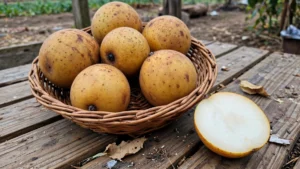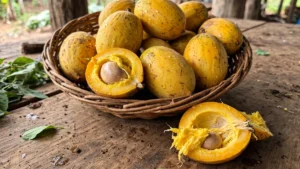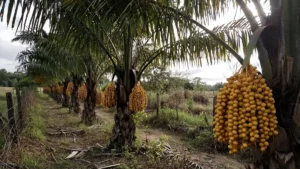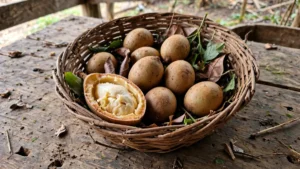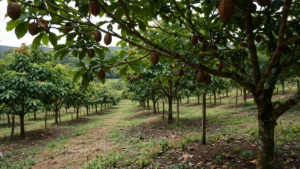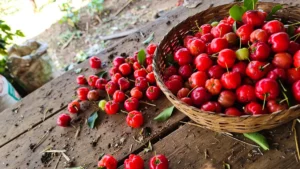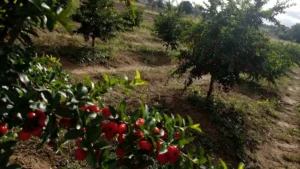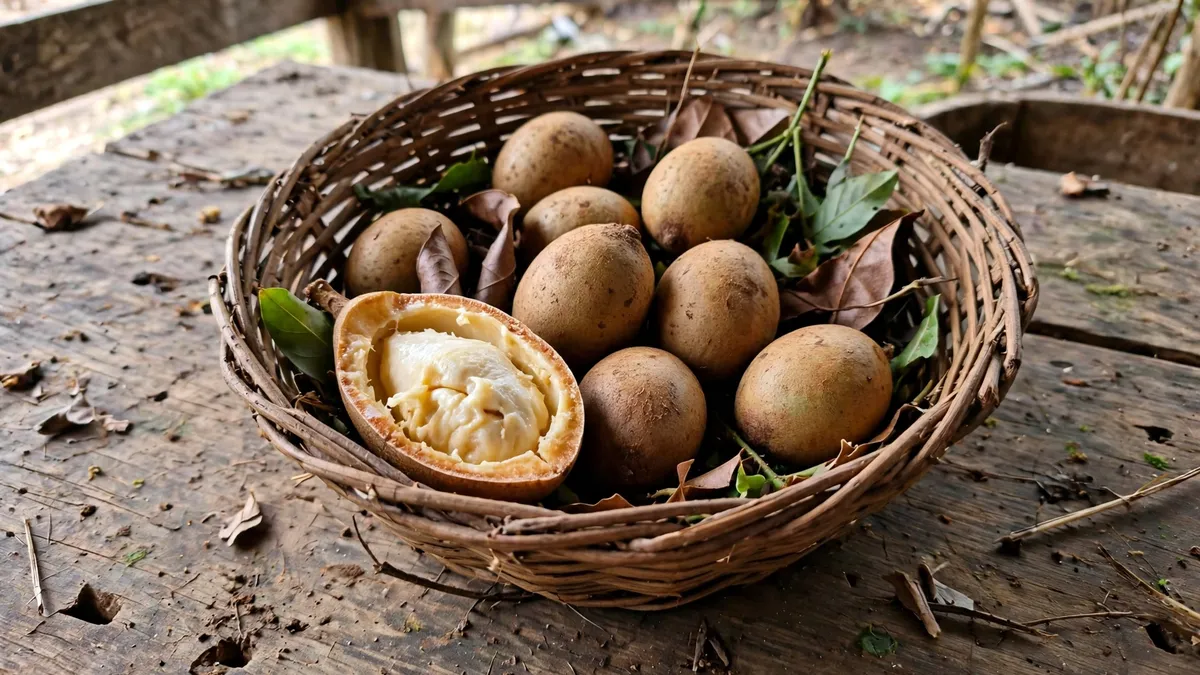

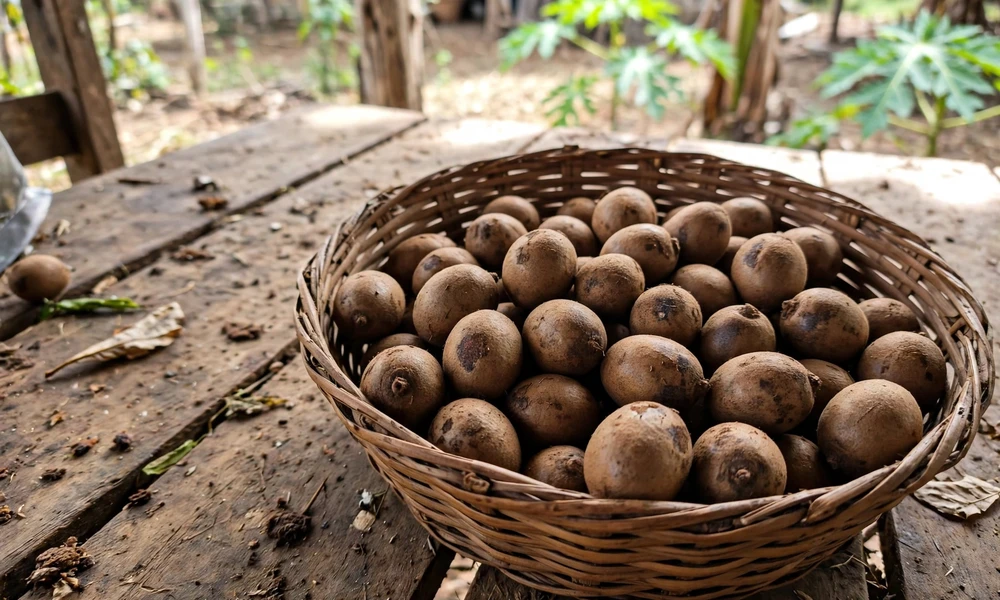
A cupuí farm escape is a short trip built around a fruit most people have never heard of, and that is exactly why it works. Cupuí, Theobroma subincanum, is a small brown Amazonian fruit with a pale, silky pulp, a gentler cousin of cupuacu that grows scattered through the forest rather than in big orchards.
Planning one is simpler than it looks, but the order matters more than the detail. The harvest decides the dates, the farm decides the room, and everything else follows from those two choices. Travellers who book flights first and look for a farm second often find the fruit out of season or the rooms full, and the trip turns into a generic Amazon lodge stay with no cupuí in it.
This guide walks through the whole trip in order: choosing your dates inside the harvest, finding a farm where cupuí is the main crop, confirming the dates, working out the journey, packing for the forest, and spending your days well once you arrive.
- The harvest sets the dates. Cupuí ripens in the wet season, roughly December to April, and the best weeks are February and March, when picking and butter-making happen every day.
- Book the farm before the flights. The best cupuí farms have only three or four rooms, and their harvest calendar moves with the rain, so a confirmed farm date should come first.
- Choose a farm where cupuí leads. Ask whether the farm grows, picks and presses the fruit itself, and whether guests can join the harvest and the butter workshop.
- Plan for the journey, not just the flight. Most farms need a dirt-road or boat leg after the airport, and that leg takes longer in the wet months, so work it out before you land.
- Gluten note: most farm dishes are wheat-free by nature, built on fruit, rice, beans, fish and cassava, yet bread and pasta sometimes appear, so mention wheat to the kitchen in your first message.
What a cupuí farm escape really is
A cupuí farm escape is three or four nights on a working farm in the Amazon, where the fruit is the reason for the trip and the farm is the whole destination. You sleep in a simple room, eat what the farm cooks, walk the orchard with the pickers at dawn, and watch the seeds dried, roasted and pressed into a pale butter.
It is not a tour, and it is not a resort. There is no daily schedule handed out at breakfast, no gift shop, and no spa. The farm sets the rhythm, and guests who go along with it get the best of the place: the early walk when the fruit is cool and the birds are loud, the long lunch when the heat breaks, and the evening on the veranda when the forest comes alive.
Planning the trip, and the questions to ask first
Start by deciding what you want from the trip, because that decides the region. If you want the easiest journey, choose a farm near Belém or São Luís, where the road is good and the transfer is short. If you want the river as well as the orchard, choose Manaus or Macapá, where the boat is part of the stay. If you want real quiet, choose Rio Branco or Porto Velho, where the farms are remote and the forest is wild.
Once the region is set, the questions to ask are the same for every farm. Is cupuí in season on my dates, and how certain is the harvest? How many rooms does the farm have, and how many guests will be there with me? What does the price include, and what costs extra, such as the boat trip or the butter workshop? How do I get from the airport to the farm, and who arranges it? The wider Amazon fruit-farm scene is worth a look before you commit: the guide to planning a cupuacu farm escape covers the bigger cousin’s harvest, the guide to planning a buriti farm escape follows the wetlands palm fruit, and the guide to planning an araza farm escape shows how a small sour fruit shapes a whole trip.
The 9 steps to a cupuí farm escape
Fix your dates to the harvest, not to the flight deals
What to do: pick your month inside the harvest, roughly December to April, and aim for February or March if you can, when the picking is busiest and the butter workshops run daily.
What to avoid: do not book flights for the dry season and hope the fruit will be there. Outside the harvest, most cupuí farms have nothing to pick, and some close to guests entirely, so a trip booked on flight prices alone can turn into a stay with no fruit in it.
Best For: anyone who wants the harvest itself, not just the forest. Time Needed: an afternoon of research. Standout Tip: ask the farm for last year’s harvest dates as a guide, then confirm this year’s in writing.
Pick a farm where cupuí is the main crop, not an afterthought
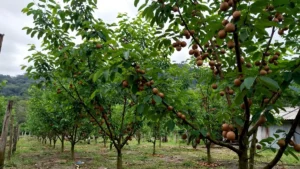
What to do: look for a farm that grows, picks and presses cupuí itself, with a processing shed on site and a butter workshop guests can join.
What to avoid: do not book a farm that lists cupuí among a dozen fruits but cannot say when it ripens or where the trees are. A farm that buys its pulp from a neighbour or serves cupuacu and calls it cupuí will not give you the trip you came for.
Best For: travellers who care about the fruit more than the room. Time Needed: a few emails over a week. Standout Tip: ask the farm to send a photo of the grove, not the dining room.
Confirm the farm dates in writing before booking anything
What to do: get the dates, the price, what is included and the cancellation terms in a single written message from the farm, and keep it. Ask for the transfer arrangement in the same message, so the airport leg, the boat or the dirt road, and the cost are all settled before you pay for flights.
What to avoid: do not rely on a verbal promise or a message that says “come any time in the harvest”.
Best For: anyone booking more than a month ahead. Time Needed: one day of messages. Standout Tip: ask the farm to confirm the harvest is expected on your dates, not just that the farm is open.
Work out the airport-to-farm journey before you land
What to do: map the whole route from the airport to the farm, including the dirt road or boat leg, and ask the farm how long it takes in the wet season.
What to avoid: do not assume a taxi from the airport will know the farm. Let the farm arrange the transfer, even if it costs a little more.
Best For: first-time Amazon travellers. Time Needed: an hour of planning. Standout Tip: ask the farm for the name of the nearest town, not just the farm, so a driver has somewhere to aim for.
Your packing list for a wet forest farm
What to do: pack closed shoes you do not mind ruining, long sleeves and trousers for the evenings, a light rain jacket, repellent, and a small day bag for the orchard walks. Bring a torch, because the farm paths are dark after sunset, and a dry bag for your phone and camera on the boat trips.
What to avoid: do not bring a hard suitcase, white clothes, or shoes you care about.
Best For: everyone, whatever the farm. Time Needed: an evening of packing. Standout Tip: pack a second pair of shoes, because the first pair will be wet by the second morning.
Start the day in the orchard with the picking crew
What to do: set your alarm for dawn and join the pickers on their first round, when the fruit is cool, the birds are loud and the light is at its best.
What to avoid: do not sleep in and expect the same experience at midday. The orchard at dawn is the whole trip in an hour, and it is worth the early start.
Best For: early risers and anyone who likes the forest at its liveliest. Time Needed: two hours each morning. Standout Tip: ask the picker to show you how to tell a ripe pod by its colour and weight.
Follow the fruit from the tree to the butter press
What to do: stay for the whole process: the picking, the splitting, the drying of the seeds, the roasting and the pressing.
What to avoid: do not leave after the tasting and skip the shed. The pulp is delicious, but the butter is the reason the farm exists, and the pressing is the part of the day most guests remember. If the farm has no workshop on your dates, ask why, and consider a different farm.
Best For: curious travellers who want to understand the fruit. Time Needed: a full afternoon. Standout Tip: ask to keep the jar you helped press, and have the farm label it with the date.
Eat what the farm cooks, and check the kitchen first
What to do: eat the farm’s food as it comes, because it is cooked from the garden and the river, and it is the best food on the trip. Tell the kitchen about wheat and any other allergy in your first message, and remind them when you arrive, because the cook needs to know before the shopping is done.
What to avoid: do not assume the kitchen knows about allergies without being told, and do not expect a menu. If you need a specific dish, say so before you arrive, not at the table.
Best For: food lovers and anyone with a wheat allergy. Time Needed: a message before the trip, a reminder on arrival. Standout Tip: ask the cook for the cupuí ice cream, which is rarely on the menu but always available in harvest season.
Leave one day open for the river and the trees
What to do: leave one day unplanned, and use it for the river trip, the forest walk or the beach, depending on where your farm is.
What to avoid: do not pack the trip so tightly that a rainy morning ruins it. The rain moves plans by hours, the boat depends on the tide, and the best days on these farms are often the ones that were never planned. A spare day turns a delay into a gift.
Best For: travellers who like to slow down. Time Needed: one full day. Standout Tip: ask the farm what the river looks like that week, and let the answer decide the day.
Which cupuí corner of Brazil fits your trip
The Amazon heartland around Belém, Manaus, Santarém and Macapá suits travellers who want the full forest experience, and each city gives the trip a different shape. Belém is the easiest to reach, with the shortest transfer and the most mature groves. Manaus adds the river, with boat trips into the flooded forest that no other region matches. Santarém adds a beach, which makes it the best choice for families. Macapá’s estuary farms ripen earliest, so they suit December travellers when other farms are still waiting.
The inland farms around Rio Branco and Porto Velho suit travellers who want quiet and are happy with a long drive. Rio Branco’s riverbank farm is the most remote stay in the cupuí world, with no phone signal and a forest reserve behind it. Porto Velho’s farm is the best for anyone who wants to watch the butter being made, because its processing shed is open to guests all day.
The edge farms in Maranhão, Palmas and Bahia suit travellers who want comfort and a simple journey. Maranhão has hot water, a pool and an easy drive from the airport. Palmas has irrigated rows that fruit reliably, a nursery tour and the best sunsets. Bahia has a restored colonial house, Atlantic forest and a beach nearby. These three also suit travellers wary of the deep forest, since the roads are good and a town is never far away.
The caveats that matter
The season is the biggest caveat, and it is the one travellers ignore most often. Cupuí ripens in the wet season, and outside December to April there is no fruit to pick, taste or press. Some farms close to guests entirely in the dry months, and others stay open but have nothing to show. If the fruit is the reason for your trip, travel in February or March, and confirm the harvest dates in writing before you book anything else.
The forest itself is the second caveat. It is wet, muddy and full of insects, and the farms are honest about it. Bring closed shoes, long sleeves and repellent, and accept that the nights are warm and the rooms have fans rather than air conditioning.
The third caveat is supply. Cupuí is a wild fruit that is only just being farmed, and the butter is made in tiny batches. The jars sell out, the picking days are limited, and the best farms have only a few rooms. The farm is, for most travellers, the only place it can be tasted at all.
| Detail | What is known |
|---|---|
| Botanical name | Theobroma subincanum, a smaller relative of cupuacu |
| Harvest season | Wet season, roughly December to April, peaking in February and March |
| Ideal trip length | Three nights: orchard, butter-making, and a river or forest day |
| Best time to book | Two to three months ahead, before the peak weeks sell out |
| Getting there | Flight to a regional city, then a dirt road or boat leg arranged by the farm |
| What to pack | Closed shoes for mud, long sleeves, rain jacket, repellent, torch, dry bag |
| Food | Farm-cooked meals from the garden and river; mostly wheat-free |
| Gluten note | Mention wheat to the kitchen in your first message to the farm |
Checklist: planning a cupuí farm escape without surprises
- Choose your month inside the harvest, aiming for February or March for the busiest picking.
- Get the farm dates, price, inclusions and cancellation terms confirmed in writing.
- Ask the farm to arrange the airport transfer, and agree the meeting point and time.
- Mention wheat and any other allergy to the kitchen in your first message to the farm.
- Pack a soft bag, closed shoes, long sleeves, a rain jacket, repellent and a torch.
- Leave one day unplanned for the river, the forest walk or the beach near your farm.
Frequently asked questions
How much lead time does a cupuí farm escape need?
Two to three months ahead is about right for the peak weeks in February and March, because the best farms have only three or four rooms and the dates go fast. For the edges of the season, in December or April, a month ahead is usually enough.
What paperwork and jabs does the Amazon require?
That depends on your passport and where you are travelling from, so check the current rules for Brazil before you book, and talk to your doctor about vaccines and malaria prevention for the Amazon region.
Can I bring children on a cupuí farm escape?
Yes, and children over about six tend to love it: the picking, the tasting, the boat trips and the mud suit them well.
What clothes should I pack for a cupuí farm?
Closed shoes you do not mind ruining, long trousers and long sleeves for the evenings, and a light rain jacket for the afternoon showers. A hat helps in the orchard at midday, and a dry bag keeps your phone and camera safe on the boat.
Can I eat cupuí every day while I am there?
Yes, the farms serve it every day in harvest season, as juice, mousse and ice cream, and guests eat it freely. The pulp is mild and easy on the stomach.
Can cupuí butter travel home with me?
Yes, most farms sell small jars, but the batches are tiny and they sell out, so ask the farm to keep one back for you when you book. The butter keeps well for weeks at room temperature.
The bottom line
A cupuí farm escape works when the fruit leads the plan: harvest first, farm second, flights third, and a spare day left over for the river. Do it that way and you will taste a fruit almost nobody has heard of, watch it pressed into butter, and spend three quiet nights in a forest that belongs to the farm.
Book it that way and the trip takes care of itself.