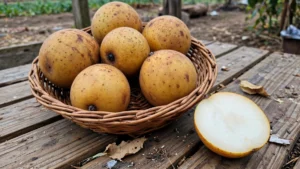
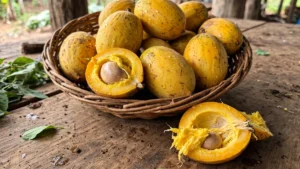
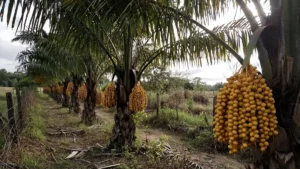
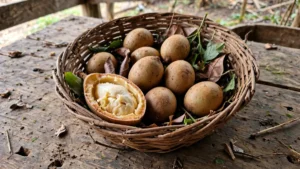
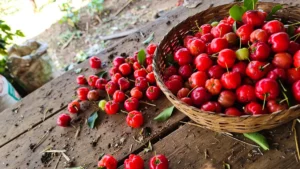
Most travellers who know the Amazon’s chocolate family have met cupuacu, the big brown fruit whose creamy pulp turns up in juices, ice creams and butters across Brazil. Cupuí is its smaller, shyer relative, and almost nobody outside the forest has tasted it. The tree, Theobroma subincanum, grows scattered through terra firme forest rather than in big orchards, and its fruit is a compact brown pod with a pale, silky pulp that tastes gentler and less sharp than cupuacu.
A cupuí farm stay is not a resort holiday with a fruit theme painted on. The best places are working farms where the orchard is the point of the day: you wake to birdsong, walk the rows with the pickers, taste the pulp straight from a split pod, and eat lunch cooked from whatever the farm grew that week.
We chose nine stays where cupuí is genuinely the main crop rather than a garnish, where the farm can show you the whole journey from tree to butter, and where guests are looked after properly.
- Cupuí is cupuacu’s smaller Amazonian cousin. Theobroma subincanum bears compact brown fruit with a mild, silky pulp, and it grows mostly in scattered groves and small family orchards rather than large plantations.
- The harvest runs through the wet season. Fruit ripens roughly from December to April, and the farms below are at their best in those months, when picking, tasting and butter-making all happen on the same day.
- Book the farm first, then the flights. The best cupuí stays have only a few rooms, and the harvest calendar moves with the rain, so a confirmed farm date should come before any airfare.
- Expect simple rooms and generous food. Luxury here means space, quiet, a good cook and a host who knows the orchard, not marble bathrooms or a spa menu.
- Gluten note: farm meals lean on fruit, rice, beans, fish and cassava, so wheat rarely appears, but flag wheat to the kitchen before arrival, since bread and pasta can turn up at breakfast and in desserts.
What a cupuí farm stay really looks like
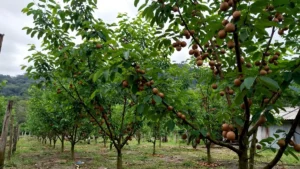
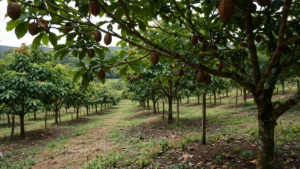
A cupuí farm is usually a family property of a few dozen hectares, half forest and half orchard, with a main house, a handful of guest rooms and a small shed where the seeds are dried and pressed. The day starts early, because the pickers are out before the heat, and guests who join them see the fruit at its best: pods split open in the shade, pulp scooped out with a spoon, seeds saved for the butter press.
The fruit itself is worth the trip on its own. A ripe cupuí pod is about the size of a small mango, brown and slightly rough, and inside is a pale cream pulp that tastes soft, floral and faintly nutty, without the sharp tang that makes cupuacu an acquired taste.
How these nine stays were chosen, and the questions worth asking
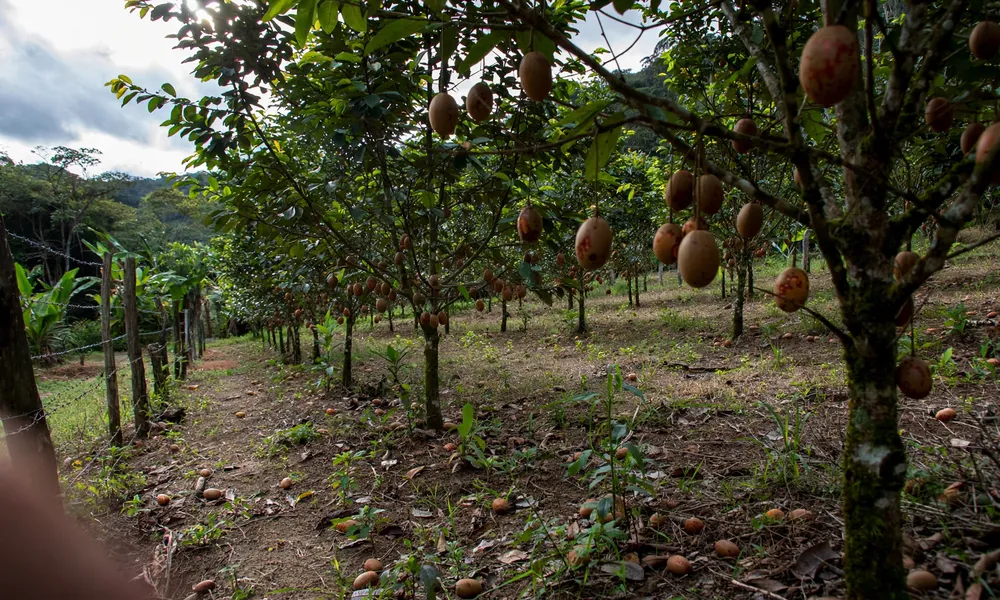
We looked for farms where cupuí is the centre of the operation, not a side crop grown for decoration. That meant checking that the farm harvests the fruit, processes the seeds on site, and can show guests the butter-making from start to finish.
Price ranges below are per night for two people, including breakfast and the farm activities, unless the entry says otherwise. Before you pay anything, ask five questions: is cupuí in season on my dates, how many guests will be there, what is the airport transfer, does the kitchen know about wheat, and what happens if the rain closes the track? The three linked roundups below show the wider Amazon fruit-farm scene: the best luxury cupuacu farm retreats follow the bigger cousin, the best luxury buriti farm retreats cover the wetlands palm fruit, and the best luxury araza farm retreats follow the small sour yellow fruit of the same forest.
The 9 best luxury cupuí farm retreats of 2027
Cupuí Cabins in the Shade Near Belém
A short dirt road from the edge of Belém, this lodge sits inside a grove its owner planted thirty years ago, and the trees now form a high green roof over the paths.
What we like: the grove is mature and shady, so walking is easy even at midday, and the owner walks the rows with guests himself, naming the trees and telling which bear the sweetest fruit.
What to consider: the cabins have cold-water showers and no air conditioning, and the dirt road floods in heavy rain, so the farm sometimes collects guests by boat instead.
Best For: first-time visitors who want an easy introduction to cupuí. Style: shaded wooden cabins in a mature grove. Price Range: $95–$145 per night for two. Standout Feature: a daily butter workshop in the harvest season.
Cupuí Rooms on the Rio Negro
Up the Rio Negro from Manaus, this small farm pairs cupuí groves with a river dock, and the best way to arrive is by boat at sunset, when the water turns the colour of tea.
What we like: the combination of orchard and river is rare, and the farm’s boat trips to the flooded forest are the best of any stay on this list. The evening meal often includes fish caught that day and cupuí ice cream.
What to consider: the farm is only reachable by boat in the wettest weeks, which adds cost and time, and the rooms have no hot water. Mosquitoes are a fact of life on the river, so bring repellent.
Best For: travellers who want the orchard and the river in one trip. Style: river-facing rooms with a shared deck. Price Range: $130–$185 per night for two. Standout Feature: boat trips into the flooded forest.
Tapajós Orchard Stay Near Santarém
On the banks of the Tapajós, this farm grows cupuí alongside cacao in a mixed orchard the family has tended for two generations.
What we like: the mixed orchard means guests taste two fruits in one walk, and the family is generous with their knowledge, showing how cacao and cupuí are grown side by side.
What to consider: the farmhouse rooms share a bathroom, and the beach is busy on weekends, so the quietest days are midweek. The cupuí trees here are young, so the harvest is smaller.
Best For: families who want a farm stay with a beach nearby. Style: converted farmhouse in a mixed orchard. Price Range: $110–$160 per night for two. Standout Feature: cupuí and cacao grown side by side.
Acre Riverbank Cupuí Farmhouse
Outside Rio Branco, this farmhouse sits on a bend of the Acre River, with the cupuí grove running down to the water and a forest reserve behind it. The house has four guest rooms, a wide veranda and a kitchen that cooks over wood.
What we like: the forest reserve behind the farm is genuinely wild, and the farm’s guide leads walks that end at a waterfall most guests never expect to find. The tasting includes wild-grown and planted fruit, so guests can compare.
What to consider: the journey from Rio Branco takes three hours on a rough road, and the farm has no phone signal at all.
Best For: travellers who want real quiet and a wild forest. Style: riverbank farmhouse beside a forest reserve. Price Range: $120–$175 per night for two. Standout Feature: guided walks to a forest waterfall.
Garden Rooms Among the Cacao Trees of Rondônia
Near Porto Velho, this farm was built by a couple who left the city to grow cupuí and cacao together, and the place still feels like a work in progress in the best way.
What we like: the processing shed is the heart of the farm, and the hosts explain every step without rushing, which makes this the best stay for anyone who wants to understand how cupuí butter is made.
What to consider: the farm is close to the highway, so there is some traffic noise, and the rooms have no views beyond the garden.
Best For: curious travellers who want to see the whole butter-making process. Style: new garden rooms around a working shed. Price Range: $105–$155 per night for two. Standout Feature: an open processing shed guests can watch.
Amapá Estuary Cupuí Retreat
On the estuary north of Macapá, this retreat is reached by boat and sits on stilts above the water, with the cupuí grove on the higher ground behind it.
What we like: arriving by boat sets the tone for the whole stay, and the estuary light at dawn is worth the early start alone. The farm’s early harvest makes it the best choice for December travellers.
What to consider: everything arrives by boat, so the farm asks guests to keep luggage light, and the rooms can feel humid. The estuary water is not for swimming, and trips depend on the tide, so plans sometimes shift.
Best For: December travellers and anyone who loves arriving by water. Style: stilt rooms on an estuary. Price Range: $140–$195 per night for two. Standout Feature: the earliest cupuí harvest in the region.
Maranhão Hills Cupuí Guesthouse
In the low hills outside São Luís, this guesthouse is the only stay on this list outside the deep Amazon, and it shows in the landscape: drier, sunnier, and easier to reach.
What we like: the comfort is real, with hot water, a pool and a terrace made for long lunches, and the farm is an easy drive from the airport, so there is no boat or dirt-track leg.
What to consider: the cupuí here is grown at the edge of its natural range, so the fruit is smaller and the harvest shorter than in the deep Amazon. The farm feels less wild than the others.
Best For: travellers who want comfort and an easy journey. Style: comfortable guesthouse in a sunny valley. Price Range: $150–$210 per night for two. Standout Feature: a pool and hot showers on a fruit farm.
Palmas Orchard Cupuí Lodge
Outside Palmas, in the cerrado fringe where the Amazon meets the savanna, this lodge grows cupuí in irrigated rows that fruit reliably even in a dry year.
What we like: the irrigation means the harvest is reliable, so the farm rarely has to cancel a picking day, and the nursery tour is a genuine insight into how a cupuí orchard is started.
What to consider: the cerrado landscape is drier and less lush than the deep Amazon, so the forest walks are shorter and the birdlife thinner. The lodge is popular with school groups in the dry season.
Best For: travellers who want a reliable harvest and a well-run lodge. Style: modern lodge in irrigated orchard rows. Price Range: $160–$220 per night for two. Standout Feature: a nursery tour showing cupuí from seed.
Bahia Coast Cupuí and Cacao Estate
Down in southern Bahia, this estate grows cupuí in the shade of old cacao trees, in the same Atlantic forest landscape that once made the region famous for chocolate.
What we like: the colonial house is beautiful, the Atlantic forest setting is completely different from the Amazon farms, and the estate’s chocolate-making history gives the whole stay a story.
What to consider: the cupuí grove is small, so the harvest is limited and the picking days are fewer than at the Amazon farms.
Best For: travellers who want a historic house, Atlantic forest and a beach. Style: restored colonial house on a cacao estate. Price Range: $190–$260 per night for two. Standout Feature: cupuí grown in the shade of old cacao trees.
Which cupuí corner of Brazil suits your trip
The Amazon farms around Belém, Manaus, Santarém and Macapá are the heartland of cupuí, and they suit travellers who want the full forest experience: early mornings, muddy paths, river trips and fruit picked at dawn. Belém is the easiest to reach, Manaus offers the river as well as the orchard, Santarém adds a beach, and Macapá’s estuary farms suit December travellers, because their fruit ripens first.
The inland farms around Rio Branco and Porto Velho are quieter and wilder, and they suit travellers who do not mind a long drive and a farm with no phone signal. Rio Branco’s riverbank farm is the most remote stay on this list, and Porto Velho’s farm is the best for anyone who wants to watch the butter being made.
The farms on the edges of the Amazon, in Maranhão, Palmas and Bahia, suit travellers who want comfort and an easy journey. Maranhão is the most comfortable stay, Palmas the most reliable, and Bahia the most beautiful, with its colonial house and Atlantic forest.
The caveats that matter
Cupuí is a seasonal fruit, and the season is short. Outside December to April, most of these farms have no fruit to show you, and some close to guests entirely.
The forest is wet, muddy and full of insects, and the farms are honest about it. Bring closed shoes you do not mind ruining, long sleeves for the evenings, and repellent.
Finally, remember that cupuí is a wild fruit that is only just being farmed, and the supply is small. The butter jars the farms sell are made in tiny batches, and they sell out.
| Detail | What is known |
|---|---|
| Botanical name | Theobroma subincanum, a smaller relative of cupuacu |
| Fruit size | Compact brown pods, roughly the size of a small mango |
| Flavour | Mild, floral and faintly nutty, less sharp than cupuacu |
| Harvest season | Wet season, roughly December to April, peaking in February and March |
| Main uses | Eaten fresh, juiced, made into ice cream and pressed into butter |
| Where it grows | Terra firme forest and small orchards across the Amazon basin |
| Price range | $95–$260 per night for two, depending on the farm and the month |
| Gluten note | Farm meals are mostly wheat-free, but tell the kitchen about wheat in advance |
Checklist: booking a cupuí farm stay without surprises
- Confirm the farm’s harvest dates for your exact travel dates before paying anything.
- Ask whether the airport transfer is included, and how long the dirt-road or boat leg takes.
- Flag wheat and any other allergy in your first message to the farm.
- Pack closed shoes for mud, long sleeves for evenings, and repellent for the river farms.
- Ask the farm to hold a jar of cupuí butter if you want to take one home.
- Keep your luggage light if the farm is reached by boat, and carry cash for the small farms.
Frequently asked questions
When in the year is a cupuí farm at its best?
February and March are the peak, with the most fruit, the busiest picking and the butter workshops running daily. December and January are good too, especially on the estuary farms near Macapá, where the fruit ripens early.
Does cupuí taste more like a fruit or a dessert?
Soft, floral and faintly nutty, with a silky texture and none of the sharp tang that cupuacu has. The pulp is pale cream, and it is best eaten with a spoon straight from a split pod.
How does cupuí differ from its bigger cousin cupuacu?
Cupuí fruit is smaller, the pulp is milder and less sour, and the tree grows more scattered through the forest rather than in large orchards.
Where do I buy cupuí butter on the farm?
Yes, most farms sell small jars, but the batches are tiny and they sell out, so ask the farm to hold one for you when you book. The butter keeps well for weeks at room temperature, and it is sold as a food and a skin balm.
Can I bring my children to a cupuí farm?
Yes, if your children like the outdoors. The picking, the tasting and the boat trips suit children over about six, and the farms are relaxed about muddy clothes.
What is the right length for a cupuí farm stay?
Three nights is the sweet spot: one day for the orchard and the picking, one day for the butter-making and the forest walk, and one day for the river or the beach.
The bottom line
Cupuí is a fruit almost nobody has tasted, and a farm stay is the only reliable way to taste it at its best. The nine stays above are all small, honest farms where the fruit is the point of the day, and any of them will give you a trip you cannot buy in a shop.
Go for the fruit, stay for the quiet, and come home with a jar of butter.