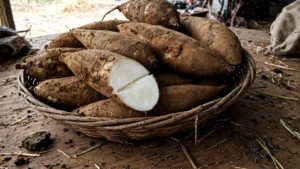
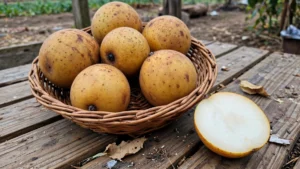
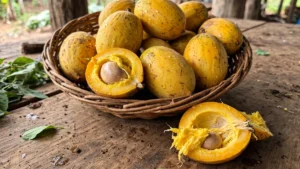
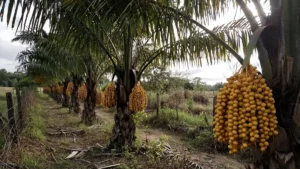
Sorva is the Amazon fruit almost nobody outside the region has tasted, and that is exactly why a sorva farm retreat feels like a discovery. The fruit grows on Couma utilis, a tall tree of the floodplain forests, and ripens into a round, brownish-yellow ball with sweet white pulp inside. Cut one open and a little milky sap beads along the skin, a leftover from the tree’s old trade in chewing-gum latex. Eaten fresh it is mild and honeyed, closer to a ripe pear than to the sharp Amazon berries, and pressed into juice it turns thick, pale and gently sweet.
A sorva farm stay is not a resort with a fruit theme pasted on top. The farms in this guide are working places where the trees stand in rows or scattered through old orchard land, where breakfast is served under a roof of leaves, and where the day is shaped by the river, the heat and the fruit falling. Some stays are simple riverside rooms with a shared table; others are full lodges with pools, boats and guides on staff. What they share is real sorva on the property and a pace that lets you taste the fruit soon after it was picked.
Below are nine sorva farm retreats worth booking in 2027, spread across the Amazon basin from Belém to Rio Branco. Each one is described by what it offers, what to be careful about, and who will enjoy it most.
Key takeaways
- Sorva, from the tree Couma utilis, is an Amazon fruit with milky sap and sweet white pulp, eaten fresh or pressed into juice.
- Ripe sorva drops from the tree, so the best visits line up with the weeks the fruit is falling.
- The flavour is mild and honeyed, closer to a pear than to tart Amazon berries.
- Stays range from simple riverside rooms to full lodges with boats and guides, and the price should state what meals, walks and tastings it covers.
- Farm kitchens cook with wheat flour every day, so guests who cannot eat gluten should confirm their meals before booking.
What a sorva farm retreat actually is
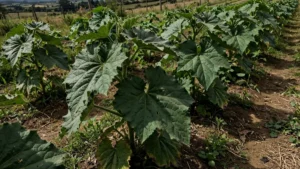
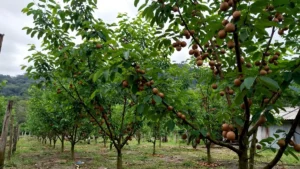
A sorva farm is a working orchard built around a tree that most of Brazil barely knows. Couma utilis grows tall and straight, with glossy leaves and clusters of round fruit that turn from green to warm yellow-brown as they ripen. When the fruit is ready it lets go and falls, so the harvest is a morning walk to gather what dropped overnight. The pulp is soft, pale and sweet, and the skin carries a thin line of milky latex.
The tree has a second history the farms like to tell. For decades its latex was collected and sold as a base for chewing gum, and the groves were planted for latex before they were kept for fruit. A stay on one of these farms is a walk through that history, with the trees doing the talking.
What a retreat adds is comfort and access. The farms below offer rooms, meals, fruit walks, river trips and tastings, and the better ones employ a guide who can tell a sorva from a mangaba at a glance. You need sturdy shoes, an appetite for sweet fruit, and a willingness to let the river set the schedule.
How we picked these stays, and what to ask first
We looked for farms where sorva grows on the land itself, not bought in for the weekend. A retreat earns its place here when guests can walk from their room to a sorva tree, pick up a fallen fruit, and taste it within the hour. We also weighed the rooms, the food, the guides and the honesty of the price.
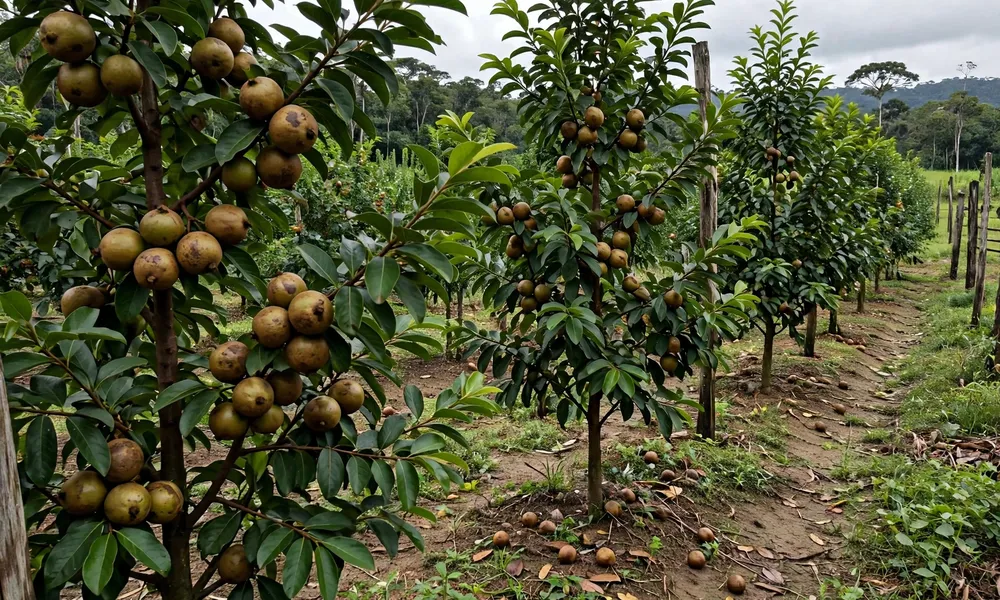
Three questions settle the booking before you pay. First, which weeks the fruit is falling, because a sorva trip outside that window is a farm stay without the fruit that gives it its point. Second, whether guests may gather fallen fruit themselves. Third, what the price covers: the room, the meals, the walks, the boat, and whether tastings are charged separately. A good farm answers all three in one message.
If you have eaten at a mangaba farm before, the shape of the trip will feel familiar, and our guide to the best luxury mangaba farm retreats shows how a sister fruit is handled on the cerrado. Sorva is a different tree from a different forest, but the questions to ask before booking are much the same.
The 9 best luxury sorva farm retreats of 2027
Belém, Pará — Sorva where the river meets the city
What we like: The shortest journey of any stay on this list, with sorva groves an hour from the city, river boats at the dock, and breakfast built around fresh fruit. What to consider: The city edge means traffic and noise at the start of the trip, and the groves are smaller than the deep-forest farms. Best For: First-time visitors who want sorva without a long journey. Style: Riverside lodge with wooden decks. Price Range: $110–$175 per night. Standout Feature: Morning fruit walks that end at the river.
Belém asks so little of the traveller. By the next morning you are standing under a sorva tree with a fallen fruit in your hand.
Manaus, Amazonas — Sorva in the heart of the forest
What we like: Deep-forest groves, a proper lodge with guides on staff, and boat trips that pair sorva tasting with river wildlife. What to consider: The journey takes a full day from the airport, and the heat and humidity are serious. Best For: Travellers who want the forest itself, not just the fruit. Style: Forest lodge with raised walkways. Price Range: $190–$290 per night. Standout Feature: Guided dawn walks through old sorva groves.
Manaus is the most complete sorva experience on the list, and the most demanding. The trees are tall and old, and the guides can trace the latex history of every grove.
Santarém, Pará — Sorva between two rivers
What we like: A rare setting where the Tapajós and the Amazon meet, with sorva groves on the bluffs and pale river beaches a short walk away. What to consider: The town is busy in the dry months, and the best rooms book out early. Best For: Couples who want fruit, rivers and beaches in one trip. Style: Bluff-top farmhouse with wide verandas. Price Range: $130–$210 per night. Standout Feature: Sorva juice served at sunset on the sand.
Santarém gives you two landscapes for the price of one. Mornings belong to the orchard, and afternoons belong to the river, where the water runs clear over white sand.
Macapá, Amapá — Sorva on the equator line
What we like: A small, quiet farm near the equator, with generous groves, patient hosts, and some of the sweetest sorva on this list. What to consider: Flights are limited and the town is low-key, so plan the journey carefully. Best For: Slow travellers who want a farm to themselves. Style: Family farm with simple, comfortable rooms. Price Range: $95–$150 per night. Standout Feature: Equator-side groves with fruit in abundance.
Macapá is the quiet choice, and the fruit repays the patience. The groves sit on flat land near the river, and the hosts have time to talk.
Boa Vista, Roraima — Sorva under wide northern skies
What we like: Open savanna light, a working farm with cattle and orchards side by side, and sorva that ripens in the drier air. What to consider: The north is far from everywhere, and the dry season brings dust and heat. Best For: Travellers who like open country and long horizons. Style: Ranch-style farm with shaded courtyards. Price Range: $100–$165 per night. Standout Feature: Sorva tasting under the open savanna sky.
Boa Vista feels different from the river farms, because the land is open and the sky does the work. The sorva grows alongside pasture, and the fruit comes in a little later.
Porto Velho, Rondônia — Sorva where the river runs brown
What we like: A large farm on the Madeira river, with boat access, strong guides, and sorva groves that stretch a long way back from the bank. What to consider: The town is a working river port, so the approach is practical rather than pretty. Best For: Groups and families who want space and river trips. Style: River farm with boat trips and a big shared table. Price Range: $120–$195 per night. Standout Feature: Boat journeys to groves you cannot reach by road.
Porto Velho suits travellers who like their fruit with a river journey attached. The Madeira is wide and brown, and the farm’s boats open up orchards that no road reaches.
Rio Branco, Acre — Sorva where the forest meets the road
What we like: A frontier farm with deep forest behind it, rubber-tapping history in the family, and sorva groves that feel genuinely wild. What to consider: The journey is long, the roads are rough, and the farm is remote. Best For: Adventurous travellers who want the far edge of the Amazon. Style: Frontier lodge with forest trails. Price Range: $140–$220 per night. Standout Feature: Forest trails where sorva grows among rubber trees.
Rio Branco is the wild card. The farm sits where the forest meets the road, the hosts are the children of rubber tappers, and the sorva grows half-wild among older trees.
Palmas, Tocantins — Sorva in the new capital’s hills
What we like: A young city with clean roads and easy flights, a farm in the hills behind it, and sorva groves with views over the valley. What to consider: The groves are younger than the Amazon farms, so the fruit is lighter in some years. Best For: Short stays and travellers who want easy logistics. Style: Hillside farm with modern rooms. Price Range: $105–$170 per night. Standout Feature: Hilltop breakfasts above the valley mist.
Palmas is the practical choice. The farm is close to the city, the rooms are comfortable, and the groves are easy to walk.
Araguaína, Tocantins — Sorva in cattle country
What we like: A big working farm where cattle, orchards and forest meet, with generous hosts and sorva that ripens in the open sun. What to consider: The farm is a working place first, so the pace is set by the cattle and the seasons. Best For: Travellers who want a real farm, not a staged one. Style: Working farm with long verandas and home cooking. Price Range: $90–$145 per night. Standout Feature: Home-cooked meals with sorva in the dessert.
Araguaína closes the list with honesty. This is a farm that happens to have sorva, not a sorva attraction with a farm attached.
Which sorva region fits your trip
The river towns suit first visits. Belém and Santarém give you sorva within easy reach of an airport, a river and a proper bed, and the fruit is reliable in season. If you have only a long weekend, start there.
The deep forest suits a longer stay. Manaus and Rio Branco ask for a week and repay it with old groves, river journeys and guides who know the trees by name. Macapá sits between the two, quiet and generous, and Porto Velho suits groups, because the farm is big and the boats are ready.
The drier edge suits a different kind of trip. Boa Vista, Palmas and Araguaína sit where the forest opens into savanna and cattle country, and the sorva there ripens in a different light. These are the stays for travellers who have already seen the river farms. If the Amazon berries are your reference point, our guide to the best luxury muruci farm retreats is a useful companion, because muruci grows in the same cerrado edge.
The caveats that matter
Sorva is a gentle fruit, but a farm trip still needs honest expectations. The fruit drops when it drops, and no farm can guarantee a heavy fall on a chosen date. The milky sap is normal and washes off with water, but it can irritate sensitive skin, and anyone with a latex allergy should ask their clinician before handling the fruit. River travel depends on the water level, and the heat is real in every season.
| Detail | What is known |
|---|---|
| Botanical name | Couma utilis, a tall tree of the Amazon floodplain forests |
| The fruit | Round, yellow-brown, with sweet white pulp and a line of milky sap on the skin |
| How it is eaten | Fresh from the fallen fruit, pressed into juice, or frozen into ice cream |
| Harvest pattern | Ripe fruit drops from the tree, so mornings are for gathering what fell overnight |
| Milky sap | Normal on the skin, washes off with water, and linked to the tree’s old latex trade |
| Who should ask first | Anyone with a latex allergy should check with their clinician before handling the fruit |
| Getting there | River boats and rough roads serve most farms, so allow a full day for travel |
| What it does not do | It does not keep for long after picking, so eat it fresh or as juice on the farm |
The other caveat is the one every farm guest forgets until dinner. Kitchens on these farms cook with wheat flour daily, in bread, in cakes and in the sauces that thicken a meal, so a gluten-free guest who stays quiet will be served wheat at the table. Say so in your first message, in plain words, and ask what the kitchen can do. The best luxury pitomba farm retreats guide covers the same question for a sister fruit: tell the farm early, and the farm will look after you.
Checklist: booking a sorva farm stay honestly
Use these checks before you book, and again the week before you travel.
- Ask which weeks the fruit is falling, and book inside that window rather than beside it.
- Ask whether guests may gather fallen fruit, or whether the harvest is for staff only.
- Ask for the price in writing, with room, meals, walks, boat trips and tastings spelled out.
- Ask about the road or river journey, and allow a full day for travel to the farm.
- If wheat is a problem for you, put it in your first message to the farm.
- Pack sturdy shoes, light clothes, sun protection and a bag for fruit to take home.
Frequently asked questions
When does sorva ripen in Brazil?
The fruit ripens in the wetter months, and the exact weeks move with the river and the farm. Ask the farm which weeks the fruit is falling before you book, because a stay outside that window is pleasant but not a sorva trip.
What does sorva taste like?
Mild, sweet and honeyed, with soft white pulp that eats like a ripe pear. It is not tart or sharp, which surprises people who expect another sour Amazon berry. As juice it is thick, pale and gently sweet.
Can visitors gather sorva on the farm?
On most farms, yes, for fallen fruit in the morning. Some farms leave the harvest to their own workers, and a few keep guests to the marked paths. The rule varies, so ask before you arrive.
Is sorva safe for people with a latex allergy?
The fruit carries milky sap from the latex family, so anyone with a latex allergy should check with their clinician before handling or eating it. Tell the farm as well, so the hosts know not to hand you fruit straight from the tree.
Which sorva farm suits a first visit?
Belém or Santarém, because both are easy to reach, the groves are close to the stay, and the fruit is reliable in season. Save Manaus or Rio Branco for a second trip, when you have a week for the forest.
How do guests who avoid gluten arrange safe meals on the farm?
Ask the farm in your first message whether the kitchen can cook without wheat, and what meals will look like. Farm kitchens use wheat flour daily, so a clear, early conversation is the only way to be sure.
The bottom line
The best sorva farm retreat in 2027 is the one that puts you under a real tree at the right week, with a host who knows the fruit and a kitchen that knows your needs. Belém and Santarém are the easy first visits, Manaus and Rio Branco are the deep-forest rewards, and the drier farms show the fruit in a different light. Pick the region that fits your time and let the fruit set the pace.
Go for the falling fruit, not the photograph. A sorva morning starts with what dropped overnight, tastes best within the hour, and ends with juice at breakfast and a story at dinner. That is the trip in full, and it is plenty.