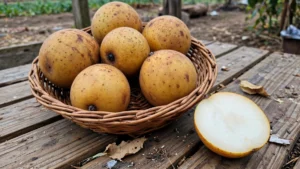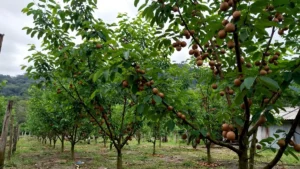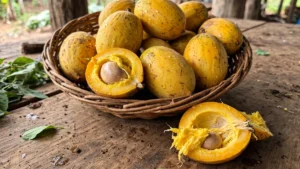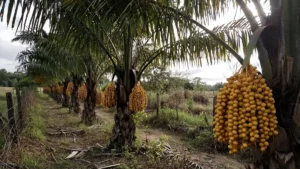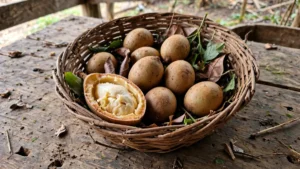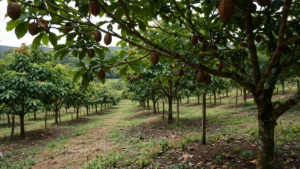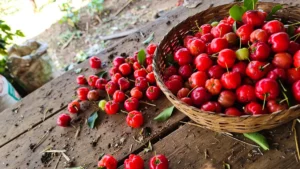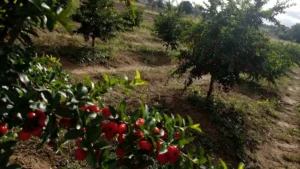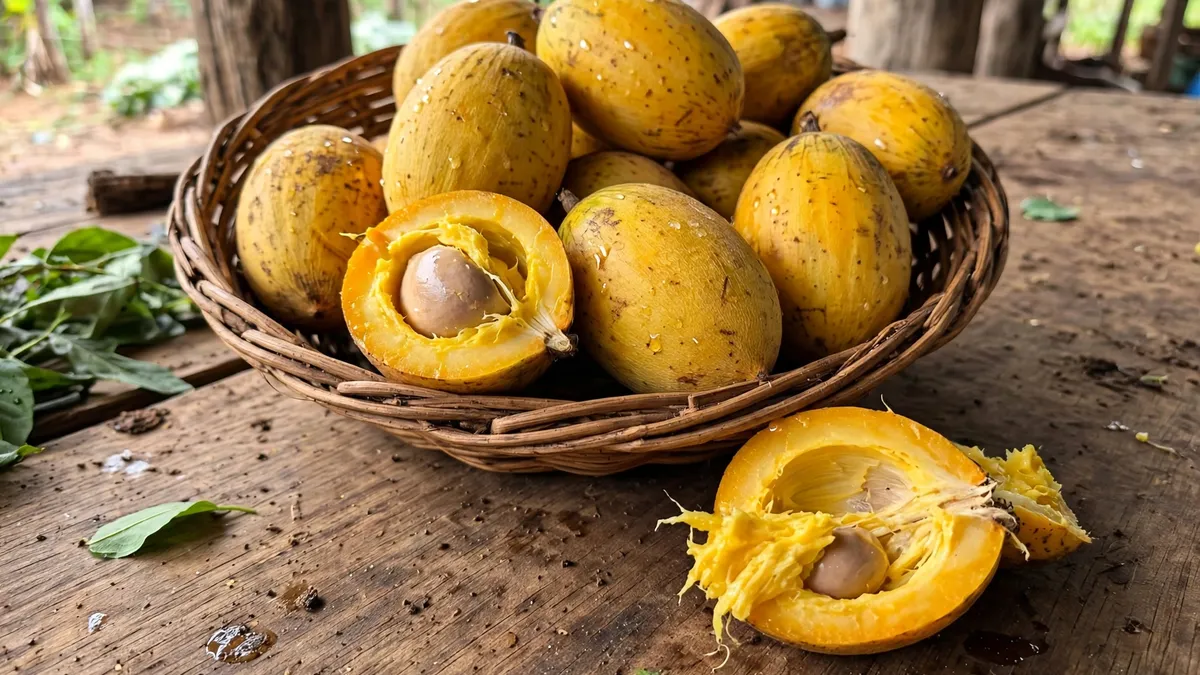

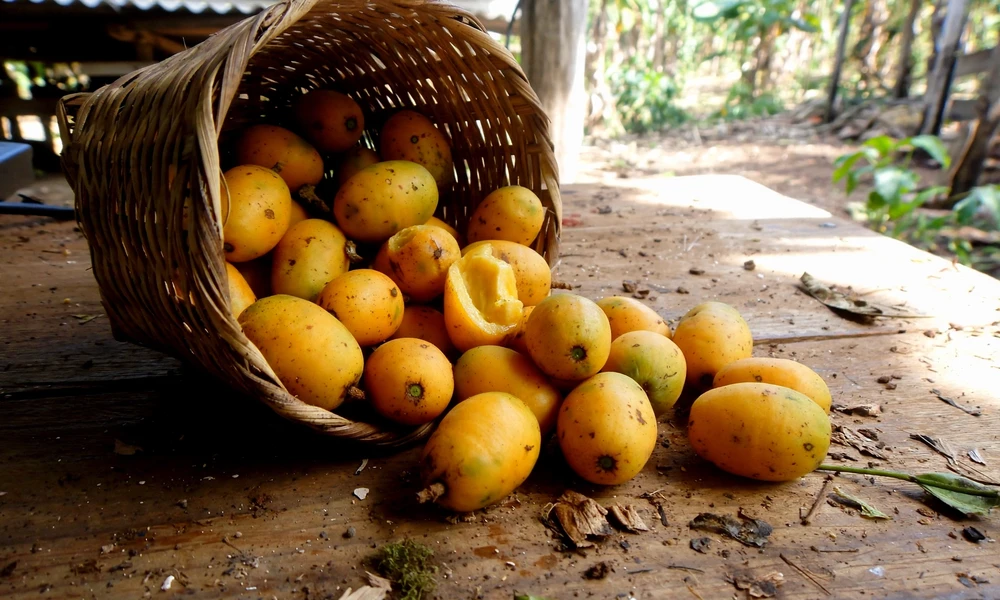
An inajá farm escape is a slow trip by design. You travel to a working grove of Attalea maripa, a tall Amazon palm whose yellow fruit is eaten fresh and pressed for oil, and you spend a few days inside the rhythm of the farm: early walks, a pressing shed, long lunches, and evenings that end when the generator goes quiet. There is no itinerary to race through and no queue to join. The trip works when you let the farm set the pace.
Planning it well matters more than it does for an ordinary holiday, because these farms are small, remote, and run by families rather than front desks. The harvest moves with the rains, the roads change after a storm, and the room you want may already be taken by someone who booked months ago. A little preparation, done early, is what turns a good idea into a trip that actually happens.
The nine steps below take you from the first decision to the last morning, with the practical details that matter most: when to go, how to reach the farm, what to ask the host, and how to pack for a place where the nearest shop may be hours away.
Key takeaways
- Pick the harvest window first: inajá ripens in the wet months, and the pressing shed runs when the fruit is ready.
- Book direct with the farm, in writing, and confirm the price, the meals and the transfers before you pay.
- Plan your route around the rains: roads and rivers change fast, and a spare day is worth more than a tight schedule.
- Pack light but practical: sturdy shoes, rain gear, insect cover and a small medical kit.
- Farm kitchens lean on wheat flour, so flag any gluten-free need in your opening message, well before you arrive.
What an inajá farm escape actually involves
An inajá farm escape is a stay on a working palm grove, usually for three or four nights, with your room, your meals and your walks arranged by the farm itself. The centre of the trip is the grove: tall palms in rows, heavy bunches of yellow fruit, and a pressing shed where the harvest is cleaned, pulped and pressed. You will join the harvest walk, watch the pressing, and eat food cooked with the oil made that week.
The days are simple. You rise early, walk the grove while the air is cool, and eat breakfast with fresh fruit, tapioca and coffee. The middle of the day belongs to the shed and to lunch, and the afternoon is for a river swim, a hammock, or a short trail. Evenings are quiet, with supper at a shared table and conversation that runs until the lights go out. There is little to buy and little to do beyond the farm, and that is the point.
It helps to know how inajá differs from the palms you may already know. Macaúba is the spiny palm of the cerrado, with smooth yellow-orange fruit and a golden oil of its own, and how to plan a macaúba farm escape describes a drier landscape and a different kitchen. Buriti is the scaly reddish-brown fruit of the wetlands, rich in orange flesh. Inajá is a forest palm of the floodplain and terra firme, milder in flavour, softer in its oil, and the most restful of the three to visit.
How to plan the escape and what to look for
Start with the harvest, not the flight. Ask the farm which weeks the bunches will be ripe, and build your dates around the answer. A farm that is honest about a slow harvest is a farm you can trust, and a farm that promises fruit in every month of the year is one to be careful with. A farm that grows inajá for sale, not just for show, will have oil, fruit and soap to sell, and the press will be a working part of the farm rather than a display.
Next, look at the route. Some farms are a short boat ride from a town, others are hours down a dirt road, and a few need both. Ask the host how guests usually arrive, what the transfer costs, and what happens if the river rises or the road floods. The farms that answer these questions clearly are the ones that will look after you when the weather turns.
Finally, compare the farms on what they actually offer. How to plan a tucumã farm escape shows a livelier trip, built around a spiny-trunked palm and street-style eating, while how to plan a buriti farm escape takes you into wetter country with better swimming. Inajá is the quieter choice, and the planning should be quieter too: fewer moving parts, more time on the farm, and a schedule with room to breathe.
The 9 steps to plan your inajá farm escape
1. Ask when the bunches ripen, then book around that
What to do: Message two or three farms and ask when their inajá will be ripe, then choose your dates from the overlap. What to avoid: Buying flights and trusting the fruit will be ripe. Best For: Anyone who wants the pressing shed running during their stay. Time Needed: An afternoon of messages. Standout Tip: Ask for a photo of the bunches as they are now, not as they were last season.
The harvest is the heart of the trip, and it moves with the rains, so the farm’s word matters more than any calendar. A good host will tell you plainly whether your dates fall in the window, and will suggest a different week if they do not. Some farms reply within a day, others take a week, so start the conversation early and keep the thread in one place. If two farms give you the same window, that is a good sign the season is real, not a guess.
2. Choose the farm that fits your pace
What to do: Weigh the distance, the terrain and the style of each farm against how much walking and travelling you enjoy. What to avoid: Picking the cheapest farm without checking how far it is from the nearest town. Best For: Travellers who want the trip to feel easy rather than heroic. Time Needed: A day of reading and comparing. Standout Tip: A farm near Belém or Santarém is the gentlest first visit.
Belém and Santarém suit first-timers, Manaus and Rio Branco suit walkers, and Macapá suits anyone who wants to learn the craft of pressing. The right farm is the one whose pace matches yours, not the one with the prettiest photos.
3. Book direct and get it in writing
What to do: Message the farm directly, agree the dates, the price and what is included, and ask for it in a written message. What to avoid: Paying in full through a stranger or a link you cannot verify. Best For: Anyone who wants a clear record of the deal. Time Needed: A few messages over a week. Standout Tip: Ask for the cancellation terms before you send any money.
Small farms run on trust and on paper trails kept in message threads. A written agreement protects both sides, and a farm that is willing to put its prices in writing is a farm that intends to honour them.
4. Work out how you get there before anything else
What to do: Ask the farm how guests usually arrive, book the transfer with the farm where possible, and leave a buffer at both ends. What to avoid: Arriving late in the day with no transfer arranged. Best For: Travellers flying into Belém, Manaus or Macapá. Time Needed: An evening of planning. Standout Tip: Arrive in the gateway town a day early, so a delayed flight does not cost you a farm day.
The last stretch is where trips go wrong: a flooded road, a missed boat, a driver who did not get the message. A buffer day and a transfer booked through the farm are the two cheapest insurance policies you can buy. If the farm offers a boat, ask what time it leaves and what happens if you miss it. A farm that has a plan for a missed connection is a farm that has done this before.
5. Flag the wheat problem before you book, not at the table
What to do: Say plainly, in your first message, that you need gluten-free food, and ask what the kitchen can offer. What to avoid: Mentioning it for the first time at the dinner table. Best For: Anyone who cannot eat wheat. Time Needed: A single line in your opening note. Standout Tip: Bring a small pack of your own snacks for the travel days.
Farm kitchens cook with wheat flour every day, and they need time to plan around it. Told early, most hosts will happily adapt, with rice, tapioca and fresh fruit carrying most meals. Told late, they can only apologise.
6. Dress for mud, rain and insects
What to do: Pack sturdy shoes, a light rain jacket, long sleeves, insect repellent and a small medical kit. What to avoid: A suitcase full of smart clothes and a single pair of sandals. Best For: Anyone spending time in the grove and on the trails. Time Needed: An hour of packing. Standout Tip: A headlamp is worth more than a second pair of shoes.
The grove is muddy after rain, the trails are uneven, and the insects are active at dusk. Practical clothing and a small kit of plasters, antiseptic and your own medicines will cover almost everything that comes up.
7. Learn a little Portuguese before you go
What to do: Learn greetings, numbers, food words and a few phrases about the farm. What to avoid: Assuming the host speaks English. Best For: Anyone who wants the conversations, not just the scenery. Time Needed: A few evenings with an app. Standout Tip: Learn the words for fruit, oil, rain and road: you will use them every day.
Most farm hosts speak little English, and the best part of the stay is the talk around the table. Even a small amount of Portuguese opens doors that a translation app alone cannot.
8. Spend the first morning walking the grove
What to do: Spend your first morning on the harvest walk, with the host, before you do anything else. What to avoid: Sleeping in and missing the cool hours. Best For: Anyone who wants to understand the farm before relaxing into it. Time Needed: Two hours at dawn. Standout Tip: Bring a notebook: the names and dates you hear on the walk are worth writing down.
The grove walk is the orientation for the whole trip. Once you have seen the palms, the bunches and the pressing shed, everything else — the food, the oil, the stories — falls into place.
9. Buy the oil on the morning you check out
What to do: Wait until the last morning to buy oil, soap or fruit, when you have seen how it is made. What to avoid: Buying on arrival, before you know what is fresh. Best For: Anyone who wants to take a real piece of the farm home. Time Needed: Half an hour at the shed. Standout Tip: Check the seal and pack bottles upright in a sealed bag.
By the last morning you will know which oil was pressed this week and which bottle is worth carrying home. Buying late also means the oil travels less, stays fresher, and arrives home in the condition you bought it.
Matching the trip to you
A short trip of three nights suits most people: one day to arrive and settle, one for the grove and the shed, and one for the river or the lake. Four or five nights suits walkers and photographers, who will want the extra mornings in the grove. A single night is rarely worth the journey, since the travel eats most of the day at both ends. A longer stay also gives you room to recover from a rainy day without losing the trip. If the first morning is washed out, a five-night stay still leaves four good days, while a two-night stay leaves almost nothing.
Families should favour the flatter farms, where children can run and swim safely, while couples who want quiet should look at the smaller groves. Solo travellers do well almost anywhere, since the shared table makes company easy, but it is worth telling the host you are travelling alone, so they can plan the walks around you.
The caveats that matter
An inajá farm escape is a working farm, not a resort, and the honest warnings are worth hearing before you go. Roads flood, rivers rise, harvests slip by a week, and a pressing session can be delayed if the fruit is not ready. None of this is a reason to stay home, but it is a reason to keep your plans flexible and your expectations honest.
| Detail | What is known |
|---|---|
| Scientific name | Attalea maripa, also called Maximiliana maripa |
| Best season | Wet months, when bunches ripen and the shed runs |
| Ideal length | Three nights for most travellers; four or five for walkers |
| Getting there | Boat or dirt road from Belém, Manaus, Macapá or Porto Velho |
| What to pack | Sturdy shoes, rain gear, long sleeves, repellent, headlamp |
| Language | Portuguese helps a great deal; hosts rarely speak English |
| Gluten note | Wheat flour is common; tell the kitchen in your first message |
| What it does not do | It is not a resort; weather and harvests can shift plans |
If you take prescription medicine, have a nut or seed allergy, or are pregnant, check with your clinician before eating unfamiliar fruit or using new oils. A quick check before the trip is worth more than a worried afternoon on the farm.
Checklist: planning your inajá farm escape honestly
Use these checks as you book, and again the week before you travel.
- Confirm the harvest window with the farm in writing before you book flights.
- Agree the price, the meals, the walks and the transfer in a written message.
- Arrive in the gateway town a day early, in case of delays.
- Tell the kitchen about wheat and allergies in your first message.
- Pack sturdy shoes, rain gear, repellent and a small medical kit.
- Keep a spare day at the end, in case rain or a river changes the plan.
Frequently asked questions
When should I go to an inajá farm?
In the wet months, when the bunches ripen and the pressing shed is busy. Ask the farm for the current state of the grove, since the exact weeks shift with the rains.
How do I reach the farm?
Most farms are reached by boat or dirt road from Belém, Manaus, Macapá or Porto Velho. Ask the host how guests usually arrive, and book the transfer through the farm where you can.
How would you describe the taste of inajá?
Mild and softly sweet, with a smooth pulp eaten fresh. It is gentler than buriti and less dense than tucumã, and the oil tastes soft and neutral.
Can I buy inajá oil to take home?
Yes, most farms sell small bottles pressed on site. Buy on your last morning, check the seal, and pack the bottles upright in a sealed bag.
Is English enough on an inajá farm?
It helps a great deal. Most hosts speak little English, and a few phrases about fruit, oil, rain and roads will carry you through the stay.
How many nights does an inajá escape need?
Three nights is the sweet spot for most travellers, with four or five better for walkers and photographers. One night is rarely worth the journey.
The bottom line
An inajá farm escape rewards the traveller who plans around the harvest, books direct, and leaves room in the schedule for rain and rivers. Three nights, a farm that answers plainly, and a kitchen told about wheat in the first message will cover almost everything that matters.
Choose the farm that fits your pace, arrive a day early, keep the first morning for the grove, and buy your oil on the last morning. Do that, and the Amazon will give you one of its quietest and most honest trips.