Planning a yacon farm escape starts with a single fact: the root decides the date. Yacon grows as Smallanthus sonchifolius, a tall Andean plant, and its crisp sweet tubers are ready only once the leaves have died back and the roots have had their days in the sun. A trip booked around the harvest will give you mornings of digging, juice pressed the same day, and hosts who are proud of the syrup. A trip booked on any other logic will give you a pleasant mountain stay, and a sense that you missed the point.
The planning, happily, is the easy part. There are no permits to chase and no specialist kit to purchase. You need a farm that grows real yacon, a room booked inside the harvest weeks, a journey that leaves a full day for travel, and a short message to the kitchen about what you can and cannot eat. The rest is walking, tasting and letting the altitude set the pace.
This guide walks through the nine steps that turn a vague idea into a booked escape, from choosing the weeks to buying syrup for the journey home. Follow them in order, and you will arrive at the right farm, at the right week, ready for the root.
Key takeaways
- Yacon, from the plant Smallanthus sonchifolius, is dug once the leaves die back, so the harvest weeks, not the calendar, should set your travel dates.
- Book a farm where yacon grows on the land, and confirm that guests may join the digging.
- Mountain roads and high passes serve most farms, so allow a full day for the journey in either direction.
- Taste the tuber raw, as juice and as syrup, because each form shows a different side of the root.
- Farm kitchens cook with wheat flour every day, so guests who cannot eat gluten should bring it up in their first message.
What a yacon farm escape involves
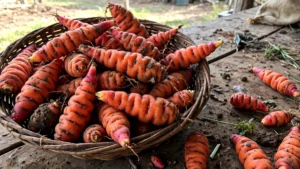
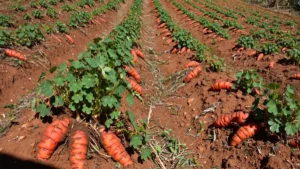
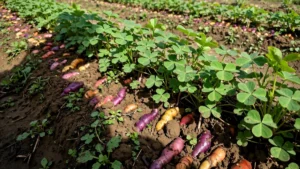
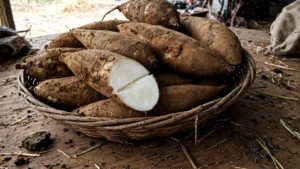
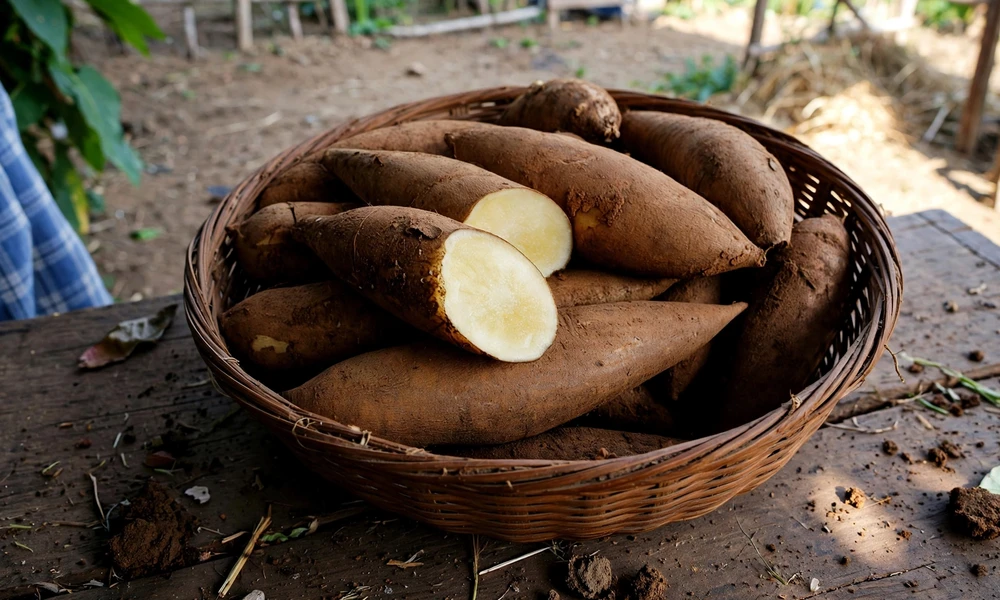
A yacon farm escape is a short stay on a working farm where the root is the centre of the day. You sleep in a farm room or a small lodge, you eat at the farm table, and you walk the terraces in the morning to dig what the season has made ready. The tubers are brushed clean on the spot, the flesh is eaten raw, and the rest of the day is for juice, syrup, valley walks and rest.
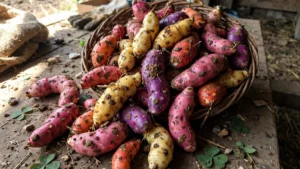
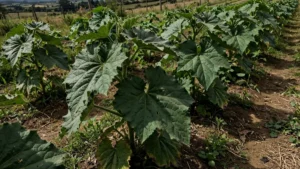
A little knowledge of the plant goes a long way before you go. Smallanthus sonchifolius grows tall and leafy on the Andean slopes, and its tubers carry their sweetness in fructooligosaccharides, which taste honeyed without the sharpness of cane sugar. The roots do not keep long once cut, which is why they are eaten on the farm, pressed into juice, or boiled down into syrup within hours.
What the escape asks of you is modest. Sturdy shoes for the terrace paths, warm layers for the mountain air, patience for the high roads, and an appetite for sweet roots. The farm provides the rest: the terraces, the table, the guide and the mules.
How to plan it, and what to check first
Start with the harvest weeks, not the flights. Write to two or three farms and ask which weeks the yacon is being dug, then build the trip around the answer. Farms that grow yacon properly can name the window, because they watch the leaves every day.
Next, check the practical facts. How do you reach the farm, how long does the journey take, and does the price cover the room, the meals, the walks, the mules and the tastings? Ask for the answer in writing, because a price that looks low on the website can grow quickly when mules and tastings are charged separately.
Finally, think about what you eat. Farm kitchens cook with wheat flour every day, in bread, in soups and in the sauces that thicken a meal, and a guest who says nothing will be served wheat at the table. If that matters to you, mention it in your first message. Travellers who have planned a camu camu trip before will find the shape familiar, and our guide to how to plan a camu camu farm escape covers the same first steps, even though yacon is a different plant from a different altitude.
The 9 steps to plan a yacon farm escape
1. Time the trip for the weeks the tubers are dug
What to do: Write to the farm and ask which weeks the yacon is being dug, then choose dates inside that window. What to avoid: Booking flights first and hoping the harvest cooperates. Best For: Anyone who wants the root, not just the farm. Time Needed: One afternoon of messages. Standout Tip: The farm’s answer is the trip: if the digging is on, go.
The harvest is the whole point of the trip, so it comes first. Yacon is dug once the leaves die back and the exact weeks move with the valley and the farm, which is why the farm’s own word matters more than any calendar.
2. Choose between valley farms and high-altitude stays
What to do: Pick a valley farm near Cusco or Huancayo for a short first trip, or a high-altitude stay near Arequipa or La Paz for a longer one. What to avoid: Choosing the highest farm for a three-day trip. Best For: Travellers fitting the stay to the time they have. Time Needed: An evening spent comparing farms. Standout Tip: Short trip, valley farm; long trip, high stay.
The altitude decides the shape of the escape. Valley farms give you yacon within easy reach of an airport, a market and a proper bed, while high stays give you old terraces, valley journeys and guides who know the plants by name.
3. Confirm the morning digging is open to guests
What to do: Ask the farm directly whether guests can walk the terraces in the morning and dig alongside the workers. What to avoid: Assuming that digging is part of every stay. Best For: Anyone who wants to dig the root themselves. Time Needed: One message. Standout Tip: The morning digging is the heart of the trip, so confirm it before you book.
Digging is the experience the whole escape is built around, and it is not guaranteed everywhere. Some farms leave the digging to their own workers, and a few hold guests to the marked paths. The rule varies, so the question is worth asking plainly before any money changes hands.
4. Ask for a room that looks out on the terraces
What to do: Ask for a room that looks out on the terraces, so the first thing you see is the fields. What to avoid: Taking the cheapest room without asking where it stands. Best For: Early risers and anyone who likes waking to the farm. Time Needed: One message at booking. Standout Tip: A terrace view costs nothing extra on most farms if you ask early.
The room matters more than it seems, because the farm day starts early and the terraces are where it starts. A room that faces the fields puts you a minute from the morning digging. Ask early, because the terrace rooms are the first to go.
5. Raise the wheat question in your first message to the farm
What to do: Tell the farm in your first message if you cannot eat gluten, and ask what the kitchen can cook for you. What to avoid: Waiting until the first dinner to bring it up. Best For: Gluten-free guests and anyone carrying a food allergy. Time Needed: One sentence, sent early. Standout Tip: A farm that answers plainly is a farm that will look after you at the table.
Farm kitchens cook with wheat flour daily, in bread, in soups and in the sauces that thicken a meal, so a guest who stays quiet will be served wheat at the table. The fix is simple: one clear sentence, sent early, in your first message.
6. Taste yacon raw, as juice and as syrup
What to do: Eat the tuber raw, drink it as juice, and try the syrup, all before the last day. What to avoid: Tasting it once and deciding you already know it. Best For: Food lovers and anyone curious about the root. Time Needed: One morning and one afternoon. Standout Tip: The juice shows the sweetness, the syrup shows the perfume.
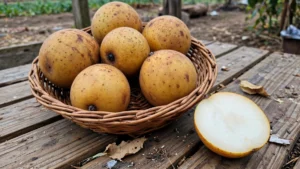
Yacon changes with the form. Raw, it is crisp and pear-like, cool and juicy from the field. As juice it turns light, pale and gently sweet, and as syrup it keeps the floral depth of the root.
7. Learn the sun-curing rule before you eat a tuber
What to do: Ask the guide how long the tubers rest in the sun, and eat only the roots the farm says are ready. What to avoid: Eating a tuber straight from the ground and judging the sweetness on it. Best For: Anyone digging roots, and anyone who wants the full flavour. Time Needed: Five minutes beside the guide. Standout Tip: A few days in the sun is what turns a plain root sweet.
Freshly dug yacon is mild, and the sweetness builds as the tubers rest in the sun, which is why the farm lays them out in rows after digging. Five minutes with the guide at the start of the walk covers everything you need to know, and the difference in flavour is easy to taste.
8. Let a local guide lead the terrace walk
What to do: Book the farm’s guided walk, and let the guide show you which terraces are ready and which are still growing. What to avoid: Wandering the terraces alone on your first morning. Best For: First-time visitors and anyone who wants to learn the plants. Time Needed: Two to three hours. Standout Tip: The guide knows the syrup history of every valley, and it is worth hearing.
The guide is what turns a walk into a proper lesson.
9. Buy syrup and dried yacon to take home
What to do: Ask the farm what syrup, dried slices or tea you can buy on the last morning, and pack it in a cool bag. What to avoid: Taking fresh tubers home and expecting them to keep. Best For: Anyone who wants the flavour to last after the trip ends. Time Needed: Half an hour ahead of checkout. Standout Tip: Bottled syrup travels better than fresh tubers, and the farm will usually seal it for you.
Yacon does not keep long once cut, so fresh tubers are a poor souvenir. Bottled syrup, dried slices and leaf tea travel far better, and most farms sell them from the kitchen. Buy on the last morning and keep it cool.
Picking the right season and region
The season is set by the root, and the root follows the leaves. Yacon is dug once the leaves die back, when the dry season is settling in and the valleys are at their clearest, and the exact weeks move from farm to farm. That is why the farm’s own word matters more than any guide’s calendar.
The region is set by your time. Cusco and Huancayo suit a long weekend, because the journey is short and the terraces are close to the stay. Arequipa and La Paz suit a full week, because the journey is long and the high valleys repay patience. Cajamarca suits a slow middle path, and the warmer farms suit travellers who want the root in gentler country rather than on the high passes.
If you have already planned a trip for one of the Amazon’s dark berries, the contrast is instructive, and our guide to how to plan an acai farm escape shows how a different crop, at the other end of the altitude scale, changes the season, the roads and the food. Yacon is crisper and cooler, and the trip around it is gentler too.
The caveats that matter
Yacon is a gentle root, but a farm escape still needs honest expectations. The tubers sweeten when they sweeten, and no farm can promise a heavy harvest on a set date. Mountain travel depends on the passes, the roads can be rough, and the altitude is real in every season. Pack warm layers, sturdy shoes and sun protection, and allow a full day for the journey in either direction.
| Detail | What is known |
|---|---|
| Botanical name | Smallanthus sonchifolius, a tall leafy perennial of the Andes |
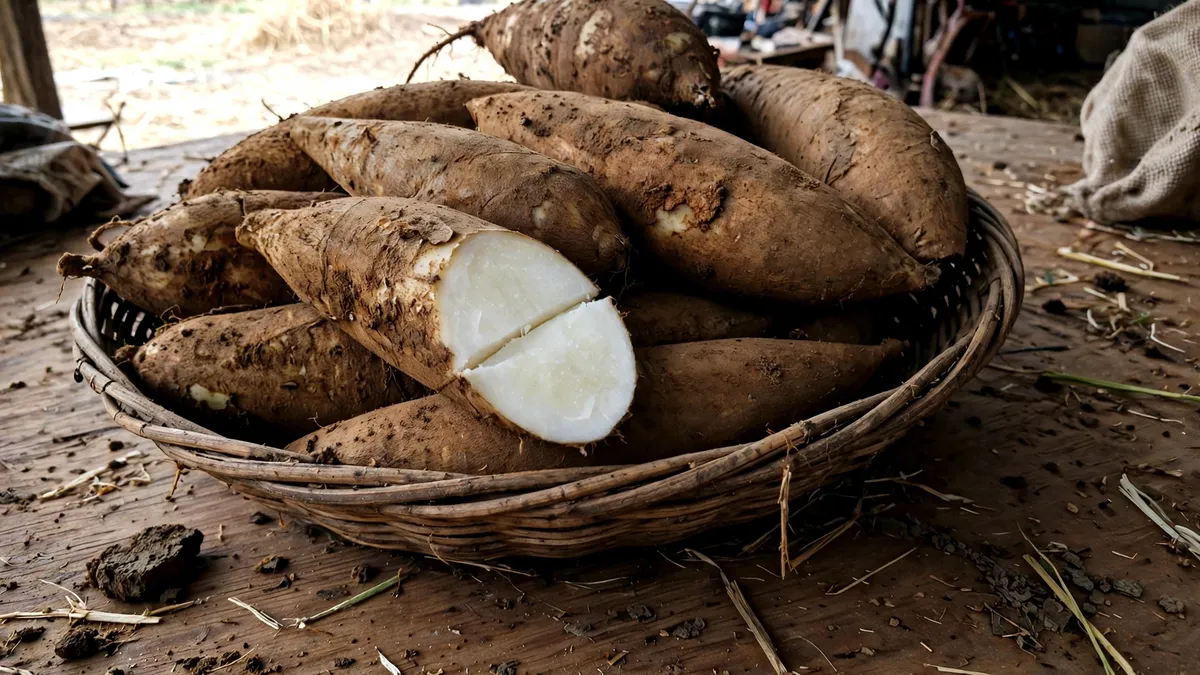
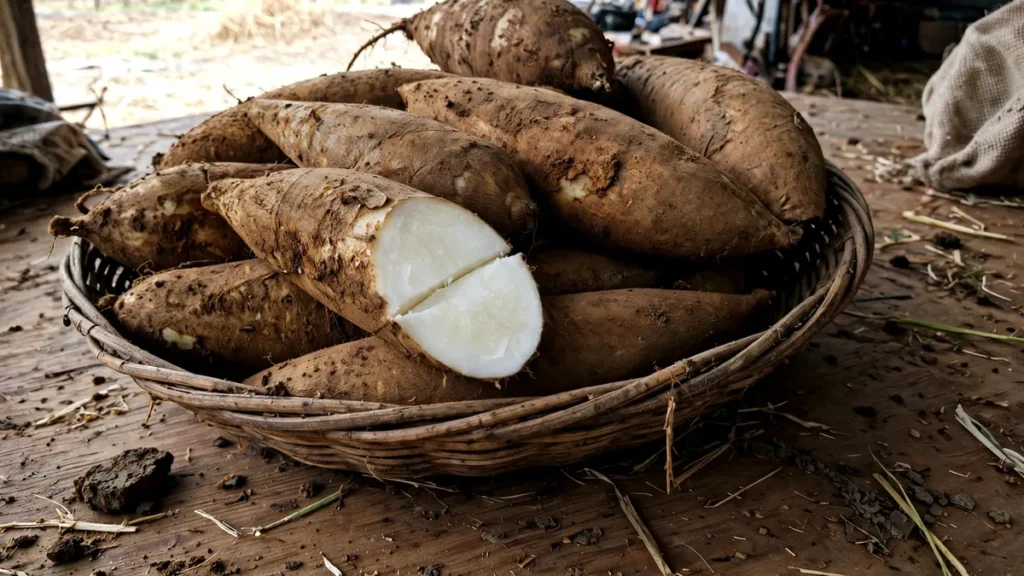
| The tuber | Crisp, sweet and juicy, with pale flesh that eats like a cold pear |
| When to go | Once the leaves die back, in the weeks the tubers are being dug; ask the farm for the window |
| How long to stay | Three nights for a valley farm, five to seven for a high-altitude stay |
| Getting there | Mountain roads and high passes serve most farms, so allow a full day for travel |
| Sun-curing | Tubers rest in the sun after digging, and the sweetness builds over a few days |
| Who should ask first | Anyone managing blood sugar, or with a sensitive stomach, should check with their clinician before eating a lot of it |
| What to bring home | Bottled syrup, dried slices or leaf tea, because fresh tubers do not keep long |
The caveat that catches most guests is the food. Farm kitchens cook with wheat flour daily, and a gluten-free guest who stays silent will be served wheat at the table. Raise it in your first message, plainly, and ask what the kitchen can manage. The how to plan a guarana farm escape guide makes the same point for the same reason: tell the farm early, and the farm will look after you.
Checklist: before you book a yacon farm escape
Use these checks before you book, and again the week before you travel.
- Ask the farm which weeks the tubers are being dug, and book inside that window.
- Ask whether guests may join the morning digging on the terraces.
- Ask for a written price that lists the room, the meals, the walks, the mule trips and the tastings.
- Ask about the mountain road or pass, and allow a full day for travel.
- If you cannot eat gluten, name wheat in your first message to the farm.
- Pack sturdy shoes, warm layers, sun protection and a cool bag for syrup to take home.
Frequently asked questions
How many nights does a yacon escape need?
Three nights for a valley farm near Cusco or Huancayo, and five to seven for a high-altitude stay near Arequipa or La Paz. The digging mornings are the point, so allow at least two full mornings on the farm.
Is a car needed to reach a yacon farm?
Usually not, and often a car would be no help at all. Most farms are reached by the farm’s own vehicle, by mule, or by a rough road that suits a local driver. Ask the farm how the journey works.
Can children come on the digging morning?
Yes, on most farms, and children usually love the morning digging. Keep them with the guide, wash hands after handling the earth, and let the farm know about any food allergy before the walk.
What should I pack for a yacon farm?
Sturdy shoes for the terrace paths, warm layers for the mountain air, sun protection, insect repellent, and a cool bag for syrup to take home.
How is yacon different from jicama?
Yacon is Smallanthus sonchifolius, a tall Andean plant in the sunflower family whose tubers are sweet and honeyed, while jicama is Pachyrhizus erosus, a Mexican vine root that is crisp and mild but not sweet. Both are eaten raw, but they are different plants from different continents.
Can I buy yacon products to take home?
Yes. Most farms sell bottled syrup, dried slices and leaf tea from the kitchen, and bottled syrup travels best. Buy on the last morning and carry it in a cool bag.
The bottom line
A yacon farm escape is a simple trip done well: pick the harvest weeks, book a farm that grows real yacon, ask the three questions before you pay, and give the journey a full day. Three nights will do for a valley farm, a week for the high valleys, and either way the mornings will belong to the digging and the evenings to the mountains.
Go for the root, not the photograph. Dig in the morning, taste it three ways, and bring the syrup home bottled. That is the escape in full, and it is enough.