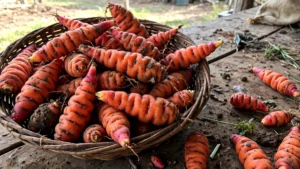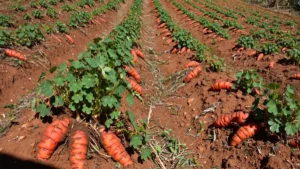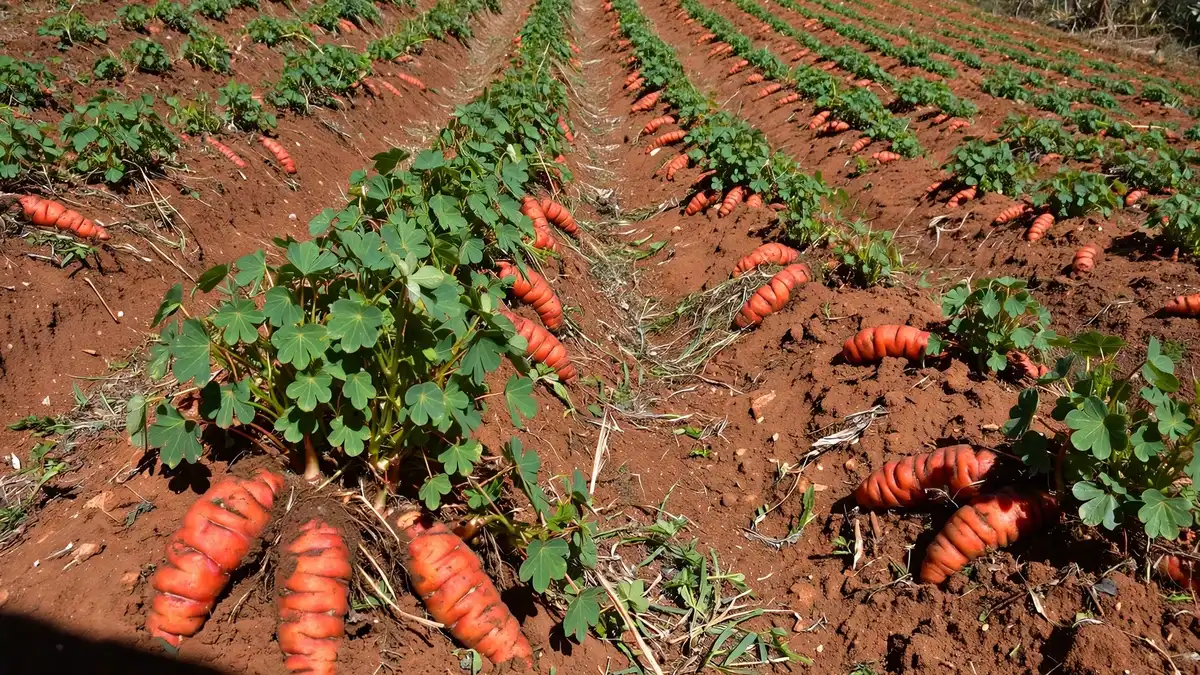
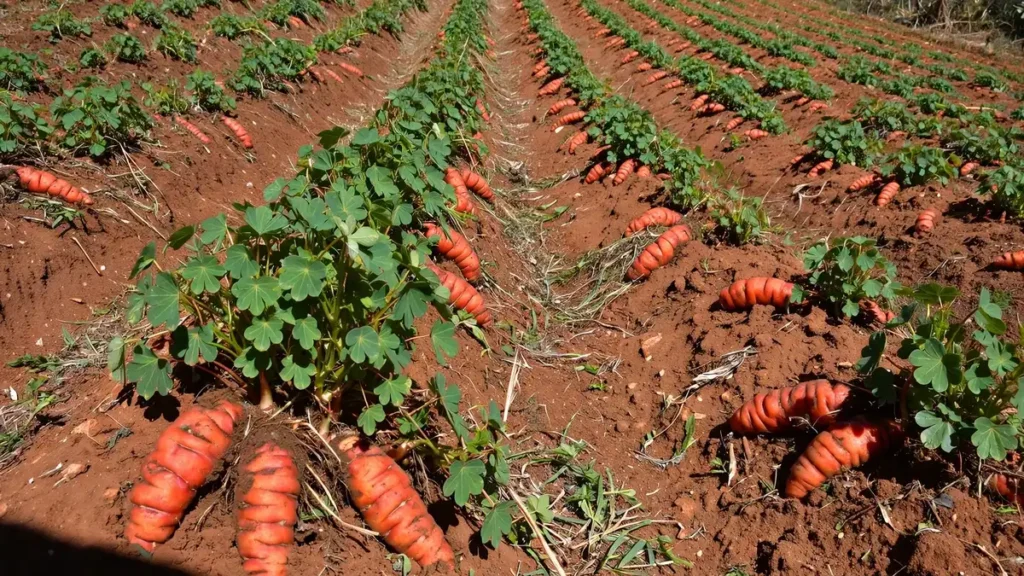
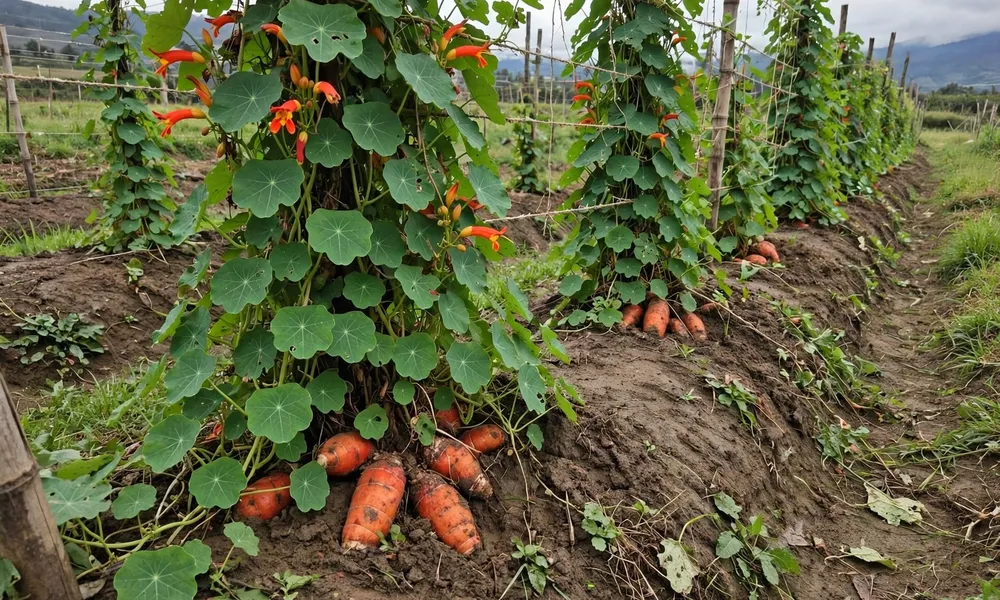
Mashua is not a fruit you pick from a tree. It is a tuber you dig out of cold Andean soil, and the farms that grow it sit higher than most travellers have ever slept. At 3,000 metres and above, the air is thin, the nights are cold, and the fields are striped with yellow, orange and red tubers that look like small painted carrots. A mashua farm retreat is a stay on one of those farms: a guest room in a farmhouse, meals cooked from the field you walked that morning, and a morning spent with a digging fork in your hands.
What makes mashua worth the climb is the flavour. Raw, it is fiercely peppery, closer to a radish with a mustard bite than to a potato. Cooked, it softens into something earthy and faintly sweet, with a waxy texture that holds up in soups and roasts. The farms below have learned how to cook it well, which matters, because a badly cooked mashua is the fastest way to decide you do not like it. A good one changes your mind in a single bowl of soup.
Below are nine farm retreats across Peru, Bolivia and Ecuador that grow mashua properly and welcome guests to take part. Each one is described by what it offers, what to be careful about, and who will enjoy it most, so you can pick a stay that fits how you travel, not just a place on a map.
Key takeaways
- Mashua is an Andean tuber, peppery when raw and mild and earthy once cooked, grown at 2,400 to 4,000 metres in Peru, Bolivia and Ecuador.
- The best retreats pair a working farm with a proper kitchen, so the tuber is cooked by people who know it, not served as a novelty.
- Harvest runs roughly April to July in the southern hemisphere, and the digging mornings are the heart of the stay.
- Altitude is the real challenge of these trips, not the food, so plan a slow first day and drink more water than usual.
- Mashua itself contains no gluten, but farm kitchens cook with wheat flour too, so tell the farm about any gluten-free needs before you book.
What mashua is, and why it makes a good farm stay
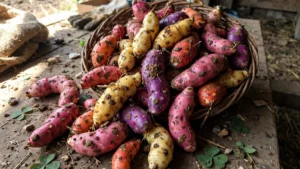
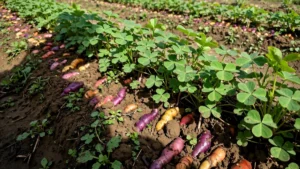
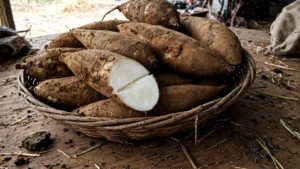
Mashua, Tropaeolum tuberosum, is one of the Andean tuber crops that fed the highlands long before potatoes became a global staple. It grows alongside oca, ulluco and native potatoes in the same small fields, usually planted in October or November and dug up in the autumn months that follow. The tubers are elongated and knobbly, in shades of yellow, orange, red and purple, sometimes striped with maroon, and they store well in the cold mountain air without refrigeration.
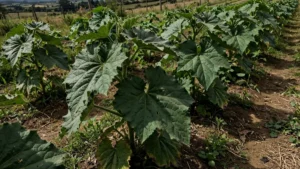
The plant is a close cousin of the garden nasturtium, Tropaeolum majus, which is grown for its bright flowers and peppery leaves. Mashua shares the family and the peppery bite, but the crop is underground. Its leaves and flowers are edible too, and some farms serve them in salads, but nobody travels to a mashua farm for the leaves. The tuber is the point, and the farms that take it seriously grow several varieties, each with its own colour and its own heat.
A farm stay works here because mashua is a hands-on crop. Planting, weeding, digging and cooking all happen in the open, and guests can join in without special skill. The altitude keeps the pace slow, the meals are built around what came out of the ground that day, and the evenings are quiet in a way that lowland resorts rarely manage.
How to choose a mashua farm retreat
Start with the kitchen, not the view. A farm that cooks mashua every day will serve it boiled, roasted, and in soup, and the cook will know which varieties stay firm and which ones turn soft. A farm that treats it as a garnish will serve you one small portion and move on. Ask what the menu looks like on a normal week, and how many mashua dishes appear in it. The answer tells you more than any photo of the valley.
Then check the altitude and the walk. Most of these farms sit between 3,000 and 3,800 metres, and the digging fields are often a twenty-minute walk uphill from the house. If you have never slept above 2,500 metres, choose a farm with a lower first night, or arrive a day early in a nearby town. Our guide to jabuticaba farm retreats covers the same question of arriving slowly, because the lowland fruit farms face a different version of the same problem: the body needs a day to catch up with the place.
The 9 best mashua farm retreats of 2027
Cusco and the First Dig of the Season
What we like: A family farm on the terraces above the Sacred Valley, with five mashua varieties in rotation and a cook who roasts them in a clay oven. The digging mornings start early and finish with soup by noon.
What to consider: The guest rooms are simple, with shared bathrooms, and the path to the upper field is steep. Best For: Travellers who want to work in the morning and eat well at noon. Style: Working terraced farmhouse. Price Range: $85–$130 per night. Standout Feature: Five mashua varieties grown side by side for tasting.
Arequipa and the Volcano-Framed Fields
What we like: A quiet farm on the slopes outside Arequipa, with long views toward the volcanoes and a garden that grows mashua beside quinoa and broad beans. The rooms are warm, and the kitchen is the centre of the house.
What to consider: The farm is a forty-minute drive from the city, and there is no public transport after dark. Best For: Couples who want a calm base with good food. Style: Quiet highland farmhouse. Price Range: $95–$145 per night. Standout Feature: A kitchen garden where guests pick their own supper vegetables.
Huancayo and the Market Town Stay
What we like: A farm stay close enough to Huancayo to visit the Sunday market, where mashua is sold by the sack alongside oca and ulluco. The farm keeps a small herd of alpacas, and the rooms look over the fields.
What to consider: Market days are busy, and the town is louder than the farm. Best For: Travellers who like a market morning as much as a field morning. Style: Market-town farm with animals. Price Range: $70–$110 per night. Standout Feature: Sunday market trips with the farm family.
Cajamarca and the Slow Northern Hills
What we like: A gentle, green farm in the northern highlands, lower than the Cusco stays, with soft mornings and a dairy next door. The mashua here is milder, and the cook serves it mashed with cheese.
What to consider: It rains more here than in the southern highlands, and the roads can be muddy. Best For: First-time highland travellers who want a gentler altitude. Style: Green dairy-country farm. Price Range: $75–$120 per night. Standout Feature: Mashed mashua with local cheese, served at breakfast.
Ayacucho and the Weavers’ Valley
What we like: A farm in a valley known for weaving, where guests can spend a morning digging mashua and an afternoon watching textiles take shape. The food is simple, filling, and cooked over wood.
What to consider: The road in is rough, and the farm has no wifi. Best For: Travellers who want craft and food in the same trip. Style: Craft-valley farmhouse. Price Range: $80–$125 per night. Standout Feature: Weaving workshops beside the tuber fields.
Puno and the Lake-Edge Plots
What we like: A farm near Lake Titicaca, where mashua grows in small plots sheltered from the wind, and the nights are cold and starry. The family cooks a thin, warming soup that suits the altitude.
What to consider: Puno is high and cold, and the wind can be sharp in the afternoon. Best For: Travellers who want the highest, starkest landscape on the list. Style: Lakeside highland smallholding. Price Range: $65–$105 per night. Standout Feature: Night skies over the lake, with almost no light pollution.
La Paz and the Valley-Floor Farm
What we like: A farm in a sheltered valley below La Paz, lower and warmer than the altiplano, with a large kitchen and a cook who makes mashua fritters. The city is close enough for a day trip.
What to consider: The valley road is narrow, and the farm books up on weekends. Best For: Travellers who want a farm stay with a city day built in. Style: Valley farm with a big kitchen. Price Range: $90–$140 per night. Standout Feature: Crisp mashua fritters, cooked to order at lunch.
Cochabamba and the Warm Garden Rows
What we like: A warm, sunny farm in the Cochabamba valley, where mashua grows beside fruit trees and the garden never quite stops. The rooms open onto the rows, and the food is generous.
What to consider: It is warmer here, and the afternoons can be hot for field work. Best For: Travellers who want sun with their highland stay. Style: Sunny valley garden farm. Price Range: $100–$155 per night. Standout Feature: A garden that mixes tubers, fruit trees and herbs in the same beds.
Quito and the Highland Edge Retreat
What we like: A farm on the highland edge above Quito, with cool air, long views, and a small guesthouse built from local stone. The mashua is grown in raised beds, and the cook serves it in a rich, slow-cooked stew.
What to consider: The altitude is high, and the drive up from the city takes over an hour. Best For: Travellers ending a trip in Ecuador who want one quiet farm night. Style: Stone guesthouse on the highland edge. Price Range: $110–$170 per night. Standout Feature: Slow-cooked mashua stew, made in a clay pot.
What mashua tastes like, and how the farms cook it
Raw mashua is not a snack. It is hot, mustardy and sharp, with a bite that comes from the same family of compounds that give mustard and radish their heat. Most people who try it raw take one bite and stop. Cooked, the heat fades and a different flavour appears: earthy, faintly sweet, a little like a waxy potato with a whisper of spice. Boiling is the most common method, and the farms boil it in its skin, then peel it at the table.
Roasting is where it shines. Cut into chunks, tossed in oil and salt, and roasted until the edges crisp, mashua turns golden and nutty, and the peppery note becomes a background warmth rather than a shout. The farms also mash it, fry it into fritters, and stir it into soups where it thickens the broth without falling apart. One farm pickles it, briefly, in vinegar with onion, and serves it as a sharp side with rich meat.
The comparison that helps most is with its neighbours. Oca is tangy and lemony, ulluco is waxy and mild, and the native potato is starchy and comforting. Mashua is the spicy one, and the farms that know it treat that spice as a seasoning to manage, not a flaw to hide. A retreat that serves it five ways in a week is teaching you something a single tasting never could. Our roundup of grumixama farm retreats makes a similar point about small fruit farms: the value is in the range of preparations, not in one perfect dish.
The caveats that matter
Mashua is safe, ordinary food in the Andes, and it has been eaten there for centuries, but there are a few honest caveats. The first is altitude. Most of these farms sit high enough that a headache, poor sleep or shortness of breath on the first night is common, and it is not a sign that anything is wrong with the food. The second is the raw tuber. Eat it cooked, not raw, and eat a modest portion the first time, because the peppery compounds can unsettle a stomach that is not used to them. The third is the old Andean saying that mashua dulls appetite and desire. It is folklore, not medicine, but the farms repeat it with a smile, and it is worth knowing before someone at the table tells it as fact.
| Detail | What is known |
|---|---|
| Botanical name | Tropaeolum tuberosum, a cousin of the garden nasturtium |
| Where it grows | High Andes of Peru, Bolivia and Ecuador, 2,400 to 4,000 metres |
| Harvest season | Roughly April to July, after the rainy season ends |
| Flavour raw | Hot, peppery and mustardy, like a radish with extra bite |
| Flavour cooked | Earthy and faintly sweet, waxy, with a mild warm spice |
| How to eat it | Cooked only, boiled, roasted, mashed, fried or in soup |
| Gluten | The tuber has no gluten, but farm kitchens use wheat flour, so warn the farm first |
| What it is not | It is not a potato, and it is not the ornamental nasturtium grown for flowers |
One more practical note: the farms are remote, and medical help can be an hour away. If you have a heart or lung condition, or you take medication that affects breathing at altitude, talk to your doctor before booking a stay above 3,500 metres. The farms will ask about it, and they will be glad you asked first. A similar caution runs through our pitanga farm retreats guide, where the remoteness of the farms is part of the charm and part of the planning.
Checklist: choosing a mashua farm retreat honestly
Use these checks before you book, and again the week before you travel.
- Check the kitchen: ask how many mashua dishes the farm cooks in a normal week.
- Check the altitude: know the farm’s elevation, and plan a slow first day above 3,000 metres.
- Check the season: April to July is harvest time, and the digging mornings are the best part.
- Check the room: ask about heating, hot water and shared versus private bathrooms.
- Check the food rules: tell the farm about gluten-free or other dietary needs before you book.
- Check the journey: confirm the road, the drive time, and how you get back to the nearest town.
Frequently asked questions
Can I eat mashua raw?
You can, but you will probably wish you had not. Raw mashua is very peppery and can upset the stomach. The farms cook it, and you should too. Boiling, roasting or frying tames the heat and brings out the earthy flavour.
Is mashua the same as a potato?
No. Mashua is a different species from a different family, and it tastes different: peppery when raw, earthy and faintly sweet when cooked. It grows in the same fields as native potatoes, and the farms often serve them side by side, which makes the difference easy to taste.
What altitude are the farms at?
Most sit between 3,000 and 3,800 metres. Cajamarca is the gentlest on this list, and Puno is the highest. Plan a slow first day, drink plenty of water, and avoid alcohol on the first night.
When is the best month to visit a mashua farm?
May and June are the sweet spot. The harvest is under way, the rains have eased, and the digging mornings are at their best. April is early and July is late, but both can be good if the weather holds.
How do I arrange gluten-free meals on a mashua farm?
Write to the farm before you book and explain what you need. Mashua itself has no gluten, but farm kitchens use wheat flour for bread and thickening, so the farm needs time to plan separate cooking and serving. Most farms will manage it happily with a week’s notice.
Is mashua safe for children?
Cooked mashua is ordinary food, and children on the farms eat it daily. The digging is hard work for small children, and the altitude affects them too, so keep the field mornings short and let them join the cooking instead.
The bottom line
The best mashua farm retreats are the ones where the tuber is a daily food, not a tourist display. Cusco has the best tasting range, Cajamarca has the gentlest altitude, and La Paz has the best fritters, but any farm on this list will feed you well if you arrive ready for the height and the cold. Choose by the kitchen first, the altitude second, and the view third, and the trip will look after itself.
Go in harvest season, eat it cooked, tell the farm about your diet before you arrive, and give your body a day to adjust to the air. Mashua rewards the traveller who slows down. The farms do the rest.