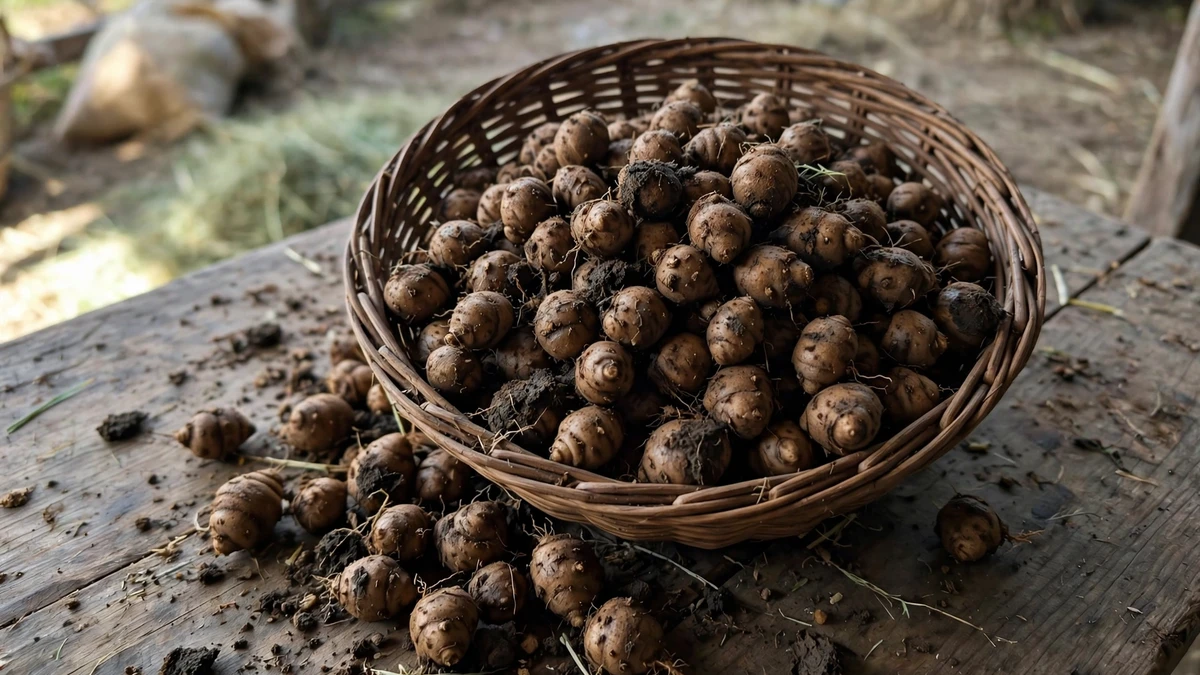
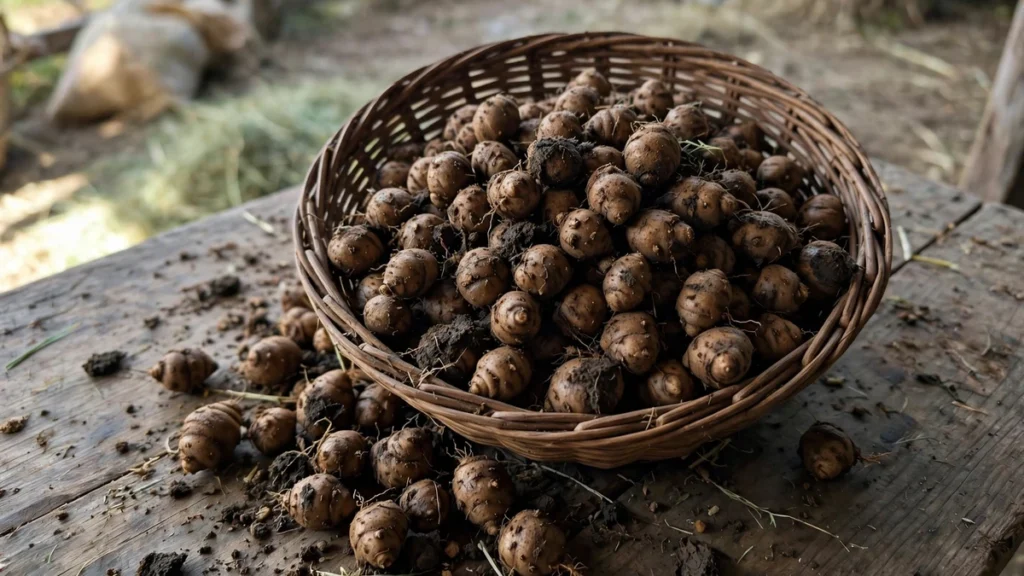
A tigernut farm escape is a short working holiday built around a small tuber most travellers have never seen growing. The plant looks like coarse grass, the crop hides underground, and the trip is at its best in harvest season, when you can dig in the morning, watch the tubers dry in the sun and drink horchata pressed that same day. It is a quiet, practical kind of luxury: good food, open fields and a host who knows the soil.
Getting the dates right matters more than booking quickly. The harvest window is short, the farms are small, and the good rooms go first. A little care with dates, transport and the kitchen question will save you a wasted trip, because a tigernut farm in the wrong month is just a field of grass with nothing to dig.
This guide walks through the nine steps that make the difference, from picking the harvest weeks to buying flour and dried tubers to take home. Follow them in order and you will arrive on a farm that is ready for you, with a room, a digging morning and a kitchen that knows what you can and cannot eat.
Key takeaways
- Book for the harvest window: September to October in Spain, with different timing in West Africa and Egypt.
- Confirm the digging morning and the horchata workshop before you pay, since both can be fully booked.
- Tigernuts are naturally gluten-free, but farm kitchens handle bread and flour, so raise the question early.
- Fresh horchata spoils quickly, so drink it on the farm and buy dried tubers or flour to take home.
- Most farms sit outside the nearest town, so sort out transport and cash before you arrive.
What a tigernut farm escape involves
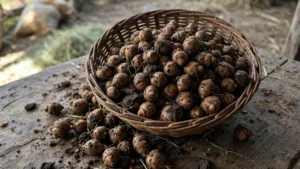
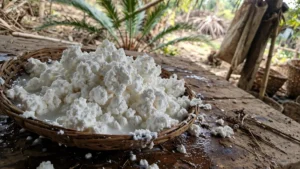
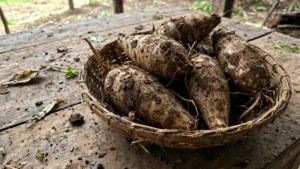
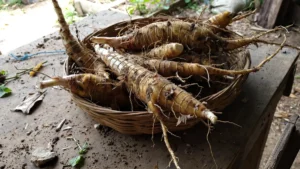
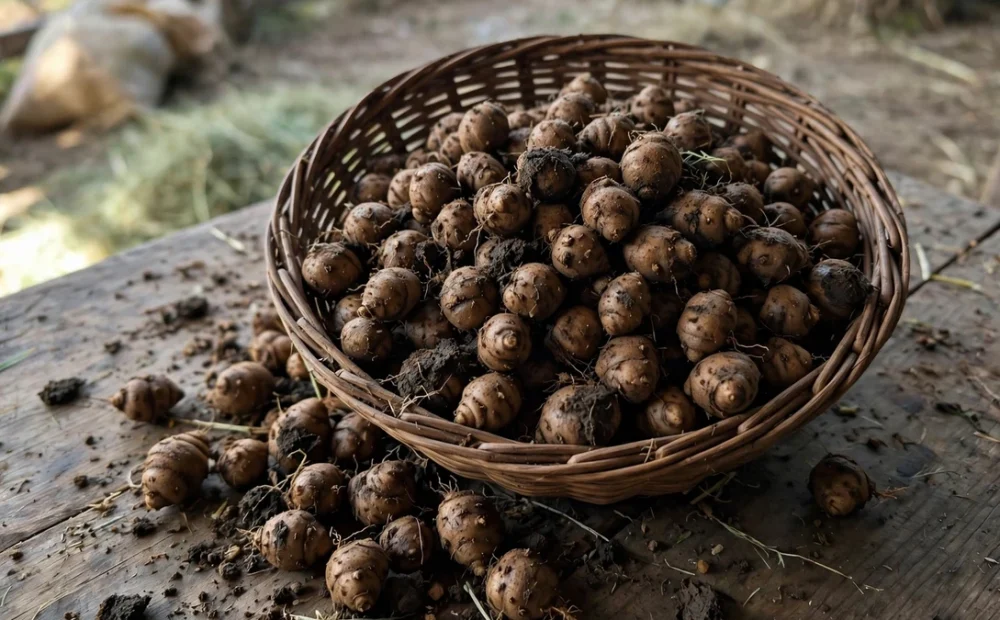
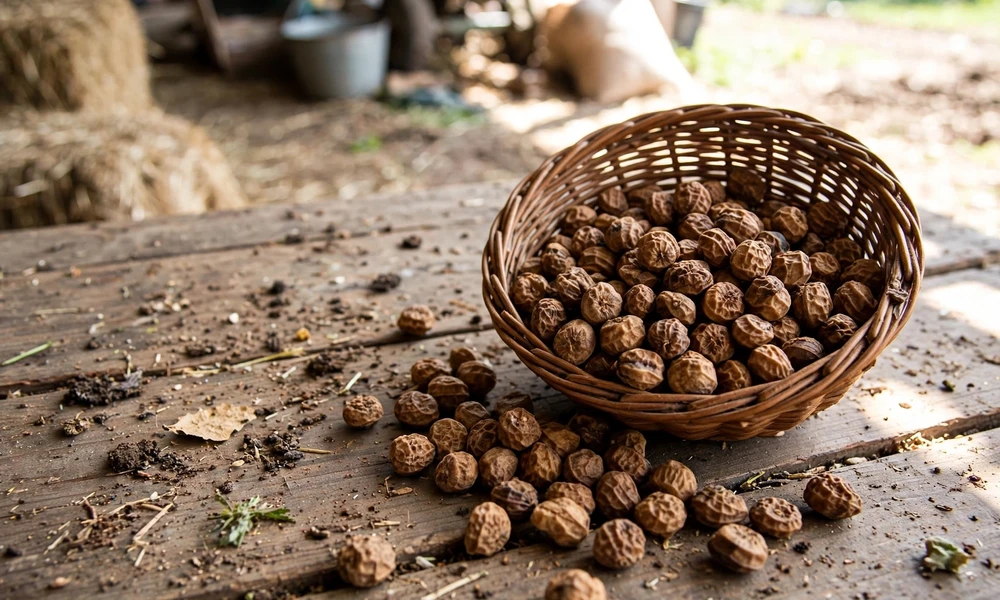
A tigernut farm escape means staying on or beside a working chufa farm for two or three nights, joining the harvest in the morning and spending the afternoons on tasting and rest. The plant is a sedge, Cyperus esculentus, and its tubers are small, brown and ridged, dug from sandy soil, washed and dried before they are eaten or pressed. The work is light but real: lifting rows, shaking tubers free, sorting the ripe ones from the rest.
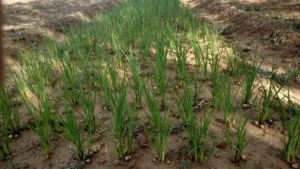
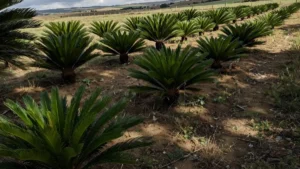
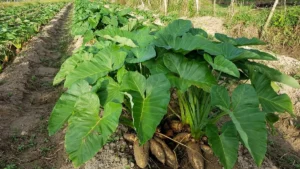
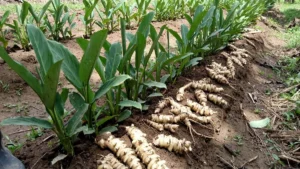
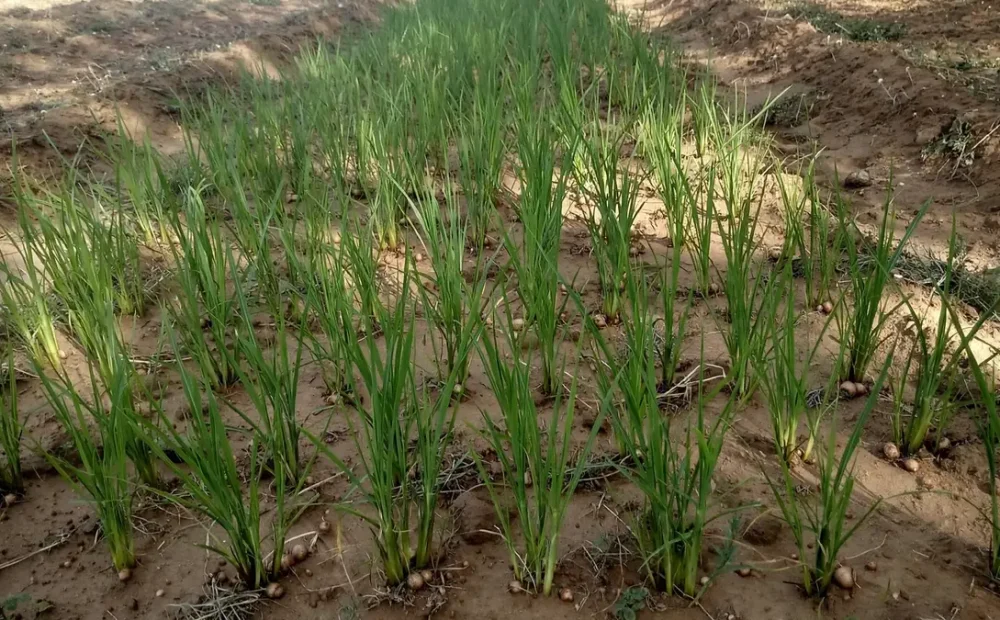
The rest of the day is slower. A long lunch, a walk along the irrigation channels, a tasting in the late afternoon when the farm presses horchata or bakes with tigernut flour. The plant itself grows through the summer, sending up grassy shoots while the tubers fatten underground, and by harvest time the field is a dense green mat that has to be cut back before the digging can begin. Evenings are usually a shared table and an early night, because the digging starts before the heat. Rooms are farmhouse simple, and the luxury is the quiet and the food, not the furniture.
It is a different trip from a fruit farm escape. A kiwano farm escape is built around picking a spiky orange fruit and eating its jelly flesh with a spoon; a tigernut escape is built around digging a root, drying it and drinking it. Come for the field work and you will get the trip the farm does best.
How to plan it, and what to check first
Start with the harvest dates, not the flights. Ask the farm when its digging weeks fall and whether guests can join, then build the trip around the answer. In Spain that usually means September or October; in West Africa and Egypt the window is different, so take the farm’s dates rather than a guidebook’s. Once the dates are set, check the room, the transport and the kitchen in the same message, so nothing is left to sort out on arrival. It also helps to ask how the farm handles rain, since a wet week can push the digging back by days and change which mornings are open to guests.
Money is the other early check. Most farms quote a nightly rate that covers the room and breakfast, with the horchata workshop, the field walk and the cooking afternoon priced separately. Ask for the full list before you pay, and ask whether the farm shop takes cards, since many sell flour and dried tubers for cash only. A clear quote in writing is worth more than a friendly promise on the phone.
The 9 steps to plan a tigernut farm escape
1. Book inside the weeks the tubers are dug
What to do: Ask the farm for its digging dates and book inside them, aiming for the middle of the harvest when the tubers are at their best. What to avoid: Booking a month early and finding a field of green grass with nothing to dig. Best For: Anyone who wants the hands-on part of the trip. Time Needed: One message and a day to wait for the reply. Standout Tip: The middle of the harvest beats the first week, when the tubers are still small.
2. Choose between irrigated huerta stays and dry-field farms
What to do: Pick the huerta if you want horchata pressed daily and a farm used to guests, or a dry-field farm if you want quieter land and easier digging. The huerta stays feel busier and more polished, while the dry fields give you longer walks and fewer people at the table. What to avoid: Assuming every farm presses horchata; some sell the tubers raw and leave the drink to the bars. Best For: Travellers deciding between the classic Valencian stay and a slower one. Time Needed: An evening comparing two or three farms. Standout Tip: Sandy soil digs easier than wet huerta soil, so ask what the ground is like.
3. Check the digging morning is open to guests before you pay
What to do: Get the digging morning confirmed in writing, with the start time and what to bring. What to avoid: Arriving to find the harvest finished the day before, or reserved for a school group. Best For: Anyone whose trip depends on joining the work. Time Needed: A single message, and wait for the answer before paying. Standout Tip: Ask how many guests join the morning, since small groups get more of the host’s time.
4. Ask for a room facing the drying yard
What to do: Request a room facing the rows, so you can see the drying yard and the irrigation water from the window. What to avoid: Taking the cheapest room at the back, which may face a road or a wall. Best For: Early risers who like to watch the farm wake up. Time Needed: A sentence added to your booking message. Standout Tip: Field-facing rooms also catch the evening breeze, which matters in September.
5. Tell the farm about gluten before you book anything
What to do: Tell the farm you avoid gluten and ask how meals are kept separate from bread and flour. What to avoid: Waiting until dinner on the first night, when the kitchen has already planned the table. Best For: Guests who need gluten-free meals handled properly. Time Needed: A few minutes in your first message. Standout Tip: A farm that describes its kitchen routine in plain words is the one to trust.
6. Taste tigernuts raw, dried and as horchata
What to do: Try the tuber three ways: raw from the wash, dried and soaked, and pressed into horchata. The raw tuber is crisp and sweet, the soaked one is softer and nuttier, and the horchata is the creamiest of the three, so tasting all of them shows you what the crop can do. What to avoid: Eating a handful of dried tubers without soaking them first, since they are hard on the teeth. Best For: Food lovers who want the full range of the crop. Time Needed: One afternoon tasting on the farm. Standout Tip: The raw tuber tastes sweetest when it has just been washed, before it dries.
7. Find out how the tubers are dried before you eat one
What to do: Ask the host how long the tubers dry and how to tell a properly dried one from a damp one. What to avoid: Buying damp tubers to take home, since they spoil in the bag. Best For: Anyone planning to buy tubers or flour at the farm shop. Time Needed: Ten minutes with the host at the drying yard. Standout Tip: A dry tuber feels light and sounds hollow when two are tapped together.
8. Let a local grower lead the field walk
What to do: Book the guided walk and let the grower show you the irrigation, the soil and the rotation. The grower will point out which fields are resting, which are being watered and where the next planting will go, which turns a simple walk into a proper lesson in how the farm works. What to avoid: Wandering the rows alone, since the channels are easy to trip over and the crop is easy to damage. Best For: Curious travellers who want to understand the farming, not just the food. Time Needed: About an hour in the late afternoon. Standout Tip: The walk is best at dusk, when the heat drops and the mosquitoes have not yet arrived.
9. Buy horchata supplies and flour to take home
What to do: Buy dried tubers and tigernut flour at the farm shop, and ask the host how to soak and press the milk at home. What to avoid: Buying bottled horchata for the journey, since fresh milk spoils quickly in the heat. Best For: Anyone who wants the trip to continue in their own kitchen. Time Needed: Half an hour at the shop on your last morning. Standout Tip: Dried tubers keep for months in a cool, dry bag, while the milk lasts a day.
Picking the right season and region
September and October are the months for Spain, when the plants are cut back, the tubers are dug and the horchata bars are at their busiest. Valencia is the natural first choice, with the strongest tradition and the most farms used to guests. Alicante and Murcia are quieter and cheaper, and Seville adds a cooking angle for travellers who want to bake with the flour. The southern farms also run later into the autumn, so a late October trip can still catch a harvest there after Valencia has finished. If you can only pick one region, pick Valencia for the first trip and save the south for the second.
West Africa and Egypt run on different calendars, and the farms there will give you their own dates. Lagos and Accra are best in the dry season, when the fields are workable and the markets are full, while the Cairo delta suits the cooler months. Khartoum and Marrakech are hotter and more remote, so they suit experienced travellers rather than first-timers. A babaco farm escape makes a useful contrast if you want a second farm trip, since the mountain papaya is picked from a tree in the highlands rather than dug from sandy soil.
The caveats that matter
A tigernut escape is a gentle trip, but a few practical points still catch people out. The table below gathers the ones that matter most, from the hardness of a dried tuber to the way fresh horchata keeps.
| Detail | What is known |
|---|---|
| Harvest window | September to October in Spain; West African and Egyptian farms harvest at different times. |
| Raw tubers | Firm and chewy straight from the wash; soaking softens dried ones before eating. |
| Drying time | Tubers need days in the sun to dry properly; damp ones spoil in the bag. |
| Horchata keeping | Fresh horchata should be drunk the same day; it does not travel well. |
| Mosquitoes | Irrigated fields bring mosquitoes at dusk, so pack repellent for the evenings. |
| Transport | Most farms sit outside the nearest town, so arrange a car or a pickup before arrival. |
| Farm shop payment | Many farm shops sell flour and dried tubers for cash only, so bring notes. |
| Gluten in the kitchen | Tigernuts are gluten-free, but farm kitchens handle bread and flour, so ask how meals are kept separate. |
Checklist: before you book a tigernut farm escape
- Get the digging dates and the morning start time confirmed in writing.
- Ask how the kitchen handles gluten-free meals before you pay.
- Pack closed shoes, a hat and mosquito repellent for the field evenings.
- Check what the nightly rate includes and what the workshops cost.
- Arrange transport to the farm and confirm the pickup time.
- Bring cash for the farm shop and a bag for dried tubers and flour.
Frequently asked questions
How many nights does a tigernut escape need?
Two or three nights is enough: one digging morning, one tasting afternoon and a spare day for the market or a second field walk. A single night feels rushed, since the digging starts early and you will want a full day on the farm before it. Four nights suits travellers who want to add a city day, since Valencia and Seville are both worth a slow afternoon after the farm work is done.
Is a car needed to reach a tigernut farm?
Usually yes, or a pickup arranged with the farm. Most stays sit outside the nearest town, on land reached by farm tracks rather than bus routes. Ask the farm about transfers when you book, since some will collect you from the station. A few farms near Valencia run a pickup from the nearest station, but most expect you to drive.
Can children come along on the digging morning?
Yes, on most farms, and children often enjoy the digging more than the adults do. Tell the farm the children’s ages in advance, since the morning starts early and the work is muddy, and bring spare clothes and closed shoes for them.
What should I pack for a tigernut farm?
Closed shoes for the field, a hat for the midday sun, mosquito repellent for the evenings, and a bag for anything you buy at the farm shop. A light jacket helps too, since the mornings start cool even when the afternoons are hot. Bring a water bottle for the field walk as well, and a small torch if you plan to walk back from the village after dark, since farm tracks are rarely lit.
How is tigernut different from potato?
Tigernut is the tuber of a sedge, Cyperus esculentus, small, sweet and chewy, eaten raw, dried or pressed into milk. Potato is the tuber of a nightshade, Solanum tuberosum, large and starchy, always cooked. They are unrelated plants with different flavours, uses and harvests. The harvest differs too: tigernuts are dug in late summer and dried for storage, while potatoes are lifted through the autumn and kept in the dark.
Can I buy tigernut products to take home?
Yes. Most farm shops sell dried tubers and tigernut flour, and some sell bottled milk for the same day. Dried tubers keep for months in a cool, dry bag, so they are the best thing to carry home, with flour second. Ask the host for the soaking times as well, since the milk needs an overnight soak before pressing.
A different Andean root stay, a yacon farm escape, swaps the small sweet tuber for a crisp one eaten raw, with syrup pressed from the same harvest.
The bottom line
A tigernut farm escape works when you book for the harvest, confirm the digging morning in writing and ask about the kitchen before you pay. Valencia is the easiest first trip, with the horchata pressing as the centrepiece, while Lagos, Accra and Cairo show the crop as everyday food. Two or three nights, a car or a pickup, and cash for the farm shop are all you really need.
The tuber itself is small and unshowy, but the trip is not: a morning in the field, an afternoon of tasting and a drink with centuries behind it. Choose the farm by what it lets you do, ask the plain questions early, and the escape will take care of itself. The best stays are the ones that let you join the work, so ask about the digging morning before anything else. Book early, since the best digging weeks fill first.