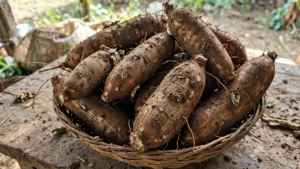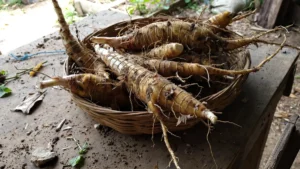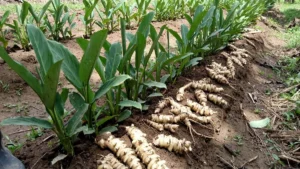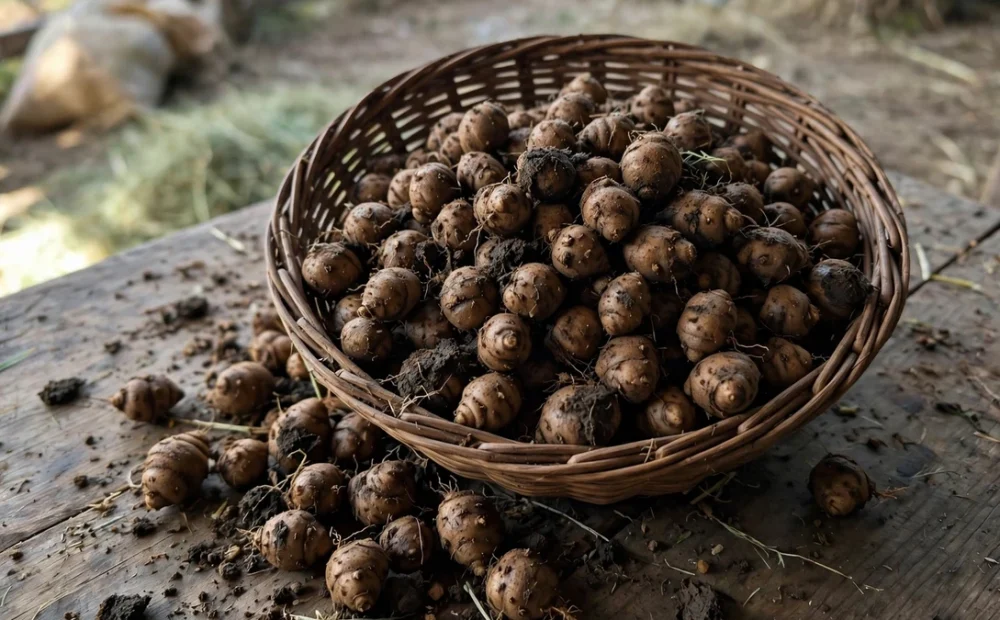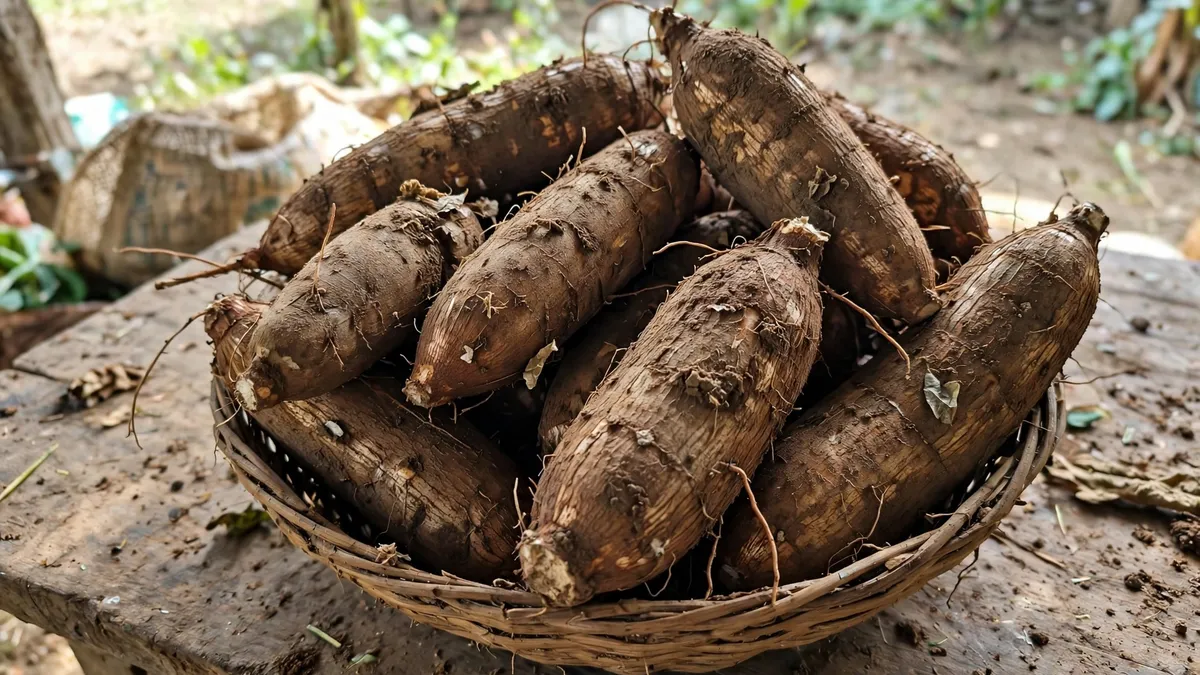
Planning a cassava farm escape starts with one fact: the root you are travelling to see cannot be eaten raw. Manihot esculenta, cassava, feeds close to a billion people, and every plate of it has passed through peeling, soaking, grating, pressing or fermenting, then cooking. The trip is built around that routine, and the farms that do it well are worth the journey.
The escape itself is simple in shape. You fly into the nearest city, sleep a night there, travel out to a working farm, dig roots in the morning, watch them turned into garri, fufu or farinha in the afternoon, and eat the result at a long table in the evening. Nine steps, in order, take you from the first message to the farm shop on the last morning.
This guide walks through each step the way the farms themselves would explain it, with what to do, what to avoid, how long it takes, and the tip that matters most.
Key takeaways
- Cassava, Manihot esculenta, must be peeled, soaked, pressed or fermented and cooked before eating. Raw cassava is never food.
- Bitter varieties carry more of the compounds that make raw eating unsafe, so ask the farm which varieties it grows and how long the soaking lasts.
- Digging runs all year in the tropics, so pick your dates by rain and roads, not by a single harvest week.
- It is not a yam and not a potato. Yam is Dioscorea, potato is Solanum, cassava is Manihot, and each cooks in its own tradition.
- Cassava itself has no gluten, but farm kitchens bake bread and thicken stews with wheat, so guests who avoid gluten should warn the kitchen in writing before they arrive.
What a cassava farm escape actually involves
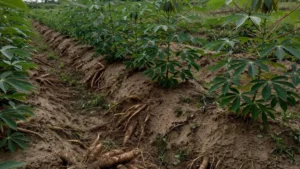
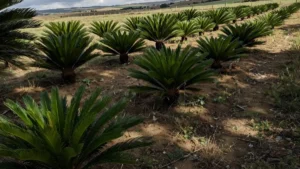
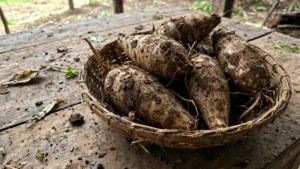
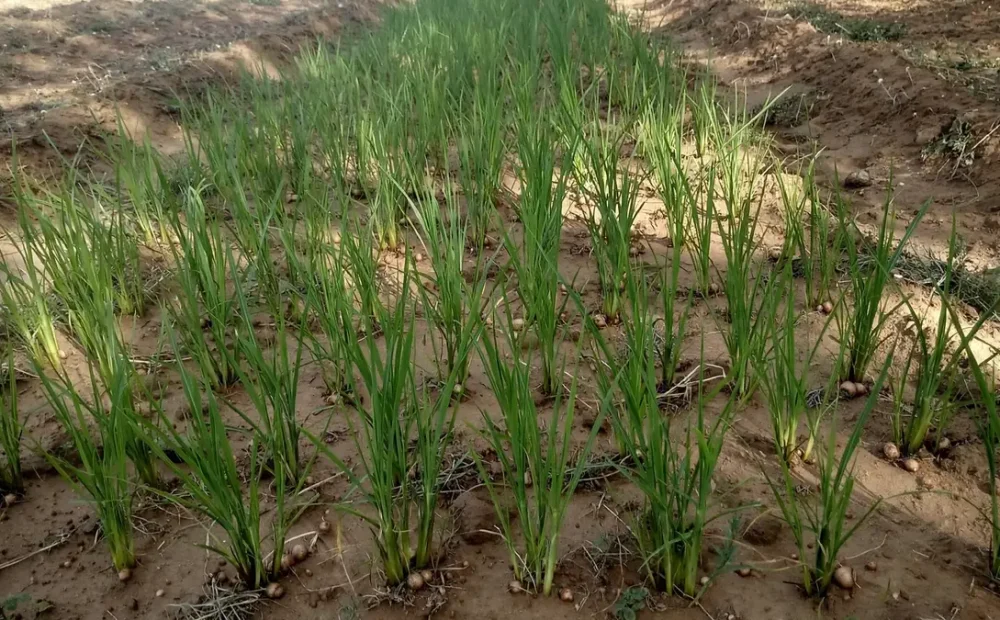
A cassava farm escape is a short stay on a working farm in the cassava belt, usually three to five nights, built around the root and its routine. The farm plants stem cuttings at the start of the rains and digs the roots when they are fat enough to eat, which can be eight months later or eighteen, depending on the variety and the soil. The shrubs themselves are tough, woody plants with lobed leaves, and they survive dry spells that would kill a softer crop. Guests join the digging, the peeling, the grating and the cooking, and eat the harvest at the farm table.
The days have a shape you can count on. Mornings are for the fields, while the air is still cool. The middle of the day is for the grater, the press and the roasting pan, in the shade. Evenings are for the table, and the table is the reward: fufu with soup, garri with groundnuts, farinha with fish, or cassava cake with coconut.
The work is gentle but real. You will hold a hoe, carry a basket, and stand at a grater until your arms ache. Nobody expects speed, and every farm will let you sit a session out and watch. The heat is the real challenge, not the exercise, so a slow first afternoon is not laziness, it is sense.
How to plan a cassava farm escape, step by step
The planning is mostly messages and packing. The farm does the rest, once you arrive.
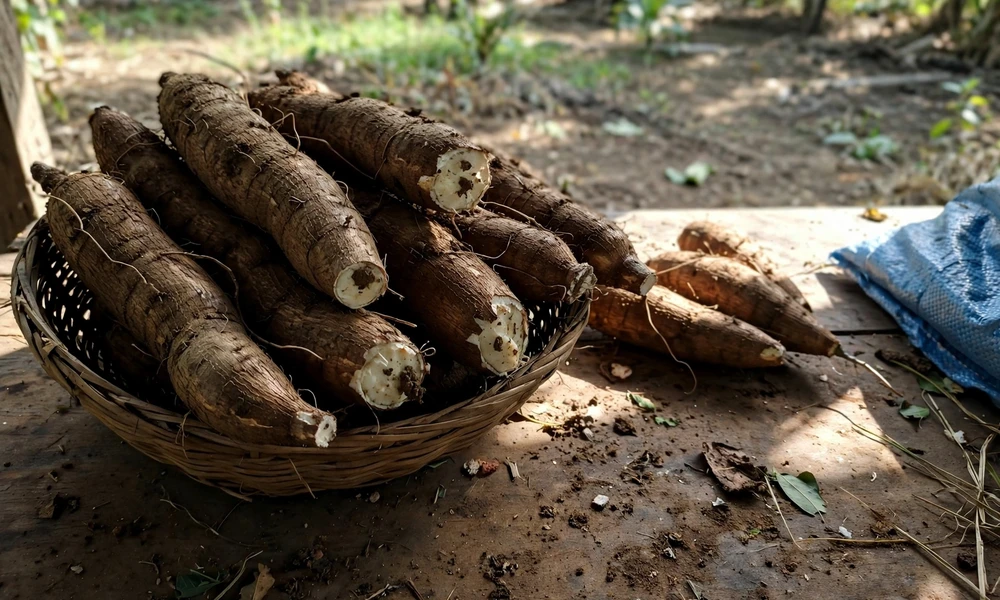
Start with the season, then the farm, then the kitchen. A good host will answer plainly about varieties, processing, heat and gluten, and a host who dodges those questions is telling you something. Our guide to planning a yam farm escape follows the same order, because it suits any farm stay built around a single root.
The 9 steps to a cassava farm escape
Set the digging season before you settle on a farm
What to do: Pick dry-season dates, when the roads are firm and the fields are workable, and ask the farm how the digging runs in those weeks. What to avoid: Booking the wettest weeks of the year, when the tracks turn to mud and the transfers crawl. Best for: First-time visitors who want the easiest possible trip. Time needed: An evening of reading, before you message any farm. Standout tip: In West Africa the dry months run roughly November to March, in Thailand roughly November to February, and in the Philippines roughly December to May.
Land in the closest city and sleep there first
What to do: Fly into the nearest city, Lagos, Salvador, Bangkok, Jakarta or Manila, and book one night there before the farm. What to avoid: Trying to reach the farm on the day you land, tired, hot and carrying luggage down a farm track. Best for: Travellers on long flights who want to arrive at the farm rested. Time needed: One night in the city, then a morning transfer. Standout tip: Use the city night to buy cash, a hat and any medicine you need, because the farm shop stocks very little.
Message the farm direct and get the answers in writing
What to do: Write to the farm yourself, ask about varieties, processing, heat and gluten, and keep the answers in writing. Put the wheat question into your first note to the farm, and ask how sauces are thickened. What to avoid: Booking through a site that cannot tell you how the root is made safe to eat. Best for: Anyone with a food allergy, and anyone who wants the price confirmed before paying. Time needed: Two or three messages over a week. Standout tip: A farm that answers plainly about bitter varieties is a farm you can trust with the rest.
Pack for mud, sun and a kitchen that runs on firewood
What to do: Pack shoes that can take mud, a hat, water, and clothes you do not mind getting dusty. What to avoid: White clothes, soft shoes, and anything you would cry over if it came back stained with red soil. Best for: Travellers who pack light and plan to wash clothes on the farm. Time needed: An hour of packing, the night before you fly. Standout tip: Bring a small bag for the flour and snacks you will want to carry home.
Learn the peeling and pressing before you taste anything
What to do: On your first afternoon, watch the peeling, the grating and the pressing, and ask the host to explain each stage. What to avoid: Tasting anything raw, or skipping the lesson because the kitchen looks simple. Best for: Curious travellers who want to understand the food, not just eat it. Time needed: Half an afternoon, on the day you arrive. Standout tip: The press is the heart of the routine: squeezing the juice out is what makes bitter varieties safe.
Spend a morning in the fields, then an afternoon at the grater
What to do: Dig in the cool morning, carry the roots back in a basket, and spend the afternoon grating and pressing them. What to avoid: Digging at midday, when the sun is at its worst and the work is twice as hard. Best for: Travellers who want the full routine in a single day. Time needed: One full day, morning to evening. Standout tip: A ripe root comes out of the ground with a clean pull, and the farmers will show you the sound of the soil that tells them it is ready.
Eat the local cassava dishes, and ask what went into each one
What to do: Eat what the farm eats: fufu with soup, garri with groundnuts, farinha with fish, attiéké with grilled fish, or cassava cake with coconut. Ask what went into each dish. What to avoid: Asking for a dish from home, or for a version of the food with the cassava left out. Best for: Food-focused travellers who want to taste the whole tradition. Time needed: Every meal, for the length of the stay. Standout tip: The best dish on most farms is the simplest one, the root cooked the way the family has always cooked it.
Keep one morning open for the closest market
What to do: Leave a morning free for the nearest market town, and go with the farm cook if you can. What to avoid: Filling every hour with farm work and leaving with no sense of the town that buys the harvest. Best for: Travellers who like markets, and anyone who wants to buy flour and snacks to take home. Time needed: Half a day, usually the morning before your last night. Standout tip: The market is where you will see the varieties the farm does not grow, and the prices will tell you what the crop is really worth.
Take flour and snacks home from the farm shop
What to do: On the last morning, buy garri, farinha or cassava flour from the farm shop, and ask how to store it. What to avoid: Buying fresh roots to carry home, since they spoil fast and customs rules are strict. Best for: Anyone who cooks at home and wants to keep the trip on the shelf. Time needed: Half an hour, before the transfer. Standout tip: Dried flour keeps for months in a sealed jar, and a bag of garri is the cheapest souvenir on the trip.
When to go, and what the seasons feel like
West Africa is easiest in the dry season, roughly November to March, when the roads are firm, the fields are workable and the evenings are warm rather than stifling. The wet season, roughly April to October, brings mud, slow transfers and heavy afternoon rain, though the farms are greener and the digging still goes on. Lagos and Ibadan are at their best in the dry months, and Accra and Abidjan follow the same pattern. The markets in the dry season are at their fullest, with garri, flour and chips piled high on every stall.
Brazil is a year-round destination, but the northeast has its own rhythm. Around Salvador and Fortaleza the rain falls mostly from January to May, and the dry months after that are the easiest for farm work. The heat is steady all year, and the difference between seasons is rain, not temperature. The light in the dry months is hard and bright, and the fields turn the colour of baked earth. A farm in the dry country outside Fortaleza feels very different in February, when the ground is wet, from the same farm in September, when it is baked hard.
Southeast Asia follows the monsoon. Thailand is driest from November to February, Indonesia is wettest from November to March, and the Philippines is driest from December to May. Bangkok and Jakarta suit the cooler dry months, while Manila suits the long dry season before the rains return. Our guide to planning a jicama farm escape reaches the same conclusion about reading the rains before you book, and the same logic applies here.
The caveats that matter
Cassava is a safe, long-eaten food when it is prepared properly, but the preparation is the whole story. Bitter varieties hold cyanogenic compounds that release cyanide when the root is damaged, and only peeling, grating, pressing, fermenting and cooking make them safe. Sweet varieties hold far less, but they are still always cooked. The leaves are eaten in parts of Central Africa as pondu, but only after long cooking, and they are never eaten raw. If a farm cannot explain its processing, do not eat there. Ask the host to show you the press, the grater and the roasting pan before you eat, because seeing the routine is the best reassurance there is.
| Detail | What is known |
|---|---|
| Botanical name | Manihot esculenta, a woody shrub in the spurge family |
| Bitter versus sweet | Bitter holds more cyanogenic compounds and needs longer processing |
| Processing | Peel, wash, grate, press, ferment or dry, then cook through |
| Leaves | Eaten cooked as pondu in Central Africa, never raw |
| Harvest age | Roots dug 8 to 18 months after planting the cuttings |
| What to carry | Cash, a hat, water, and shoes that can take mud |
| Gluten note | Cassava flour is gluten-free, but kitchens also cook with wheat |
| What it is not | Not a yam, not a potato, and not yucca |
Money is simple on these farms, but only if you plan for it. Most take cards in the nearest city but not on the farm, so carry cash for tips, market stalls and the farm shop, and settle the bill in writing before you arrive.
Checklist: planning a cassava farm escape honestly
Use these checks before you pay, and again a week before you travel.
- Confirm the farm’s processing routine in writing before you pay: peeling, soaking, pressing, fermenting, cooking.
- Ask which varieties grow here, bitter or sweet, and how long the soaking and fermenting last.
- Tell the kitchen in writing about gluten and any allergy, and ask whether sauces are thickened with flour.
- Check the road from the city, the driver, and what rain does to it.
- Check what the nightly rate includes, since meals, field work, processing lessons and laundry are often priced apart.
- Bring cash for tips, market stalls and the farm shop, since the farm takes no cards.
Frequently asked questions
Is cassava safe to eat?
Yes, when it is prepared the way tropical cooks have prepared it for centuries. The root is peeled, soaked, grated, pressed or fermented, then cooked through, and that routine removes the compounds that make raw cassava unsafe. Every farm on this list processes its own crop, and the table is nothing to worry about as long as you eat what the farm cooks and never taste the root raw.
What is garri, and how is it made?
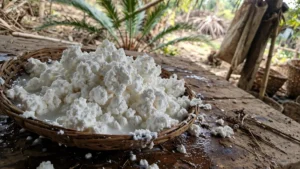
Garri is the West African staple made from grated cassava. The root is peeled, washed and grated, then pressed in sacks to squeeze out the juice, left to ferment for a day or two, and finally roasted in wide pans until it becomes dry, gritty granules. Eaten with hot water it becomes a soft dough, and eaten dry with groundnuts it is a snack.
Why do farms ferment cassava?
Fermenting does two jobs at once. It breaks down the compounds that make raw cassava unsafe, and it gives the food its flavour: the sour note in garri, the tang in attiéké, the depth in banku. A short ferment of a day or two is enough for most dishes, and the farms will show you how the smell and the texture change as it works.
How many nights should I stay on a cassava farm?
Three to five nights is the honest answer. Three nights is enough to dig, grate, press and eat the harvest once. Five nights lets you do the full routine twice, visit the market, and take a slow day. Less than three nights means you will leave before the fermenting finishes, and more than five is a lot of heat and field work for most travellers.
What should I pack for a cassava farm?
Pack shoes that can take mud, a hat, water, and clothes you do not mind getting dusty. Add a small bag for the flour and snacks you will carry home, and cash, because the farm takes no cards. Leave the white clothes and the soft shoes at home, and bring any medicine you need, since the farm shop stocks very little.
Can I buy cassava flour to take home?
Yes, and it is the best souvenir on the trip. Garri, farinha and cassava flour all keep for months in a sealed jar, and the farm shop will tell you how to store each one. Do not buy fresh roots to carry home, since they spoil fast and customs rules are strict, and check the rules for your own country before you pack anything.
The bottom line
A cassava farm escape works when the planning is honest: dry-season dates, a night in the city first, a farm that explains its processing, and a kitchen warned in writing about gluten. Lagos and Ibadan are the gentlest start, Salvador and Fortaleza reward cooks, and Bangkok, Jakarta and Manila suit a short trip.
The root is the point, and the routine is the pleasure. Digging in the morning, grating in the afternoon and eating fufu at a long table is a day no city restaurant can copy. Our guide to planning a taro farm escape covers another tropical root the same way, if cassava leaves you wanting more.