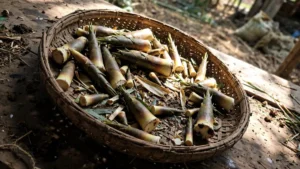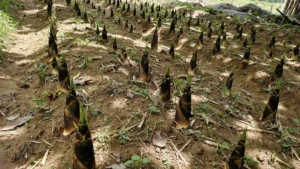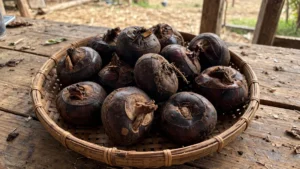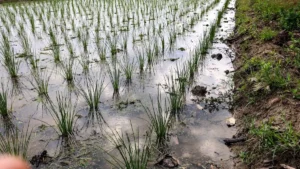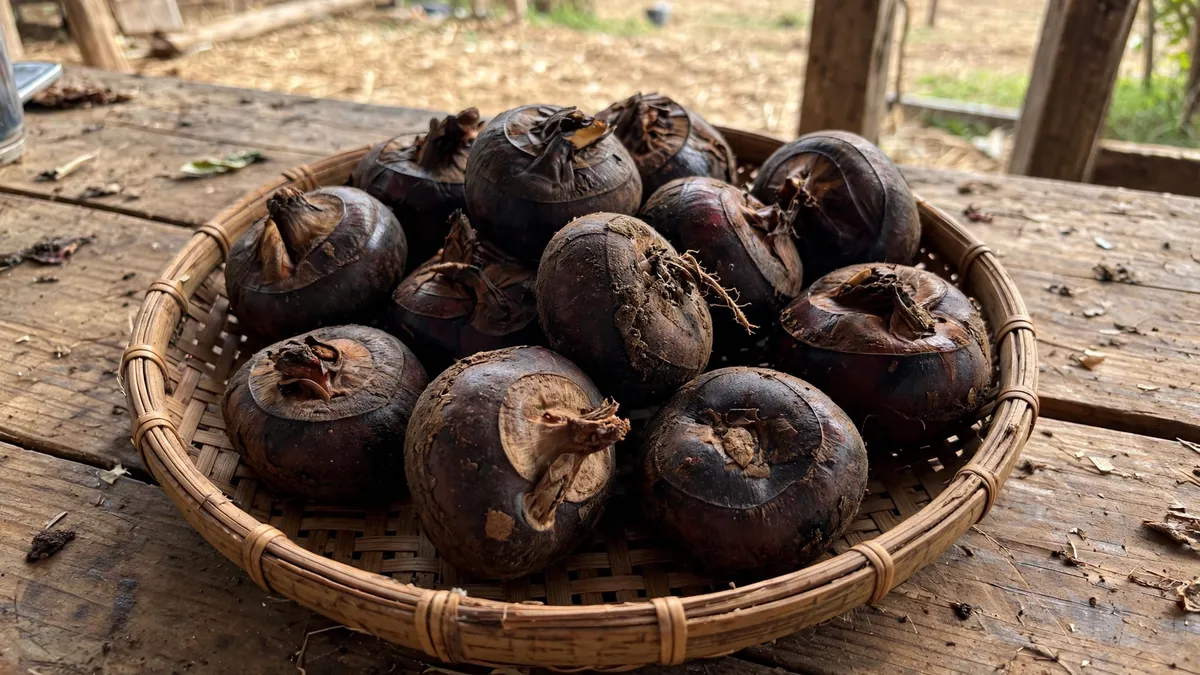

Planning a water chestnut farm escape starts with one fact: the food you are travelling to see grows in mud under shallow water. Eleocharis dulcis, the Chinese water chestnut, is a sedge whose round brown corms are dug from pond mud in the cooler months, washed, peeled and eaten raw or cooked. The trip is built around that routine, and the farms that do it well repay the journey.
The escape itself is simple in shape. You fly into the nearest city, sleep a night there, travel out to a working pond farm, wade into the shallow water in the morning, dig corms from the mud, watch them peeled and cooked in the afternoon, and eat the result at a long table in the evening. Nine steps, in order, carry you from the first message to the farm shop on the last morning.
This guide walks through each step as the farms themselves would explain it, with what to do, what to avoid, how long it takes, and the tip that matters most.
Key takeaways
- Water chestnut, Eleocharis dulcis, is a sedge corm dug from pond mud in the cooler months, then washed, peeled and eaten raw or cooked.
- Eat only corms from farmed ponds, washed and peeled. Wild corms from still water can carry parasites, and no corm should ever be eaten unpeeled.
- The digging runs in the cooler months, so pick your dates by the harvest calendar and the rains, not by a single week.
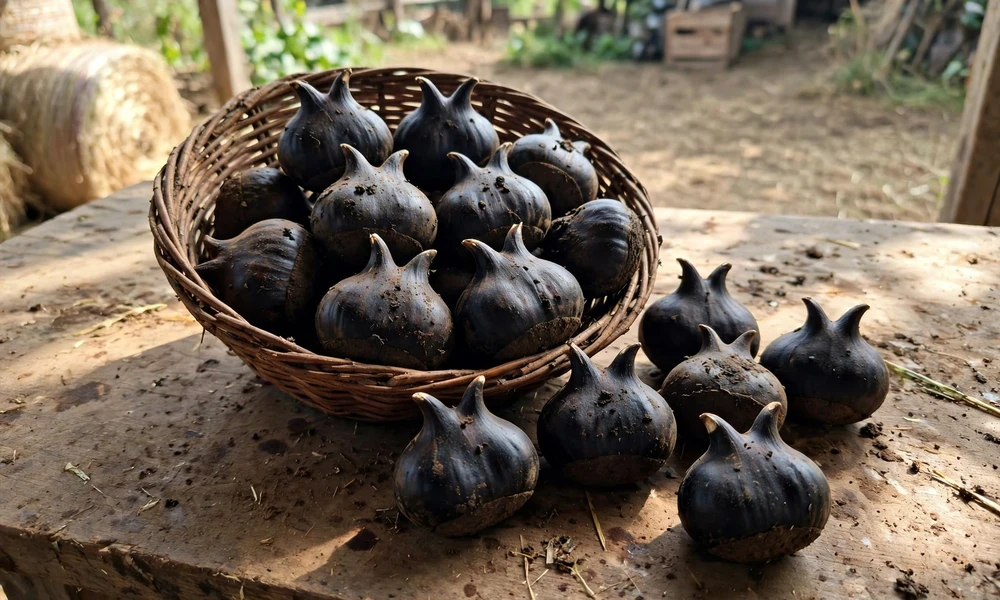
- It is not a chestnut and not a nut. The tree chestnut is Castanea, a nut from a tree, while the water chestnut is a corm from a pond.
- The corm itself has no gluten, but farm kitchens cook with soy sauce and wheat noodles, so guests who avoid gluten should warn the kitchen in writing before they arrive.
What a water chestnut farm escape actually involves
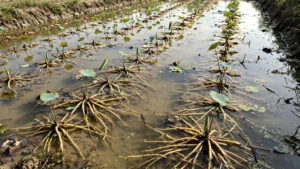
A water chestnut farm escape is a short stay on a working pond farm, usually three to five nights, built around the corm and its routine. The farm plants corms in the mud at the start of the warm season, floods the ponds, and digs the crop when the stems yellow and the corms have swollen. The plants themselves are sedges, thin green stems standing in still water, and they look more like a field of spikes than a vegetable garden. Guests join the digging, the washing, the peeling and the cooking, and eat the harvest at the farm table.
The days have a shape you can count on. Mornings are for the ponds, while the air is still cool. The middle of the day is for the peeling table and the wok, in the shade. Evenings are for the table, and the table is the reward: corms stir-fried with garlic and greens, diced into dumplings, simmered into soup, or eaten raw and sweet, peeled at the table.
You will wear boots, wade through ankle-deep water, and feel through soft mud for round corms with your hands. Nobody expects speed, and every farm will let you sit one session out and watch. The heat is the true challenge, not the exercise, so a slow first afternoon is not laziness, it is sense.
How to plan a water chestnut farm escape, step by step
The farm does the rest, once you arrive.
Begin with the season, then the farm, then the kitchen. A good host will answer plainly about the ponds, the washing, the heat and gluten, and a host who dodges those questions is telling you something. Our guide to planning a cassava farm escape follows the same order, because it suits any farm stay built around a single root or corm.
The 9 steps to a water chestnut farm escape
Fix the harvest months before you fix the farm
What to do: Pick cooler-month dates, when the stems have yellowed and the corms have swollen, and ask the farm how the digging runs in those weeks. What to avoid: Booking the hottest weeks of the year, when the ponds are warm and the work is twice as hard. Best for: First-time visitors who want the gentlest possible trip. Time needed: An evening spent reading, before you message any farm. Standout tip: In southern China and northern Vietnam the main digging runs roughly November to February, in Thailand roughly December to March, and in Malaysia and Indonesia the ponds are worked through much of the year.
Reach the nearest city first and spend a night there
What to do: Fly into the nearest city, Bangkok, Hanoi, Guangzhou, Taipei or Manila, and book one night there before the farm. What to avoid: Trying to reach the farm on landing day, tired, hot and carrying luggage down a farm track. Best for: Travellers off long flights who want to reach the farm rested. Time needed: One night in the city, followed by a morning transfer. Standout tip: Spend the city night buying cash, a hat and any medicine you need, because the farm shop stocks very little.
Message the farm direct and hold onto the answers
What to do: Write to the farm yourself, ask about the ponds, the washing, the heat and gluten, and keep the answers in writing. Put the wheat question into your first note to the farm, and ask whether soy sauce goes into the sauces. What to avoid: Booking through a site that cannot tell you how the ponds are kept clean. Best for: Travellers with a food allergy, and anyone who wants the price settled before paying. Time needed: Two or three messages spread over a week. Standout tip: A farm that answers plainly about pond water is a farm you can trust with the rest.
Pack boots and clothes that can stand pond mud
What to do: Pack boots that can take mud and water, a hat, and clothes you do not mind getting wet and stained. What to avoid: White clothes, soft shoes, and anything you would cry over if it came back stained with pond mud. Best for: Travellers who pack light and plan to wash clothes at the farm. Time needed: An hour spent packing, the night before you fly. Standout tip: Bring a small bag for the dried corms and snacks you will want to carry home.
Watch the digging and peeling on your first afternoon
What to do: On your first afternoon, watch the digging, the washing and the peeling, and ask the host to explain each stage. What to avoid: Tasting anything unpeeled, or skipping the lesson because the work looks simple. Best for: Curious travellers who want to grasp the food, not merely eat it. Time needed: Half an afternoon, on the day you reach the farm. Standout tip: The peeling is the heart of the routine: a clean peel is what makes a farmed corm safe to eat raw.
Give a morning to the ponds, then an afternoon to the wok
What to do: Dig in the cool morning, carry the corms back in a basket, and spend the afternoon washing, peeling and stir-frying them. What to avoid: Wading at midday, when the sun is at its worst and the water is warm and the work is twice as hard. Best for: Travellers who want the whole routine in one day. Time needed: One full day, from morning to evening. Standout tip: A ripe corm comes out of the mud with a gentle pull, and the farmers will show you the feel of the mud that tells them it is ready.
Taste what the farm cooks, and ask what went into it
What to do: Eat what the farm eats: corms stir-fried with garlic and greens, diced into dumplings, simmered into soup, or eaten raw and sweet at the table. Ask what went into each dish. What to avoid: Asking for a dish from home, or for a version of the food with the corm left out. Best for: Food-focused travellers who want to taste the full tradition. Time needed: Every meal, across the length of the stay. Standout tip: The best dish on most farms is the simplest one, the corm cooked the way the family has always cooked it.
Keep a morning open for the closest wet market
What to do: Leave a morning free for the nearest wet market town, and go with the farm cook if you can. What to avoid: Filling every hour with pond work and leaving with no sense of the town that buys the harvest. Best for: Travellers who like markets, and anyone who wants to buy dried corms and snacks to take home. Time needed: Half a day, most often the morning before your last night. Standout tip: The market is where you will see the corms the farm does not grow, and the prices will tell you what the crop is really worth.
Bring dried corms and snacks home from the farm shop
What to do: On the last morning, buy dried water chestnuts and snacks from the farm shop, and ask how to store them. What to avoid: Buying fresh corms to carry home, since they spoil fast in heat and customs rules are strict. Best for: Home cooks who want to keep the trip on the shelf. Time needed: Half an hour, ahead of the transfer. Standout tip: Dried corms keep for months in a sealed jar, and a bag of them is the cheapest souvenir on the trip.
When to go, and what the seasons feel like
Thailand and Vietnam are easiest in the cooler dry season, roughly November to March, when the roads are firm, the ponds are workable and the evenings are warm rather than stifling. Bangkok and Hanoi are at their best in the dry months, when the markets are at their fullest.
China and Taiwan have their own rhythm. Around Guangzhou the rain falls mostly from April to September, and the cooler months after that are the easiest for pond work. The heat stays steady all year, and the difference between seasons is rain, not temperature. The light in the cooler months is soft and clear, and the ponds turn the colour of tea. A farm outside Guangzhou feels very different in July, when the ground is wet, from the same farm in January, when it is firm and dry.
The island farms follow the monsoon. The Philippines is driest from December to May, Malaysia is wettest from November to January, and Indonesia is driest from May to September. Manila suits the long dry season, Kuala Lumpur the months between the rains, and Jakarta the dry months, when the lowland heat is at its most bearable. Our guide to planning a tigernut farm escape reaches the same conclusion about reading the rains before you book, and the same logic applies here.
The caveats that matter
Water chestnut is a safe, long-eaten food when it comes from a farmed pond and is washed and peeled properly, but the pond is the whole story. Wild corms from still, dirty water can carry parasites from freshwater snails, and only washing and peeling make a corm safe to eat raw. If a farm cannot explain how its ponds are watered and cleaned, do not eat there. Ask the host to show you the washing table and the peeling before you eat, because seeing the routine is the best reassurance there is.
| Detail | What is known |
|---|---|
| Botanical name | Eleocharis dulcis, a sedge in the Cyperaceae family |
| Wild versus farmed | Wild corms can carry parasites, so eat only farmed corms, washed and peeled |
| Peeling | Peel every corm before eating raw, and wash your hands after handling mud |
| Harvest age | Corms dug in the cooler months, when the stems yellow and the corms swell |
| What to carry | Cash, a hat, water, and boots that can take mud |
| Gluten note | The corm is gluten-free, but kitchens also cook with soy sauce and wheat noodles |
| What it is not | Not a chestnut, not a nut, and not the horned water caltrop |
| What to bring home | Dried corms and snacks, not fresh corms, which spoil fast in heat |
Most places take cards in the nearest city but not on the farm, so carry cash for tips, stalls and the shop, and settle the bill in writing before you arrive.
Checklist: planning a water chestnut farm escape honestly
Go through this list before you pay, and once more in the week before you leave.
- Confirm the farm’s pond routine in writing before you pay: watering, cleaning, digging and washing.
- Ask how the corms are washed and peeled, and whether any are ever served unpeeled.
- Tell the kitchen in writing about gluten and any allergy, and ask whether soy sauce or flour goes into the sauces.
- Check the road out of the city, the driver, and what rain does to it.
- Check what the nightly rate includes, since meals, pond work, cooking lessons and laundry are often priced apart.
- Carry cash for tips, market stalls and the farm shop, because the farm takes no cards.
Frequently asked questions
Is it safe to eat water chestnuts raw?
Yes, when they come from a farmed pond and are washed and peeled first. A fresh corm, peeled, is sweet, juicy and crisp, and eating it raw is one of the pleasures of the trip. Never eat a corm unpeeled, and never eat one from wild water, where freshwater snails can carry parasites. Every farm on this list washes and peels its own crop, and the table is nothing to worry about as long as you eat what the farm prepares.
What is the difference between a water chestnut and a water caltrop?
The two share a name and almost nothing else. The Chinese water chestnut is Eleocharis dulcis, a sedge corm that grows in pond mud and is peeled and eaten raw or cooked. The water caltrop is Trapa natans, a floating plant with horned, bat-shaped nuts that must always be cooked.
How many nights should I stay on a water chestnut farm?
Three to five nights is the fair answer. Three nights is enough to dig, wash, peel and eat the harvest once. Five nights lets you run the full routine twice, visit the market, and take a slow day. Less than three nights means you will leave before you have learned the peeling properly, and more than five is a lot of heat and pond work for most travellers.
What should I pack for a water chestnut farm?
Pack boots that can take mud and water, a hat, and clothes you do not mind getting wet and stained. Add a small bag for the dried corms and snacks you will carry home, and cash, because the farm takes no cards. Leave white clothes and soft shoes at home, and bring any medicine you need, as the farm shop stocks very little.
Can I buy water chestnuts to take home?
Yes, and dried corms from the farm shop are the best souvenir on the trip. Fresh corms keep for a week or two in a cool place, but they spoil fast in heat, and customs rules are strict about fresh produce, so check the rules for your own country before you pack anything. Dried corms keep for months in a sealed jar.
Do I need to worry about the pond water?
Only if the farm cannot explain it. A farmed pond is watered, cleaned and managed, and the corms are washed and peeled before they reach the table. Wild ponds are a different matter, and no farm on this list serves corms from wild water. Ask the host to show you the washing table, wear boots in the ponds, and wash your hands before eating.
The bottom line
A water chestnut farm escape works when the planning is honest: cooler-month dates, a night in the city first, a farm that explains its ponds, and a kitchen warned in writing about gluten. Bangkok and Hanoi are the gentlest start, Guangzhou and Taipei reward cooks, and the island farms suit a short trip.
The corm is the point, and the routine is the pleasure. Digging in the morning, peeling in the afternoon and eating corms at a long table is a day no city restaurant can copy. Our guide to planning a sago farm escape covers another tropical starch the same way, if the ponds leave you wanting more.