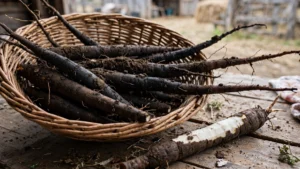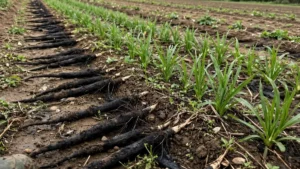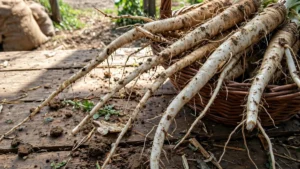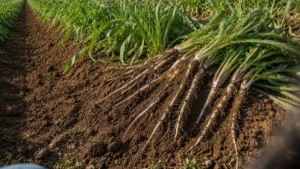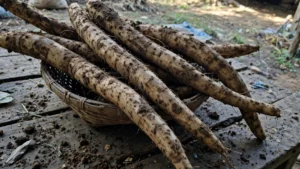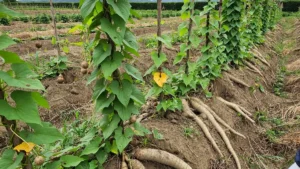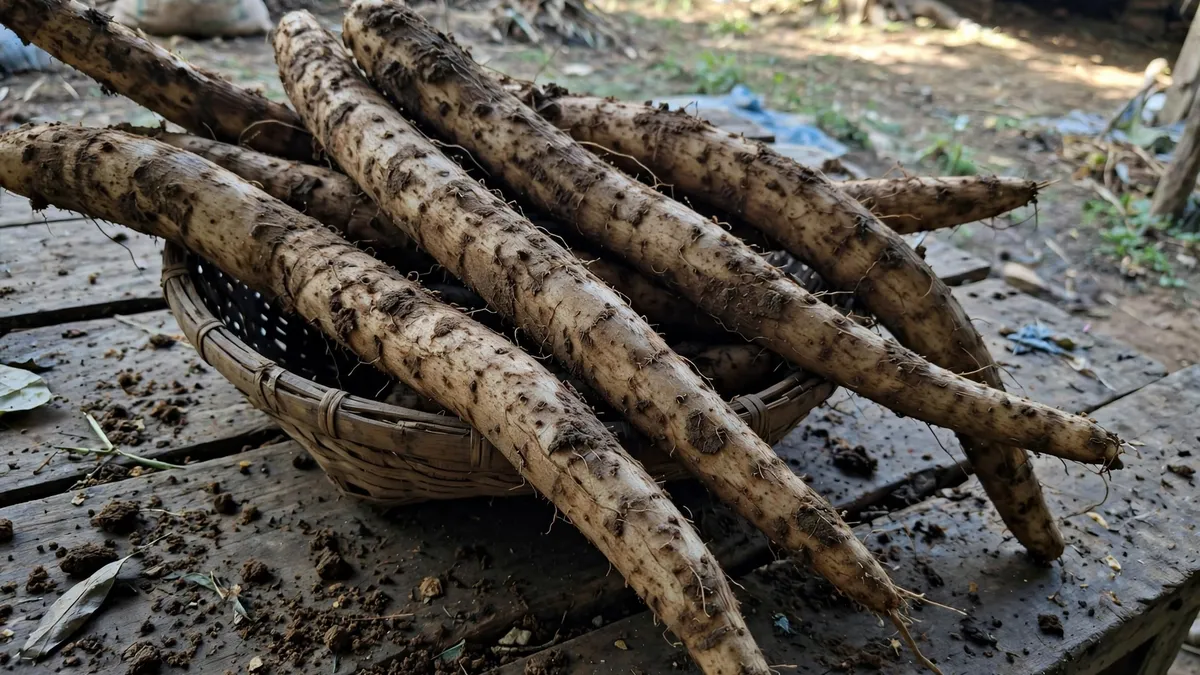
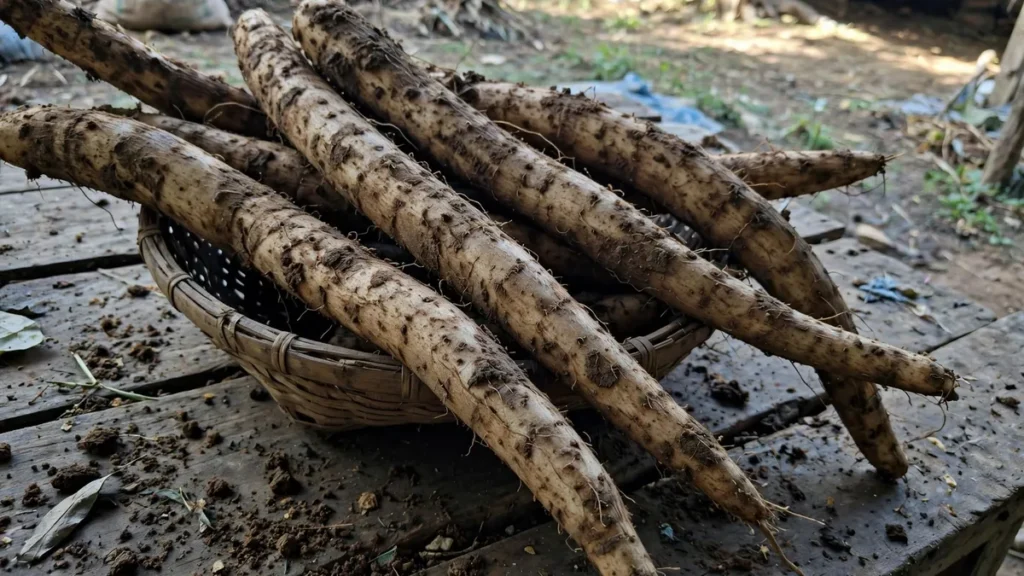
A Chinese yam farm escape is a short trip built around a single harvest: the digging of a long white tuber from deep sandy soil, and the cooking that follows it. It is not a resort holiday and it is not a sightseeing tour. You stay on a small farm, you work in the field in the morning, you learn to peel and grate the yam in the kitchen, and you eat what you dug that same evening. The pace is slow, the group is small, and the reward is a flavour most travellers have never met before.
Planning it well matters more than it does for an ordinary holiday, because the harvest is seasonal and the farms are small. A week too early and the tubers are thin. A week too late and the digging is over. A farm that looks open online may have only two rooms, and a kitchen that can feed ten people may not be able to feed a guest with a gluten allergy unless it knows in advance. This guide walks through the planning in order, so you arrive on the right week, with the right kit, and with the farm expecting you.
Chinese yam is Dioscorea polystachya, a long white tuber from East Asia. It is not white yam from West Africa, which is pounded into dough, and it is not water yam, the purple tuber used for ube desserts. Keep that distinction in mind when you choose a region, because the food, the season and the cooking change with the species. Our guide to planning a water yam farm escape covers the purple yam in its own right, and it is a useful comparison if you are choosing between the two.
Key takeaways
- Book the digging weeks, not just the travel dates: the harvest runs in autumn and early winter.
- Confirm in writing that the farm is digging during your stay, and how many digging sessions are included.
- Wear gloves for peeling and grating, because the sap can itch and irritate bare skin.
- Tell the farm about allergies and gluten needs before you arrive, not at the table.
- Chinese yam is naturally gluten-free, but sauces, marinades and shared cooking surfaces can carry gluten, so ask the kitchen before you eat.
What a Chinese yam farm escape is
A farm escape is a stay of two or three nights on a working farm, built around the harvest rather than around a pool or a spa. The farm grows Chinese yam as a main crop, in deep beds or trenches, and it opens its doors for the digging season. Guests sleep in simple rooms on or near the farm, eat in the farm kitchen, and join the field work each morning. The price usually covers the room, the meals and at least one digging session, with a cooking class or a market visit added on some stays.
The day has a fixed shape. The morning is for the field: the farmer shows you which vines are ready, the soil is loosened, and the tuber is eased out by hand. Midday is for the kitchen, where the yam is peeled with gloves on and then grated, sliced or steamed. The evening meal is served family-style, and it is made from what was dug that day. Some farms add a short talk on how yam is used in herbal cooking, or a walk to a nearby market.
It suits travellers who like to learn by doing. If you want a lazy break, this is the wrong trip. If you want to understand a crop, meet the people who grow it, and come home able to cook it yourself, a yam farm escape is one of the most rewarding food trips in East Asia.
How to plan a Chinese yam farm escape
Start with the region, then the dates, then the farm. The region decides the food: Japan leans towards grated tororo over rice, China towards clear soups with pork and dates, Korea towards drinks and porridge. The dates decide the harvest: autumn and early winter are the digging months, and a week either way can change what you find in the ground. The farm decides the experience: a small family farm feels different from a larger guesthouse, and both are worth choosing deliberately.
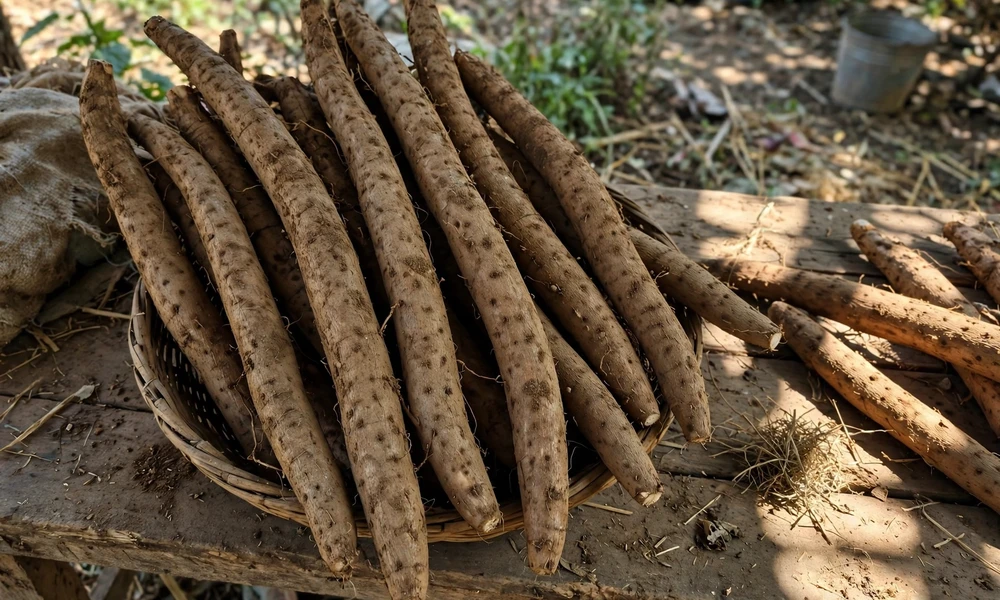
Once you have the region and the dates, message two or three farms directly. Ask which weeks they are digging, what is included in the price, and whether they can cook for allergies or gluten needs. The farm that answers clearly and quickly is usually the farm that runs a good stay. A farm that takes days to reply, or cannot say when it digs, is a warning sign.
Budget for the stay, the transfers and one or two extras. Most farms in this series charge between $65 and $195 a night with meals included, and transfers from the nearest city are often charged separately. A cooking class or a market visit may add a small fee.
The 9 steps to planning your escape
Choose the region by the cooking you want to learn
What to do: Choose the region by the dish you most want to learn. Japan is the pick for grated tororo, China for clear soups, Korea for drinks and porridge. What to avoid: Picking a region for the flights alone and finding the food does not interest you. Best For: Curious cooks. Time Needed: An evening of reading. Standout Tip: Read one recipe from each region first.
The region shapes the whole trip, from the kitchen to the market, so it is worth deciding before anything else. A traveller who loves soup will be happier in Chengdu than in Kyoto, and a traveller who wants to learn grating will be happier in Kyoto than in Busan.
Book the digging weeks, not just the dates
What to do: Ask the farm which weeks it is digging, and book nights inside those weeks. What to avoid: Booking a pretty week in spring and finding no harvest to join. Best For: Careful planners. Time Needed: One message per farm. Standout Tip: Get the digging dates in writing.
Harvest dates move with the weather, so a farm that dug in late October last year may dig in mid-November this year. Written confirmation protects you from arriving to a green field and an empty basket.
Ask the farm about gloves and peeling
What to do: Ask whether the farm supplies gloves, aprons and peeling tools, or whether you should bring your own. What to avoid: Peeling raw yam with bare hands, which can leave skin itching for hours. Best For: Sensitive skin. Time Needed: One message per farm. Standout Tip: Pack thin kitchen gloves anyway.
The sap is the one real hazard of this crop, and it is easy to avoid. Gloves, long sleeves and a quick wash after peeling are enough, and the farms in this series all supply gloves if you ask.
Sort your travel and transfers early
What to do: Book the flight or train first, then ask the farm about transfers from the nearest town. What to avoid: Arriving at a rural station with no onward transport booked. Best For: Rural travellers. Time Needed: An afternoon of booking. Standout Tip: Ask the farm for a driver it trusts.
Tell the farm about gluten and allergies first
What to do: Send your dietary needs in the first message, before you pay anything. What to avoid: Mentioning an allergy at the dinner table, when the food is already cooked. Best For: Allergy-aware guests. Time Needed: One message per farm. Standout Tip: List every sauce you must avoid.
Chinese yam itself is naturally gluten-free, but soy sauce, marinades and shared woks can carry gluten. A farm that knows in advance can keep your dishes separate and cook them first, while it is still clean.
Pack for mud, cold mornings and long sleeves
What to do: Pack sturdy shoes, layers, a warm jacket and long sleeves for the field. What to avoid: Light trainers and short sleeves, which leave you cold and muddy by midday. Best For: Autumn travellers. Time Needed: An evening of packing. Standout Tip: Bring a spare pair of socks.
Autumn mornings in the yam fields are cold, and the soil is damp after rain. Long sleeves also protect your arms from the sap while you dig, which is a second reason to cover up.
Learn the grating method before you sit down
What to do: Watch the farmer grate once, then try it yourself with gloves on. What to avoid: Grating too fast, which sprays sap and makes a mess of the paste. Best For: Hands-on learners. Time Needed: Half an hour in the kitchen. Standout Tip: Grate slowly, in short strokes.
Grating is the skill that makes Chinese yam special, and it is harder than it looks. Slow strokes give a smooth, stretchy paste, while fast strokes give a lumpy one. The farmer will show you once, and then it is your turn.
Leave one morning free to wander the local market
What to do: Leave one morning free for the nearest market, and go with the farmer if you can. What to avoid: Filling every morning with digging and missing the market entirely. Best For: Market browsers. Time Needed: A morning free. Standout Tip: Buy yam to take home there.
The market is where the crop meets the rest of the local kitchen, and it is the best place to see how yam is sold, priced and cooked by people who eat it every week. A similar market morning is worth keeping free on other harvest trips too, including our water chestnut farm escape guide, where the wet market is half the lesson.
Bring the tubers home dry and labelled
What to do: Let the farm dry and label your tubers, and pack them in a rigid bag for the journey. What to avoid: Packing damp tubers loose in a suitcase, where they bruise and spoil. Best For: Home cooks. Time Needed: An hour before checkout. Standout Tip: Ask for the farm’s cooking notes.
Fresh yam keeps for a week or two in a cool, dry place.
When to go, and how long to stay
The digging season runs from October to December in most regions, with the exact weeks moving by a few weeks each year. October is the busiest month, because the weather is still mild and the tubers are at their best. November is quieter and colder, and it suits travellers who like a slower farm. December is the tail of the season, and some farms have finished digging by then, so check before you book.
Two or three nights is the right length for most people. One night gives you a single digging session and one dinner, which is enough to taste the crop but not to learn it. Two or three nights let you dig, cook, visit a market and try the grating properly. Longer stays suit travellers who want to learn the cooking in depth, or who are combining the farm with a city break.
Spring and summer visits are green and pleasant, but the vines are still growing and there is no harvest to join. If you can only travel in spring, pick a farm that runs a full kitchen programme rather than a digging one, or save the yam trip for autumn and choose a different crop for spring. Our bamboo shoot farm escape guide covers a spring harvest that pairs well with a yam trip in the autumn.
The caveats that matter
Chinese yam is a widely eaten food with a good safety record, but the sap is the main thing to respect. It can itch, and some people react more strongly than others, so gloves and long sleeves are not a suggestion but a rule. The raw grated texture is also an acquired taste, so try a small portion before a full bowl. And because the farms are small, a booking made without written confirmation of the digging dates can leave you on a farm with nothing to dig.
| Detail | What is known |
|---|---|
| Best months | October to December, with dates moving by a few weeks each year |
| Ideal stay length | Two or three nights, for digging, cooking and a market visit |
| What to book first | The digging weeks, then the travel, then the transfers |
| Handling rule | Gloves and long sleeves for peeling, grating and digging |
| Gluten | Tuber is naturally gluten-free; sauces and shared surfaces can carry gluten |
| What to pack | Sturdy shoes, layers, warm jacket, thin kitchen gloves, spare socks |
| Cost guide | Most farm stays run $65 to $195 a night with meals included |
| Who should check first | Anyone with a yam allergy, sensitive skin, or a gluten allergy should message the farm first |
If you have a yam allergy or sensitive skin, message the farm before you book and ask exactly how the kitchen handles raw yam. Most farms can cook every dish for you and keep the raw preparations out of your bowl, but only if they know in advance.
Checklist: planning a Chinese yam farm escape honestly
Use these checks before you book, and again when the farm confirms your stay.
- Get the digging dates in writing, and book your nights inside those weeks.
- Ask what is included: meals, digging sessions, cooking class, market visit, and transfers.
- Send dietary needs in the first message, including gluten and every sauce to avoid.
- Confirm gloves, aprons and peeling tools, and pack thin kitchen gloves as a backup.
- Book transfers from the nearest town before you travel, ideally through the farm.
- Leave one morning free for the market, and pack a rigid bag for tubers to take home.
Frequently asked questions
How far ahead should I book a Chinese yam farm stay?
Two to three months ahead for October, which is the busiest month, and a month ahead for November. The farms are small, with only a few rooms, and the digging weeks fill first. Last-minute bookings can work in December, but the harvest may already be over.
Do I need experience to join the digging?
No. The farmer shows you how to loosen the soil and ease the tuber out, and the work is slow rather than hard. You need reasonable mobility and sturdy shoes, but no farming experience. Tell the farm if you have a bad back or knees, so it can give you a lighter bed.
Can I eat Chinese yam if I have never tried it?
Yes, and the farm is the best place to try it, because the kitchen can serve it cooked as well as raw. Start with a small portion of the grated raw yam, and move to a full serving if you like the texture. Cooked yam in soup is mild and familiar, and it suits almost everyone.
Is Chinese yam safe for children?
Cooked yam is fine for most children, and many farms welcome families. Raw grated yam is a texture some children dislike, so ask the kitchen for cooked dishes for younger guests.
What should I do if the sap makes my skin itch?
Wash the area with cool water and soap, and stop peeling until the itching settles. The farms keep gloves and long sleeves for this reason, and a barrier cream before you start helps too. If the itching is strong or spreads, tell the host and seek medical advice.
Can I take Chinese yam home on a flight?
Usually yes within the same country, but international rules vary. Check the customs rules for your destination before you buy, and let the farm dry and label the tubers for you. Some travellers post the yam home instead, which the farm can sometimes arrange.
The bottom line
A Chinese yam farm escape works when the planning is done in the right order: region first, digging weeks second, farm third. Book the harvest, not just the holiday, tell the farm about dietary needs in the first message, and pack for mud and cold mornings. The farms are small and the season is short, so the travellers who get the most from the trip are the ones who plan early and ask clear questions.
Do that, and the reward is a quiet, hands-on food trip that teaches you a crop properly. You will come home knowing how to dig a metre-long tuber without snapping it, how to grate it into a smooth paste, and how to cook it in soup, and that is a better souvenir than anything a market stall can sell.