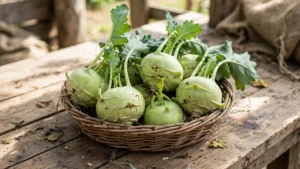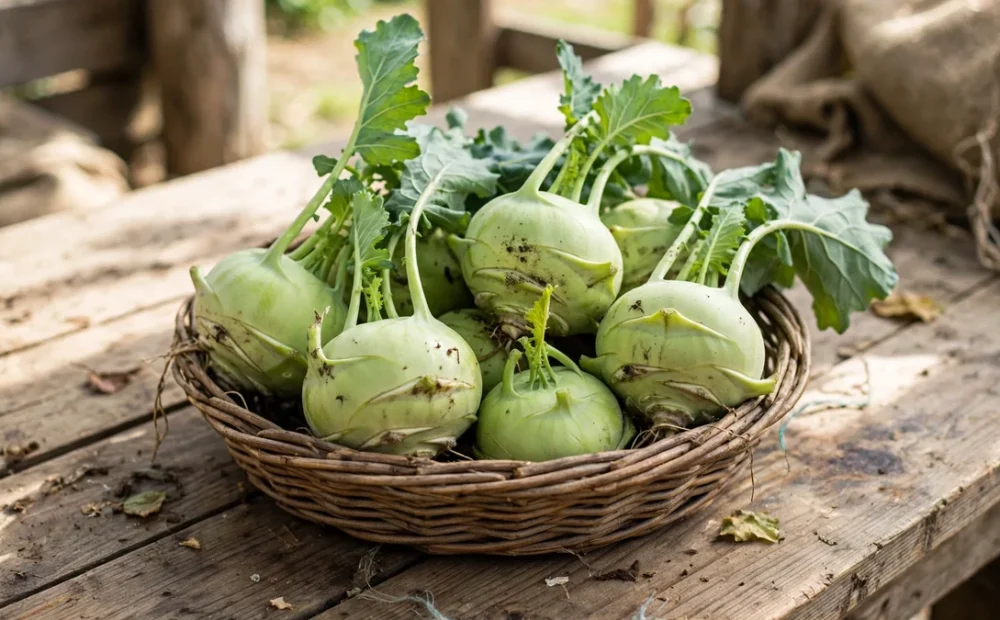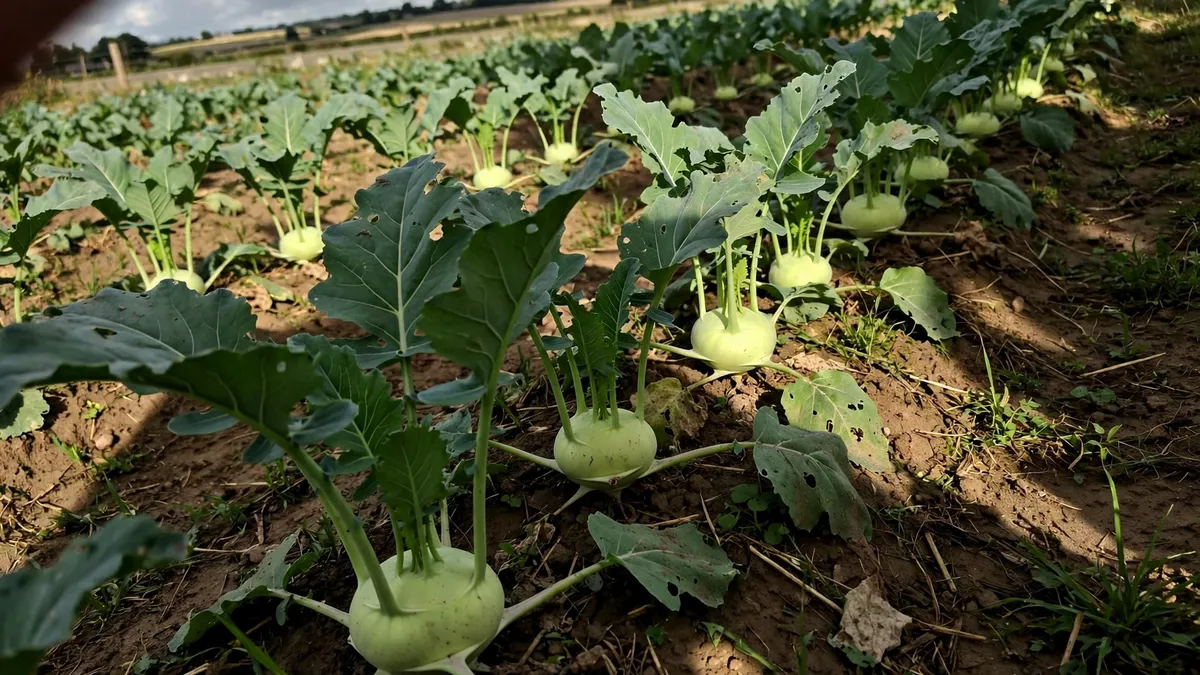
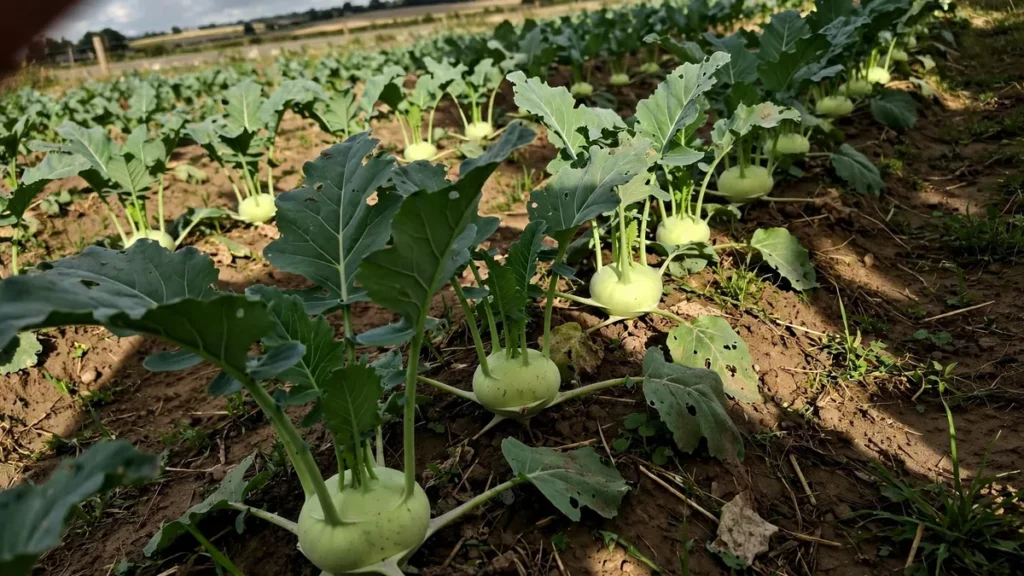
Kohlrabi is the round, pale-green bulb that looks like a turnip crossed with a cabbage and tastes like neither. Its botanical name is Brassica oleracea var. gongylodes, and it grows on a swollen stem just above the soil, not underground like a root and not in a head like a cabbage. Peel it and the flesh is crisp, mild and faintly sweet, somewhere between a radish and a broccoli stem.
A kohlrabi farm stay puts you on a small European market garden at picking time. You walk the rows in the morning, pull bulbs with the growers, and spend the afternoon slicing, pickling and tasting. Some farms are family plots with three guest rooms and a shared kitchen, and the growers eat what they grow, so the table is never an afterthought. Others are larger estates with a pool, a cooking barn and a proper dining room. The nine below all grow their own kohlrabi, all take overnight guests, and all let you work the rows yourself.
Prices run from about sixty dollars a night for a simple farmhouse room to around one hundred and eighty for a private suite with meals included. Pick by region first, then by how much cooking and picking you actually want to do. The list runs from Paris to Edinburgh, in the order that makes the most sense for a first trip.
Key takeaways
- Kohlrabi is Brassica oleracea var. gongylodes, a swollen stem grown above ground, with crisp, mild, cabbage-turnip flesh.
- It is a cool-season crop, sown in spring and picked eight to ten weeks later, so farm stays cluster around late spring and early autumn.
- The best stays grow their own bulbs, cook with them daily, and let guests join the picking.
- Confirm what the nightly rate covers: meals, transfers, cooking sessions and picking are not always included.
- Kohlrabi itself is naturally gluten-free, but farm kitchens bake with flour, so ask about gluten before you sit down to eat.
What kohlrabi actually is
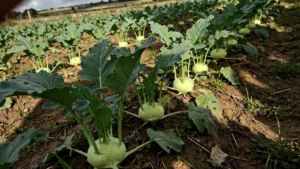
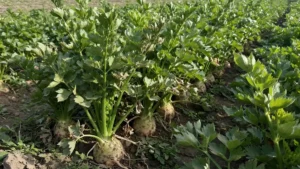
Kohlrabi is the swollen stem of a cabbage relative, and the bulb sits on the surface of the soil like a pale-green lantern. The leaves sprout from the top in a loose rosette, and the bulb can be green or deep purple, the colour living mostly in the skin. Inside, the flesh is white or pale green, firm and juicy, and it stays crisp when you slice it raw into a salad. Cook it and it softens into something gentle and buttery, good in soups, gratins and roasts.
The name comes from German, kohl for cabbage and rabi for turnip, and the flavour sits between the two without quite being either. Raw, it is closer to a mild radish with the pepper taken out. Roasted, it turns sweet and nutty, and pickled it keeps its crunch for weeks. The leaves are edible too, cooked like kale or chard, and a good farm kitchen will use the whole plant rather than throwing half of it away. A single bulb gives you a good share of the day’s vitamin C, plus fibre and potassium, which is why the kitchens treat it as a proper ingredient rather than a side note.
Keep it separate from its cousins. Cabbage is the same species, Brassica oleracea, but grown for its leafy head, and turnip is Brassica rapa, a true root that grows underground. Broccoli is another oleracea variety, grown for its flower head. If you enjoy root and stem farm stays in general, our jicama farm retreats run the same kind of hands-on trip in Mexico, with a crisp white root instead of a green bulb.
How we picked these nine farm stays
Every stay on this list grows kohlrabi on its own land, sleeps guests on the farm, and runs hands-on sessions during the picking window. We looked for farms that publish a nightly rate, say clearly what meals and transfers cost, and put guests in the rows rather than behind a fence. Region mattered too: the nine below spread across France, Belgium, the Netherlands, Germany, Austria, the Czech Republic and Britain, so you can pair a stay with a city break or a country week without a second flight.
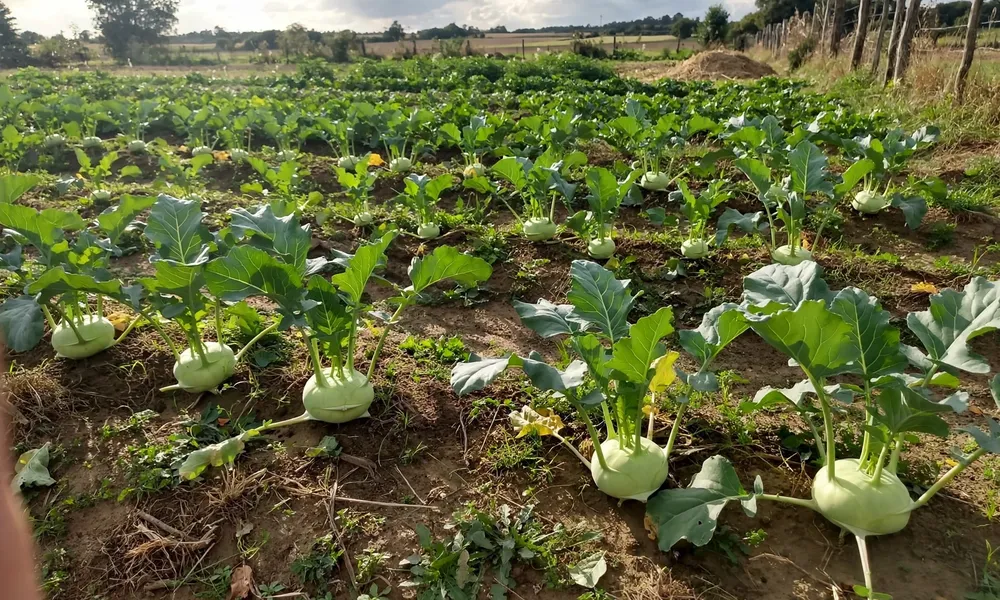
We left out farms that only sell bulbs at a market stall, resorts that bus guests to a farm once a week, and stays with no fields of their own. A farm stay should smell of cut stems in the morning and taste of pickled kohlrabi by the afternoon. If it does neither, it is a hotel with a vegetable patch, and it has no place on this list.
The 9 best kohlrabi farm retreats of 2027
Île-de-France Kohlrabi Garden Stay, Paris
What we like: A walled market garden an hour from Paris, with three guest rooms, a shaded cooking shed and rows you can walk in ten minutes. The morning pick is real work, and the afternoon pickling session is generous. What to consider: Rooms are simple, the lane in is narrow, and there is no pool. Best For: A first kohlrabi trip from Paris. Style: Working market garden. Price Range: $77–$117 a night, breakfast included. Standout Feature: The pickles are made with garden herbs.
Stay two nights and you will pick on the first morning, pickle on the first afternoon, and eat a kohlrabi gratin on the second. The growers raise green and purple bulbs side by side and will show you the difference in colour and sweetness.
Rhône Valley Kohlrabi Farm Retreat, Lyon
What we like: Terraced beds above the river, a small pool, and a kitchen that turns the morning harvest into lunch. The evening light from the terrace beats every other stay here. What to consider: The path up from the road is sharp, and the nights are very still. Best For: Couples who want a view with their picking. Style: Hillside terrace farm. Price Range: $83–$123 a night, breakfast included. Standout Feature: Terrace beds overlooking the river.
Book the upper room if you can. It catches the morning light over the beds and stays cooler than the ground-floor rooms in the afternoon heat.
Brabant Kohlrabi Farm Stay, Brussels
What we like: Flat open fields, bicycle lanes between the rows, and a farmhouse that serves kohlrabi soup with farm bread. The light on the fields at dawn is superb. What to consider: Winters are chilly and wet, and English is thin outside the main house. Best For: Slow mornings by bicycle. Style: Lowland farmhouse. Price Range: $62–$97 a night, breakfast included. Standout Feature: Bicycle rides between the kohlrabi rows.
Borrow the farm bicycles and pedal out before breakfast. The ground is flat, the lanes are empty, and the mist lifts by eight.
Polder Kohlrabi Garden Retreat, Amsterdam
What we like: A short ride from Amsterdam, with canal boats, a Saturday market nearby and a garden kitchen that teaches kohlrabi slaw as well as soup. What to consider: Weekends fill fast, and the garden is more compact than the other farms here. Best For: A weekend add-on to an Amsterdam trip. Style: Canal-side garden farm. Price Range: $73–$113 a night, breakfast included. Standout Feature: Kohlrabi slaw made in a garden kitchen.
Arrive on a Friday and you get the market on Saturday morning, the picking on Saturday afternoon, and a slow canal breakfast on Sunday before the ride back.
Brandenburg Kohlrabi Farm Stay, Berlin
What we like: Cool pine-scented air, lakes at the fence line, and a farm that grows kohlrabi alongside potatoes and rye. The roasted kohlrabi suppers are a highlight. What to consider: Rain is frequent, the drive from Berlin can take ninety minutes, and the rooms are basic. Best For: A cool escape from Berlin. Style: Lakeside mixed farm. Price Range: $67–$107 a night, breakfast included. Standout Feature: Kohlrabi, potato and rye fields on one plain.
Come for the bulbs and stay for the lake. The farm keeps a small dock, and the evening swim after a day in the rows is worth the early start.
Danube Kohlrabi Farm Retreat, Vienna
What we like: A working Danube farm with boat trips to the market, a large cooking barn and a family that has grown kohlrabi for three generations. The kohlrabi and apple salads are excellent. What to consider: It is hot in high summer, the boat rides are early, and the rooms have fans rather than air conditioning. Best For: Dawn markets and river mornings. Style: Danube river farm. Price Range: $68–$108 a night, breakfast included. Standout Feature: Three generations of kohlrabi growers.
Take the dawn boat to the riverside market. The farm buys its apples and cheese there, and you will see the whole meal take shape before lunch.
Bohemian Kohlrabi Garden Stay, Prague
What we like: A polished farm an hour from the city, with air-conditioned rooms, a proper restaurant and a harvest festival in season. The kohlrabi schnitzel is made on site. What to consider: It feels more estate than farm, and the picking sessions are shorter than elsewhere. Best For: Comfort with a farm flavour. Style: Polished estate farm. Price Range: $87–$133 a night, breakfast included. Standout Feature: Kohlrabi schnitzel from the farm kitchen.
If you want tidy rooms and a real restaurant while still getting your hands dirty, this is the middle-ground choice. Time your visit for the harvest festival if the dates line up.
Kent Kohlrabi Farm Retreat, London
What we like: The easiest logistics on this list, with a farm in the Kent countryside, guided picking sessions and a cafe that serves kohlrabi fritters all day. What to consider: The dearest stay here, the plots are small, and the city never feels far away. Best For: A single-night taster. Style: Countryside farm cafe. Price Range: $122–$182 a night, breakfast included. Standout Feature: Kohlrabi fritters in the farm cafe.
One night is enough. Pick in the morning, eat fritters at noon, and be back in the city for dinner with a bag of bulbs in hand.
Lothian Kohlrabi Farm Stay, Edinburgh
What we like: A Scottish farm with sea views, a stone barn for cooking and a host family that folds kohlrabi into every meal. The rhythm is the gentlest here, and that is a compliment. What to consider: Flights are the dearest here, the weather turns fast, and the wifi is patchy. Best For: A long, slow northern stay. Style: Sea-view family farm. Price Range: $93–$143 a night, breakfast included. Standout Feature: Kohlrabi soup by a stone fireplace.
Stay three nights or more. The first day is for settling in, the second for picking, and the third for the barn supper, which takes all afternoon to build and is worth every minute.
Which region suits which traveller
France is the natural first stop. Kohlrabi is a market-garden staple there, the farms are used to guests, and a stay pairs easily with Paris or Lyon. If your main goal is cooking, start in Île-de-France or the Rhône Valley, where pickling, gratins and slaws are daily cooking rather than a special event. Belgium and the Netherlands suit travellers who want a farm as part of a longer food trip: Brabant for bicycles and farmhouse soup, the polders for canals and markets.
Germany and Austria are the short-stay options. Brandenburg gives you lakes and roasted suppers, the Danube gives you boat trips and river markets. Prague and Kent are the comfort picks, and Edinburgh is the outlier and the reward: the dearest to reach, the slowest in pace, and the only stay where kohlrabi soup is served by a stone fireplace. Our kiwano farm retreats offer a similar spread of regions in Africa, if you would rather fly south than stay in Europe. Whichever region you choose, the bulb keeps for weeks in a cool cellar, so the stay feeds you long after you leave.
The caveats that matter
Kohlrabi is a safe, well-loved vegetable, but it is not a crop you eat straight from the field without washing. The bulbs grow close to the soil, so rinse and peel them before slicing, and wash your hands after picking. Farm kitchens bake with flour, so anyone avoiding gluten should ask before ordering bread, fritters or schnitzel. The rest is logistics: cool weather, rain, mud and the distance from the nearest town.
| Detail | What is known |
|---|---|
| What it is | Brassica oleracea var. gongylodes, swollen stem, crisp mild cabbage-turnip flesh |
| How long it takes to grow | Eight to ten weeks from sowing to picking |
| Can it be eaten raw | Yes, peeled and sliced, though washing first is essential |
| Best-known dishes | Kohlrabi slaw, pickled kohlrabi, kohlrabi soup, gratins, fritters |
| Who should ask first | Anyone avoiding gluten, and anyone with a cabbage-family allergy |
| What to pack | Closed shoes for mud, sun protection, a light rain layer |
| How far ahead to book | Four to six weeks for picking season, two weeks outside it |
| What it is not | Not cabbage, not turnip, not broccoli, despite the shared family |
One more practical note: farm stays in this series are small, and picking-season weekends fill first. If your dates are fixed, secure the room before the train ticket, not after it. A farm with three guest rooms will not add a fourth for you.
Checklist: before you book a kohlrabi farm stay
Run through these checks before you pay, and again the week you travel.
- Check the picking dates: ask the farm which weeks the bulbs are actually ready, not just when rooms are free.
- Check what the rate covers: meals, transfers, cooking sessions and the picking itself are sometimes priced separately.
- Check the food questions early: gluten in fritters and schnitzel, dairy in gratins, and any cabbage-family allergy in your group.
- Check the ground underfoot: closed shoes, gloves for picking, and a bag you do not mind getting muddy.
- Check the transfer: find out who collects you, from where, and what happens if your flight is delayed.
- Check the rain plan: a wet spell turns the paths to mud, so leave one indoor day free.
Frequently asked questions
Is kohlrabi the same thing as a turnip?
No. Kohlrabi is Brassica oleracea var. gongylodes, a swollen stem that grows above the soil, while turnip is Brassica rapa, a true root that grows underground. They share a family and a mild flavour, but they are different plants with different shapes.
How is kohlrabi different from cabbage?
They are the same species, Brassica oleracea, grown for different parts. Cabbage is grown for its leafy head, while kohlrabi is grown for its swollen stem, which forms a round bulb above the ground. The flavour is milder and sweeter than cabbage, and the texture is crisper.
Can I eat kohlrabi raw?
Yes, once it is washed and peeled. Slice it thin for salads and slaws, where it stays crisp and mild. Raw kohlrabi is one of the best ways to taste it, because cooking softens the crunch.
When is the best month to visit a kohlrabi farm?
Picking season, which follows eight to ten weeks of growth and usually falls in late spring and again in early autumn. Ask the farm directly, because the exact weeks shift with the weather and differ between France, Germany and Scotland.
Do kohlrabi farm stays suit children?
Often yes. Picking is physical and muddy, which children tend to enjoy, and the cooking sessions are hands-on. Check with the farm about ages, steep paths and the weather, and bring closed shoes for everyone.
Is kohlrabi gluten-free?
The bulb itself is naturally gluten-free, but many farm dishes are not. Fritters, schnitzel and breads made with kohlrabi contain flour, so ask before you order, and tell the kitchen if you need a gluten-free plate.
The bottom line
The best kohlrabi farm retreat in 2027 is the one that matches your appetite for hands-on work. Île-de-France and the Rhône Valley are the easiest first stays, with kohlrabi dishes at every meal. Brabant, the polders and the Danube suit travellers who want a farm inside a longer food trip, while Edinburgh rewards those who can spare the time and the flight. Our babaco farm retreats are the closest alternative if you want a fruit farm stay far from Europe.
Book the picking weeks, confirm what the rate covers, pack for mud, and go hungry. A kohlrabi farm stay is at its best when you pick in the morning and eat what you picked by the afternoon, with green on your hands and the smell of pickling in the air.