Buying earmuffs looks simple until you stand in a shop with ten pairs that all claim to be the warmest. Some squeeze your head, some slip off in wind, and some look fine on the shelf but feel wrong the moment you put them on. A good pair is a small purchase, but it is one you will notice every cold morning, so it is worth buying well. The difference between a pair you love and a pair you abandon is rarely the price; it is almost always the fit.
That is why this guide is organised as nine steps, not a list of products. Each step covers one decision: fit, material, band style, glasses, hoods, warmth, packing, care, and price. Work through them in order and you will end up with a pair that fits your head, your coat, and your winter, rather than a pair that looked right and felt wrong.
Below are the nine steps to buying earmuffs in 2027, each with what to look for, what to watch out for, and how much time and money to expect. Follow them, try the pair on properly, and you will only need to buy once. The whole process takes less than an hour, and most of that is the trying-on, which is the part that actually matters.
Key takeaways
- Fit comes first: cups should cover the whole ear and the band should feel snug but forgettable after twenty minutes.
- Match the material to your winter: fleece and faux fur for deep cold, knit and slim styles for mild days.
- Try earmuffs with your glasses, headphones, and coat hood on, because the fit changes once everything is layered.
- A pair that folds flat will be worn far more often than one that needs a bag, so packing matters as much as warmth.
- No single pair suits every winter, and a cheap pair that fits well beats an expensive one that hurts after an hour.
What buying earmuffs actually involves
Buying earmuffs involves three decisions that matter and several that do not. The ones that matter are fit, warmth, and how the pair packs. The ones that do not matter much are brand, colour, and the exact price, because a well-fitting mid-priced pair will serve you better than a famous label that pinches. Men who start with the brand usually end up buying twice; men who start with the fit usually buy once.
The first decision is the band. Over-the-head bands are the most stable and the warmest, because they hold the cups firmly in place. Behind-the-head bands hide under a hood and suit men who dislike a band across the hair, but they can ride up when you move fast. Foldable bands pack small, which is the difference between a pair you carry and a pair you leave at home.
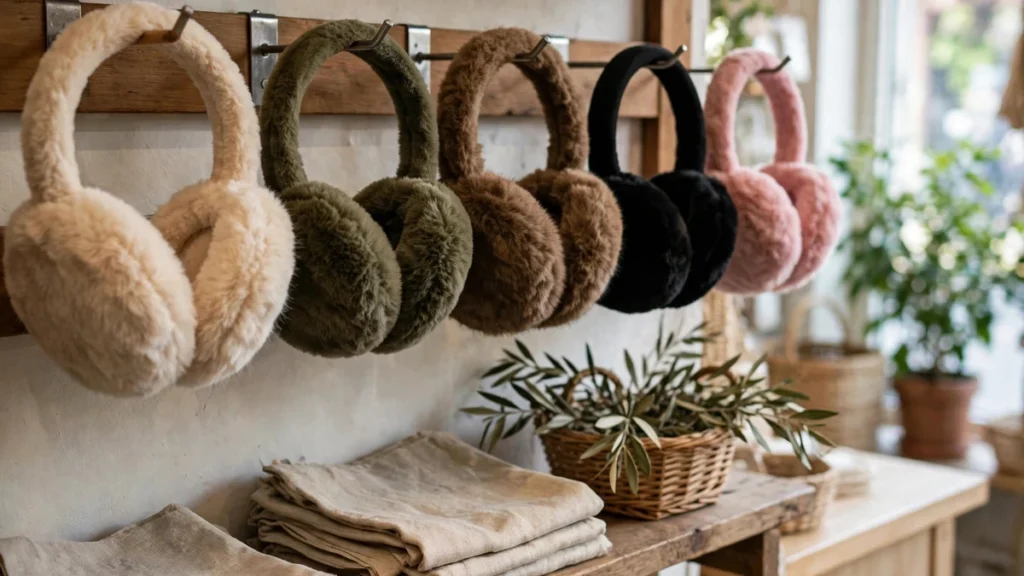
The second decision is the cup. Deep cups cover the whole ear and block wind well, which is what you want in a hard frost. Slim cups are lighter and easier to pack, which is what you want for travel and mild days. The lining matters too: smooth fleece feels comfortable for hours, while a rough lining itches by lunchtime. Run a finger across the lining before you buy, because your ears will spend hours against it.
How we chose these steps and what to look for
These steps come from the problems men actually report with earmuffs, not from a catalogue. The most common complaints are a band that is too tight, cups that press on glasses, a pair that slips in wind, and a pair that is too bulky to carry. Each step below fixes one of those problems before you pay. If a step feels obvious, it is probably the one most people skip.

Look for a shop or a return policy that lets you try the pair at home. Twenty minutes in a warm shop tells you little; an hour on a cold walk tells you everything. If you buy online, check the returns window before you order, and keep the packaging until you have worn the pair outside at least once.
Finally, set a budget before you start. Most good earmuffs cost between £15 and £65, and heated pairs cost more. Knowing your ceiling stops you from paying for features you do not need, like heating on a pair that will only see mild winters. Our guide to buying a hat follows the same logic, because the same rule applies: fit first, warmth second, brand last. A budget also makes the comparison honest, because you stop comparing a £20 pair with a £90 one and start comparing like with like.
The 9 steps to buying earmuffs in 2027
Measure your head before you buy
What we like: A quick tape measurement around the head, just above the ears, tells you whether a standard band will fit or whether you need an adjustable one. Best For: Men with larger or smaller heads. Cost: Free. Time Needed: Two minutes.
What to consider: Sizes vary between brands, so a measurement is a guide, not a guarantee, and you should still try the pair on. Skipping this step is the most common reason a pair goes back to the shop. A tape measure costs nothing and takes two minutes, so there is no good reason to guess.
Decide how you will wear them
What we like: Knowing whether the pair is for commuting, sport, or smart outfits narrows the choice fast, because each use suits a different band and cup style. Best For: Anyone choosing a first pair. Cost: Free. Time Needed: Five minutes of thought.
What to consider: A pair bought for one use rarely suits another, so be honest about how you will actually wear them. A sport pair looks out of place with a tailored coat, and a smart pair slips during a run. If you need a pair for two very different uses, buy the one for the use that happens most often.
Choose the material for the season
What we like: Fleece and faux fur suit deep cold, knit suits mild days, and leather trim suits smart outfits, so the material follows the weather. Best For: Matching warmth to your winter. Cost: Free to choose. Time Needed: Ten minutes of comparison.
What to consider: The warmest material is not always the best choice, because a heavy pair you leave at home warms nobody. Pick the lightest material that handles your coldest regular day. If your winters are mostly mild with a few cold snaps, a mid-weight fleece pair is the sensible middle ground.
Pick the band style that suits you
What we like: Over-the-head bands are stable, behind-the-head bands hide under hoods, and foldable bands pack small, so each style solves a different problem. Best For: Men who wear hoods, hats, or hairstyles a band would disturb. Cost: Free to choose. Time Needed: Ten minutes of trying on.
What to consider: Behind-the-head bands can ride up during fast movement, and over-the-head bands flatten hair. Try both styles before you decide, because the difference is bigger than it looks.
Check the fit, not just the size
What we like: Wearing the pair for twenty minutes in the shop reveals pressure points that a size label never will, especially around the ears and temples. Best For: Every buyer, without exception. Cost: Free. Time Needed: Twenty minutes.
What to consider: A shop is warm, so a pair that feels snug there may feel tighter in the cold, when skin is more sensitive. If it hurts in the shop, it will hurt outside.
Choose the closure and adjustability
What we like: An adjustable band lets you fine-tune the fit, which matters if you share the pair or wear it over different hairstyles. Best For: Men between sizes or sharing a pair. Cost: Usually no extra cost. Time Needed: Five minutes.
What to consider: Adjustable bands have more parts to break, and a simple fixed band is often sturdier. If the fixed size fits well, simplicity is the better choice. Check that the adjustment holds its setting when you move, because a band that slips loose during a walk is worse than a fixed one.
Match the pair to your glasses and headphones
What we like: Trying earmuffs with your glasses on shows whether the cups press the arms into your temples, which is the most common comfort problem. Best For: Glasses wearers and headphone users. Cost: Free. Time Needed: Ten minutes.
What to consider: Over-ear headphones and earmuffs rarely share the ear comfortably, so earbuds under slim earmuffs are the usual compromise. Bring your glasses and earbuds to the shop. If you commute with headphones every day, test the combination for a full journey before you decide.
Set a budget and compare like with like
What we like: Comparing pairs at the same price shows what the money actually buys, usually better materials and a sturdier band, not a warmer cup. Best For: Avoiding overspending on features you will not use. Cost: Free. Time Needed: Fifteen minutes.
What to consider: Heated pairs cost far more and need charging, so they only earn their price in very cold climates. For most winters, a £20 to £40 pair is all you need.
Keep the receipt and the care instructions
What we like: Keeping the receipt means you can return a pair that hurts after a real walk, and the care label tells you how to wash it without flattening the cups. Best For: Every buyer. Cost: Free. Time Needed: Two minutes.
What to consider: Most return windows are short, so wear the pair outside within the first week. A pair that is only tried indoors has not really been tried at all. Keep the packaging until you are sure.
Which earmuff is right for you
Match the pair to your coldest regular day, not your coldest day ever. If your winter is mild, a slim folding pair is enough, and it is the one you will carry. If your winter is hard, choose deep faux-fur or fleece cups and accept the bulk. If you travel, a slim travel pair is worth having even if it is not your warmest. The pair that suits your real winter is always a better buy than the pair that suits a winter you never have.
Think about the rest of your winter outfit too. A coat with a high collar already blocks much of the wind around the ears, which means you can choose a lighter pair. A trench coat with a lower collar leaves the ears more exposed, so the earmuffs need to do more work. The same logic applies to scarves and hoods: the more your coat covers, the less your earmuffs need to.
Finally, think about how often you will wear them. A daily commuter should spend a little more on comfort and durability, because a cheap band loosens within a season. An occasional wearer should spend less and choose a folding pair, because the best pair for a rare cold day is the one that is actually in your pocket. Frequency is the quietest factor in the whole decision, and the one that most often decides whether a pair gets worn or forgotten.
The caveats that matter
Earmuffs are simple, but the mistakes are predictable. The most common is buying the warmest pair and then never carrying it because it is too bulky. The second is buying a pair without trying it with glasses, and discovering the pressure on the first long walk. Both are avoidable with twenty minutes of trying on. A third mistake is ignoring the care label, which is how a good pair ends up flattened in a hot wash.
| Detail | What is known |
|---|---|
| First step | Measure your head and decide how you will wear them |
| Best fit test | Twenty minutes in the shop, with glasses and hood on |
| Warmest materials | Faux fur and fleece for deep cold, knit for mild days |
| Best band for hoods | Behind-the-head bands hide under a hood |
| Best for travel | Foldable pairs that pack into a pocket or pouch |
| Sensible budget | £15 to £65 for most men; heated pairs cost more |
| Care | Brush faux fur, hand wash knit and cashmere covers |
| What to avoid | Buying without trying on, or choosing bulk over fit |
If you have an ear condition, sensitive skin, or a hearing aid, take extra care with the fit. A cup that presses on a hearing aid will whistle, and a rough lining will irritate skin that is already dry from winter air. Try the pair at home for an hour, with everything you normally wear, before you commit to keeping it.
Checklist: buying earmuffs honestly
Use these checks before you pay, and again after a week of use.
- Check the fit: cups cover the whole ear, band snug but forgettable after twenty minutes.
- Check with glasses: wear your glasses with the pair on and look for pressure on the temples.
- Check the band style: over the head for stability, behind the head for hoods, foldable for packing.
- Check the fold: it should pack into a coat pocket or its own pouch without a struggle.
- Check the budget: £15 to £65 covers most good pairs, and heated pairs only earn their price in deep cold.
- Check the returns: keep the receipt and wear the pair outside within the first week.
Frequently asked questions
How much should I spend on earmuffs?
Most good pairs cost between £15 and £65. A folding pair at the lower end suits mild winters and travel, while a plush or cashmere pair at the higher end suits daily wear in real cold. Heated pairs cost more and only earn their price in very cold climates.
Should I buy earmuffs online or in a shop?
A shop is better for a first pair, because you can try the fit with your glasses and coat. Online is fine once you know your size and the band style you like, provided the returns window is generous and you test the pair outside within the first week.
Do earmuffs suit men with larger heads?
Yes, but measure first and look for an adjustable band. Fixed bands vary between brands, and a band that is too tight will cause headaches. An adjustable band, or a behind-the-head style, usually fits larger heads better.
Can I wear earmuffs with a hood up?
Yes, if you choose the right style. Behind-the-head bands and slim cups sit neatly under a hood, while bulky over-the-head bands can push the hood out of shape. Try the combination on before you buy, because the fit changes once everything is layered.
How long do earmuffs last?
A good pair lasts several winters if you care for it. The band loosens first, then the lining thins and the cups flatten. When the band no longer holds the cups firmly, or the lining feels rough, it is time to replace them.
Are earmuffs a good gift?
Yes, they are a practical winter gift, especially a folding pair that packs small. If you are buying for someone else, choose an adjustable band and a neutral colour, and keep the receipt. Our guide to luxury gifts under £1000 has more ideas if you want to pair earmuffs with something bigger.
The bottom line
Buying earmuffs well comes down to nine small decisions, and the first three matter most: measure your head, decide how you will wear them, and try the pair on with your glasses and coat. Get those right and the rest is easy. Get them wrong and no amount of warmth or brand will save the pair. The good news is that none of the nine steps costs money, and most of them take only minutes.
Set a budget, compare like with like, keep the receipt, and wear the pair outside within the first week. That is the honest way to buy earmuffs once, rather than buying twice and keeping the pair you like less. A good pair should last several winters, so the hour you spend choosing it is time well spent.