


What if the mattress marketed as “the best” would leave you tossing at 3 a.m., while a mid-priced model nobody reviews would suit you perfectly? That mismatch is the heart of the hybrid mattress problem. The category is crowded, the claims are loud, and the word “best” is doing a lot of quiet lifting. A hybrid mattress combines a pocket-coil or innerspring support core with one or more foam or latex comfort layers. That is the whole definition. No standards body enforces it, which means two beds with wildly different feels can both wear the label.
So instead of crowning a single winner, this guide breaks down what separates a genuinely good hybrid from a marketing exercise, where shoppers routinely go wrong, and how to match a mattress to the body that will actually sleep on it.
Why “Best” Depends on the Sleeper, Not the Badge
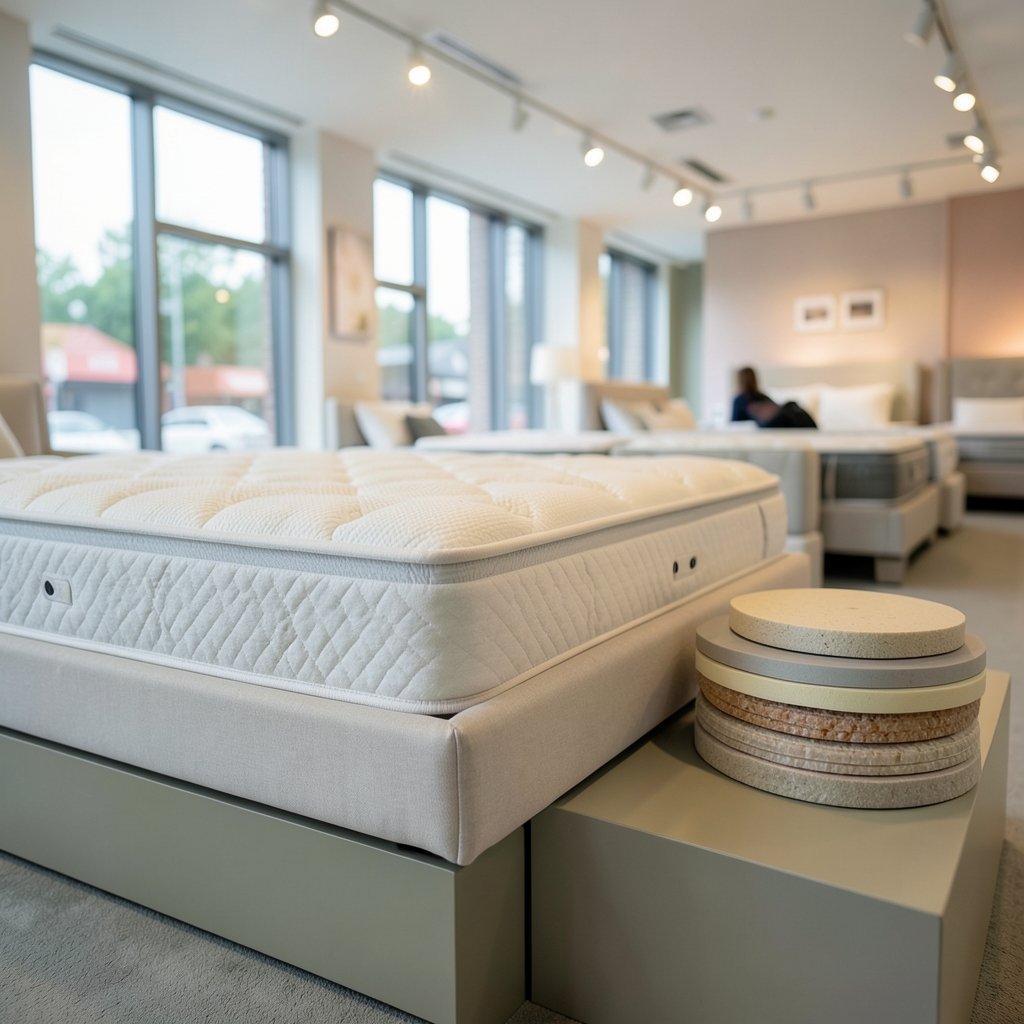
Start with an uncomfortable truth: firmness ratings are not standardized. Most brands rate their beds on a 1 to 10 scale, but those numbers are assigned by the manufacturer or a reviewer. Two mattresses both labeled “6” can feel noticeably different under the same back. Treat any firmness score as a rough starting point, not a specification.
The evidence base is thinner than the marketing suggests, too. Peer-reviewed guidance generally favors a mattress that keeps the spine in neutral alignment and feels comfortable to the individual. High-quality evidence that one mattress type is best for back pain is limited and mixed. In practice, that means the “best hybrid mattress” is a fit problem, not a ranking problem.
Sleep position is the most useful filter:
| Sleep position | What tends to work | What to watch for |
|---|---|---|
| Side | Softer comfort layer, responsive coils, good pressure relief at shoulder and hip | Too-firm surfaces that pinch the shoulder |
| Back | Medium feel, even support from head to hips | Sagging zones that pull the lower back out of line |
| Stomach | Firmer surface that keeps hips level | Plush tops that let the midsection sink |
| Combination | Medium with strong edge support and quick response | Slow foams that make turning over a chore |
Weight matters as much as position. A lighter sleeper may never compress a firm hybrid enough to feel its comfort layers, while a heavier sleeper can bottom out a soft one. The same mattress can be supportive for one person and punishing for another.
The Anatomy of a Hybrid Worth Buying
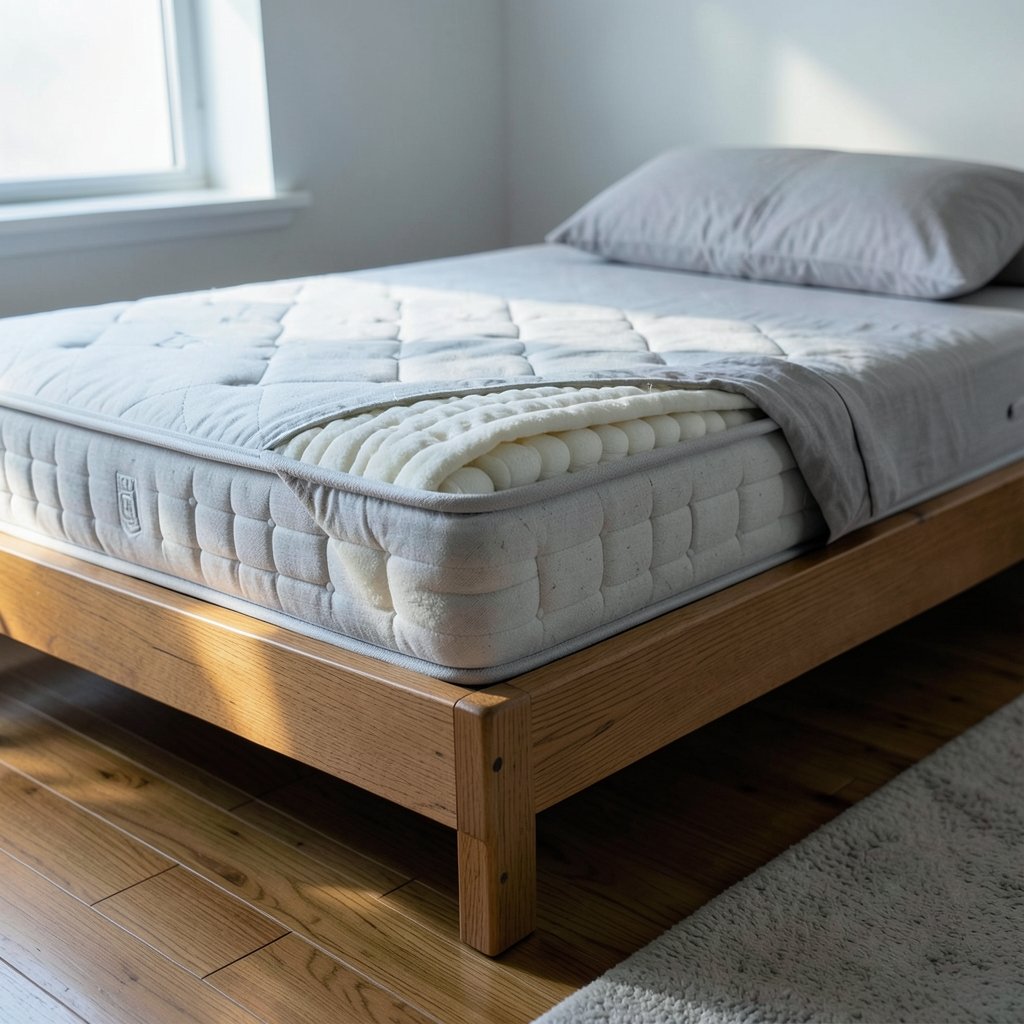
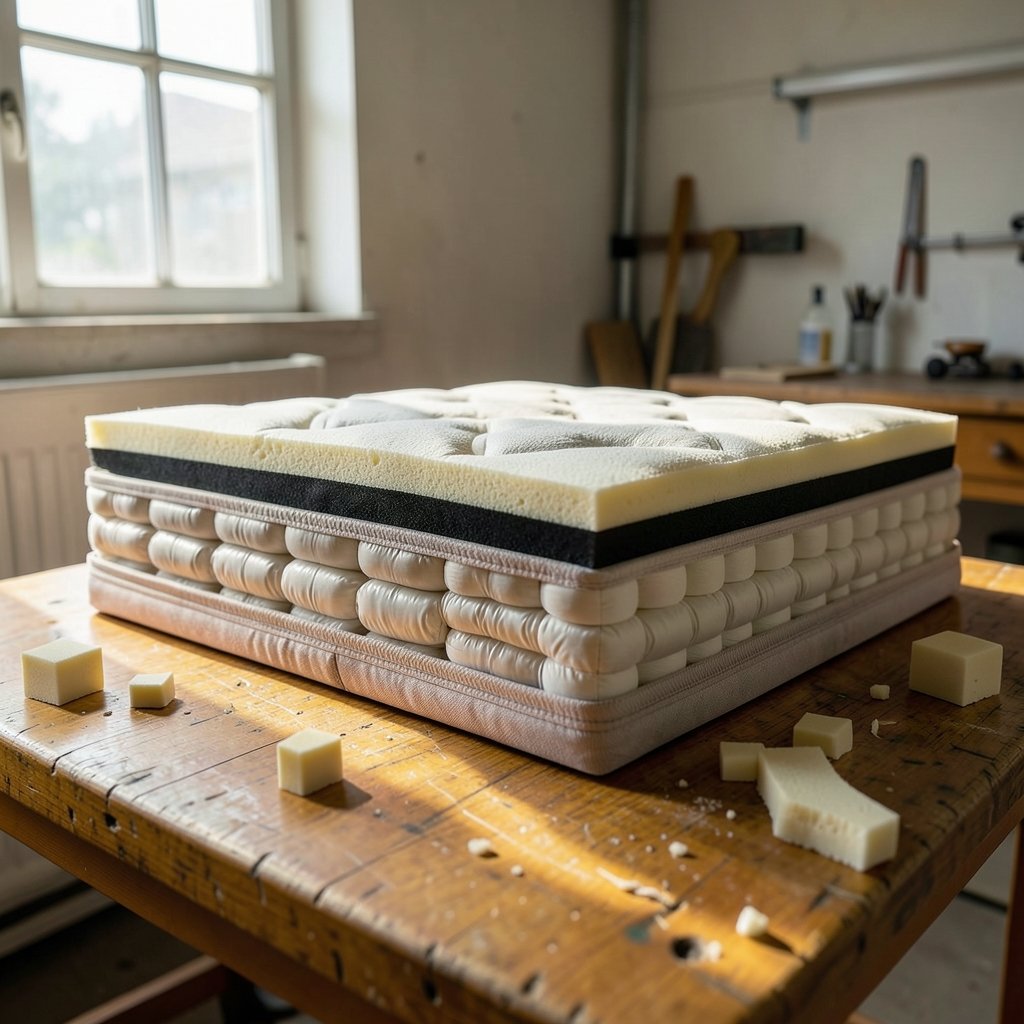
A hybrid has three jobs: support the body, cushion the pressure points, and survive years of nightly load. Each job maps to a different layer, and the quality of each layer is where budget beds cut corners.
The coil core
Pocket coils are individually wrapped springs that move somewhat independently. More coils and thicker wire gauge generally mean better support and durability, though there is no universal lifespan test that brands must pass. Edge support is a practical detail worth checking: reinforced perimeter coils keep you from feeling like you are sliding off when you sit on the side to put on socks.
The comfort layers
This is where foam density matters most. Higher-density foams tend to last longer; low-density foams feel great in the showroom and flatten sooner. Memory foam sleeps warm and cradles the body; latex responds faster and sleeps cooler; polyfoam is the budget option. A hybrid with a thin, low-density comfort layer over a great coil unit is still a short-lived mattress.
The cover and certifications
Look for a washable, breathable cover if dust mites or allergies are a concern. Encasings and washable covers can reduce dust-mite exposure, a general allergy-management point that applies to any mattress. On foam safety, the CertiPUR-US program certifies foam for content and emissions limits, including no heavy metals and low VOC emissions. It is a voluntary industry program, not a government standard, but it is a reasonable baseline to look for.
Be equally careful with organic claims. “Organic” textile claims fall under national organic program rules and green marketing guidance, so a “certified organic” mattress claim should be checked against the specific certifier named. The word alone proves nothing.
Flammability, Warranties, and the Fine Print Nobody Reads
Every mattress sold in the United States must meet the federal flammability standard known as 16 CFR Part 1633, which limits the peak heat release rate of mattress sets and took effect on July 1, 2007. This is not a differentiator. Every compliant bed passes. It is simply a reminder that the safety floor is set by regulation, not by brand storytelling.
Warranties deserve more scrutiny than they usually get. Typical hybrid warranties run about 10 years, often prorated, and frequently exclude normal softening of the foam. In plain terms, the sag you notice in year four may not count as a defect. Read what the warranty actually covers before you read the review scores.
Trial periods are the other fine-print trap. Many sellers offer 90 to 120 nights, but the terms are set by the seller, not by law. Return fees, donation requirements, and mandatory break-in periods vary widely. A generous-looking trial with a $99 return fee and a 30-day minimum is a different offer than a free return at day 89.
Where Shoppers Go Wrong: Common Mistakes That Cost Money
First-hand patterns from the mattress-buying world are remarkably consistent. These are the errors that show up again and again.
- Buying on firmness numbers alone. A “7” from one brand is not a “7” from another. Sit or lie on the bed, or choose a seller with a real return policy.
- Skipping the 15-minute lie-down. Five minutes on your back in a showroom tells you almost nothing. Lie in your actual sleep position, and bring your own pillow.
- Ignoring the foundation. A hybrid needs a supportive base. A sagging box spring or a slatted frame with wide gaps can void a warranty and ruin the feel.
- Assuming a longer warranty means a longer-lasting bed. It usually means a longer document.
- Overweighting review averages. Reviews skew toward the first 30 nights, before foams have had time to soften.
- Forgetting the sleep accessories. Pillow height and mattress firmness interact. A great hybrid with the wrong pillow can still leave a side sleeper with a sore neck.
There is a parallel lesson in how shoppers get seduced by brand narratives elsewhere. The same dynamic shows up in the way a mattress maker, estate agent, and agency all lean on brand storytelling to sell very different products. A recognizable name is not a fit guarantee.
How to Test a Hybrid Before You Commit
The most reliable method is boring and effective: sleep on it, or simulate sleeping on it as closely as possible. Here is a sequence that works in a store or at home during a trial.
- Lie down in your dominant sleep position for at least 15 minutes. Set a timer so you do not cheat.
- Check spinal alignment. Have someone glance at your posture, or use a phone camera. Your spine should look roughly straight from the side, not arched or curled.
- Roll from your back to your side and back again. A good hybrid responds quickly. If you feel stuck, the comfort layer is too slow or too soft.
- Sit on the edge. If you slide off or the perimeter collapses, edge support is weak.
- Notice heat. Memory foam runs warm. If you sleep hot, prioritize breathable covers and latex or gel foams.
- Test with your own pillow and, ideally, your own sheets. Small variables change the feel more than people expect.
If you are buying during a trial period, keep the packaging and follow the seller’s break-in rules exactly. Many returns are rejected on technicalities, not on the mattress.
Budget, Durability, and the Value Question
Hybrids span a huge price range, and the price gap is not always explained by materials. Higher-density foams and thicker coil gauges generally last longer, but there is no universal “years of life” standard enforced across the industry. A cheap hybrid with a thin comfort layer and a light coil count is a bet against time.
A practical way to think about value: divide the price by the number of years you realistically expect to keep the bed. A $1,200 hybrid that lasts eight years costs about $150 a year. A $600 hybrid that flattens in three costs $200 a year and delivers worse sleep along the way.
The same logic applies to big-ticket purchases across categories. Car shoppers wrestling with the prices you actually pay for Toyota’s hybrid sedan face the identical trap: sticker price tells you little until you factor in real-world costs and how long the thing holds up. And just as a Mazda with a Toyota hybrid heart and a Mazda body shows that components matter more than badges, a hybrid mattress is only as good as its coil unit and foam density, not its logo.
Matching the Mattress to the Sleeper
There is no universal winner, but there are sensible defaults. Side sleepers usually do best on a medium to medium-soft hybrid with a responsive top layer. Back sleepers tend toward medium. Stomach sleepers often need firmer support to keep the hips from sinking. Couples with different preferences should prioritize motion isolation and edge support, then compromise on a medium feel rather than buying two beds.
Heavier sleepers should look for denser foams and sturdier coil systems, while lighter sleepers can often save money on a plusher, less dense build. Anyone with allergies should prioritize a washable cover and a dust-mite encasing. Anyone who sleeps hot should lean toward breathable covers, latex, or gel-infused foams.
If you take one thing from this guide, make it this: test in your own sleep position, read the return policy before the review score, and treat firmness numbers as marketing shorthand rather than science.
The same principle of knowing what you are actually buying applies to experiences as much as products. Fans planning a live show benefit from knowing what to expect before booking a Matt Matthews tour date, just as mattress shoppers benefit from knowing what a trial period really covers. Preparation beats hype every time.
Conclusion
The best hybrid mattress is not a single model sitting at the top of a list. It is the one whose coil core supports your body weight, whose comfort layer matches your sleep position, and whose seller gives you a fair chance to test it and return it if the fit is wrong. Firmness scales are inconsistent, organic claims need verification, and warranties rarely cover the softening you will actually notice. None of that is a reason to avoid hybrids. It is a reason to shop like an informed buyer rather than a browser.
Start with your sleep position and body weight. Check the foam density and coil construction. Read the trial terms line by line. Then lie down, set a timer, and let your spine cast the deciding vote.
Frequently Asked Questions
What is a hybrid mattress, exactly?
A hybrid mattress combines an innerspring or pocket-coil support core with one or more foam or latex comfort layers. That is the general industry usage rather than a formal standard, so no single body defines the term. In practice, the coil unit provides support and the foam layers provide pressure relief, which is why the quality of both layers matters.
Is a hybrid mattress better than a pure foam mattress?
Not universally. Hybrids tend to offer more bounce, better edge support, and cooler airflow, which suits combination sleepers and hot sleepers. All-foam beds tend to isolate motion better and can feel plusher. The right choice depends on sleep position, body weight, and how much you move at night, not on which category sounds more premium.
How long should a hybrid mattress last?
There is no universal lifespan standard enforced across the industry. Durability depends on foam density and coil gauge, and higher-density foams and thicker coil gauges generally last longer. Typical warranties run about 10 years and are often prorated, and they frequently exclude normal softening, so the warranty length is not the same as expected life.
Do hybrid mattresses need a special foundation?
They need a supportive, flat base. A sagging box spring or a frame with wide slats can undermine the coil unit and may void the warranty. Check the seller’s foundation requirements before delivery, and replace any base that already sags. This is one of the most common and most avoidable setup mistakes.
Are organic and CertiPUR-US claims trustworthy?
They mean different things. CertiPUR-US is a voluntary industry program that certifies foam for content and emissions limits, including no heavy metals and low VOC emissions. Organic textile claims fall under national organic program rules and green marketing guidance, so a “certified organic” claim should be checked against the specific certifier named. Neither label guarantees comfort or durability.
What is the biggest mistake when buying a hybrid mattress?
Buying on review scores and firmness numbers without testing the bed in your own sleep position. Firmness ratings are not standardized, and two mattresses rated the same can feel very different. Lie down for at least 15 minutes in your dominant position, check spinal alignment, and read the trial and return terms before you pay.














