

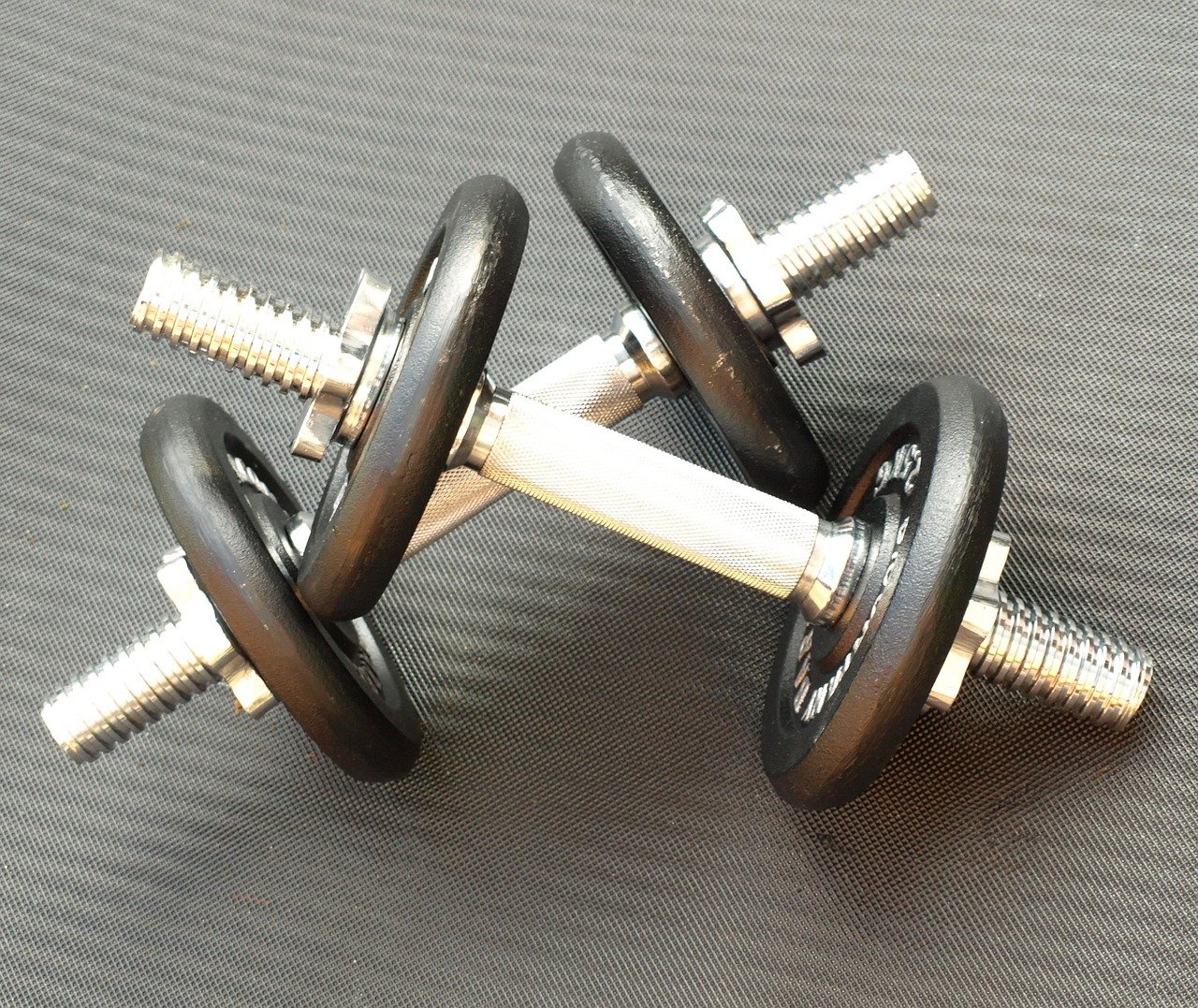

What if the single best upgrade to a home gym wasn’t a machine at all, but one pair of dumbbells that quietly replaces an entire rack? That is the promise of adjustable dumbbells, and for many lifters it holds up. But the category is also where buyers get burned most often: plates that rattle, dials that jam, and sets that cost more than a year of gym dues. This guide walks through how the mechanisms actually work, what to check before spending money, and which trade-offs genuinely matter.
Why adjustable dumbbells beat a fixed rack for most homes
A full rack of fixed dumbbells from 5 to 50 pounds takes up a wall. A good adjustable pair fits in a closet corner and covers the same range. For anyone training in an apartment, a spare room, or a garage shared with a car, that footprint difference decides the purchase on its own.
The second argument is progression. Strength training works best when load climbs in small, steady steps. Fixed dumbbells force jumps of five pounds or more per hand once you pass the light sizes, which is a big leap on exercises like lateral raises or curls. Adjustable sets often move in 2.5-pound increments, letting you nudge weight up without wrecking your form. The general physical activity guidance for adults recommends muscle-strengthening work on at least two days a week, and steady progression is how people actually stick with it.
The third argument is cost per pound. A mid-range adjustable pair frequently lands well below the price of the six or seven fixed pairs it replaces. That math only works if the set survives years of use, which is why the build details below matter more than the marketing.
The two main mechanisms, and what each one demands of you
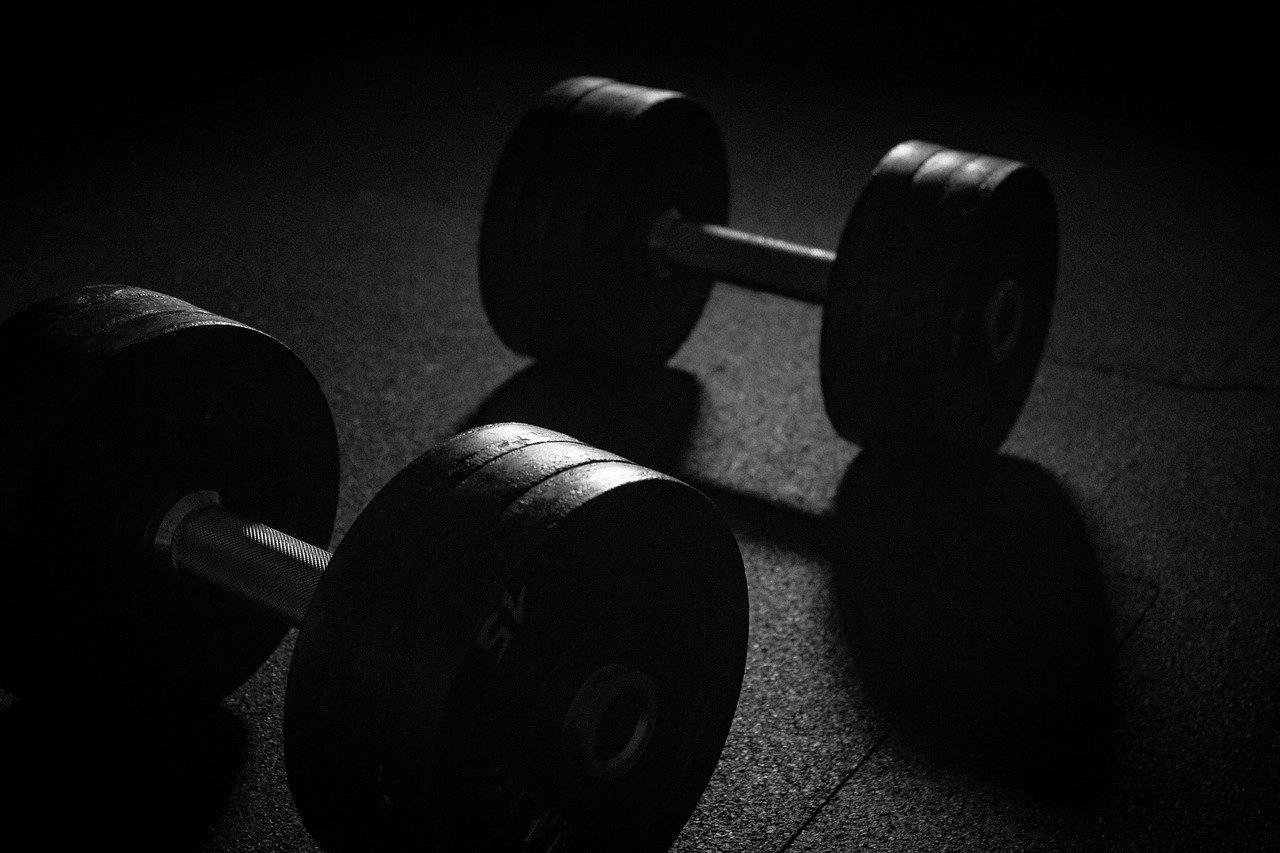
Almost every adjustable dumbbell on the market uses one of two systems, and the difference shapes your entire workout.
Dial or selector-pin systems. A dial, lever, or pin locks the chosen plates to the handle. You turn or slide, lift, and train. These are the fastest to change between sets and the friendliest for supersets and drop sets. The catch is that the internal locking parts are the wear point. Grit, chalk dust, and the occasional dropped rep all stress them.
Tray or cradle systems. The dumbbell sits in a cradle, you pull a pin or move a selector, and the handle lifts out with only the plates you chose. The unused plates stay behind. These tend to feel more like traditional dumbbells in the hand, but they need floor space and a disciplined routine: the dumbbell must return to the tray at the right setting before you change weight.
A practical tip from people who train at home: decide where the dumbbells will live before you buy. Tray systems need a clear patch of floor roughly the size of a small coffee table, and shuffling that tray mid-workout gets old fast. Dial systems are more forgiving in tight rooms but demand that you set them down gently rather than toss them. (D d monsters pick run reskin them at table)
A quick comparison of the trade-offs
| Factor | Dial/selector systems | Tray/cradle systems |
|---|---|---|
| Speed of weight change | Fast, one hand | Slower, needs both hands and the tray |
| Feel in the hand | Bulkier, wider | Closer to fixed dumbbells |
| Floor space needed | Minimal | Moderate to large |
| Drop tolerance | Low | Low to moderate |
| Best for | Supersets, small rooms | Lifters who want a familiar grip |
Neither design is “best” in the abstract. The right pick depends on your room, your routine, and how carefully you treat your gear.
What actually breaks, and how to avoid it
Adjustable dumbbells fail in predictable ways, and most failures trace back to user habits rather than manufacturing defects.
Dropping them. This is the number one killer. The locking mechanism on any adjustable set is designed to hold plates under gravity during normal use, not to absorb impact from a waist-high drop. Even brands that market ruggedness generally expect a controlled set-down. If you train to failure on presses, plan to end the set with the weights already low, or use a bench with safety catches.
Skipping the seat check. On tray systems, the selector must be fully seated before you lift. Half-engaged pins are how plates end up on your foot. Make it a habit: set the weight, glance at the pin, then lift.
Ignoring recalls. Adjustable dumbbells have been subject to safety recalls over the years, typically involving plates or components detaching during use. Before buying any model, new or used, search the official recall database for the brand and model name. It takes two minutes and it is the single most useful pre-purchase check most buyers skip. The same discipline applies to other gear: riders weighing a helmet purchase should read up on what Bell helmets riders should know before buying one, and dumbbell buyers should treat recall checks the same way.
Storing them loaded. Leaving a dial set at maximum weight for months puts constant stress on the mechanism. Dial down to the lowest setting when the set goes back on the shelf.
Buying used without inspecting the lock. Secondhand sets are a genuine bargain, but test every increment before handing over cash. Turn the dial through the full range, listen for grinding, and check that each plate seats firmly with no wobble.
Matching weight range and increments to your training
Spec sheets list a maximum weight per hand, but the number that matters is the increment. A set that jumps ten pounds per hand is fine for squats and rows and miserable for lateral raises and rear delt work. Look for 2.5-pound or 5-pound steps if you do a lot of isolation training.
Weight range needs honest assessment. A pair topping out around 25 pounds per hand suits beginners, mobility work, and light accessory training. Sets reaching 50 pounds per hand cover most intermediate full-body routines. Heavy sets pushing past 70 or 80 pounds per hand are for experienced lifters who press and row heavy at home. Buying more range than you need costs money and adds bulk; buying too little forces a second purchase within a year.
One more practical note: check the physical dimensions of the dumbbell at its heaviest setting. Wide plates can collide with your forearms on curls and can crowd your knees during bench presses. If possible, try before buying or read owner reports specifically about clearance at heavy settings.
Build quality signals worth paying for
A few details separate sets that last a decade from sets that loosen within a year.
Metal-on-metal locking. Plastic internal components wear faster. Steel pins and metal plate interfaces hold adjustment accuracy longer.
Plate finish. Rubber-coated or urethane plates protect floors and reduce noise. Bare metal plates are durable but loud and can scuff hardwood.
Handle knurling. Good knurling gives grip without shredding calluses. Aggressive knurling feels great in the store and painful after twenty sets.
Warranty length. A multi-year warranty signals confidence in the mechanism. Read what it excludes, because cosmetic wear and “misuse” clauses are common.
Weight tolerance. Cheap sets sometimes vary a pound or two between plates. For most home training this is trivial, but it matters if you track loads precisely.
Standards work in fitness equipment exists, and reputable manufacturers design to recognized specifications for home fitness gear. Buyers do not need to memorize standard numbers, but a brand that mentions compliance is usually a brand that thought about safety testing.
Set a realistic budget and know what each tier buys
Entry-level adjustable sets exist, and some are perfectly usable for light training. The pattern across the category is consistent: the cheapest sets cut corners on the locking mechanism, and that is exactly the part you cannot afford to have fail while a weight is over your face.
Mid-range sets are the sweet spot for most homes. They offer metal locking parts, decent knurling, rubber-coated plates, and a warranty worth having. Premium sets add faster adjustment, tighter tolerances, and better resale value.
Resale deserves a mention. Popular adjustable dumbbells hold value reasonably well because shipping heavy iron is expensive, so local buyers dominate the used market. A well-maintained premium set can recoup a meaningful share of its price if you later switch to a commercial gym or move abroad.
If your interests range beyond lifting, the same principle of matching gear to a specific use applies everywhere. Someone planning a charter vacation researches menus as carefully as a lifter researches increments, which is why guides like the 10 best yacht table culinary charters 2027 exist. And hobbyists who run tabletop games know that picking monsters and reskinning them at the table is its own craft, much like picking a dumbbell setting that fits the exercise rather than the ego.
Common mistakes that cost money
A short list of errors that show up again and again in owner forums and reviews:
- Buying for the maximum weight and ignoring the increment.
- Skipping the recall check on a used set.
- Dropping the dumbbells after the last rep out of habit.
- Storing the set at maximum load.
- Assuming a tray system will fit a small room without measuring.
- Chasing the cheapest set and replacing it within eighteen months.
None of these are exotic. They are the ordinary slips that turn a good purchase into a frustrating one.
How to test a set in the first week
The first week of ownership is the audit window. Run every increment through its full range. Listen for grinding or clicking that suggests a misaligned pin. Check that plates sit flush at each setting. Do a set of curls, a set of presses, and a set of rows at a moderate weight and pay attention to wrist position and forearm clearance. If something feels off, return it while the policy still allows it.
Also time yourself changing weights. A dial that takes eight seconds is fine; one that takes thirty will quietly kill your workout pace. Better to discover that in week one than month six.
Conclusion
The best adjustable dumbbells are not the ones with the biggest number on the box. They are the set whose increment matches your training, whose mechanism you will actually treat with care, and whose footprint fits the room you train in. Check for recalls before you buy, test every setting when the set arrives, and store it dialed down. Do those three things and a mid-range pair will likely outlast several gym memberships. The category rewards patience over hype: measure your space, be honest about the weights you really lift, and buy the mechanism you will maintain.
Frequently asked questions
Are adjustable dumbbells safe to use?
Yes, when used as designed. The main risks are dropping them and lifting with a partially engaged selector. Set the weight, confirm the pin or dial is fully locked, and set the dumbbells down rather than dropping them. Check the official recall database for your specific model before use, especially with secondhand sets.
How much weight per hand do I need?
Beginners usually do fine with 25 pounds per hand. Most intermediate lifters want at least 50 pounds per hand for presses and rows. Choose based on the heaviest exercise in your routine, not the average, and remember that a smaller increment matters more than a huge maximum.
Do adjustable dumbbells replace a full rack?
For most home lifters, yes. One pair covering 5 to 50 pounds per hand handles nearly every dumbbell exercise. A rack still wins for high-volume circuits where fast changes matter, or for lifters who regularly drop weights after heavy sets.
What is the difference between adjustable and selectorized dumbbells?
The terms overlap in retail use. “Selectorized” usually describes dial or pin systems where plates lock to the handle. “Plate-loaded” typically means you add or remove plates manually. Ask which mechanism a listing uses rather than trusting the label.
Can I drop adjustable dumbbells?
No, not as a habit. The locking mechanism holds plates under normal gravity but is not built to absorb impact. Dropping is the most common cause of plate detachment and mechanism failure. Lower them under control, even on the last rep.
Are expensive adjustable dumbbells worth it?
Often, yes. The price gap usually shows up in metal locking parts, better knurling, tighter tolerances, and longer warranties. Since the locking mechanism is the failure point, paying for quality there is the most rational upgrade in the category.














