


What if the smartest graphics card purchase right now is not the most expensive one on the shelf? AMD’s Radeon lineup has quietly become the value story of modern PC building, and the range of options is wider than ever. From budget 1080p cards to a flagship that trades blows with the best of Nvidia, there is a Radeon for almost every budget and monitor.
This roundup skips the theory and goes straight to named options. Each pick below covers who it suits, what it does well, one honest limitation, and the price where a published listing states it. Benchmark numbers come from UL Benchmarks’ 3DMark Steel Nomad database, which pools results from thousands of users and updates daily.
Quick Comparison of the Top AMD GPU Options
| GPU | Best for | 3DMark Steel Nomad | Listed MSRP | Standout strength |
|---|---|---|---|---|
| Radeon RX 9070 XT | 4K and high-refresh 1440p | 7273 | $599 | Best overall performance per dollar |
| Radeon RX 9070 | Strong 1440p, cheaper | 6312 | $549 | Near-flagship speed for less |
| Radeon RX 7900 XTX | 4K with heavy textures | 6866 | $999 | 24 GB of VRAM headroom |
| Radeon RX 9060 XT 16 GB | 1440p on a budget | 3820 | Not listed | Big memory buffer at mid-range price |
| Radeon RX 7800 XT | Mainstream 1440p | 4152 | $499 | Proven all-rounder |
| Radeon RX 7700 XT | 1080p and light 1440p | 3322 | $449 | Frequent discounts |
| Radeon RX 6750 XT | Entry 1080p gaming | 2539 | $549 | Cheap on the used market |
Prices move constantly, so treat the MSRP column as a starting reference and check current retail listings before buying.
Radeon RX 9070 XT: The Best AMD GPU Overall
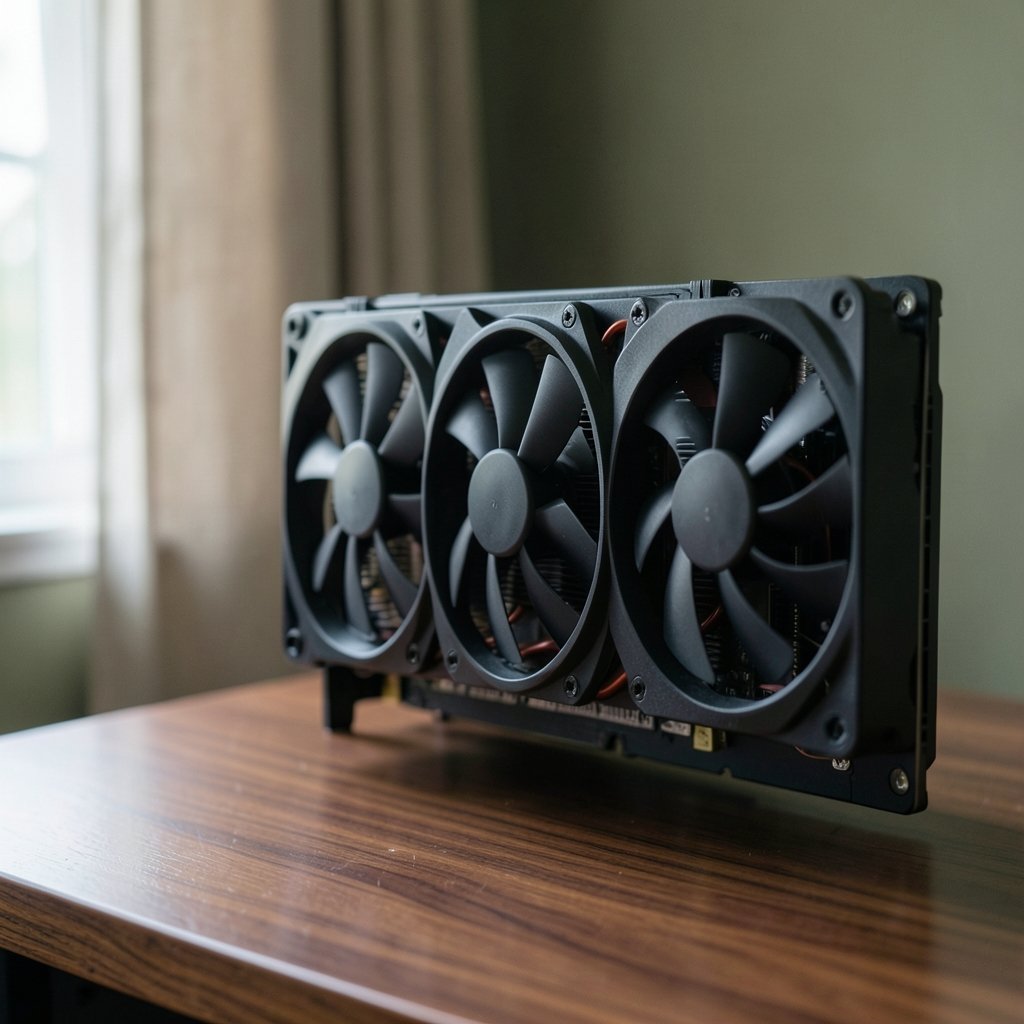
If someone wants one recommendation without caveats, this is it. The Radeon RX 9070 XT sits at the top of the popularity charts in UL Benchmarks’ database with a Steel Nomad score of 7273, and its listed $599 price makes the value math almost embarrassing for cards costing hundreds more. One published review roundup notes that the 9070 XT actually beats the older 7900 XTX in a number of games at 4K, which says a lot about how far the RDNA 4 architecture has come.
It suits 4K gamers, high-refresh 1440p players, and anyone who wants a card that will stay relevant for several years. The limitation is the one that follows AMD everywhere: ray tracing has improved, but Nvidia still holds a slight edge in the most demanding ray-traced scenes. If maxed-out path tracing is the whole point of a build, that matters. For everyone else, rasterized performance at this price is hard to argue with.
Radeon RX 9070: The Smarter 1440p Buy
The non-XT Radeon RX 9070 scores 6312 in Steel Nomad and lists at $549. That is roughly 13 percent less performance than the XT for about 8 percent less money, which makes it a genuinely close call rather than an obvious downgrade. It suits 1440p players with 144 Hz or 165 Hz monitors who want headroom without paying flagship prices.
What it does well is stay quiet and efficient while pushing high frame rates in modern titles. The limitation is that at only $50 below the XT, many buyers will simply stretch to the faster card. Watch for sales; when the gap widens, this becomes the value pick of the generation.
Radeon RX 7900 XTX: Still the VRAM King
The Radeon RX 7900 XTX is the previous-generation flagship, and it refuses to fade. Its Steel Nomad score of 6866 and $999 MSRP put it in direct competition with newer cards, and its 24 GB of memory is the reason it stays relevant. One review notes that because the 7900 XTX has 24 GB of RAM, there will always be 4K games with heavy high-resolution textures that perform better on it than on newer cards with less memory.
It suits 4K gamers who love texture packs and mods, plus creators who need memory for rendering or AI work. The limitation is efficiency and age: it draws more power and lacks the newest features of RDNA 4. Buy it on a good discount, not at full price. (4c hair)
Radeon RX 9060 XT 16 GB: The Mid-Range Sweet Spot
Here is where things get interesting for most people. The Radeon RX 9060 XT in its 16 GB form scores 3820 in Steel Nomad and has become one of the most popular AMD cards in recent benchmark submissions. A French buying guide describes it as a balanced card for smooth 1440p gaming without paying flagship money, built on RDNA 4 with solid rasterization performance and improved ray tracing over earlier generations. It notes the card often competes with Nvidia’s RTX 5060 Ti while usually sitting at a friendlier price.
It suits 1440p gamers on a budget and anyone who keeps a card for five years and worries about memory. The 16 GB buffer is the headline feature. The limitation is raw speed: it will not drive 4K comfortably, and ray tracing still trails Nvidia. The 8 GB version exists but is best avoided for longevity.
Radeon RX 7800 XT: The Proven Mainstream Workhorse
The Radeon RX 7800 XT scores 4152 and lists at $499. It has been around long enough that drivers are mature and cooling designs are refined, which is exactly what a lot of buyers want. One Chinese buying guide calls it the consensus sweet-spot card, balancing efficiency and value as a first choice for 1440p.
It suits mainstream 1440p players and people upgrading from older mid-range cards. The limitation is that it is now outclassed on features by RDNA 4 models at similar prices, so it only makes sense on a clear discount.
Radeon RX 7700 XT: Discount Hunting Pays Off
The Radeon RX 7700 XT scores 3322 and lists at $449. On paper it looks like poor value next to the 7800 XT, but street prices tell a different story. It suits 1080p high-refresh gamers and light 1440p players who catch a sale.
What it does well is deliver smooth frame rates in esports titles and most modern games at 1080p. The limitation is its 12 GB of memory and a price that only makes sense well below MSRP. If the gap to the 7800 XT is small, take the bigger card.
Radeon RX 6750 XT: The Budget Entry Point
The Radeon RX 6750 XT scores 2539 with a $549 MSRP, but nobody should pay that today. Its real appeal is the used and clearance market, where it turns up cheap. It suits 1080p gamers building a first PC or refreshing an older one.
It handles 1080p comfortably and even 1440p at medium settings. The limitation is age: no modern upscaling hardware advantages, higher power draw, and drivers that are mature but no longer prioritized. Buy it only at a genuinely low price.
What About the GRE and XTX Names?
Two suffixes confuse a lot of shoppers. GRE stands for “Golden Rabbit Edition,” a China-first branding that AMD later spread to other markets. Cards like the RX 7900 GRE (score 4805, $550 MSRP) and RX 9070 GRE (score 5239) sit between main models, often with slightly cut memory buses. They can be excellent deals, but availability varies by region, so check local stock before planning a build around one. (The row)
XTX simply marks AMD’s top-tier chip, as in the 7900 XTX. There is no mystery to it: XTX means the fastest version of that generation’s silicon.
How to Choose the Right AMD GPU
Start with the monitor, not the card. Resolution and refresh rate decide almost everything else.
- Match the card to the resolution. For 1080p, the RX 7700 XT or 6750 XT is plenty. For 1440p, aim for the RX 9060 XT 16 GB, 7800 XT, or 9070. For 4K, the 9070 XT or 7900 XTX.
- Check the power supply. Higher-end Radeon cards need a quality unit with the right connectors. A 650 W unit handles mid-range models comfortably; flagship cards want more.
- Confirm physical clearance. Three-fan cards are long. Measure the case before ordering.
- Weigh memory against lifespan. If a card will serve five years, 16 GB is the safer floor at 1440p. Texture-heavy games punish 8 GB cards, which is why a 2b hair level of fine detail in modern textures matters more than raw frame counts suggest.
- Decide how much ray tracing matters. If it is central to the games played, factor in that Nvidia leads slightly; if not, Radeon’s rasterization value wins.
- Buy on street price, not MSRP. Radeon discounts are frequent and generous, so patience pays.
One practical tip that saves headaches: update the motherboard BIOS before installing a new card, especially when moving to a newer architecture. Another common mistake is pairing a flagship GPU with an old quad-core CPU, which strangles performance. Balance the build.
Conclusion
The best AMD GPU for most people is the Radeon RX 9070 XT. It tops popularity charts, scores 7273 in Steel Nomad, and lists at $599, which is a remarkable combination. Those on tighter budgets should look at the RX 9060 XT 16 GB for 1440p or the RX 7700 XT on a deep discount for 1080p. The 7900 XTX remains the memory champion for texture-heavy 4K work.
Whatever the choice, the pattern is consistent: AMD wins on frames per dollar, and buyers who check current prices rather than launch MSRP almost always come out ahead. Take the time to match the card to the monitor, and the rest falls into place.
Frequently Asked Questions
Is the RX 9070 XT better than the RX 7900 XTX?
In many games at 4K, yes. Benchmark data shows the 9070 XT scoring 7273 against 6866 for the 7900 XTX. However, the 7900 XTX has 24 GB of memory, so texture-heavy 4K titles can still favor it. The 9070 XT is the better all-round buy at its $599 list price.
What does GRE mean on an AMD graphics card?
GRE stands for Golden Rabbit Edition. It started as China-specific branding and later appeared in other markets. GRE cards slot between main models, often with a slightly reduced memory bus, and can be strong value if they are available where the buyer lives.
How much VRAM do I need for 1440p gaming?
16 GB is the comfortable target for a card intended to last several years at 1440p. Cards with 8 GB can still play most titles but struggle with high-resolution textures in newer releases. The RX 9060 XT 16 GB is the clearest example of a mid-range card built around that buffer.
Do AMD GPUs support ray tracing?
Yes. Modern Radeon cards support hardware ray tracing, and RDNA 4 improved it noticeably over earlier generations. Independent testing still gives Nvidia a slight edge in the most demanding ray-traced scenes, so buyers who prioritize that feature should weigh it carefully.
Which AMD GPU is best for a budget 1080p build?
The RX 7700 XT is a strong new option when discounted, and the RX 6750 XT is excellent on the used market at a low price. Both handle 1080p comfortably. Avoid paying near original MSRP for older models when newer cards are close in price.
Should I buy a previous-generation Radeon card?
It depends on price. Previous-generation cards like the 7800 XT and 7900 XTX remain capable, and their mature drivers are a real advantage. But newer RDNA 4 models often match them on features at similar prices, so an older card only makes sense with a meaningful discount.











