

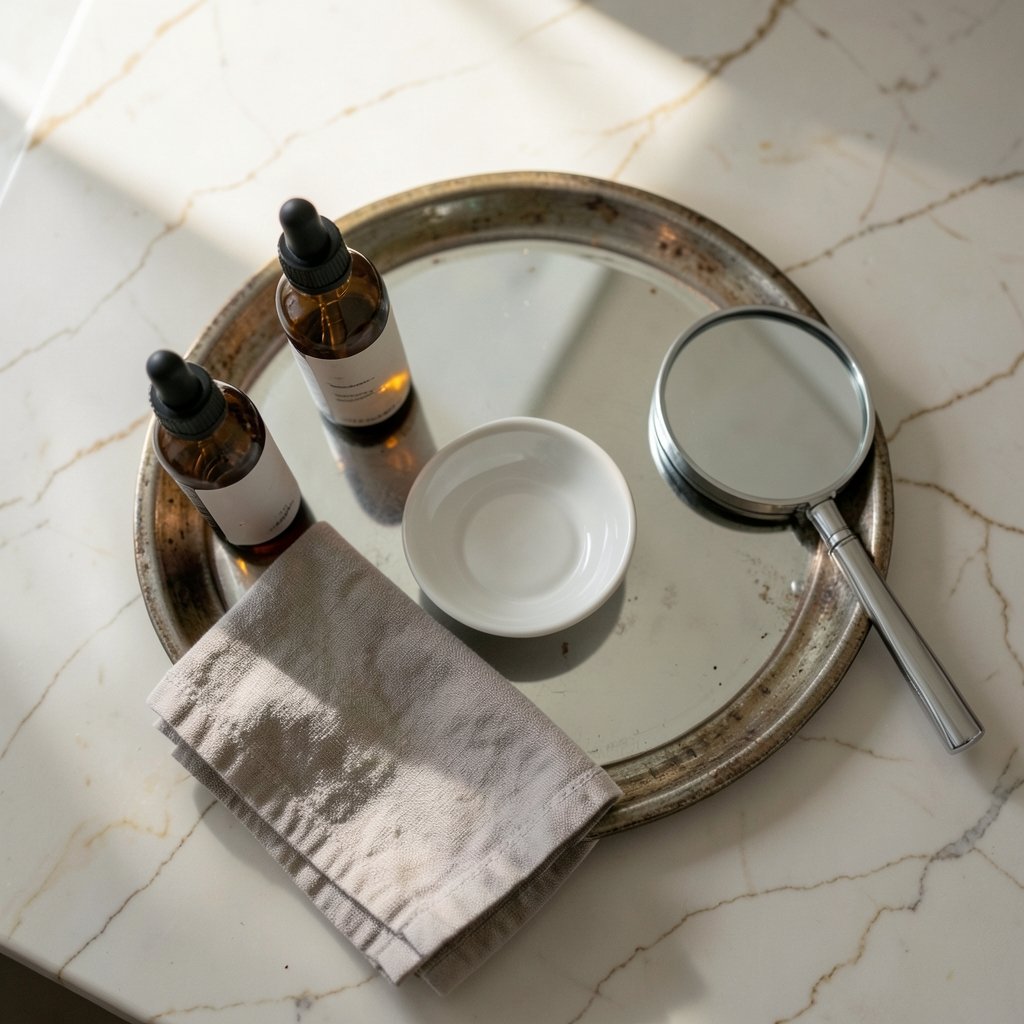
What if the most effective anti-aging serum for wrinkles isn’t the one with the most dramatic marketing, but the one backed by the strongest clinical evidence? That question matters more than it seems, because the skincare aisle is crowded with promises that range from modest to fantastical. The truth is that a handful of ingredients have real data behind them, several have thin or industry-funded data, and a few are mostly hype. This guide sorts through the science, the regulation, and the practical realities so readers can choose a serum that fits their skin, their budget, and their tolerance.
The Uncomfortable Truth About “Best”
There is no single best anti-aging serum for wrinkles. That sounds like a dodge, but it is the most honest starting point. The best serum depends on skin type, sensitivity, budget, pregnancy status, and how much irritation someone is willing to tolerate. A product that transforms one person’s skin can leave another red and flaking for weeks.
What can be ranked is the strength of the evidence behind each ingredient family. That ranking is more stable than any product list, and it holds up even as formulations change. So the practical approach is to pick an ingredient class with real evidence, then find a well-formulated product within that class.
One more thing worth knowing up front: in the United States, cosmetics cannot legally claim to alter the structure or function of skin. Drugs can. This distinction shapes how serums are marketed, and it explains why so many labels use soft language like “visibly reduces the look of fine lines” instead of making medical claims. The regulatory line between cosmetics and drugs is drawn by the FDA, and it is why a serum bottle rarely promises what a prescription tube can.
The Gold Standard: Prescription Retinoids

Tretinoin is the best-evidenced topical for wrinkles. It is a prescription retinoid, and randomized trials and reviews support its use for photoaging. The FDA approved tretinoin as Retin-A for acne in 1971, and cosmetic use for photoaging came later. If the goal is measurable wrinkle reduction rather than a nice glow, tretinoin is the benchmark against which everything else is measured.
The catch is that tretinoin is not a cosmetic. It requires a prescription, it can cause redness, peeling, and sun sensitivity, and it is generally avoided during pregnancy. Starting low and using daily sunscreen are standard advice for good reason. People who rush into nightly use of a strong retinoid often end up with a compromised skin barrier and quit before seeing results.
Adapalene 0.1% became available over the counter in the US in July 2016. The FDA approved it for nonprescription acne use, not wrinkles. It is a synthetic retinoid with some photoaging evidence, but weaker than tretinoin. For someone who wants an accessible retinoid without a prescription, adapalene is a reasonable middle ground, especially for acne-prone skin.
Retinol is weaker than tretinoin and needs conversion in the skin. It is converted to retinaldehyde and then to retinoic acid, which makes it less potent and generally better tolerated, but evidence for wrinkle reduction is more limited than for tretinoin. Retinol is the workhorse of over-the-counter anti-aging serums, and it is a sensible entry point for beginners.
| Ingredient | Evidence for wrinkles | Access | Typical tolerance |
|---|---|---|---|
| Tretinoin | Strongest | Prescription | Lowest, needs ramp-up |
| Adapalene 0.1% | Moderate | Over the counter | Moderate |
| Retinol | Moderate to limited | Over the counter | Better than tretinoin |
| Niacinamide | Modest | Over the counter | Generally good |
| Vitamin C | Moderate for photoaging | Over the counter | Variable, formulation-dependent |
| Peptides and growth factors | Limited, often industry-funded | Over the counter | Generally good |
Beyond Retinoids: What Else Earns a Place
Niacinamide has modest evidence for wrinkles and pigmentation. It is often combined with retinoids, and it plays well with others. Evidence generally comes from smaller studies, and results are less dramatic than with retinoids, but niacinamide is gentle and widely tolerated. It is a supporting player, not a star.
Vitamin C, specifically L-ascorbic acid, has evidence for photoaging, mainly at 5 to 20 percent concentrations. It is an antioxidant and a collagen synthesis cofactor. Formulation stability is a known issue, which is why some vitamin C serums oxidize and turn brown before the bottle is empty. Optimal concentration and vehicle are still debated, so a well-made 10 to 15 percent formula is usually a smarter buy than a splashy 20 percent product that degrades in weeks.
Peptides and growth factor serums have limited, often manufacturer-funded evidence. Independent replication is sparse. This is a genuine evidence gap, not a settled best. That does not mean peptides are useless, but it does mean anyone paying premium prices should understand they are buying hope as much as data. The same skepticism applies to many “next big thing” actives that arrive with a press release and a single sponsored study.
If the goal is a growth-focused product rather than a wrinkle-focused one, it helps to separate the categories. A guide to what works in hair growth serums makes the same point for a different market: evidence quality varies wildly, and label claims are not proof.
Sunscreen: The Step That Outperforms Every Serum
Sunscreen is the most important anti-aging step. UV exposure drives photoaging, and daily broad-spectrum sunscreen use is supported by public-health guidance. The FDA regulates sunscreen as an over-the-counter drug, which is a signal of how seriously sun protection is taken from a health standpoint. No serum, however expensive, compensates for unprotected sun exposure.
In practice, this means the best anti-aging routine is built around sun protection, not around a hero serum. A broad-spectrum SPF 30 or higher, applied generously and reapplied when outdoors, does more for long-term skin appearance than any single bottle of serum. People who use retinoids need sunscreen even more, because retinoids increase sun sensitivity.
A common mistake is treating sunscreen as a summer product. Photoaging accumulates year-round, including on cloudy days and during commutes. Daily use, not occasional use, is what the guidance supports.
How to Read a Serum Label Without Getting Fooled
Labels are designed to sell, not to inform. A few habits cut through the noise.
First, look for the active ingredient and its concentration. “Retinol complex” tells a buyer nothing. A percentage, even a modest one, tells more.
Second, be skeptical of ingredient lists that bury the active after fragrance and preservatives. The order of ingredients matters, and a “hero” ingredient at the bottom of the list is often present in trace amounts.
Third, treat “anti-aging” as a marketing term rather than a regulated claim. Because cosmetics cannot claim to alter structure or function, brands use language like “reduces the appearance of” to stay on the right side of the rules. That language is a clue about what the product can legally promise.
Fourth, check for packaging that protects the formula. Vitamin C and retinoids degrade with light and air. An opaque, airless pump is a better sign than a clear jar.
For anyone comparing serums across categories, the same label-reading logic applies. A breakdown of what a discoloration-correcting serum can and cannot do shows how ingredient concentration and formulation decide real-world results, not the name on the bottle.
Building a Routine That Actually Works
A practical anti-aging routine does not need ten steps. It needs consistency and a few well-chosen products. Here is an approach that works for most people.
- Start with a gentle cleanser and a moisturizer that supports the skin barrier.
- Add a broad-spectrum sunscreen every morning, applied generously.
- Introduce one active at a time, starting two or three nights per week.
- If using a retinoid, apply it to dry skin and follow with moisturizer to reduce irritation.
- Give each new product eight to twelve weeks before judging results.
- Stop and reassess if irritation persists beyond a few weeks.
The most common mistakes are stacking multiple strong actives at once, using a retinoid every night from day one, and skipping moisturizer because the serum feels elegant. Irritation and sun sensitivity are real risks with retinoids, and a damaged barrier makes every other product sting.
It also helps to match the active to the concern. Wrinkles respond best to retinoids. Pigmentation responds to niacinamide, vitamin C, and sunscreen. Dryness responds to humectants and emollients. A serum that promises to fix everything usually does one thing moderately well.
For those layering hydration products, understanding how humectants behave in different climates prevents a lot of frustration. A look at who should actually use a glycerin face serum explains why the same product can feel perfect in humid weather and sticky in dry heat.
Retinoid Potency, Ranked With Caveats
Retinoid potency rankings are broadly accepted but not precisely quantified in a single standard. The general order runs tretinoin at the top, followed by adapalene and retinaldehyde, then retinol. That order is useful for setting expectations, but it is not a precise conversion chart.
What matters more than the ranking is tolerability. A weaker retinoid used consistently for a year beats a stronger one used twice and abandoned. People with sensitive skin often do better with a lower-strength retinol or a gentler alternative, and people with oily, resilient skin may tolerate adapalene well.
Pregnancy is a safety consideration, not a ranking issue. Retinoids are generally avoided in pregnancy, so anyone who is pregnant or planning a pregnancy should talk to a clinician before starting one. This is one area where the “best” serum is simply the one that is safe.
Where the Evidence Is Weakest
Honesty about evidence gaps is rare in skincare marketing, so it is worth stating plainly. Peptide and growth factor serums have limited independent evidence. Many studies are small, short, or funded by the manufacturer. That does not make the products harmful, but it does mean claims should be treated as provisional.
The same caution applies to dramatic before-and-after photos. Lighting, angle, and hydration can change the appearance of skin in minutes. A serum that “works” in a photo may simply be a well-moisturized face under flattering light.
None of this is a reason to give up on serums. It is a reason to spend money where the evidence is strongest: a well-formulated retinoid, a stable antioxidant, a supportive moisturizer, and daily sunscreen.
Conclusion
The best anti-aging serum for wrinkles is not a single product but a category decision. Prescription tretinoin has the strongest evidence, adapalene and retinol offer accessible middle ground, and niacinamide and vitamin C play useful supporting roles. Peptides and growth factors remain promising but under-proven. Whatever the choice, daily broad-spectrum sunscreen does more heavy lifting than any serum, and consistency beats intensity every time. Start low, introduce one active at a time, protect the skin barrier, and give the routine months rather than days. That approach is unglamorous, but it is the one the evidence actually supports.
FAQ
What is the single most effective ingredient for wrinkles?
Tretinoin, a prescription retinoid, has the strongest evidence for reducing photoaging and wrinkles. Over-the-counter retinol and adapalene have weaker but real evidence, and they are generally better tolerated.
Can an over-the-counter serum really reduce wrinkles?
Yes, but modestly. Retinol and adapalene have some evidence for improving the appearance of fine lines, though results are less dramatic than with prescription tretinoin. Consistency over months matters more than the specific product.
How long before an anti-aging serum shows results?
Most retinoid and antioxidant serums need eight to twelve weeks of regular use before changes become visible. Some people notice smoother texture sooner, but wrinkle reduction takes longer.
Is sunscreen really more important than a serum?
For long-term skin appearance, yes. UV exposure drives photoaging, and daily broad-spectrum sunscreen use is supported by public-health guidance. No serum compensates for unprotected sun exposure.
Are peptide and growth factor serums worth the money?
The evidence is limited and often funded by manufacturers, with sparse independent replication. They are not harmful, but buyers should treat dramatic claims with caution and prioritize ingredients with stronger data.
Can I use a retinoid if I have sensitive skin?
Many people with sensitive skin can, but they need to start with a low strength, apply it a few nights per week, and buffer with moisturizer. Anyone who is pregnant or planning a pregnancy should check with a clinician first, since retinoids are generally avoided during pregnancy.














