



What makes a perfect arepa antioqueña? Is it the crackle of the crust, the cloud-soft middle, or that melting pat of butter sinking into the top? For anyone typing “best arepa antioqueña near me” into a phone, the answer matters more than it should. You are hungry, you are probably far from Medellín, and you want the real thing instead of a sad, dry corn cake that tastes like cardboard.
Here is the honest truth: there is no official ranking of the best arepas near you. Any list you find is editorial, personal, or driven by review platforms that can be gamed. That is not bad news. It just means you need a smarter method than scrolling through star ratings. This guide gives you one, along with enough background on the arepa antioqueña to judge what lands on your plate.
What Makes an Arepa Antioqueña Different
The arepa antioqueña is a thick, round cornmeal cake from Antioquia, the mountainous department in northwest Colombia anchored by Medellín. It is made from white corn, water, and salt, and it is usually eaten plain or topped with butter and cheese rather than split open and stuffed like a sandwich.
That last detail trips people up. Colombian arepas vary sharply by region. On the Caribbean coast, they run thin and wide. In parts of the Andes, you find small, sweet versions. In Antioquia, the style is thick, plain, and proud of it. The corn flavor is meant to carry the dish, with butter and cheese as supporting actors, not the lead.
The word “arepa” itself is pre-Columbian, a corn bread shared across Colombia and Venezuela and documented in Spanish colonial-era sources. The exact origins and dates are debated, so treat any confident claim about a specific founding year with suspicion.
The Two Ways an Arepa Gets Made
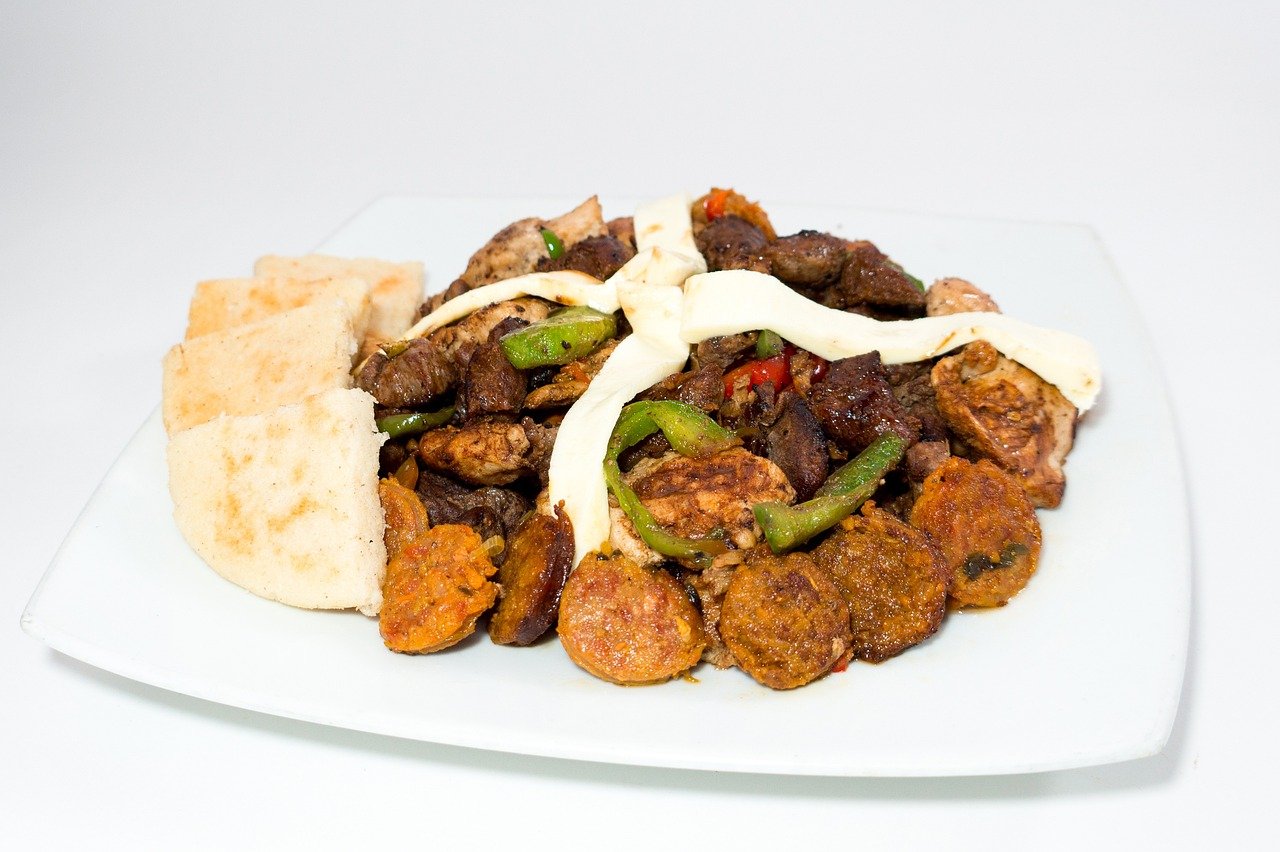
Most arepas you buy outside Colombia come from masarepa, a pre-cooked corn flour that you mix with water and salt. It is fast, consistent, and the standard shortcut. Traditional recipes start further back: white corn is soaked, cooked, and ground into dough before shaping.
You can taste the difference, though it may not match what people expect. A well-made masarepa arepa can be excellent. A badly made from-scratch arepa can be dense and gummy. How the kitchen handles the dough and the heat matters more than the ingredient list alone. Still, if a menu brags about grinding its own corn, treat that as a signal.
| Feature | Masarepa arepa | From-scratch corn arepa |
|---|---|---|
| Prep time | Minutes | Hours, often overnight soaking |
| Consistency | Very reliable | Depends heavily on skill |
| Flavor | Clean, mild corn | Deeper, more varied corn sweetness |
| Common in restaurants | Yes, widely | Less common, often a point of pride |
| Risk of a bad batch | Low | Higher if the kitchen rushes |
Why “Near Me” Is a Harder Question Than It Looks
Search results for “best arepa antioqueña near me” depend entirely on where you are standing when you type it. The map data shifts, new places open, old ones close, and review scores move daily. There is no stable, citable ranking that holds true for everyone.
Review platforms deserve special caution. Google, Yelp, and TripAdvisor rankings are user-generated. They can be inflated by friends, damaged by one bad night, or gamed outright. That does not make them useless. It makes them a starting point, not a verdict.
This is the same trap people fall into with any local search. If you have ever hunted for a laser hair removal near me option and found ten clinics with identical five-star profiles, you already know the feeling. The skill is in reading past the score. The same goes for finding a good Chinese restaurant near me in a hurry: the numbers help, but the details decide.
A Practical Method for Finding a Good Arepa Fast
Here is a sequence that works whether you are in Bogotá, Miami, or a small town with one Colombian bakery.
- Search by dish, not by restaurant. Type “arepa antioqueña” plus your neighborhood or town. Generic “Colombian food” searches surface sit-down restaurants, not the bakery counters and food trucks that often make the best arepas.
- Filter for photos of the arepa itself. Skip the interior shots and the cocktails. Look for a thick, round cake with a browned, slightly uneven surface. A pale, perfectly flat disc usually means a thin arepa or one rushed on a griddle that was not hot enough.
- Read the two-star and three-star reviews first. Five-star reviews tell you what fans love. Middling reviews tell you what goes wrong: cold centers, greasy tops, stale dough, slow service. Patterns in the middle are more informative than praise at the top.
- Check the hours and the day. Small Colombian bakeries often sell out of fresh arepas by mid-morning and close early. A place that is “open” on the map may have nothing left in the case.
- Call ahead if you are making a trip. Ask one question: are the arepas made fresh today? The answer tells you more than any star rating.
- Order the plain one first. A kitchen that can make a plain arepa with butter taste good is a kitchen that knows what it is doing. Fancy toppings hide weak dough.
If you want a deeper framework for judging local businesses by reviews and photos, the same logic behind choosing a laser hair removal clinic near you applies here: verify the specifics, ignore the hype, and trust consistency over a single glowing report.
What to Look For When You Walk In
The physical cues matter. A good arepa antioqueña shop usually has a few things in common, and none of them require a website.
Fresh dough, visible work. If you can see someone shaping rounds by hand, that is a strong sign. Pre-formed, frozen discs stacked in a freezer case are the opposite signal.
A hot, dry cooking surface. Arepas are typically cooked on a griddle or a flat pan, then sometimes finished in an oven or fryer. The surface should be hot enough to set a crust quickly. A lukewarm griddle produces a pale, leathery arepa.
The sound and the feel. A good arepa should sound faintly crisp when you tap it and feel light for its size. If it feels like a hockey puck in the bag, put it back.
Butter and cheese that are actually good. Since the arepa is a delivery system for both, cheap margarine and rubbery cheese drag the whole thing down. Ask what kind of cheese they use. A white, slightly salty fresh cheese is the classic pairing.
Turnover. A busy counter is a good sign, because it means the arepas are not sitting. A quiet case at noon on a Saturday is worth a second thought.
Common Mistakes People Make
Most disappointing arepa experiences trace back to a few avoidable errors.
Judging by the wrong regional style. Someone expecting a thin, griddled Caribbean arepa may find an Antioqueña too dense and decide it is bad. It is not bad. It is different. Know what you ordered.
Treating it as a sandwich. An arepa antioqueña is not a bun. If you split it and stuff it like a pita, you may lose the texture that makes it worth eating. Eat it open-faced with butter and cheese, or alongside a soup or grilled meat.
Ignoring the time of day. Freshness beats almost everything else. An average arepa made an hour ago beats a great one made yesterday.
Over-trusting delivery apps. Arepas steam in a closed container. By the time a delivery rider arrives, the crust is gone. If crispness matters to you, eat in or pick it up yourself.
Assuming gluten-free means healthy. Arepas made from pure corn are typically gluten-free, which is genuinely useful for people avoiding wheat. But butter and cheese add saturated fat and sodium. It is comfort food, not a health food. That is fine, as long as you know which one you are eating.
The same principle of checking the specifics before you commit shows up everywhere. People researching an anti-lock ABS light warning learn quickly that a generic answer is not enough. You need the detail that matches your situation. Food is no different.
How to Judge a Place in One Visit
You do not need five visits to form a view. One order of a plain arepa with butter and a second with cheese tells you most of what you need.
Check the crust: is there any browning, or is it uniformly pale? Check the interior: is it moist and steamy, or dry and crumbly? Check the salt level: under-salted dough tastes flat no matter how good the toppings are. Check the temperature: a cold center means it was made earlier and held.
Then ask yourself a simple question. Would you come back for this exact item, without the novelty of trying somewhere new? If the answer is yes, you have found your spot. If it is a shrug, keep moving. There is no shortage of bakeries.
A Note on Cultural Context
Corn-based foods sit at the center of Colombian cooking, and the arepa is one of the most recognizable examples. It shows up at breakfast, as a side at lunch, and as a snack in between. That everyday status is part of its appeal. It is not a special-occasion dish. It is the thing you eat on a Tuesday.
Be careful with grand claims about official heritage designations. Specific listings are hard to confirm, and it is better to describe the arepa accurately as a staple of daily Colombian eating than to attach an award to it that may not exist.
Conclusion
Finding the best arepa antioqueña near you is less about luck and more about method. Search for the dish by name, look at photos of the actual arepa, read the middle reviews, and check whether the place makes them fresh that day. When you arrive, watch for hand-shaped dough, a hot cooking surface, and a proper crust. Order the plain one first, with real butter and a good white cheese, and let the corn do the talking.
The perfect arepa is thick, faintly crisp, steamy inside, and simple enough that nothing hides a mistake. Once you know what to look for, you will spot the good ones from the doorway. And the next time someone asks where to find the best arepa antioqueña near them, you will have a real answer instead of a star rating.
FAQ
What is an arepa antioqueña made of?
It is typically made from white corn, water, and salt. Many kitchens use masarepa, a pre-cooked corn flour, while traditional recipes soak and grind whole white corn. It is usually eaten plain or with butter and cheese rather than stuffed.
Is an arepa antioqueña gluten-free?
Arepas made from pure corn are typically gluten-free, which makes them a useful option for people avoiding wheat. Always confirm with the kitchen, since cross-contact and added ingredients vary by shop.
How is it different from other Colombian arepas?
Colombian arepas vary by region. Coastal versions tend to be thin and wide, some Andean areas make small sweet ones, and Antioquia favors a thick, plain style where the corn flavor leads and toppings stay simple.
Why do review sites disagree about the best arepa near me?
Review platforms are user-generated and change constantly. Scores can be inflated or damaged by a single bad night, and rankings shift with location. Use reviews as a starting point, then check photos, hours, and freshness.
Should I order an arepa antioqueña with cheese or plain?
Try it plain with butter first. That tells you whether the dough and the cooking are solid. Then order one with cheese on a return visit. A kitchen that makes a plain arepa taste good usually handles the rest well.
Can I get a good arepa antioqueña delivered?
You can, but expect a softer crust. Arepas steam in closed containers during delivery, which softens the surface. If crispness matters, eat in or pick it up yourself and open the bag on the way home.














