

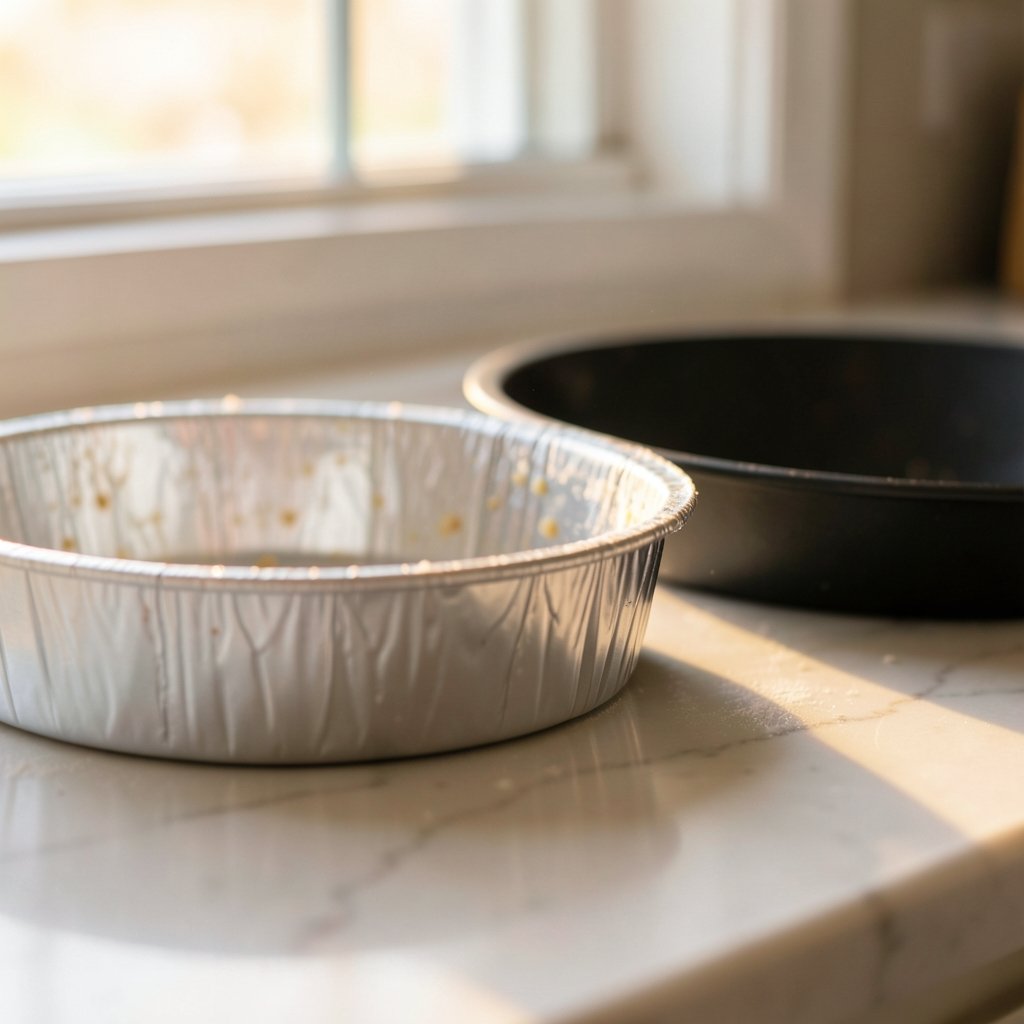
Why do two people bake the same cake recipe and get wildly different results? Often it comes down to the pan. One baker uses a shiny aluminum pan, the other a dark nonstick one, and the oven does the rest. The pan is not a passive container. It decides how fast heat reaches the batter, how evenly the edges brown, and whether the bottom of your cookies turns golden or charcoal.
That makes choosing the best baking pans less about brand loyalty and more about understanding a few practical rules. This guide covers the materials that actually perform, the sizes worth owning, the mistakes that ruin baked goods, and how to care for pans so they last. No hype, no miracle coatings, just what works in a real kitchen.
What the best baking pans have in common
Before comparing materials, it helps to know what a good pan does. A quality baking pan heats evenly without hot spots, holds its shape at high temperatures, and does not warp when it hits a cool counter. It also has straight sides with clean corners so batter depth stays consistent.
Thickness matters more than most shoppers realize. Thin, flimsy pans are cheap for a reason: they buckle in a hot oven, and warped pans bake unevenly because the batter pools to one side. A heavy-gauge pan costs more but keeps its flat bottom for years.
The finish matters too. Light-colored surfaces reflect heat and encourage slow, even browning. Dark surfaces absorb heat and brown faster, which is helpful for some recipes and disastrous for others. That single difference explains a lot of baking disappointments.
Aluminum: the workhorse of most test kitchens

Plain aluminum is the most common recommendation for a reason. It conducts heat quickly and evenly, it is relatively inexpensive, and it does not rust. Uncoated aluminum is the standard for sheet pans and many cake pans. The catch is reactivity: bare aluminum reacts with acidic foods like tomatoes and citrus, which can discolor the food and leave a metallic taste. That rarely matters for cookies and cakes, but it matters if you use the same pan for savory baking.
Hard-anodized aluminum solves most of that. The surface is treated to resist corrosion and scratching, and it is no longer reactive with acidic ingredients. It also tends to be darker, so it browns faster than shiny aluminum. If a recipe was written for a light pan, anodized pans can push browning too far, so watch the first batch closely.
Practical tip: buy two half-sheet pans in heavy-gauge aluminum and use them for everything from roasted vegetables to sheet cakes. They are the most versatile pans in any kitchen.
Glass and ceramic: beautiful, but a different animal
Glass pans are popular because they are inexpensive, nonreactive, and let you see browning through the bottom. But glass heats more slowly than metal and then holds onto that heat. The result is often an overbrowned bottom and a pale top. Many recipes suggest lowering the oven temperature by about 25°F when substituting glass for metal, though this is a rule of thumb rather than a fixed standard.
Ceramic behaves similarly. It looks lovely on the table and holds heat well, but it is prone to thermal shock. Never move a hot ceramic dish onto a cold surface or into water. If you bake in glass or ceramic, plan to check doneness earlier than the recipe states and rotate the pan if your oven runs hot.
Nonstick coatings: convenience with limits
Nonstick pans are genuinely useful for sticky bakes and easy release, but they come with rules. Many PTFE-based coatings are rated to roughly 450–500°F, and exceeding that rating can degrade the coating. Ratings differ by product, so check the manufacturer’s guidance rather than assuming a universal limit.
One common worry deserves a clear answer. PFOA, a processing aid once used in nonstick manufacturing, was phased out by major U.S. manufacturers under the EPA’s PFOA Stewardship Program, which was announced in 2006 with a goal of elimination by 2015. That is about PFOA specifically, not all PFAS, so avoid overstating it. The practical takeaway is simple: use nonstick within its rated temperature, avoid preheating an empty nonstick pan on high heat, and replace it when the coating scratches or flakes.
Care is where most people go wrong. Metal utensils, dishwasher cycles, and high heat all shorten a nonstick pan’s life. Hand-washing and silicone or wooden tools keep the coating intact far longer. If you want a pan that takes abuse, choose aluminum or anodized steel instead.
Dark versus light finish: the mistake that ruins batches
This is the single most common baking mistake. A recipe developed for a light-colored pan will overbrown in a dark pan, sometimes badly. Dark finishes absorb more radiant heat, so cookies spread faster, crusts set sooner, and edges darken before the center is done.
What actually works in practice: match the pan to the recipe. If the recipe says light metal, use light metal. If you only own dark pans, drop the oven temperature by about 25°F and start checking a few minutes early. For cookies, that small adjustment often means the difference between chewy centers and burnt edges. A sheet of parchment also slows bottom browning slightly.
Light-colored metal is the safer default for cakes, cookies, and pastries. Reserve dark pans for recipes written for them, like certain bar cookies and breads that benefit from a crispier crust.
Standard pan sizes and why substitutions fail
Home baking pan sizes are conventions, not regulated standards. There is no single body governing the dimensions of an 8×8 or 9×13 pan, which is why two pans with the same label can hold slightly different volumes. That matters because changing pan size changes batter depth, and batter depth changes bake time and texture.
| Pan size | Common use | What happens if you swap |
|---|---|---|
| 8×8 inch square | Brownies, small cakes | A 9×9 makes a thinner bake that finishes faster |
| 9×13 inch | Sheet cakes, bars | A larger pan dries out the edges |
| 8-inch round | Layer cakes | Two 8-inch rounds need more batter than one 9-inch |
| 9-inch round | Layer cakes, pies | A 9-inch holds more, so layers come out thinner |
| Half sheet (18×13) | Cookies, roasting | A smaller pan crowds cookies and steams them |
If you must substitute, keep the batter depth similar and adjust the time. A thinner layer bakes faster; a deeper one needs more time at a slightly lower temperature. Crowding is the other trap. Cookies need room to spread, and a packed pan traps steam, which produces pale, cakey cookies instead of crisp-edged ones.
Matching the pan to the bake
Different bakes demand different pans, and a well-stocked kitchen does not need dozens of them. It needs the right few.
For cookies and sheet cakes, heavy aluminum half-sheet pans are hard to beat. For layer cakes, two 8-inch or 9-inch aluminum rounds with straight sides cover most recipes. For brownies and bars, an 8×8 or 9×13 metal pan with a light finish gives even results. For pies and tarts, glass or ceramic works well because you can see the crust browning.
If you bake a lot of bread, a sturdy loaf pan in aluminum or aluminized steel holds up to high heat without warping. If you love decorative bundts, choose a heavy cast-aluminum pan with a dark finish and expect to adjust the temperature.
The same logic applies beyond the oven. Anyone who has puzzled over equipment choices will recognize the pattern: the tool shapes the result. That is true whether you are comparing a king comforter for a guest room or a luxury bedroom comforter in queen and king styles, where size and material decide comfort. Baking pans are no different.
Care tips that make pans last
Good pans can last decades, but only with basic care. Hand-wash nonstick and anodized pans with a soft sponge. Skip abrasive scrubbers, which scratch the surface and create places for food to stick. Dry pans thoroughly, especially aluminum, which can develop spots if left wet.
Avoid thermal shock. Do not plunge a hot pan into cold water, and do not stack heavy pans on top of delicate ones. Store sheet pans upright if you can, since stacking scuffs the finish.
For stubborn baked-on residue, soak the pan in warm soapy water, then use a plastic scraper. Baking soda paste works well on aluminum. Never use steel wool on coated surfaces.
One more habit worth building: line sheet pans with parchment or a silicone mat. It saves cleanup and protects the finish. The same principle of preparation shows up in cooking guides everywhere, from a kitchen sink cookies practical guide to advice on why Kewpie mayo, Japan’s creamy golden condiment, tastes different from standard mayonnaise. Small prep decisions shape the final result.
Common mistakes to avoid
Most baking failures trace back to a handful of pan-related errors. Here are the ones that show up again and again.
- Using a dark pan for a recipe written for light metal, then wondering why the edges burned.
- Crowding cookies on a pan so they steam instead of browning.
- Skipping the parchment and scraping a scratched pan later.
- Substituting pan sizes without adjusting bake time or batter depth.
- Preheating an empty nonstick pan at high heat, which degrades the coating.
- Putting a hot glass dish on a cold counter, which can crack it.
Each of these is easy to fix once you know it. The fix is usually a small adjustment, not a new purchase.
How to build a practical pan collection
Start with the pans you will use weekly. A pair of half-sheet pans, two round cake pans, one square pan, and one loaf pan cover the vast majority of home baking. Add a 9×13 pan for bars and sheet cakes, and a pie plate if you bake pies.
Choose light-colored aluminum or aluminized steel for most of them. Add one nonstick pan for sticky recipes if you like, but treat it as a convenience rather than a workhorse. Resist the temptation to buy a giant matching set; most sets include pans you will never use.
Budget matters, but thickness matters more than price. A mid-priced heavy pan outperforms a cheap thin one every time. If you can only upgrade one thing, replace your flimsiest sheet pan first.
Conclusion
The best baking pans are not the most expensive or the most heavily marketed. They are the ones that match your recipes, hold their shape, and suit the way you actually bake. Light-colored aluminum handles most jobs with even browning and no reactivity. Hard-anodized aluminum adds durability. Glass and ceramic bring their own quirks, and nonstick earns its place within its temperature limits.
Get the material and finish right, respect pan sizes, and take care of what you own. Do that, and your cookies, cakes, and bars will come out consistent every time. The pan really does change the bake.
FAQ
What is the best material for baking pans?
Light-colored aluminum is the most versatile choice for most home bakers. It conducts heat evenly, resists rust, and encourages consistent browning. Hard-anodized aluminum is a good upgrade if you want scratch resistance and nonreactivity with acidic foods.
Do I need to lower the oven temperature for dark pans?
Often, yes. Dark pans absorb more heat and brown faster, so many recipes suggest reducing the temperature by about 25°F and checking doneness a few minutes early. Treat this as a rule of thumb and adjust based on your first batch.
Are nonstick baking pans safe?
At normal baking temperatures, nonstick coatings are widely used and considered practical. The key is staying within the manufacturer’s temperature rating, typically around 450–500°F, and replacing pans once the coating is scratched or flaking. PFOA is no longer used in U.S. nonstick manufacturing, though that does not cover all PFAS.
Can I substitute an 8×8 pan for a 9×9 pan?
You can, but expect a thinner bake that finishes faster and may dry out at the edges. Keep batter depth as close as possible and start checking early. Pan sizes are conventions, not standards, so volumes vary between brands.
Why do my cookies burn on the bottom?
The usual culprits are a dark pan, an oven running hot, or a rack placed too low. Try a light-colored aluminum pan, lower the temperature slightly, and use parchment to slow bottom browning. Rotating the pan halfway through also helps.
How should I clean and store baking pans?
Hand-wash nonstick and anodized pans with a soft sponge and mild soap. Avoid abrasive scrubbers and dishwashers for coated pans. Dry thoroughly, store sheet pans upright, and avoid stacking heavy pans on delicate finishes.














