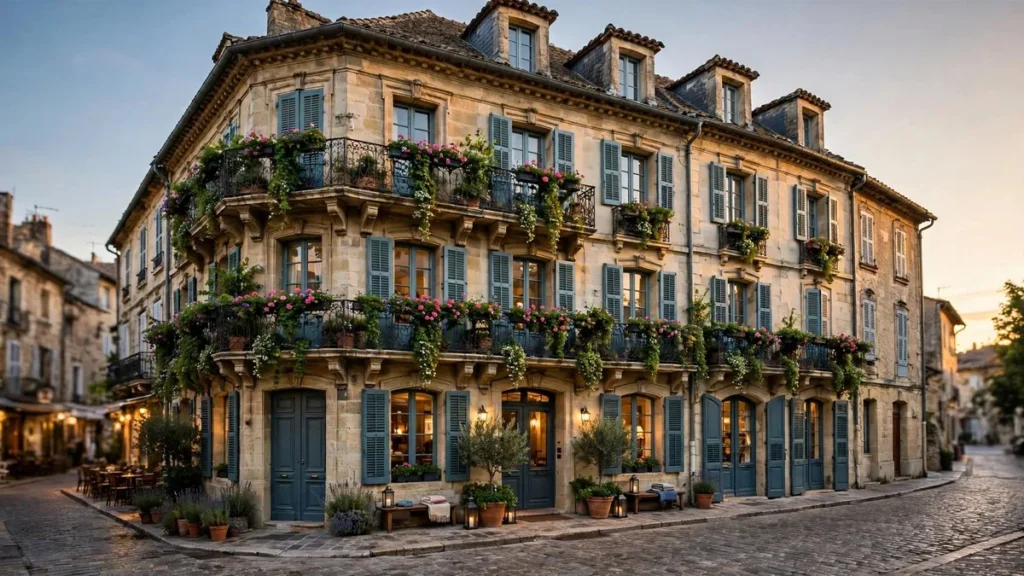
Europe does small hotels better than almost anywhere else in the world. In a converted Paris townhouse, a former Florentine palazzo or a whitewashed house above the Aegean, a boutique hotel can give you something a big chain never will: a sense of place. The staff remember your name by the second morning, and the breakfast room feels more like a friend’s dining room than a buffet hall. For many travellers, that intimacy is the whole point of the trip.
The word boutique gets used loosely, though, and that is where choosing well matters. Some hotels earn the label with thoughtful design, a real connection to their neighbourhood and service that feels personal rather than scripted. Others simply charge boutique prices for a small room with a fashionable lamp. The difference is rarely obvious from a booking site, where every property claims to be charming, central and unique.
This guide brings together eight of the best boutique hotels in Europe for 2027, chosen for character, location, comfort and consistency. Each one suits a slightly different kind of traveller, from city-break couples to slow travellers who want a base for a week. Alongside the list you will find advice on choosing the right stay, a comparison table, a checklist and answers to the questions travellers ask most.
Key takeaways
- The best boutique hotels combine a strong sense of place with comfortable rooms, so judge design and sleep quality together.
- Location matters more than size: a small hotel on a quiet street near the sights beats a larger one on the edge of town.
- Book direct when you can: small hotels often offer better rates, flexible terms and room choices booking sites do not show.
- Check what is included before comparing prices, as breakfast, taxes and city charges can change the real cost.
- Even the best boutique hotel has trade-offs, from compact rooms to limited facilities, so match the property to your trip.
What to look for in a boutique hotel
A true boutique hotel is defined by scale and personality rather than by stars. Most have fewer than a hundred rooms, so the atmosphere depends on the building and the people running it. Look for a property that reflects its city, not a global template: original floors, local art and a restaurant serving the food of the region are all good signs.
Comfort should never be sacrificed for style, however photogenic the lobby looks. Read recent guest comments about the bed, the shower, street noise and blackout curtains, because these details decide whether you sleep well. Pay attention to storage, lighting, plugs near the bed and a bathroom you can move around in: beautiful design that makes a room hard to live in is a warning sign, not a feature.
Service is the third pillar, and the hardest to judge in advance. With fewer guests, small hotels can be flexible in ways a large hotel cannot: a breakfast that runs late, help with restaurant bookings, honest advice about which sights to skip, and luggage storage before check-in. A good boutique hotel feels like it is on your side, smoothing out the small frictions of travel rather than adding rules of its own.
How to choose the right boutique hotel for your trip
Start with the shape of your trip rather than the hotel itself. A two-night city break rewards a central location and a lively bar, while a week-long stay calls for a quieter room and somewhere comfortable to sit with a book. Couples celebrating may value a bath, a view or a private terrace, while friends travelling together might prefer connecting rooms or a suite with a sitting area. If you are planning a romantic trip, our guide to the best honeymoon destinations for 2027 can help you match the destination to the mood.
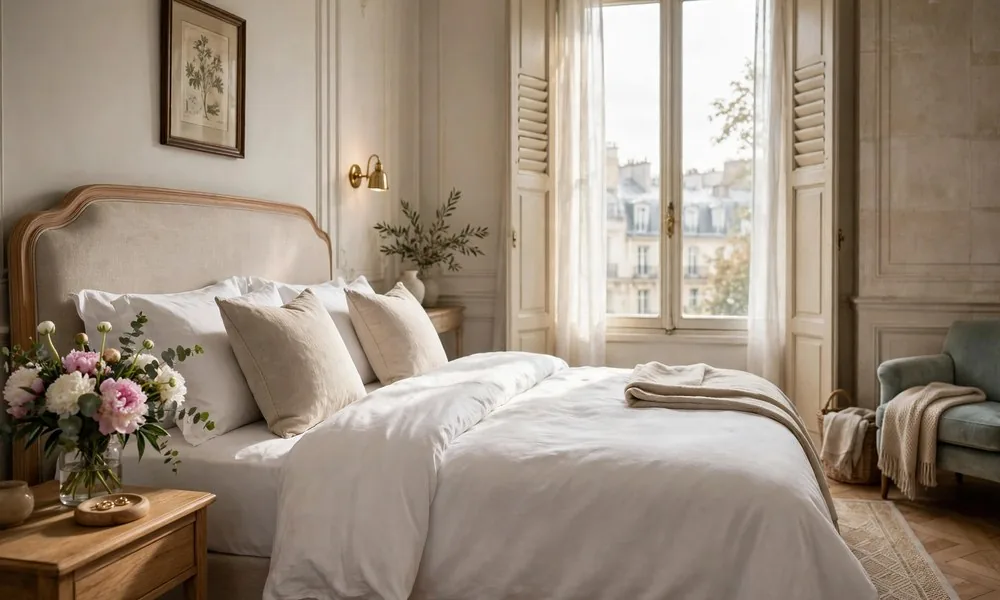
Next, weigh location against quiet. The most central streets are also the noisiest, especially in summer, so a hotel one street back from the main square often gives you the best of both worlds. Check the walk to the nearest metro or tram stop and the sights you actually plan to visit, and whether the area feels pleasant after dark. A beautiful but empty quarter can feel isolated in the evening, while a lively neighbourhood puts restaurants and cafés minutes away.
Finally, think about the season and pack accordingly. Spring and autumn in much of Europe call for layers, and a versatile coat makes the difference on a chilly evening walk. Our roundup of the best trench coats for 2027 covers classic and modern styles for European city breaks. For warmer months, the best summer dresses for 2027 will help you pack a capsule that suits both sightseeing and long dinners outdoors. Once the practical details are settled, pick the hotel whose character matches the trip you want to have.
The best boutique hotels in Europe 2027
Our eight picks span Paris, Florence, Barcelona, Madrid, Rome, Amsterdam, Vienna and Santorini, each chosen for its setting, design and the experience it offers. Prices vary by season, so treat the notes on value as a guide and check rates for your dates.
1. The Hoxton, Paris, France
Set in an eighteenth-century townhouse in the 2nd arrondissement, The Hoxton brings a relaxed, loft-style feel to one of Paris’s most walkable quarters. The courtyard, brasserie and bar give it a social heart, while rooms mix parquet floors, tall windows and modern comforts. It suits travellers who want to be in the middle of things without a formal, hushed hotel.
What we like: the central location near the Marais and Grands Boulevards, the lively restaurant and bar, and rooms that feel warm and residential rather than corporate. The staff are informal and helpful.
What to consider: the most affordable rooms are compact, so upgrade if you value space. The bar and courtyard can be busy, and light sleepers should ask for a room facing away from them.
2. Hotel Lungarno, Florence, Italy
Overlooking the Arno from the Oltrarno side, Hotel Lungarno pairs a riverside setting with a serious art collection and a calm, residential feel. It is a short walk from the Ponte Vecchio yet removed from the busiest crowds, and many rooms look out over the water. It suits travellers who want Florence at a slower pace.
What we like: the riverside views, the art-filled interiors and the quieter Oltrarno neighbourhood with its workshops and wine bars. The rooftop terrace is lovely at golden hour, and the service is polished without feeling stiff.
What to consider: rooms without a river view are less memorable, so the upgrade is worth considering. It suits couples and solo travellers better than families needing lots of space.
3. Cotton House Hotel, Barcelona, Spain
Housed in a nineteenth-century building once home to the cotton textile association, the Cotton House Hotel is one of Barcelona’s most elegant boutique stays. Dark wood, marble and soft lighting create a calm, club-like atmosphere just off the Passeig de Gràcia, for travellers who love design and want a refined base near the grand boulevards.
What we like: the beautiful staircase and library, the rooftop pool and terrace, and the attentive service. Gaudí landmarks, shopping and excellent restaurants are all within easy reach, and breakfast is generous.
What to consider: the mood is serene rather than lively, so it may feel too quiet for travellers wanting a buzzing social scene. The rooftop pool is small, seasonal and fills quickly on warm afternoons.
4. The Principal Madrid Hotel, Madrid, Spain
On the Gran Vía, The Principal Madrid Hotel offers a glamorous but comfortable take on the Spanish capital, with a rooftop terrace above the skyline. Rooms are contemporary and well finished, with good bathrooms and large windows, and the rooftop is one of the city’s most pleasant places for a sunset drink. It suits couples and city-break travellers who want to be at the centre of Madrid.
What we like: the unbeatable central location, the rooftop terrace and views, and the smart, comfortable rooms. Retiro Park, the Prado and the Huertas tapas bars are all a short walk away.
What to consider: the Gran Vía is busy and noisy, so ask for a higher floor away from the street. The rooftop can be crowded at weekends, and breakfast costs extra on some rates.
5. Hotel Vilon, Rome, Italy
Tucked into a quiet street near the Piazza di Spagna, Hotel Vilon is a small, design-led hotel inside a former residence. Contemporary Italian furniture meets classic Roman details, and the garden and bar give it a secluded feel despite the central location. It is ideal for travellers who want Rome’s glamour without the grandeur of a palace hotel.
What we like: the peaceful garden, the stylish rooms and the location steps from the Spanish Steps and the shopping streets. The staff are knowledgeable about restaurants and hidden corners of the city.
What to consider: there are relatively few rooms, so it books up early in peak season. There is no large pool or spa, and families with young children may prefer a property with more space.
6. The Dylan, Amsterdam, Netherlands
Set along the Keizersgracht in a seventeenth-century building, The Dylan is one of Amsterdam’s most characterful boutique hotels. The interiors are theatrical and richly detailed, the restaurant is a destination in its own right, and the canal-side setting is quietly beautiful. It suits travellers who want romance, design and a central but residential base.
What we like: the canal location, the distinctive design and the excellent restaurant and bar. Rooms feel individual rather than templated, and the Jordaan, the museums and the Nine Streets are within walking distance.
What to consider: the historic building means some rooms have unusual layouts and steep stairs, and the bold, moody style will not suit travellers who prefer bright, minimalist interiors.
7. Hotel Das Triest, Vienna, Austria
A former coaching inn in the Wieden district, Hotel Das Triest blends Viennese history with contemporary design. The courtyard, restaurant and spa give it a resort-like calm, while the centre is a short walk or tram ride away. It suits travellers who want Vienna’s culture with a relaxed, design-conscious stay.
What we like: the courtyard garden, the spa and the thoughtful design throughout. The Naschmarkt is nearby for morning coffee, and the hotel is quieter than properties on the Ringstrasse.
What to consider: the location is a little removed from the main sights, so plan on walking or taking the tram, and some courtyard-facing rooms can be darker than street-facing ones.
8. Katikies Hotel, Santorini, Greece
Perched on the caldera edge in Oia, Katikies Hotel is the classic Santorini boutique stay: whitewashed suites, cave-style rooms and pools stepping down towards the sea. The setting is extraordinary, and the hotel is built for slow days, long lunches and sunset watching. It suits honeymooners and couples marking a special occasion.
What we like: the caldera views, the cave suites with plunge pools, and the sense of escape. The service is warm and discreet, and the restaurants and spa make it easy to spend a whole day without leaving.
What to consider: Santorini is expensive in high season, so book early for the best rates. The stepped layout involves many stairs, which may not suit travellers with limited mobility.
Best boutique hotels in Europe at a glance
Use this table to compare the eight hotels side by side and weigh location and atmosphere alongside the practical details.
| Hotel | City | Best for | Setting | Standout feature | Watch out for |
|---|---|---|---|---|---|
| The Hoxton | Paris | City breaks | Historic townhouse | Lively brasserie and bar | Compact entry rooms |
| Hotel Lungarno | Florence | Slow travel | Riverside palazzo | Arno views and art | River-view upgrade cost |
| Cotton House Hotel | Barcelona | Design lovers | Nineteenth-century mansion | Rooftop pool and library | Quiet, serene mood |
| The Principal Madrid Hotel | Madrid | Couples | Gran Vía landmark | Rooftop terrace views | Street noise on low floors |
| Hotel Vilon | Rome | Romantic stays | Secluded townhouse | Private garden | Books up early |
| The Dylan | Amsterdam | Food and design | Canal house | Restaurant and canal setting | Steep historic stairs |
| Hotel Das Triest | Vienna | Culture trips | Former coaching inn | Courtyard and spa | Slightly out of the centre |
| Katikies Hotel | Santorini | Honeymoons | Caldera edge in Oia | Cave suites with plunge pools | Many stairs; high-season rates |
Checklist: before you book a boutique hotel
- Confirm the room size and bed type, since boutique rooms vary far more than chain rooms and photographs can flatter a small space.
- Check whether breakfast, taxes and city charges are included, so the price you compare is the price you pay.
- Ask about noise and request a quiet room away from the bar or street if you are a light sleeper.
- Check the cancellation terms, as small hotels often have stricter policies than large chains, especially for suites and peak dates.
- Check the walk to public transport and your planned sights, and confirm the area feels safe and pleasant after dark.
- Message the hotel directly with any special request, from early check-in to a birthday note, and judge the reply as a preview of the service.
Frequently asked questions
What is a boutique hotel?
A boutique hotel is a small, independently styled hotel, usually with fewer than a hundred rooms, designed around character rather than a standard template. Boutique hotels tend to have distinctive interiors, a strong sense of place and more personal service than large chains. The term is not regulated, so judge each property on its rooms, location and reviews rather than the label alone.
Are boutique hotels more expensive than chain hotels?
Not necessarily. Some charge premium rates for design and location, but many are comparable to a good four-star chain hotel in the same city. Boutique rates vary more by room type and season, so compare the total cost, including breakfast and taxes, and check whether booking direct brings a better rate or extra perks.
When is the best time to book a boutique hotel in Europe?
For summer and festive dates, booking three to six months ahead gives you the widest choice, especially at small hotels with only a handful of suites. For spring and autumn city breaks, six to eight weeks is often enough. Last-minute deals do appear, but the most characterful rooms usually sell out first, so book early rather than hunting for a discount.
Are boutique hotels good for families?
Some are, and some are not. Hotels with family rooms, connecting rooms or suites work well, while very small properties with steep stairs, plunge pools or an adults-only atmosphere may be less suitable. Check the family policy, the room layout and whether cots or extra beds are available before you book.
Do boutique hotels have the same facilities as larger hotels?
Usually not, and that is part of the trade-off. A boutique hotel may have a wonderful bar and restaurant but no gym, spa or large pool, while another offers a spa and courtyard but no 24-hour reception. Decide which facilities you will genuinely use, and do not pay for a spa you will never visit or miss a gym you use every morning.
Should I book a boutique hotel direct or through a booking site?
Booking direct is often the better choice. Small hotels frequently offer their best rates, flexible cancellation and room selection on their own websites, and they can note your preferences personally. Booking sites are still useful for comparing options and reading reviews, but once you have chosen a hotel, check the direct rate before you commit.
The bottom line
The best boutique hotels in Europe share one quality: they make the place you are visiting feel more vivid. The Hoxton puts you in the middle of Parisian life, Hotel Lungarno slows Florence to a riverside pace, and Katikies turns a Santorini sunset into the centrepiece of the trip. None is right for every traveller, and that is exactly the point. Choose the hotel that matches your trip, budget and temperament, and the stay becomes part of the memory rather than just a place to sleep.
If you are still deciding, start with the city and the season, then narrow the list to two or three hotels and compare rooms, locations and total costs. Read recent reviews with a focus on sleep quality and service, and do not be afraid to email the hotel with a question. A thoughtful reply tells you a great deal about the stay you can expect.
Note: Hotel details, facilities and rates can change, so confirm room types, inclusions and cancellation terms before booking.
Meet Our Experts
Our travel editors cover Europe’s hotels, cities and seasonal escapes, drawing on years of travel writing and first-hand stays across the continent. They focus on the details that shape a trip: the quality of the room, the character of the neighbourhood and the service that turns a good stay into a memorable one. Every guide is written to help readers choose with confidence.
Why Trust BrassSmile
BrassSmile publishes independent travel, lifestyle and fashion guides written for real readers and real trips.