

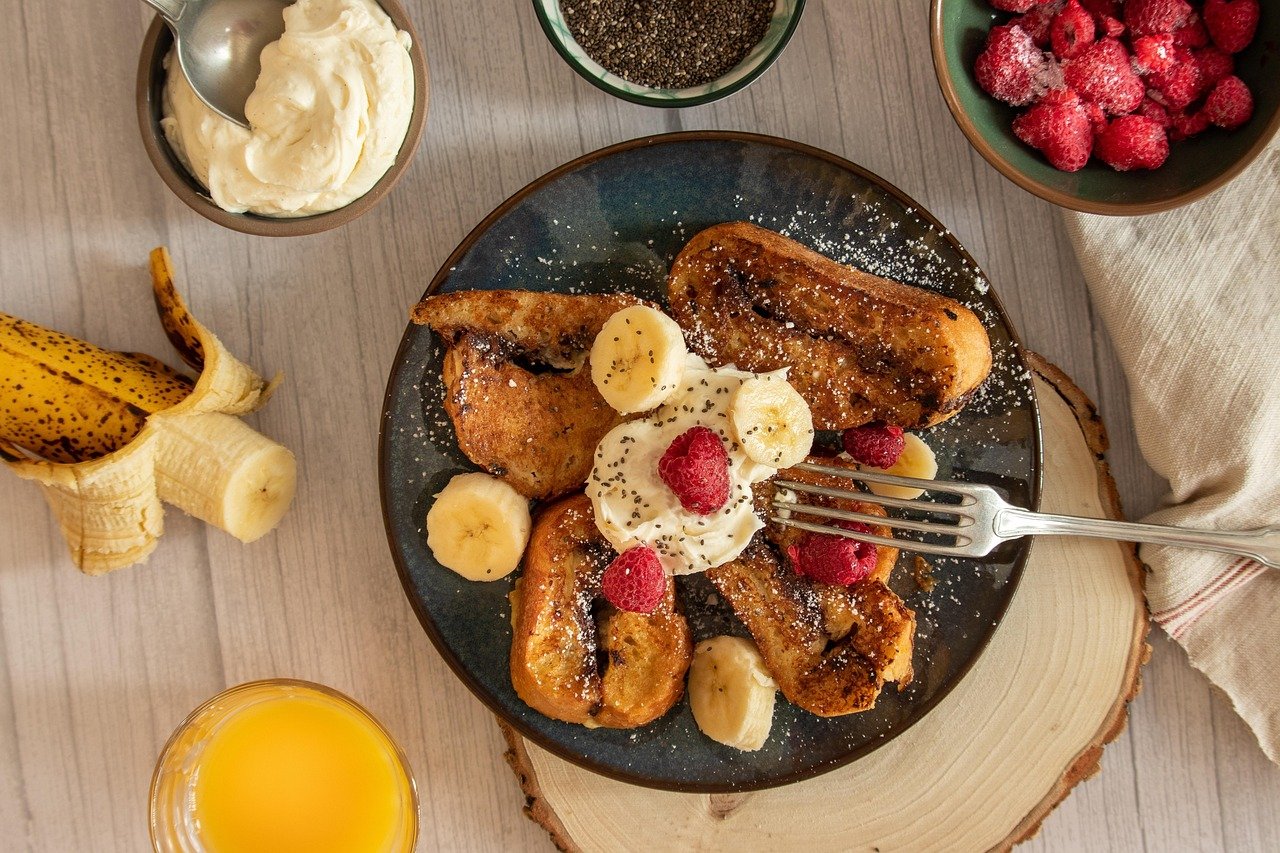
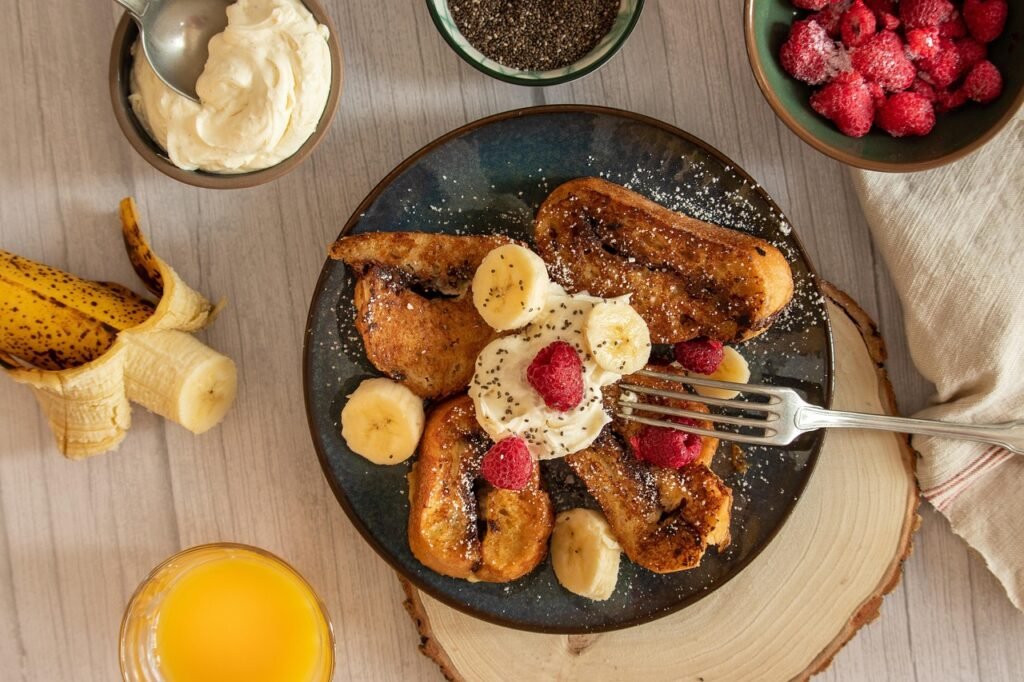
What if the single biggest reason homemade French toast turns out soggy has nothing to do with your custard recipe and everything to do with the loaf sitting on your counter? It sounds almost too simple. But ask anyone who has flipped a few hundred slices and they will tell you the same thing: the bread decides the outcome before the egg ever touches it.
French toast is one of those dishes that looks forgiving and isn’t. The custard is easy. The pan heat is manageable. The bread, though, is where breakfast quietly succeeds or fails. Choose wrong and you get a mushy center with a burnt shell. Choose right and you get that elusive texture: crisp at the edges, custardy in the middle, never collapsing under a fork.
This guide breaks down which loaves actually work, which ones betray you, and how to handle the bread you already have in the kitchen. No specialty shopping trip required.
Why Bread Choice Decides Everything
French toast is a soaking-and-frying problem. You are asking a slice of bread to absorb a liquid custard, hold its structure, and then survive direct heat in a pan. Those three demands pull against each other.
A bread that soaks fast but has no structure turns to paste. A bread that is too sturdy and sealed repels the custard and stays dry inside. The sweet spot is a loaf with an open but resilient crumb, moderate dryness, and enough fat and protein to bind it together.
That is the whole game. Everything else, including which bread wins the “best” title, flows from those three traits.
The Staling Rule Most People Get Backward
Here is the counterintuitive part: fresh bread is usually the wrong choice. A loaf baked this morning is still full of moisture and its starch is soft and pliable. Drop it in custard and it drinks too fast, then disintegrates.
Bread that has dried out for a day or two behaves completely differently. As bread stales, its starch firms up and the crumb becomes more absorbent in a controlled way. It takes on custard steadily instead of gulping it. The slice stays intact long enough to develop a crust.
This is not a modern trick. The dish’s French ancestor, pain perdu, literally means “lost bread,” a name built around rescuing loaves past their prime. The best bread for French toast is often the bread you were about to throw away.
Practical takeaway: if your bread is bakery-fresh and soft, slice it and leave it out on a rack for a few hours, or dry it in a low oven for ten to fifteen minutes. That single step fixes more failed French toast than any custard tweak.
The Best Bread for French Toast, Ranked by What They Do Well
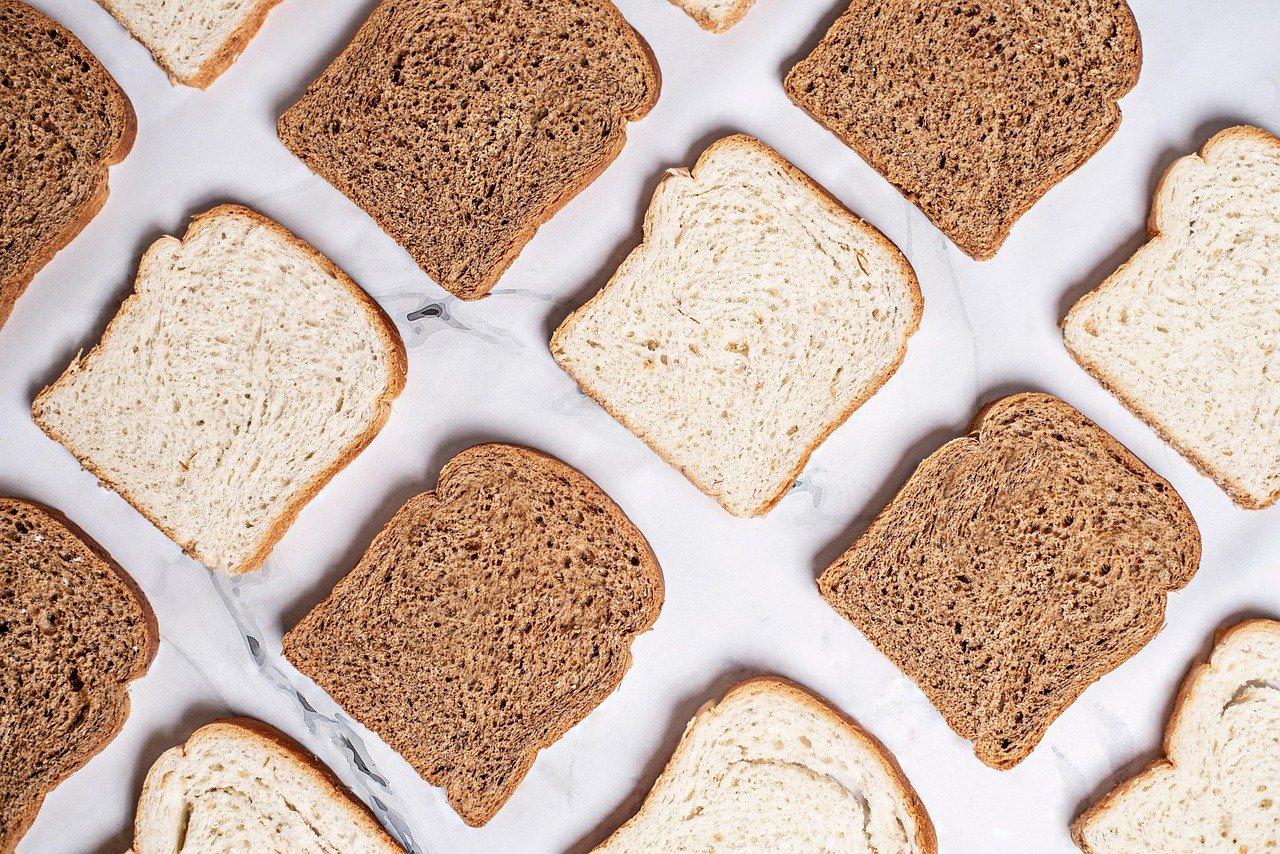
There is no single champion, because “best” depends on whether you want richness, structure, or a neutral canvas. Here is how the main contenders actually perform.
| Bread | Structure | Custard absorption | Best for | Watch out for |
|---|---|---|---|---|
| Brioche | Moderate, rich | High | Indulgent, restaurant-style slices | Very fresh brioche falls apart; dry it first |
| Challah | Moderate | High | Sweet, tender results | Same fragility as brioche when fresh |
| Sourdough | High | Moderate | Crisp exterior, tangy balance | Thick crust can resist custard |
| French bread or baguette | High | Moderate | Chewy, crisp-edged slices | Cut too thin and it turns tough |
| Texas toast | High | Moderate | Beginners, big hearty portions | Can be bland on its own |
| Dense whole wheat | High | Low | Nutty, sturdy slices | Often needs a longer soak |
| Soft sandwich bread | Low | Very high | Nothing, honestly | Collapses and turns gummy |
Brioche and Challah: The Rich, Tender Favorites
These two get named most often for good reason. Both are enriched breads, meaning they carry butter, eggs, and sometimes sugar in the dough. That fat and protein makes the cooked slice taste almost like a custard pastry, and the crumb soaks generously.
The catch is freshness. A soft, yielding brioche straight from the bag is a trap. It is so tender that the custard overwhelms it. Slice it thick, let it dry, and it becomes the best French toast most people will ever make. Challah behaves the same way, with a slightly lighter texture and a braided look that slices into neat, even pieces.
If you are already comfortable with fancy bread, the same instinct for structure applies to other kitchen projects. The logic behind a high-concentration French perfume house is not so different: quality ingredients reward patience and punish shortcuts.
Sourdough and French Bread: Structure That Holds Up
If you like French toast with a genuinely crisp outside and a chewy bite, sourdough is your loaf. Its tight, springy crumb resists collapse, and the natural tang cuts through sweet toppings in a way plain white bread cannot.
The trade-off is absorption. Sourdough’s crust and dense interior can shrug off custard, leaving a dry center. Two fixes work well: slice it a little thinner than you would brioche, and give it a slightly longer soak, thirty seconds or so per side. A French country cooking approach would say the same thing: work with the bread’s character instead of fighting it.
French bread and baguette sit in the same family. Cut on a slight diagonal into thick slices, they deliver maximum crust per bite. Just avoid thin rounds, which turn into hard little discs.
Texas Toast and Sandwich Loaves: Convenience Versus Quality
Thick-cut Texas toast is the practical pick for a crowd. It is sturdy, cheap, widely available, and forgiving of a distracted cook. It will not win a texture contest against brioche, but it will not fail you either.
Soft sandwich bread is the one to avoid. It is engineered to be pillowy and moist, which is exactly wrong here. It soaks up custard like a sponge, then breaks apart in the pan. If that is all you have, toast it dry first and handle it gently, and expect a softer result.
How to Choose Bread When You Are Standing in the Store
Shopping for French toast is a five-second decision if you know what to look for. Squeeze the loaf. Press the center of a slice.
A bread that springs back firmly and feels slightly dry at the surface will hold custard well. A bread that squishes flat and feels damp will collapse. Look for a visible crumb structure, small irregular holes rather than a tight uniform sponge, and a crust that has some substance.
Thickness matters almost as much as the loaf. Aim for slices roughly three-quarters of an inch to an inch thick. Thinner slices cook fast and dry out; thicker ones can end up raw in the middle before the outside browns. If you are buying a whole loaf, ask for it unsliced so you control the cut.
One more store tip: day-old bread racks exist for exactly this purpose. A marked-down loaf of brioche or challah is not a compromise. It is the ideal starting point.
The Custard and Technique That Reward Good Bread
Great bread still needs a competent custard. The ratio that works reliably is roughly one large egg to a quarter cup of milk per two to three slices, with a pinch of salt and a little sugar. Too much milk and the mixture is thin and the bread waterlogs. Too much egg and you get a spongy, omelet-like slice.
Technique matters as much as ratios:
- Whisk the custard until fully uniform, with no streaks of egg white.
- Pour it into a shallow dish rather than dunking the bread in a deep bowl.
- Soak each side briefly, thirty seconds for sturdy bread, less for tender loaves. Do not walk away.
- Let excess custard drip off before the bread hits the pan.
- Cook over medium-low heat with real butter, not high heat. High heat browns the outside before the center sets.
- Keep finished slices warm in a low oven instead of stacking them, which steams them soft.
The most common mistake is over-soaking tender bread and under-soaking sturdy bread. Match your soak time to the loaf, not to the clock on the recipe.
Toppings and Finishing Touches That Suit Each Loaf
The bread you choose should guide what goes on top. Rich breads like brioche and challah already taste sweet and buttery, so they need very little. A dusting of sugar, a squeeze of lemon, or a spoon of good jam is plenty. Piling on syrup can push them into cloying territory.
Sourdough and French bread welcome stronger flavors. Fresh berries, a drizzle of honey, or a sprinkle of cinnamon work well because the tang and crust balance the sweetness. Dense whole wheat plays nicely with nut butter, sliced banana, or stewed fruit.
If you enjoy the finishing-detail side of cooking, the same care you would put into a pink French tip manicure applies here: small, deliberate touches make the whole thing look and feel considered. A milky white French tip is understated and clean; a French toast plate works the same way. Restraint reads as confidence.
Common Mistakes That Ruin French Toast
Even good bread fails when these habits creep in.
Using cold bread straight from the fridge. Cold bread is firm but also damp, and it soaks unevenly. Let it come to room temperature or dry it slightly.
Skimping on fat in the pan. Butter gives flavor and browning. Oil alone browns but tastes flat. A mix of both is a solid compromise for high-heat cooking.
Crowding the pan. Slices need space for steam to escape. Overlap them and you get soggy edges.
Flipping too early. Wait until the underside releases naturally. If it sticks, it is not ready.
Assuming gluten-free bread behaves the same. It does not. Gluten-free loaves absorb custard differently and often need a shorter soak and a gentler pan. Test one slice before committing the batch.
Skipping the rest. Letting cooked slices sit for a minute on a rack lets excess moisture escape. Straight to the plate means a soggy bottom.
Conclusion
The best bread for French toast is not the fanciest loaf on the shelf. It is the one with enough structure to hold custard, enough dryness to absorb it evenly, and enough character to taste like something. For most people, that means day-old brioche or challah for a rich, tender result, sourdough or French bread for a crisp, chewy bite, and thick-cut Texas toast when convenience wins the morning.
The single change that improves results fastest is letting your bread dry out before it meets the egg. That one habit, more than any recipe, separates custardy, crisp-edged French toast from the soggy version most kitchens produce. Pick a sturdy loaf, slice it thick, give it time to stale, and cook it low and slow. Breakfast gets a lot better from there.
FAQ
What is the best bread for French toast?
Day-old brioche or challah is the top pick for most cooks because it is rich, tender, and absorbs custard well once dried. Sourdough and French bread are better if you want a crisp, chewy exterior. Thick-cut Texas toast is the most forgiving everyday option. Soft sandwich bread is the one to avoid.
Should French toast be made with stale bread?
Yes, in most cases. Slightly stale bread absorbs custard more evenly and holds its shape in the pan. Very fresh, soft bread soaks too fast and tends to fall apart. If your loaf is fresh, slice it and leave it out for a few hours or dry it briefly in a low oven.
How thick should I slice bread for French toast?
Aim for slices about three-quarters of an inch to one inch thick. Thinner slices dry out and turn crisp too fast, while thicker slices can stay raw in the center before the outside browns. Buying an unsliced loaf lets you control the thickness.
Can I use sourdough for French toast?
Absolutely. Sourdough makes excellent French toast with a crisp exterior and a chewy center, and its tang balances sweet toppings. Because it is dense, give it a slightly longer soak than brioche and avoid cutting the slices too thin.
Why does my French toast turn out soggy?
Sogginess usually comes from over-soaking soft bread, cooking on heat that is too high, or stacking finished slices so they steam. Use sturdier or drier bread, soak briefly, cook over medium-low heat with butter, and rest finished slices on a rack instead of piling them up.
Is it better to use milk or cream in the custard?
Whole milk gives a lighter, cleaner result and is the standard choice. Cream makes a richer, heavier custard that suits dense breads like sourdough. Either works, but keep the ratio roughly one egg to a quarter cup of dairy so the mixture stays thick enough to cling to the bread.














