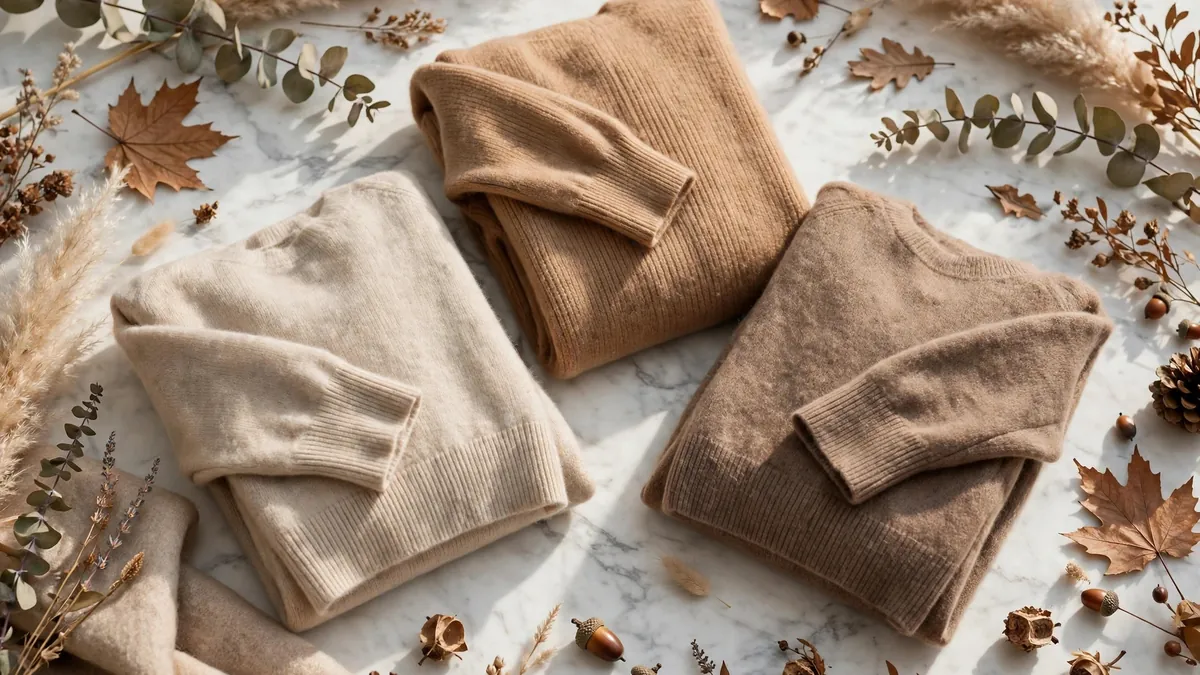
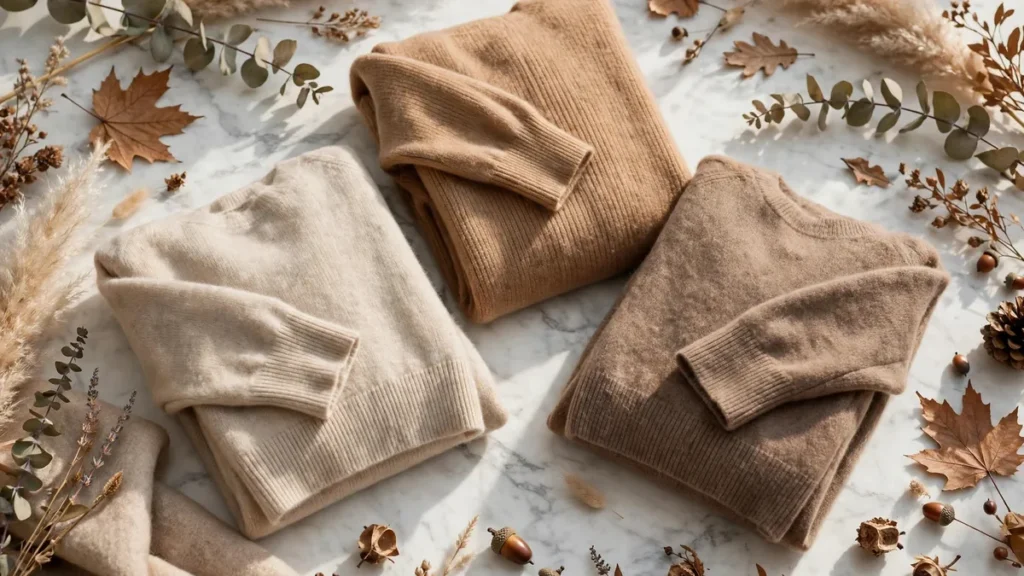
Autumn is when a cashmere jumper earns its place in a wardrobe. The mornings turn sharp, the evenings cool quickly, and a good jumper has to do more than look soft on a hanger. It has to keep you warm without making you overheat on a crowded train, layer neatly under a coat, and still look presentable after a full day of wear. Cashmere does all of that better than almost any other fibre, which is why it commands the prices it does, and why the difference between a good cashmere jumper and a disappointing one is worth understanding before you buy.
The problem is not finding cashmere jumpers for autumn. It is finding one that is actually worth its price. Cashmere quality varies enormously, from thick, tightly spun yarns that hold their shape for years to thin, loosely knitted pieces that pill within a week and lose their shape after two washes. The label alone tells you very little. Two jumpers can both say 100 percent cashmere and feel like entirely different garments.
Below are nine cashmere jumpers worth considering for autumn 2027, from a classic crew neck to lighter blends made for the changeable weeks of early autumn. Each one is described by what it does well, what to watch for, and who it suits best, so you can choose with the season in mind, not just a price tag.
Key takeaways
- Cashmere is warmer than wool at the same weight, so a fine-gauge cashmere jumper can replace a much heavier knit in autumn.
- Look for tightly spun yarn, a dense knit, and a fibre length that resists pilling; a thin, loosely knitted jumper will wear out faster whatever the label says.
- Blends with silk, cotton or fine merino can make cashmere more practical for early autumn, when a pure heavyweight knit is too warm.
- Cashmere needs gentle care: hand wash or a cold wool cycle, dry flat, and store folded with cedar or lavender, never on a hanger.
- No cashmere jumper is indestructible, and even the best will pill a little at first; a de-pilling comb and the right care matter more than the price you paid.
What a cashmere jumper actually does in autumn
Cashmere comes from the soft undercoat of cashmere goats, and its fibres are finer and lighter than sheep’s wool. That fineness is what makes it feel soft against the skin, and it is also what makes it warm. The fibres trap air in tiny pockets, which insulates without bulk. A well-made cashmere jumper can keep you comfortable on a cold October morning and still sit comfortably under a coat without making you look padded.
Autumn is the season that tests a jumper hardest. Temperatures swing between morning and afternoon, rain arrives without warning, and a jumper gets worn more days in a row than at any other time of year. That is why weight matters. A heavyweight, chunky cashmere jumper is wonderful for late November, but it is too much for September. A fine-gauge or lightweight cashmere jumper works from the first cool week of autumn right through to winter layering, which makes it the more useful buy for most people.
Fit matters just as much as fibre. A cashmere jumper that is too tight will stretch at the elbows and the hem. One that is too loose will look shapeless under a coat. The best autumn jumpers sit close enough to layer cleanly but leave room for a shirt underneath, with a hem that stays put and cuffs that do not ride up when you reach for something.
How we chose these jumpers and what to look for
Look first at the knit. Hold the jumper up to the light: a dense, even knit with no gaps is a good sign, while a loose, open weave will sag and pill quickly. Run your hand across it. Good cashmere feels soft but has a slight spring to it, not a slippery, almost silky feeling that often means the fibres are short and will pill. The yarn should feel substantial for its weight, not thin and wispy.
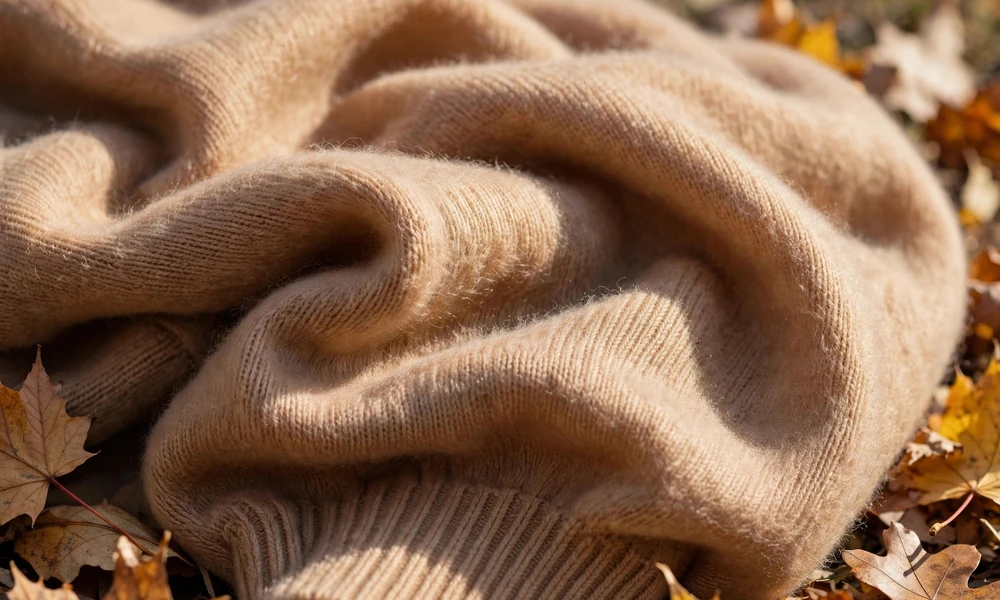
Look next at the blend and the gauge. Pure cashmere is the warmest and softest option, but a blend with a little silk adds sheen and strength, cotton adds breathability for early autumn, and fine merino adds structure and makes the jumper easier to care for. None of these is a compromise on its own; the right blend depends on when you plan to wear the jumper most. Our guide to the sweater trends for winter is a useful companion here, because the shapes and necklines that work in autumn carry straight through into the colder months.
Finally, look at the details that show how the jumper was made. Ribbed cuffs and hems that keep their shape, seams that lie flat, a neckline that does not gape, and a label that states the fibre content honestly are all practical signs of a well-made piece. A jumper that feels good on the hanger but has a flimsy neckline will not feel good after a month of wear.
The 9 best cashmere jumpers for autumn 2027
Ralph Lauren Cable-Knit Cashmere Jumper
What we like: A classic cable knit in a midweight pure cashmere that feels substantial without being heavy, with a neat crew neck and ribbed trims that hold their shape.
What to consider: Premium price, and the cable texture adds bulk under a slim coat, so it suits a relaxed coat better than a tailored one. Best for: Classic autumn dressing and weekend layering. Fabric: 100% cashmere. Price range: $350 to $450. Standout feature: The cable pattern, knitted tightly enough to keep its definition after washing.
Brunello Cucinelli Lightweight Cashmere Crew Neck
What we like: Featherlight pure cashmere in a fine gauge that layers beautifully, with a clean crew neck and a soft, even hand feel.
What to consider: Very premium price, and the fine gauge needs gentle handling to avoid snags. Best for: Smart layering under blazers and coats. Fabric: 100% cashmere. Price range: $1,200 to $1,600. Standout feature: The fineness of the knit, which drapes like a much heavier jumper without the weight.
A practical luxury choice for people who want cashmere as a daily layer rather than a weekend piece. One jumper, worn often, is worth more than three that sit in a drawer.
Massimo Dutti Cashmere-Silk V-Neck
What we like: A cashmere and silk blend with a gentle sheen, a flattering V-neck, and a midweight knit that works from September through November.
What to consider: The silk content means it needs careful washing, and the V-neck suits a shirt underneath better than a bare neck. Best for: Smart-casual autumn outfits and office layering. Fabric: 85% cashmere, 15% silk. Price range: $130 to $180. Standout feature: The silk blend, which gives the jumper a subtle lustre and extra strength.
J.Crew Cashmere-Linen Crew Neck
What we like: A cashmere and linen blend that breathes well in early autumn, with a relaxed crew neck and a soft, lived-in feel.
What to consider: Less warm than pure cashmere, so it is best for the first half of autumn rather than cold November days. Best for: Early autumn and changeable weather. Fabric: 70% cashmere, 30% linen. Price range: $120 to $170. Standout feature: The linen blend, which keeps the jumper cool on warm afternoons and warm on cool mornings.
COS Fine-Gauge Cashmere Jumper
What we like: A clean, minimal fine-gauge jumper in pure cashmere, with a slightly relaxed fit and a modern, uncluttered shape.
What to consider: The relaxed fit can look shapeless on a smaller frame, so check the size guide carefully. Best for: Minimal, modern autumn outfits. Fabric: 100% cashmere. Price range: $135 to $180. Standout feature: The clean silhouette, which layers neatly under coats and over shirts.
Arket Lightweight Cashmere Crew Neck
What we like: A lightweight pure cashmere jumper with a neat crew neck, a smooth knit, and a sensible mid-range price.
What to consider: The lightweight knit is less insulating than a midweight one, so it suits layering more than wearing alone in cold weather. Best for: Everyday autumn layering. Fabric: 100% cashmere. Price range: $110 to $150. Standout feature: The smooth, even knit, which resists pilling better than many jumpers at this price.
Uniqlo Premium Lambswool Cashmere Blend Jumper
What we like: A cashmere and lambswool blend that is warm, soft, and very affordable, with a classic crew neck and a good range of autumn colours.
What to consider: The lambswool content makes it slightly less soft than pure cashmere, and it can pill a little more at first. Best for: Everyday wear and first-time cashmere buyers. Fabric: 20% cashmere, 80% lambswool. Price range: $50 to $80. Standout feature: The price, which makes cashmere warmth accessible without a luxury budget.
Sézane Cashmere-Cotton Jumper
What we like: A cashmere and cotton blend with a soft hand feel, a slightly relaxed fit, and warm autumn colours that work with denim and tailored trousers alike.
What to consider: The cotton content means it is less warm than pure cashmere, and the relaxed fit needs the right trousers to look intentional. Best for: Relaxed autumn weekends and soft, tonal outfits. Fabric: 60% cashmere, 40% cotton. Price range: $130 to $175. Standout feature: The colour range, with rich autumn tones that are hard to find elsewhere.
& Other Stories Lightweight Cashmere Jumper
What we like: A lightweight pure cashmere jumper with a neat crew neck, a smooth finish, and a good balance of softness and structure.
What to consider: The lightweight knit can feel thin on very cold days, so it works best as a layer rather than a standalone piece in late autumn. Best for: Layering and transitional autumn weather. Fabric: 100% cashmere. Price range: $120 to $165. Standout feature: The balance of weight and warmth, which suits the changeable weeks of early autumn.
A sensible choice, especially if you want a pure cashmere jumper you can wear from September to December by changing what you layer it with.
Which cashmere jumper is right for you
Early autumn calls for a lighter jumper. A fine-gauge pure cashmere or a cashmere blend with linen or cotton will keep you comfortable when the temperature swings between morning and afternoon. The goal is warmth without overheating, so a jumper that feels comfortable after an hour indoors is a better sign than one that feels cosy for five minutes in a cold shop. Our guide to the best cashmere sweaters is a useful frame here, because the same rules about knit density and fibre length apply whatever the season.
Late autumn calls for weight. A midweight or chunky cashmere jumper, or a cashmere and merino blend, will hold its warmth on cold, damp days and sit well under a winter coat. If you only buy one cashmere jumper for autumn, a midweight crew neck in a neutral colour is the most useful choice, because it works alone in October and as a layer in November.
Fit should follow how you plan to wear it. A jumper you want to layer under a coat should sit close to the body with a hem that stays tucked. A jumper you want to wear on its own can be a little more relaxed, but it should still hold its shape at the shoulders and the cuffs. Try it on with the coat and the shirt you will actually wear it with, not just on its own.
The caveats that matter
Cashmere is a natural fibre, and it is not indestructible. It will pill, especially in the first few weeks, where fabric rubs against fabric under the arms and at the sides. That is normal, and it settles with wear and proper care. What is not normal is heavy pilling all over the jumper after a single wear, which usually means the fibres are short and the yarn was loosely spun.
| Detail | What is known |
|---|---|
| Best weight for autumn | Fine to midweight for early autumn, midweight to chunky for late autumn |
| What to check first | Knit density, yarn spring, and honest fibre content on the label |
| Best blends | Cashmere with silk for sheen, linen or cotton for breathability, merino for structure |
| How to wash it | Hand wash cold with a gentle detergent, or a cold wool cycle in a mesh bag |
| How to dry it | Reshape and dry flat, away from direct heat and sunlight |
| How to store it | Folded, never hung, with cedar or lavender to deter moths |
| When to de-pill | After the first few wears, then as needed, with a comb or electric de-piller |
| What it does not do | It does not stay new without care, and it does not suit rough handling or hot washing |
Moths are the other quiet problem with cashmere. They are drawn to natural fibres, especially jumpers stored dirty or in a warm, undisturbed drawer. Clean your jumpers before storing them for the season, fold them with cedar blocks or lavender sachets, and check stored knitwear every few weeks. A small amount of prevention saves a favourite jumper.
Checklist: choosing a cashmere jumper honestly
Use these checks before you buy, and again after a month of wear.
- Check the knit: hold it to the light and look for a dense, even weave with no gaps.
- Check the feel: it should be soft with a slight spring, not slippery or thin and wispy.
- Check the label: the fibre content should be stated clearly, with no vague wording.
- Check the fit: try it with the coat and shirt you will actually wear it with.
- Check the seams: they should lie flat, with ribbed cuffs and hems that keep their shape.
- Plan the care: buy a gentle detergent and a de-pilling comb at the same time as the jumper.
Frequently asked questions
How do I stop a cashmere jumper from pilling?
You cannot stop it entirely, especially in the first weeks. Wear it less often at first, avoid rubbing it against rough fabrics and bag straps, and remove pills with a comb or electric de-piller. Pilling usually settles as the loose short fibres work their way out.
Can I wash cashmere in a machine?
Yes, if your machine has a cold wool cycle and you use a mesh laundry bag and a gentle detergent. Hand washing in cold water is still the safest option, and it takes only a few minutes. Never use hot water or a tumble dryer.
Is a cashmere blend as good as pure cashmere?
It depends on what you need. A blend with silk, cotton or merino can be more practical, more durable, or better suited to early autumn than pure cashmere. What matters is the quality of the fibres and the knit, not the purity alone. A well-made blend beats a poorly made pure cashmere jumper.
How should I store cashmere jumpers?
Folded, never on a hanger, in a clean, dry drawer or box with cedar blocks or lavender sachets. Hanging stretches the shoulders and the hem. Wash or air jumpers before storing them for the season, because moths are drawn to body oils and food marks.
Why is some cashmere so cheap?
Cheap cashmere usually means shorter fibres, looser spinning, and a thinner knit, which pills faster and loses its shape sooner. It can still be a reasonable buy for occasional wear, but it will not last like a well-made jumper. Price is not a perfect guide, but very cheap cashmere is cheap for a reason.
What colours work best for autumn cashmere?
Warm neutrals suit autumn best: camel, charcoal, navy, forest green, burgundy, and cream. They layer well with coats and work with both denim and tailored trousers. A guide to natural fibres in clothing can help you match fibre and colour to the rest of your wardrobe, because the right neutral makes one jumper work with everything you already own.
The bottom line
The best cashmere jumper for autumn 2027 is not the most expensive or the softest on the hanger. It is the one with a dense knit, honest fibre content, and a weight that suits the weeks you will actually wear it, in a colour and fit that works with the clothes you already own. For most people, a midweight crew neck in a warm neutral is the smartest single buy.
Choose one jumper, wear it often, wash it gently, and look after it properly, and it will reward you for years. That is the honest way to buy cashmere, without paying for a label that does not deliver on the knit.