


What if the soup you’re hunting for doesn’t quite exist under the name you typed? That’s the first surprise waiting for anyone searching for “best chairo soup near me.” Chairo is a real dish, but it’s an Andean soup from Bolivia and the Peruvian altiplano, not a takeout staple on every corner. In most cities, you won’t find it by scrolling a generic restaurant list. You’ll find it by knowing what it is, who cooks it, and how to read the signals that separate a bowl simmered from scratch from one that came out of a can.
This guide walks through all of that. It covers what chairo actually contains, why the name gets confused with other soups, and a practical method for locating a good version wherever you happen to live. It also covers the questions to ask before you order and the mistakes that send people home disappointed.
What chairo soup actually is
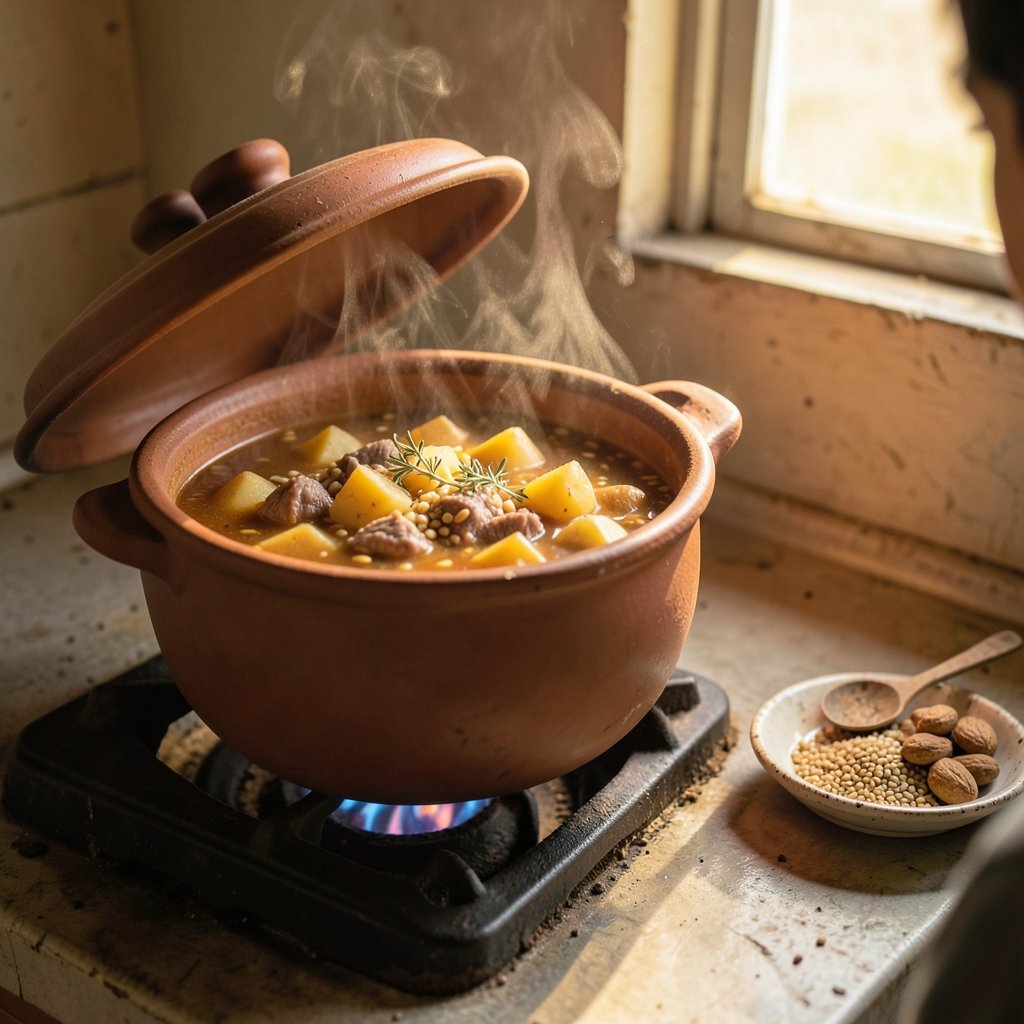
Chairo is a hearty, earthy soup tied to the high Andes. Its defining ingredient is chuño, a freeze-dried potato made by alternately freezing and sun-drying potatoes at high altitude. That technique predates European contact and is still used across the region. Chuño gives chairo a distinct texture and a slightly fermented, deeply savory flavor that fresh potatoes can’t copy.
Beyond chuño, a typical chairo brings together vegetables, herbs, and beef or lamb in a brothy base. Recipes shift from town to town and family to family. Some versions lean starchy and thick; others are lighter and more herb-forward. That variation matters when you’re judging a restaurant, because there’s no single “correct” bowl to compare against. What you can judge is freshness, balance, and whether the cook clearly understands the ingredient.
The practical takeaway: if a menu lists chairo but the bowl tastes like ordinary potato-and-meat soup, you may be eating a shortcut version. Real chuño has a flavor all its own.
Why “chairo” is so easy to confuse with other soups
The name is a magnet for mix-ups, and that confusion shapes your search results. Three dishes get tangled together constantly.
| Name | Region | Key traits |
|---|---|---|
| Chairo | Andean (Bolivia, Peru) | Chuño base, vegetables, beef or lamb, earthy and starchy |
| Chorba | North Africa, Middle East | Often tomato- and legume-based, eaten to break the Ramadan fast |
| Shorba | South Asia, Middle East | Lighter broth, variable spices, sometimes vegetarian |
If you search for chairo and get pages about chorba, you’re not imagining it. The spellings are close, and search engines blend them. Before you commit to a restaurant, check which dish the kitchen actually serves. A Moroccan or Turkish spot advertising “chorba” is offering something lovely, but it isn’t chairo.
There’s a second layer of confusion too. Some people use “chairo” loosely for any thick mountain-style stew. That’s fine in casual conversation, but it makes menu reading harder. When in doubt, ask what’s in the pot.
Why “near me” results are trickier than they look
Here’s a fact that surprises a lot of people: “near me” searches are not reproducible. Results shift by device location, language, and even the time of day. Two people on the same street can get different lists. That means any “best near me” ranking you read online is local and dated the moment it’s published.
Search platforms don’t rank purely by star rating either. Local rankings weigh relevance, distance, and prominence together, so a mediocre place close by can outrank an excellent one across town. Reviews matter, but they’re one input among several.
The fix is to stop treating a search result as a verdict and start treating it as a lead. Use the map to generate candidates, then verify each one yourself using the steps below. If you’re the type who likes a systematic approach to local services, the same discipline that helps you pick a clinic in a guide like laser hair removal near me applies here: verify credentials, read past the star average, and trust specifics over slogans. The broader tag page on laser hair removal near me makes a similar point about how local search behaves.
A step-by-step method for finding good chairo
This is the part that actually works in practice. Follow it in order and you’ll waste far less time on dead ends.
- Start with the right cuisine. Search for Bolivian and Peruvian restaurants first. These kitchens are the most likely to have chuño on hand or a supplier who does. Broad “soup near me” searches rarely surface them.
- Check the menu language. Look for words like chuño, altiplano, andino, or a dedicated “sopas” section. A menu that names its regional ingredients is a good sign.
- Read reviews for dish-specific mentions. Skip the generic five-star raves. Search the review text for “chairo,” “chuño,” or “sopa.” One detailed, specific review beats twenty vague ones.
- Call ahead. Ask plainly whether chairo is on the menu today and whether it’s made in-house. Kitchens respect a direct question, and the answer tells you a lot.
- Check inspection records if they’re public. In most U.S. jurisdictions, restaurant inspection results are public and are a more reliable signal than a review average. A clean record plus a specific menu beats a pretty photo every time.
- Go at the right time. Soups built on slow-simmered bases are often best earlier in the day, before the pot has been held for hours. Lunch service is usually a safer bet than late evening.
- Order a small portion first if you can. If the restaurant offers cup sizes, start there. You’ll learn more from one taste than from an hour of reading.
Common mistakes people make
The biggest one is searching a single term and stopping. If “chairo soup near me” returns nothing useful, the answer isn’t “no one sells it.” It’s “try the regional name, try the cuisine, try the ingredient.” Search for the Bolivian restaurant two neighborhoods over, or the Peruvian place with a lunch special.
The second mistake is trusting photos. A stock image of soup tells you nothing. Look for user-uploaded pictures of the actual bowl, and pay attention to whether the broth looks cloudy and layered or thin and uniform.
The third is ignoring distance in the other direction. Sometimes the best bowl really is a thirty-minute drive away. A soup this specific rewards a little travel. Treat it like a destination, not a convenience purchase.
What to ask before you order
A few questions separate a confident kitchen from a confused one. You don’t need to interrogate anyone, but a friendly inquiry goes a long way.
Ask whether the chairo is made with chuño or with regular potato. Ask if the broth is made in-house. Ask what meat goes into it and whether a vegetarian version exists. Ask how long it’s been simmering.
The answers tell you three things at once: whether the staff know the dish, whether the kitchen cooks from scratch, and whether you’ll actually enjoy what arrives. If the person taking your order can describe the soup in detail, that’s a strong signal. If they seem unsure what you’re asking about, believe them.
One more practical note: if you have allergies, ask directly about ingredients rather than relying on menu labels. Allergen disclosure rules differ widely by country and region, and restaurant staff are your most reliable source in the moment. If you’re coordinating a group meal around a specific cuisine, the same logic that helps you find a good Chinese restaurant fast applies: call ahead, confirm the dish exists today, and don’t assume the online menu is current.
How to judge the bowl once it arrives
You’ve done the legwork. Now the soup is in front of you. Here’s what to look for.
Color and body. A good chairo has depth. The broth should look like it has been working for a while, not like water with vegetables dropped in. It’s often cloudy rather than clear, and that’s fine.
Texture from the chuño. The freeze-dried potato should bring a slightly dense, almost springy quality. If every spoonful tastes like plain boiled potato, the defining ingredient is probably missing or underused.
Balance. Earthy, savory, and gently herbed. Nothing should dominate. If it’s aggressively salty, that’s a shortcut, not a style.
Temperature. It should arrive hot, and it should stay hot for a while. Soup that cools in two minutes was likely assembled rather than simmered.
The herb note. Many versions carry a green, herbal lift. If that’s absent entirely, the recipe may be stripped down.
If the bowl passes these checks, you’ve found something worth remembering. Note the restaurant, note the day and time, and go back. Good regional cooking is often inconsistent, so a second visit confirms whether you got lucky or found a regular spot.
Leftovers, storage, and a safety note
Chairo reheats well, which is one of its quiet advantages. If you order a large portion, treat the leftovers with care. Perishable food should go into the refrigerator within two hours of being served, and leftovers should be reheated to 165 °F (74 °C) before you eat them again. Those are standard food-safety benchmarks, and they matter more with soups that contain meat and starchy ingredients.
Store the soup in a shallow container so it cools quickly, and reheat only what you plan to eat. Repeated reheating cycles degrade both texture and safety. A good rule: portion it out before you put it away.
This is also a reason to favor restaurants that make soup in smaller batches. A kitchen that sells out of a dish by mid-afternoon is usually cooking fresh rather than holding a pot all week.
When you can’t find chairo at all
Some cities simply don’t have a Bolivian or Peruvian kitchen nearby. That’s not a dead end. It’s a prompt to widen the search in a smart way.
Look for restaurants that specialize in Andean or South American cooking more broadly, even if chairo isn’t on the regular menu. Ask whether they’d consider it as a special. Look for Latin American grocers who stock chuño; they often know which local kitchens buy it. Ask the people behind the counter. Word of mouth beats search algorithms for dishes this specific.
You can also treat the search as a reason to explore. Maybe the answer is a road trip, a food festival, or a cooking project at home. Learning to work with chuño is genuinely interesting, and the technique behind it is centuries old. The dish rewards curiosity.
And if you find yourself in a city where the closest match is a different soup entirely, that’s fine too. The chorba and shorba families are excellent in their own right. Just know what you’re ordering. The pleasure of a good bowl doesn’t depend on the label matching perfectly, but your expectations should match reality.
Conclusion
Finding the best chairo soup near you comes down to knowing what you’re looking for and verifying it properly. Chairo is an Andean soup built on chuño, and it’s rare enough that generic “near me” searches will often miss it. Start with Bolivian and Peruvian kitchens, read reviews for dish-specific detail, call ahead, and check public inspection records where they exist. Then judge the bowl on color, texture, balance, and heat.
The search is worth the effort because the payoff is a dish you can’t get just anywhere. A little patience, a few phone calls, and a willingness to travel a bit will get you further than any listicle. And once you find a kitchen that makes it well, you’ll have a regular spot for something genuinely uncommon.
FAQ
Is chairo the same as chorba?
No. Chairo is an Andean soup from Bolivia and the Peruvian altiplano, built around chuño, a freeze-dried potato. Chorba is a separate North African and Middle Eastern soup family, often tomato- and legume-based and traditionally eaten to break the Ramadan fast. The names look similar, but the dishes share little beyond being soups.
What does chairo soup taste like?
It’s earthy, savory, and hearty. The chuño brings a dense, slightly fermented potato flavor that regular potatoes can’t replicate, and the broth carries vegetables, herbs, and beef or lamb. Expect something richer and more layered than a standard potato soup, with a gentle herbal lift in many versions.
Why can’t I find chairo at restaurants near me?
Chairo is a regional specialty, and most cities have only a handful of kitchens equipped to make it. Bolivian and Peruvian restaurants are your best bet. If none are nearby, look for Latin American grocers who stock chuño, ask local chefs directly, or treat it as a reason to explore further afield.
Should I trust “best near me” rankings online?
Treat them as leads, not verdicts. Local search results vary by device location, language, and time, and they weigh relevance, distance, and prominence rather than pure quality. Reviews help, but public inspection records and dish-specific review details are stronger signals when you’re choosing where to eat.
How do I know if a restaurant uses real chuño?
Ask. A confident kitchen will tell you whether the chairo is made with chuño or regular potato, and whether the broth is made in-house. You can also taste for it: real chuño gives the soup a denser, slightly springy texture and an earthy depth that plain boiled potato lacks.
How should I store and reheat leftover chairo?
Refrigerate it within two hours of serving, in a shallow container so it cools quickly. Reheat only the portion you plan to eat, bringing it to 165 °F (74 °C). Avoid repeated reheating cycles, which degrade both texture and safety, especially in soups containing meat and starchy ingredients.














