

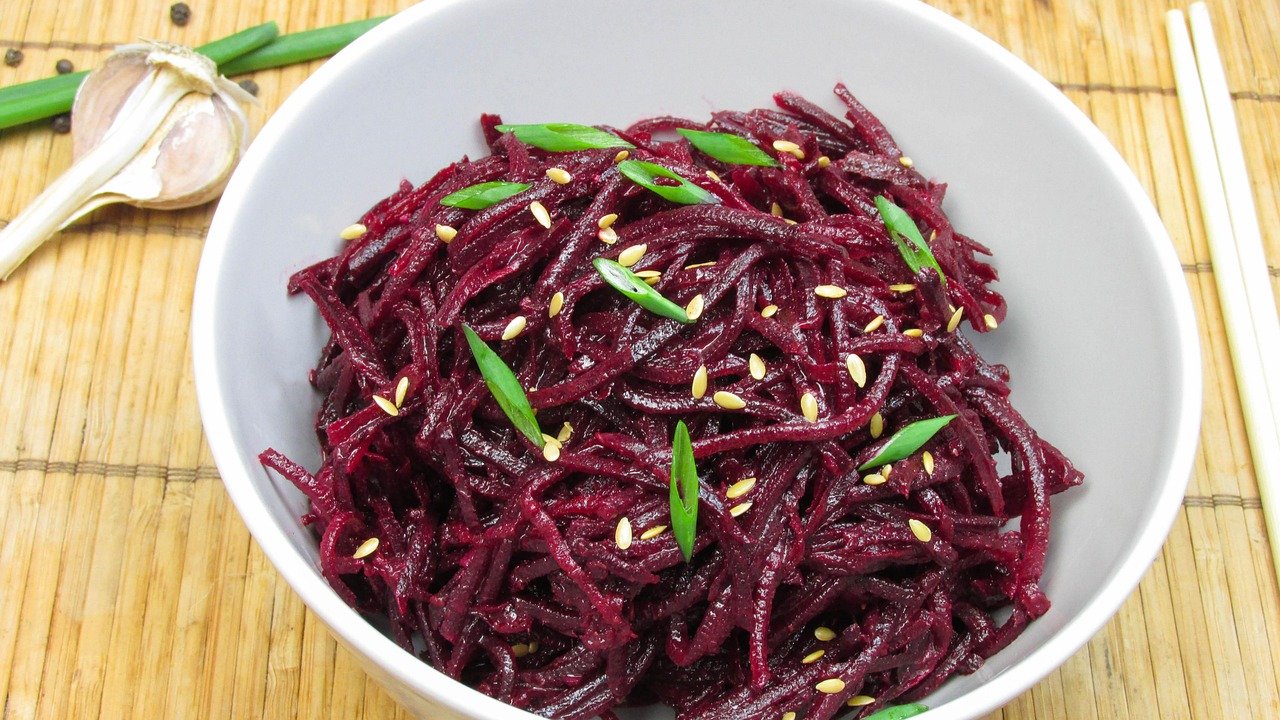
What if the best salad you eat this month is a deep magenta bowl of sweet, earthy beets that you almost walked right past? That is the small miracle of ensalada de remolacha, a dish that looks humble on a menu and then completely wins the table. The problem is not convincing yourself to try it. The problem is finding a good one near you, in a town where “Spanish food” might mean exactly one tapas bar and a grocery aisle of jarred pickles.
This guide is about the search itself: where this salad hides, what separates a great version from a sad one, and how to stop scrolling through map results and actually sit down in front of a plate worth ordering.
Why This Salad Is Harder to Find Than It Should Be
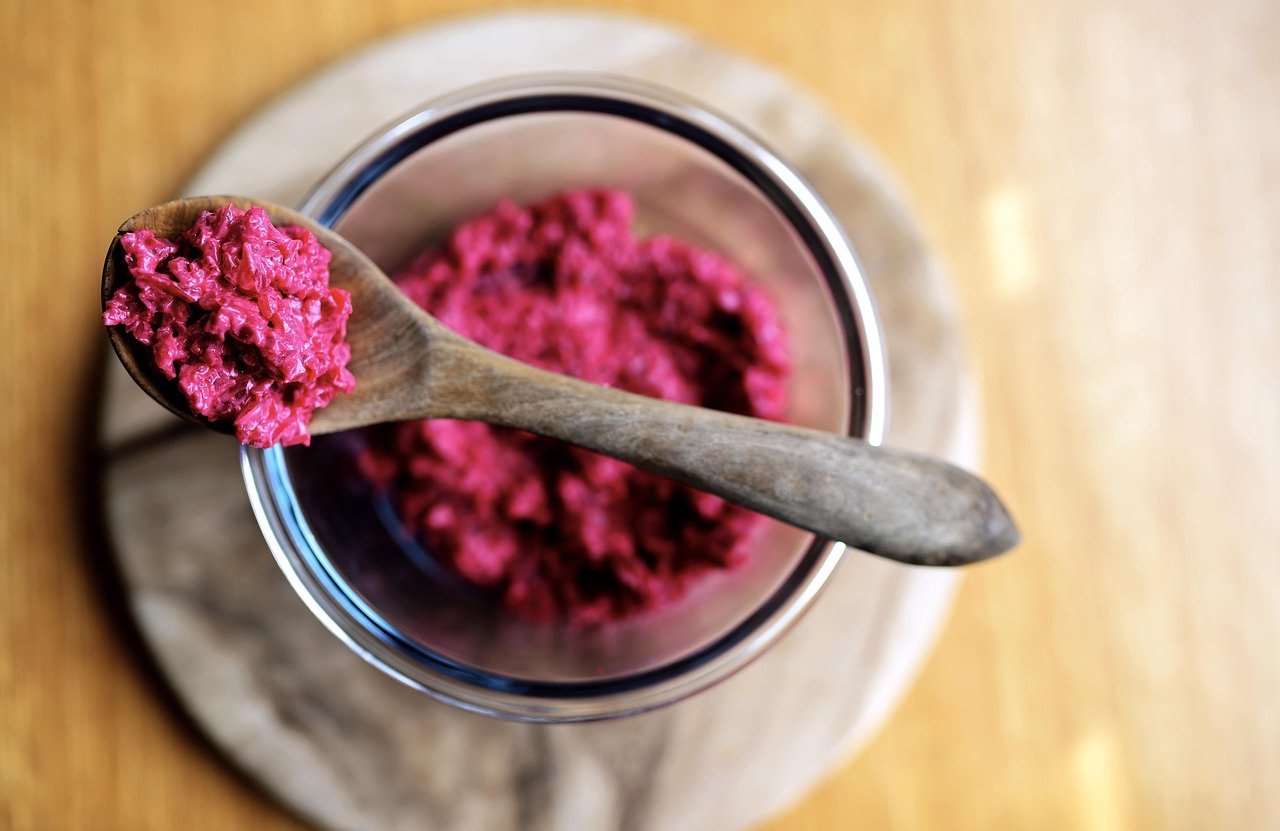
Ensalada de remolacha is not a single fixed recipe. It is a family of salads that shifts the moment you cross a border. In Spain, cooked beets often meet orange segments, thinly sliced onion, olive oil, sherry vinegar, and a scatter of parsley. In Argentina and Uruguay, the plate gets heartier: boiled potato, hard-boiled egg, maybe a spoon of mayonnaise on the side. In the Andean countries it appears as ensalada de betarraga, brightened with lemon instead of vinegar.
That variety is wonderful for eaters and terrible for search engines. A restaurant may list it as “beetroot salad,” “remolacha salad,” “beet and orange salad,” or not list it at all because it sits in a chilled display case next to the potato salad. So the first mental shift is this: you are not looking for one dish name. You are looking for a set of ingredients in a set of places.
Where Ensalada de Remolacha Actually Hides
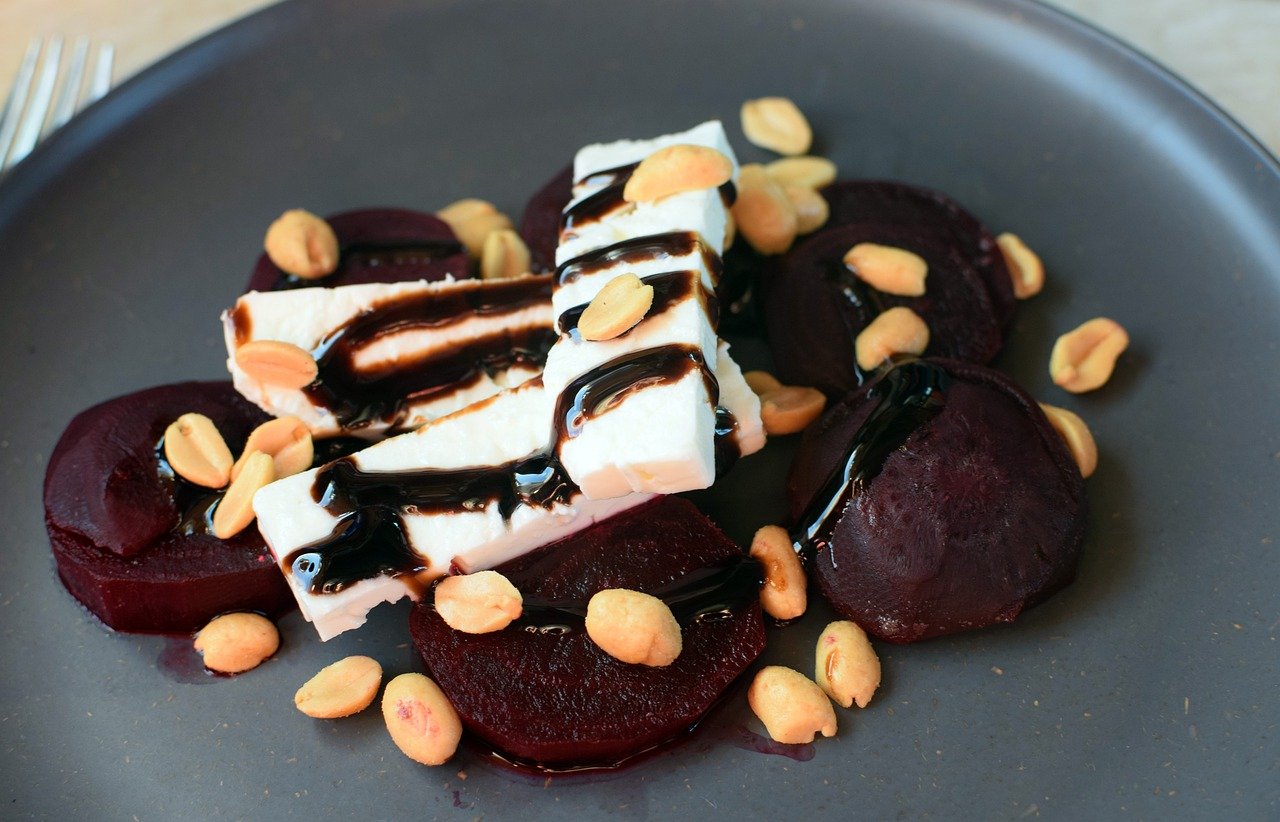
Most people search maps, find nothing called “ensalada de remolacha,” and give up. That is a mistake born from assuming restaurants name dishes the way recipe sites do. Here is where the salad actually turns up.
Spanish and tapas restaurants
Tapas menus rotate constantly, and beet salads appear as seasonal specials far more often than as permanent listings. A tapas bar with a chalkboard or a daily menú del día is a stronger candidate than a polished chain with a laminated menu. Call ahead and ask a simple question: “Do you have any dish with remolacha right now?” It takes ten seconds and saves a wasted trip.
Latin American and Argentine steakhouses
Grilled-meat restaurants often carry beet salad as a cold side, precisely because its acidity cuts through rich food. If a steakhouse has a salad bar or a list of guarniciones, scan it for remolacha, betarraga, or simply “beet.” This is one of the most reliable places to find the potato-and-egg version.
Delis, bakeries, and prepared-food counters
Spanish, Latin, and Eastern European delis frequently sell beet salad by weight from a chilled case. It is rarely advertised online, which is exactly why it stays under the radar. These counters are also the cheapest way to taste several styles in one week and learn what you personally love.
Farmers markets and vegetable stalls
If your goal is to make the salad rather than order it, a market stall selling fresh beets with the greens attached is your best lead. Ask the vendor how they cook them at home. Vendors who grow a vegetable usually have strong opinions about it, and those opinions are free.
How to Search “Near Me” Without Wasting an Evening
Local search rewards specificity. A vague query returns a vague list. A precise one returns places that actually serve what you want.
- Search the dish name plus a neighborhood instead of only “near me.” “Ensalada de remolacha” plus a district name surfaces smaller places that never rank for broad terms.
- Run three separate searches with different spellings. Try remolacha, betarraga, and beetroot salad. Each one hits a different set of menus.
- Read menus as well as reviews. Reviews rave about atmosphere; menus tell you whether the kitchen works with beets at all.
- Check the photo tab. A beet salad is photogenic. If no diner has ever photographed a magenta plate at a restaurant, that restaurant probably does not serve one.
- Filter for recent activity. A menu item from four years ago may be gone. Look for reviews and photos from the last six months.
- Call during off-peak hours. Between lunch and dinner, staff have time to answer whether the salad is on today.
If you are comparing several clinics, salons, or service businesses in one area, the same local-search logic applies, and a guide like laser hair removal near me shows how much detail a good local shortlist should include: hours, specialties, and what to ask before booking. The principle transfers directly to restaurants. Specific beats broad every time.
What a Great Version Tastes Like, and What Goes Wrong
A good ensalada de remolacha is balanced. Sweetness from the beet, sharpness from vinegar or citrus, salt, fat from good olive oil, and something crunchy or creamy for contrast. When those four or five notes line up, the salad tastes far more complex than its short ingredient list suggests.
Here is where kitchens commonly stumble:
- Undercooked beets. A beet that resists the fork ruins the whole bowl. It should slice cleanly with no crunch at the center.
- Too much dressing. Beets bleed color and absorb liquid. An overdressed salad turns into a pink puddle within minutes.
- No acidity. Sweet beets with no vinegar or citrus taste flat and cloying. The acid is not optional.
- Served ice cold. Chilled straight from the fridge, beets lose their aroma. Slightly cool is better than freezing.
- Staining everything else. A kitchen that mixes beets carelessly into a shared salad bowl turns the whole plate purple. Great versions keep components separate until plating.
At the table, judge with your eyes first. The beets should look glossy, not wet. The other ingredients should still be their own colors. If the entire plate is one uniform shade of magenta, something went wrong.
Comparing the Main Styles Side by Side
Knowing the styles helps you pick the right restaurant for your mood. The table below is a practical field guide.
| Style | Typical ingredients | Where you’ll find it | Best for |
|---|---|---|---|
| Spanish | Cooked beets, orange, onion, olive oil, sherry vinegar, parsley | Tapas bars, Spanish restaurants | Bright, light starters |
| Argentine and Uruguayan | Beets, boiled potato, hard-boiled egg, oil and vinegar or mayonnaise | Steakhouses, delis, home tables | A filling side dish |
| Andean (betarraga) | Beets, lemon juice, onion, sometimes carrot | Latin American casual spots, markets | A sharp, fresh bite |
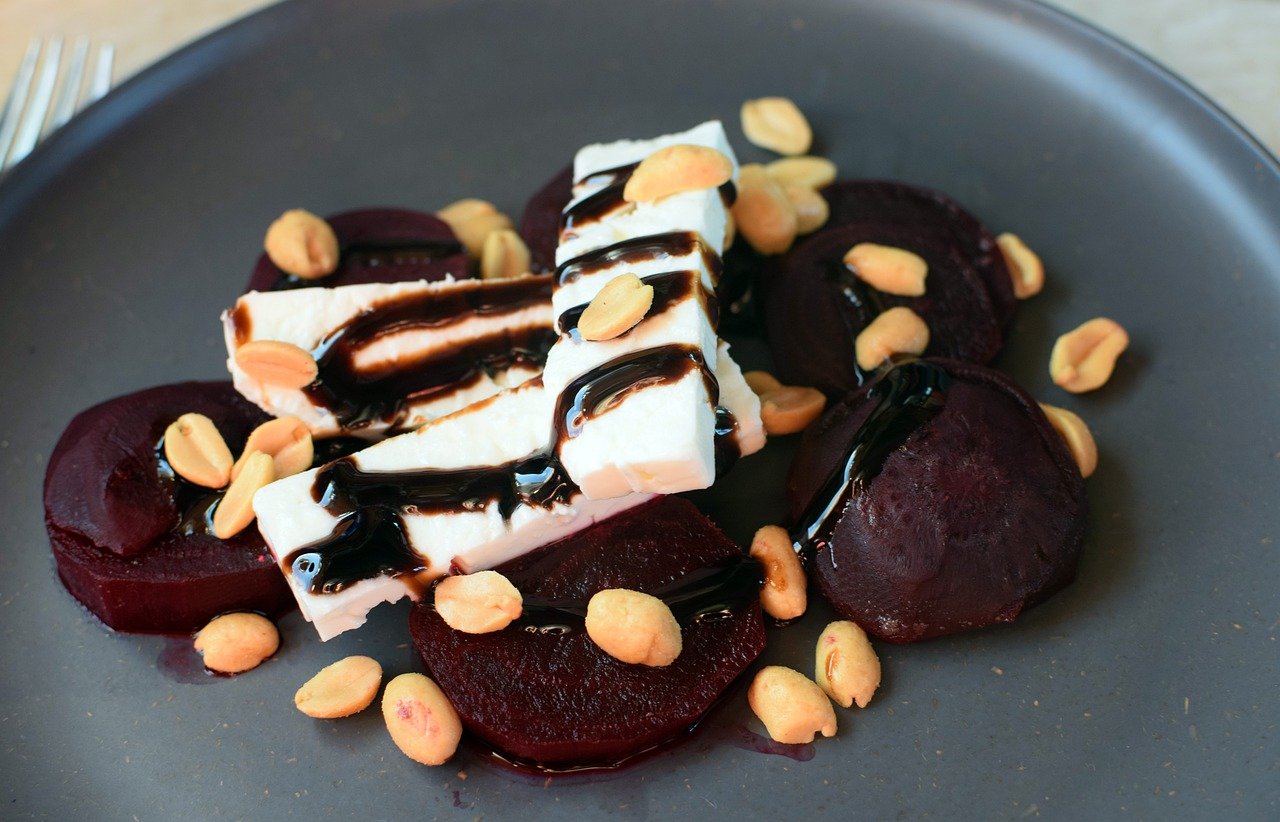
| Modern or fusion | Roasted beets, goat cheese, walnuts, arugula, balsamic | Cafes, brunch spots, gastropubs | A main-course salad |
| Deli counter | Shredded or diced beets, vinegar, oil, garlic | Spanish, Latin, Eastern European delis | Takeaway and picnics |
The modern version is the easiest to find in English-speaking cities, but it is also the furthest from the traditional plate. Neither is better. They simply answer different cravings.
The Practical Case for Ordering It More Often
Beets are a genuinely nutrient-dense vegetable. They are a source of dietary nitrate, folate, fiber, and potassium, and public-health guidance in most countries encourages people to eat more vegetables in exactly this category. That does not make a beet salad a medicine, and no single dish fixes a diet. But as a way to add color and variety to a meal, it is a strong choice, and it happens to taste good.
There is also a practical advantage for anyone eating out with mixed preferences. Ensalada de remolacha is naturally vegetarian, often vegan if you skip egg and mayonnaise, and gluten-free in most traditional preparations. It fits a table where four people have four different restrictions, which is more than most menu items can claim.
One caution worth stating plainly: beets can turn urine and stool pink or red for a day. It is harmless and surprisingly alarming if nobody warned you. Consider this the warning.
Making It at Home When Nothing Nearby Delivers
Sometimes the honest answer to “where can I get this near me” is “nowhere close.” In that case, the salad is genuinely easy to make, and the home version often beats the restaurant one.
- Buy beets of similar size so they cook evenly. Smaller beets are sweeter and more tender.
- Roast rather than boil for deeper flavor. Wrap them in foil and bake until a knife slides in with no resistance.
- Rub off the skins while warm with a paper towel. They slip off easily; wait until cool and you will fight them.
- Dress while slightly warm so the beets absorb the vinegar and oil, then chill briefly before serving.
- Add the contrasting ingredients at the end. Orange, egg, cheese, or nuts go in just before the plate hits the table.
- Wear gloves or accept pink hands. Beet juice stains skin and cutting boards. Lemon juice helps a little; time helps more.
If you enjoy the practical side of food handling, the same care that goes into wooden salad bowls food safety care actually works applies here: wash thoroughly, dry completely, and avoid letting acidic dressings sit on a porous surface for hours.
Reading Reviews Like Someone Who Cooks
Online reviews are noisy, but a few signals reliably separate a kitchen that cares from one that does not.
Look for reviews that mention specific ingredients rather than general praise. “The beet and orange salad was perfectly dressed” tells you far more than “great food, nice vibe.” Look for complaints about consistency, because a kitchen that nails a dish one week and mails it in the next is a gamble. Look for photos taken by diners, especially close-ups of plates. And look for whether the restaurant updates its menu seasonally, since beet dishes are often seasonal by nature.
One more signal: does the menu describe the dish in any detail? A line that mentions orange, vinegar, or cheese suggests someone tasted it before writing it down. A bare “beet salad” with no description suggests it arrived from a supplier in a tub.
A Quick Word on Finding Other Local Favorites
The skills in this guide are not beet-specific. Any local food search improves when you learn the local vocabulary, check recent photos, and call ahead. The same approach that finds a good beet salad will find a good dumpling, a good taco, or a good bowl of noodles. If you want a worked example of narrowing a crowded local food category down to one solid choice, Chinese restaurants near me find good one fast walks through the filtering process step by step.
And if you have a sweet tooth that needs handling after the salad course, there is a whole separate debate about retro desserts worth exploring in angels salad this old fashioned dessert actually. It is a different kind of “salad” entirely, and a fun reminder that the word covers a lot of ground.
Conclusion
Finding the best ensalada de remolacha near you is less about luck and more about knowing where to look. Stop searching for the dish name alone. Search for the ingredients, the cuisines that serve them, and the counters that sell them by weight. Call ahead, check recent photos, and read menus instead of hype. Then judge what arrives on the plate: clean slices, real acidity, good oil, and colors that have not bled into a single purple puddle.
And if the local search comes up empty, roast a few beets, squeeze an orange, and make it yourself. The salad is forgiving, inexpensive, and genuinely hard to ruin if you cook the beets properly. The best version near you might end up being the one in your own kitchen.
Frequently Asked Questions
What is ensalada de remolacha?
It is a beet salad with roots in Spain and Latin America. Spanish versions typically combine cooked beets with orange, onion, olive oil, and vinegar, while Argentine and Uruguayan versions add potato and hard-boiled egg. Andean versions, often called ensalada de betarraga, use lemon juice for acidity.
Why can’t I find it on restaurant menus near me?
Because restaurants rarely use the Spanish name. The same dish may appear as beetroot salad, beet and orange salad, or simply as a cold side. Search multiple spellings, check the photo tab, and call to ask whether beets are on the menu today.
Is ensalada de remolacha healthy?
Beets provide dietary nitrate, folate, fiber, and potassium, and they fit comfortably into vegetable-rich eating patterns. That said, no single salad defines a healthy diet, and dressings or mayonnaise can add significant calories. It is a good choice, not a magic one.
What should I look for in a well-made version?
Cleanly sliced, tender beets; visible acidity from vinegar or citrus; good olive oil; and contrasting textures such as orange, egg, cheese, or nuts. The plate should not be a single uniform color, and it should not be swimming in dressing.
Can I make it ahead of time?
Yes, with one adjustment. Roast and peel the beets a day ahead and dress them lightly, then add delicate ingredients like orange, herbs, and egg just before serving. Beets absorb dressing and bleed color, so keeping components separate until the last moment protects both texture and appearance.
Does eating beets turn your urine red?
It can, and it is harmless. Some people notice pink or red urine or stool after eating beets. It is a well-known effect and not a sign of a problem, though anyone with unexplained color changes should still check with a doctor rather than assume beets are the cause.














