

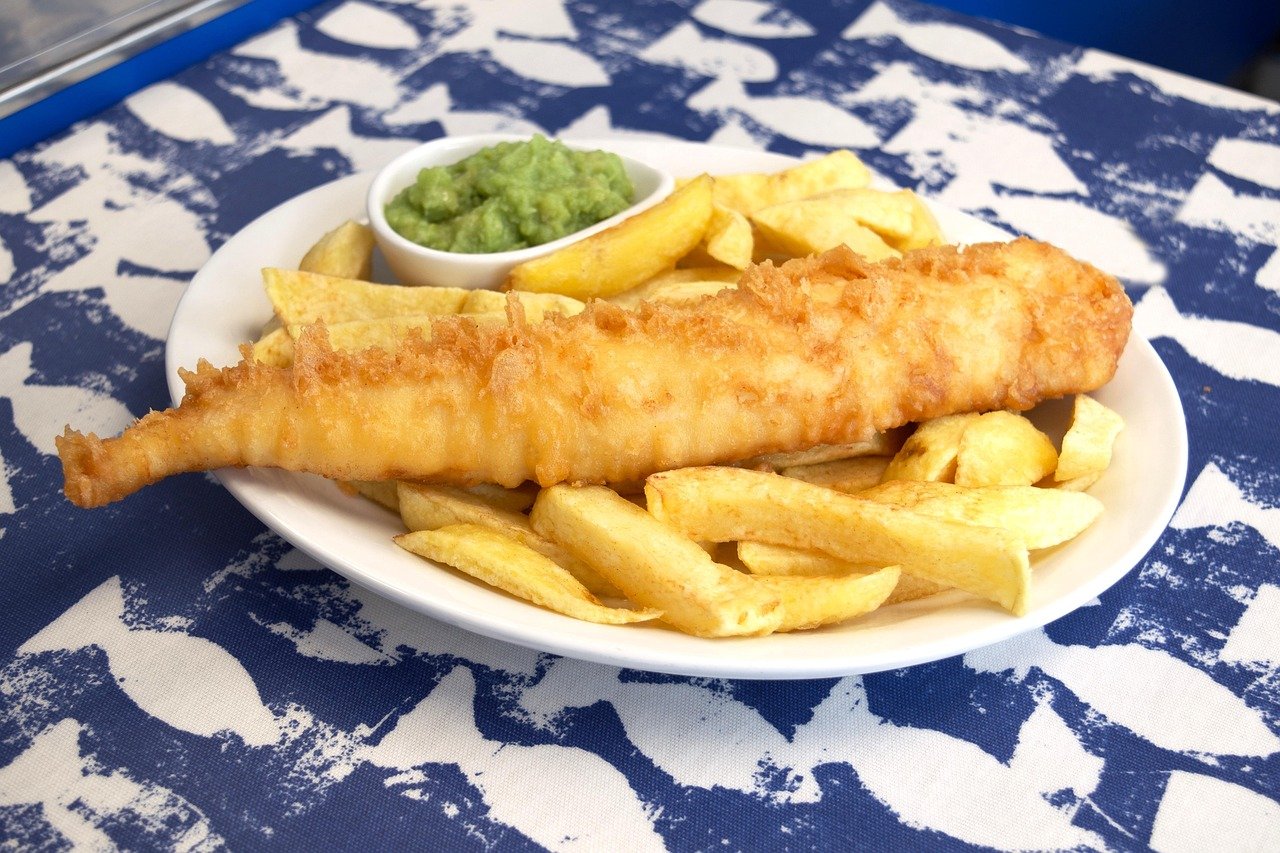
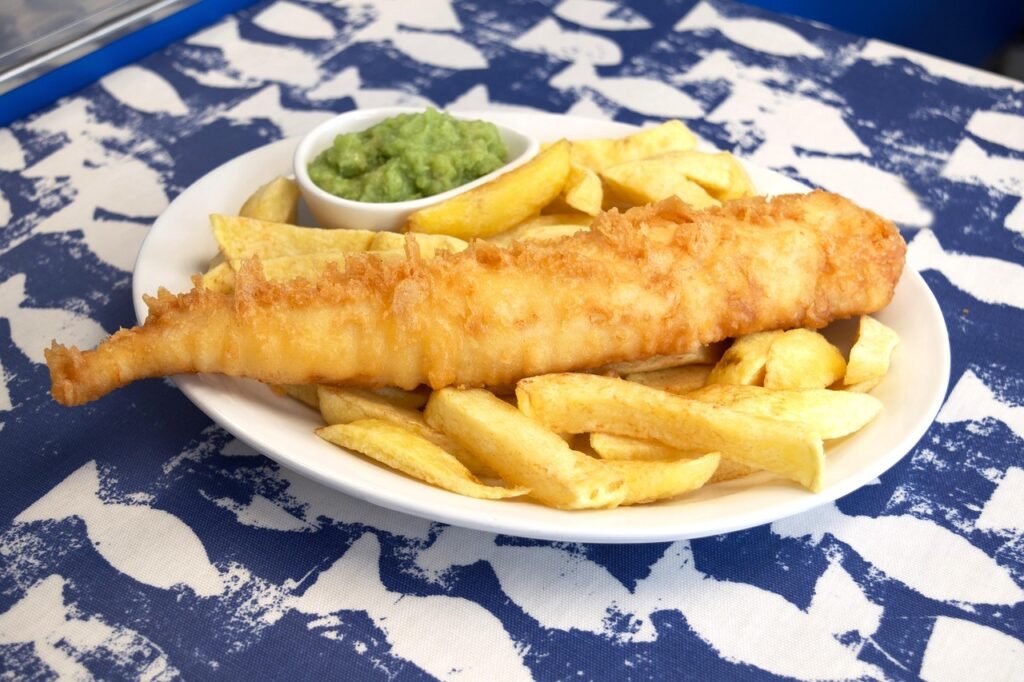
What makes a fish and chip shop worth crossing town for? It is rarely the thing the sign advertises. The best chippies get the boring parts right: batter that stays crisp until you get home, chips fried in clean oil, fish that tastes of fish rather than old fat, and staff who can answer a question about allergens without disappearing into the back. Everything else, the queue, the décor, the awards on the wall, is decoration.
Searching “best fish and chips near me” feels simple. It is not. The results you get depend on your device’s location, the search engine, and the map provider’s business listings, so two people in the same street can see different “best” lists. This guide explains what actually separates a good shop from a bad one, how to read hygiene ratings and review scores without being fooled, and how to judge the food itself in the first thirty seconds.
Why “near me” results differ from person to person
Location-based searches are not neutral. When you type “best fish and chips near me,” the search engine combines your approximate location with its own map listings and ranking signals. A shop two streets away may not appear at all if its listing is out of date. A shop across the city may rank first because it has more reviews, not better food.
That matters because proximity and quality are different questions. A shop 300 metres away is convenient. It is not automatically good. Treat any “near me” list, including the one on your phone, as a starting point for a shortlist rather than a verdict.
A practical fix: search twice. Once with location services on, to see what is genuinely close. Once with a neighbourhood name typed in (“fish and chips [area]”), to catch well-regarded shops whose listings are poorly optimised. Then compare the two lists by hand. It takes two minutes and beats trusting a single ranking.
What a good chippy gets right
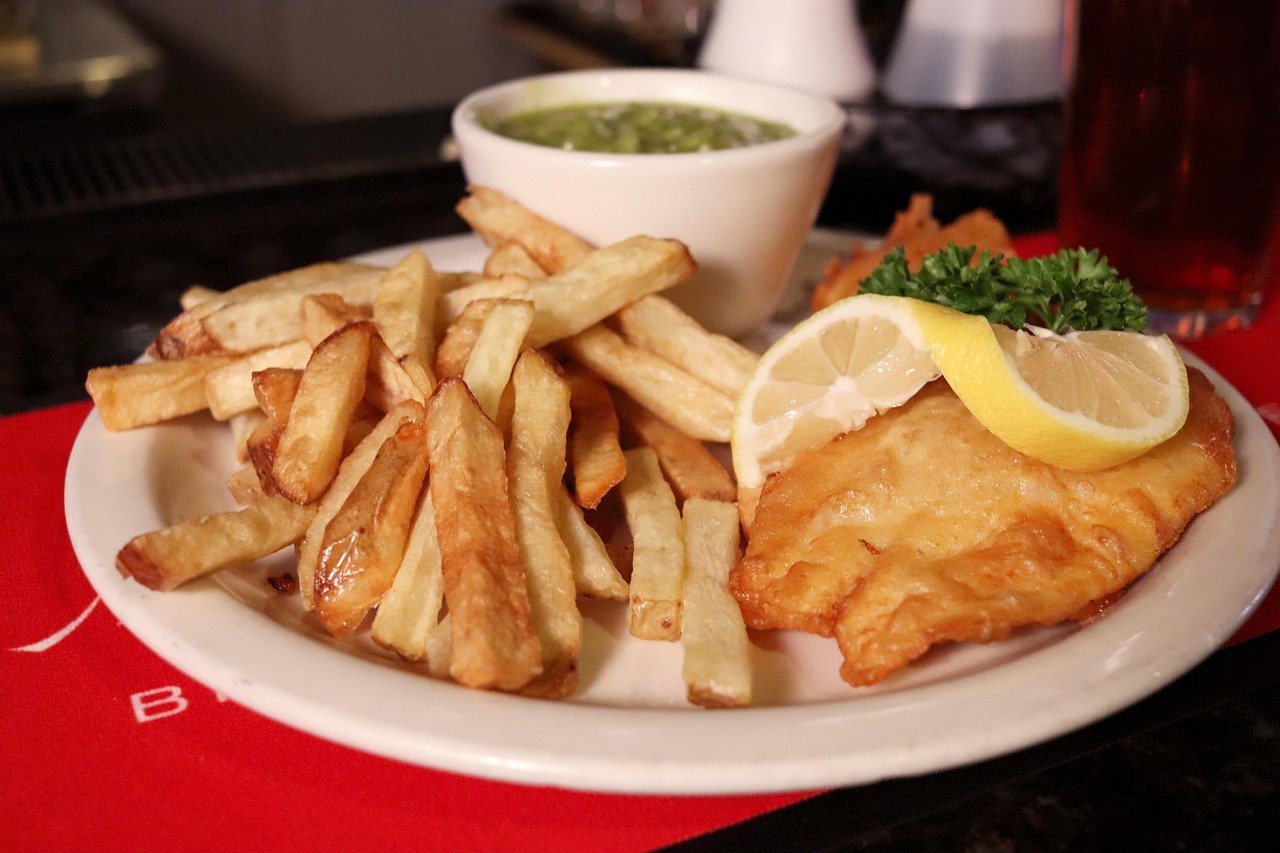
Fish and chips is a simple dish with nowhere to hide. Battered fish, deep-fried chips, salt and vinegar. Because there are so few components, every weakness shows.
The fish should be firm and flake in large pieces, not collapse into mush. Cod and haddock are the standard choices, and haddock in particular has a slightly sweeter, firmer flesh that holds up well in batter; if you want the background on why that fish dominates the counter, this piece on the haddock north atlantic fish behind fish chips covers it well. The batter should be thin enough to crack rather than thick enough to chew, and it should not slide off in one piece when you lift the fish.
The chips are where shops separate. Good chips are thick-cut, cooked through, and crisp at the edges without being greasy. Pale, limp chips usually mean oil that is not hot enough. Very dark chips mean oil that has been used too long. Either way, you can often tell from the colour of the chips in the warmer before you order.
Then there is the oil itself. Fresh oil smells neutral. Old oil smells like a chip shop, which sounds charming until you realise that smell is what your food will taste of. If the shop smells sharp or acrid from the doorway, walk on.
How to read hygiene ratings without misreading them
In the UK, food businesses are inspected and given a food hygiene rating, usually on a 0 to 5 scale. The scheme has operated in England, Wales and Northern Ireland since around 2010; Scotland runs a separate system. The rating is published and free to check.
Here is the part people get wrong. A hygiene rating measures safety compliance, not taste. A five means the shop manages food safety well: clean premises, good record-keeping, safe practices. It says nothing about whether the batter is any good. A zero is a genuine warning sign. A five is a baseline expectation, not a recommendation.
Use ratings as a filter, not a ranking. Rule out anything low, then judge the rest on the food. Do not let a five-star sticker on the window persuade you that the fish is fresh.
Allergens: the question worth asking before you order
Fish is a major allergen, and batter almost always contains wheat flour, which means gluten. Under UK allergen rules, food businesses must provide allergen information for non-prepacked food, which covers everything a chippy serves over the counter. This comes from the EU Food Information for Consumers Regulation (No 1169/2011), carried into UK law after Brexit with later domestic amendments.
In practice, the rules work only if you ask. A good shop will have allergen information written down and staff who know where it is. A shop that shrugs, guesses, or says “there’s no fish in the batter” is telling you something useful about how it runs the kitchen.
Two practical notes. First, chips fried in the same oil as battered fish are a cross-contact risk for anyone with a fish allergy, even though chips contain no fish themselves. Second, some shops now use separate fryers or gluten-free batter on certain days. Ask about the setup as well as the ingredients.
Reviews, awards and the signals that actually mean something
Online review scores are seductive and unreliable. They suffer from selection bias: people who had an unusually good or unusually bad experience are far more likely to post than people who had an ordinary one. They can also be gamed. A 4.8 average across 60 reviews is a weaker signal than a 4.3 across 900, because the larger sample is harder to manipulate and less likely to be dominated by a handful of enthusiasts.
Awards are a better signal, with caveats. The National Fish and Chip Awards, run by Seafish, a UK public body, recognise shops annually across several categories. Being shortlisted is meaningful. But awards reflect a shop on a judged day, and a shop can change hands, change fryers, or change suppliers afterwards.
The strongest signals are duller:
| Signal | What it tells you | How much weight to give it |
|---|---|---|
| Steady local queue at odd hours | Consistent demand, fast turnover, fresher stock | High |
| Hygiene rating of 4 or 5 | Basic safety compliance | Medium, as a filter only |
| Large volume of reviews over several years | Sustained operation, not a flash in the pan | Medium |
| Recent award shortlisting | Judged quality at a point in time | Medium |
| Single glowing review | One person’s experience | Low |
| “Best in town” sign | Marketing | None |
Turnover matters more than any of them. A busy shop sells through its fish and its oil quickly, which is exactly what you want.
Sustainability: what the labels do and do not promise
Cod and haddock stocks vary by fishery and by year, and sustainability guidance shifts with them. The Marine Stewardship Council certifies fisheries against its standard and runs a separate chain-of-custody certification for businesses that handle certified fish. The blue label indicates that chain has been independently checked.
What the label does not tell you is whether the specific shop in front of you sources certified fish. Shops can carry certified product on some lines and not others. If sustainability matters to you, ask directly which fish is certified and where it comes from. A shop that knows its supplier will answer easily. For anyone interested in how fish moves from boat to plate in other contexts, this look at how pirarucu boots amazon fish leather brings footwear into supply chains shows how traceability questions play out beyond the chip shop.
A practical checklist for judging a shop in thirty seconds
You can learn a lot before you order. Run through this in the doorway.
- Smell the air. Neutral oil smells fine. Sharp, bitter or acrid air means old oil.
- Look at the chips in the warmer. Golden and crisp at the edges is good. Pale and limp, or uniformly dark brown, is not.
- Watch the batter on someone else’s order. If it separates from the fish as they lift it, yours will too.
- Check the fryer area. Clean, organised stations suggest a kitchen that cares. Overflowing bins and grey oil do not.
- Ask one allergen question. The speed and confidence of the answer tells you how the place is run.
- Count the customers. A queue at 5pm on a Tuesday is a better endorsement than any plaque.
- Order small the first time. One portion of chips and one fish. Judge before committing to a family order.
The most common mistake people make is ordering a large haul from an untested shop because the reviews looked good. Order small, eat it while it is hot, and decide. The second most common mistake is judging chips that have spent twenty minutes in a bag. Fish and chips deteriorates fast; if you are taking it home, open the bag on the way to let the steam out, and never trap it in a closed box.
Eating in versus taking away
The format changes the food. Eaten in, chips arrive at their best and the batter stays crisp. Taken away, everything steams itself soft in the packaging within ten minutes.
If you are travelling any distance, ask for the fish and the chips to be bagged separately, and ask them not to seal the bag. Some shops will do this without complaint. If a shop refuses, that tells you something about how it thinks about its food.
For a sit-down meal, expect a wider menu and slightly higher prices, and expect the chips to be better. For a quick Friday night, takeaway is fine, but eat it within a few minutes of leaving the shop. This is not snobbery; it is physics.
Matching the shop to the occasion
Not every search has the same goal. A quick lunch near the office, a family Friday, a visitor who wants the full British experience: these want different things.
For a fast lunch, prioritise proximity and turnover. A busy shop at midday will have fresh oil and hot fryers. For a family meal, check portion sizes and whether the shop does smaller portions for children, which many do. For a visitor, the atmosphere matters as much as the food, and a sit-down shop with a proper menu will serve the occasion better than a hatch in a wall.
If your search is really about finding a reliable local option rather than a destination, the same logic that applies to choosing any local service applies here: check the published ratings, read a spread of reviews rather than the top ones, and visit once before you commit. That approach is the same one that works when you are figuring out how to find a good Chinese restaurant near you fast, and the same discipline of checking credentials before booking applies to choosing a laser hair removal clinic near you. Local search rewards verification over enthusiasm.
Conclusion
The best fish and chips near you is probably not the top result on your phone. It is the shop with a queue at an odd hour, chips that look golden rather than pale, oil that smells of nothing much, and staff who can answer an allergen question without blinking. Use hygiene ratings to filter, reviews to shortlist, and your own senses to decide. Order small the first time, eat it hot, and let the food make the case. That is a far more reliable method than any ranking, and it works in every town.
Frequently Asked Questions
What should I look for in a good fish and chip shop?
Look for high turnover, fresh-smelling oil, chips that are golden and crisp at the edges, and batter that stays attached to the fish. A hygiene rating of 4 or 5 is a sensible minimum filter, but it measures safety compliance rather than taste, so do not treat it as a quality ranking.
Are online review scores reliable for choosing a chippy?
Partly. Review scores suffer from selection bias, because people with strong experiences post more often than people with ordinary ones, and they can be gamed. A large volume of reviews collected over several years is a stronger signal than a high average from a small number of reviews.
Does a five-star hygiene rating mean the food is good?
No. The food hygiene rating scheme assesses how well a business manages food safety, including cleanliness and record-keeping. A top rating means the shop meets safety expectations. It says nothing about the quality or taste of the fish and chips.
How do I check for allergens at a fish and chip shop?
Ask staff directly and expect a clear, confident answer. Fish is a major allergen and batter usually contains wheat flour, so gluten is almost always present. UK rules require businesses to provide allergen information for non-prepacked food. Note that chips fried in the same oil as battered fish carry a cross-contact risk.
Is takeaway fish and chips worse than eating in?
It usually is, because steam trapped in packaging softens the batter and chips within minutes. If you are taking food away, ask for the fish and chips to be bagged separately and leave the bag open on the way home. Eat as soon as you can after leaving the shop.
Does the blue sustainability label mean the shop sources certified fish?
Not necessarily. The label certifies that a fishery meets a standard and that the supply chain handling the fish has been independently checked. A shop may carry certified fish on some lines and not others, so ask which fish is certified and where it comes from if this matters to you.














