Cornrows ask a lot of your scalp. The hair is pulled into neat, tight rows, the parts are exposed to sun and dry air, and the lengths are tucked away where they cannot be moisturised the way loose hair can. A good hair oil helps here, but only when it is used the right way. The wrong oil, or too much of it, sits on the scalp, clogs the parts, and leaves a sticky film that attracts lint and dust.
The job of an oil on cornrows is simple: keep the scalp comfortable, reduce dryness and flaking between the parts, and add a light sheen to the braided hair without weighing it down. It is not there to make the hair grow faster, repair split ends, or fix a style that was braided too tightly. What it can do is keep a protective style comfortable for the weeks it is in, and that is worth choosing carefully.
Below are nine hair oils worth considering for cornrows in 2027, from lightweight scalp oils to richer castor-based treatments. Each one is described by what it is good at, what to watch for, and who it suits best, so you can choose with your scalp and your style in mind, not just a bestseller list.
Key takeaways
- Hair oil keeps the scalp comfortable under cornrows and adds shine to the braids, but it does not make hair grow faster or repair damage.
- Lightweight oils suit daily use on the scalp, while thicker oils such as castor oil are better used sparingly, on the parts and the ends.
- Apply oil to the scalp in parts with a dropper or your fingertips, not by pouring it over the whole head.
- Too much oil causes build-up, itching, and lint trapped in the braids, so a few drops per section is usually enough.
- No oil can fix cornrows that were braided too tightly, and a sore, bumpy, or tender scalp needs a break from the style, not more product.
What hair oil actually does for cornrows
Hair oil works on cornrows in two places: the scalp and the braided hair itself. On the scalp, it slows down moisture loss from the exposed skin between the parts. Cornrows leave the scalp more open to dry air than loose hair does, which is why the parts are often the first place to feel tight, dry, or flaky. A thin layer of oil seals in the moisture that is already there and makes the scalp feel less tight.
On the braids, oil adds shine and reduces the dry, dull look that cornrows can develop after a week or two. The key is how little you need. Soaking the rows in oil does not make them look better, it makes them heavy, attracts lint, and shortens the life of the style.
It helps to understand what oil does not do. Oil is not a moisturiser. It does not add water to the hair. If your scalp or hair feels dry, water or a water-based leave-in comes first, and oil goes on top to seal it in. Our guide to what a hair oil is explains this in more detail, because the seal-in step is the whole point, and skipping it is why many people find oil disappointing.
How we chose these oils and what to look for
Look first at the weight of the oil. Cornrows need an oil that can reach the scalp through the parts without sitting in a heavy layer. Lightweight oils such as jojoba, grapeseed, and sweet almond spread easily and absorb well. Richer oils such as Jamaican black castor oil are useful in small amounts, but they are thick and can build up quickly if used every day.
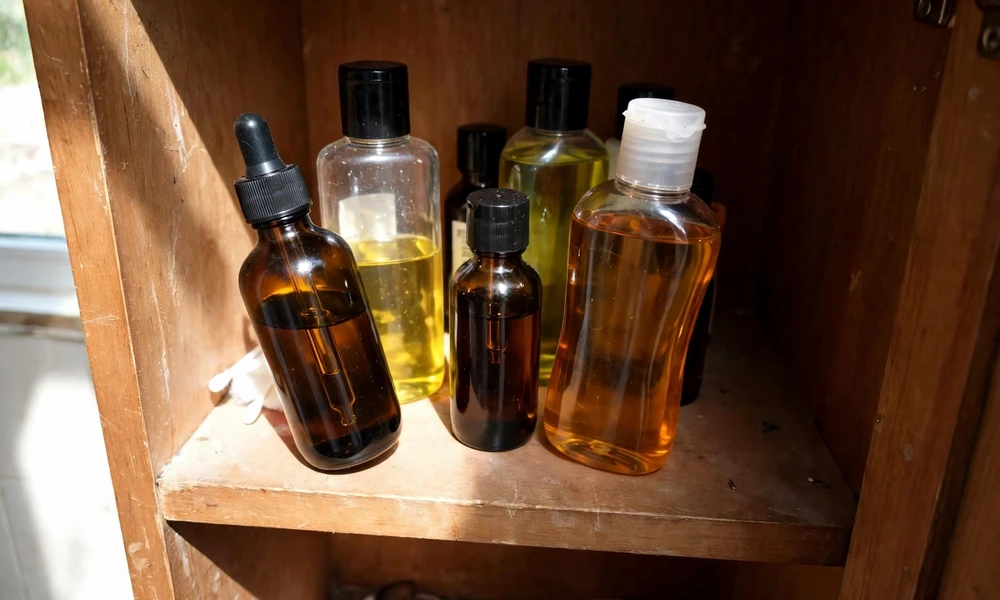
Look next at the applicator. A dropper bottle or a nozzle tip makes it much easier to place oil exactly along the parts, which is where cornrows need it most. A wide-mouth jar or a pump that dispenses a large amount is harder to control and usually leads to over-application. If an oil you like comes in a plain bottle, transfer a small amount to a dropper bottle or apply it with clean fingertips, a few drops at a time.
Finally, look at the scent and the ingredient list. A strong fragrance can be irritating on a scalp that is already under tension, and essential oils such as peppermint or rosemary should be present in small, sensible amounts, not as the main ingredient. If an oil leaves your scalp itchy, red, or sore, stop using it and switch to a plain, fragrance-free option.
The 9 best hair oils for cornrows of 2027
Mielle Organics Rosemary Mint Scalp & Hair Strengthening Oil
What we like: A lightweight blend with rosemary and mint that feels cooling on the scalp, with a nozzle tip that places oil neatly along the parts. What to consider: The mint can tingle, so it may not suit a very sensitive scalp. Best for: Daily scalp care on cornrows. Material: Soybean, castor, and rosemary oils. Price range: Around $10 to $12. Standout feature: The nozzle tip, which makes part-by-part application easy.
This is the easiest oil to use on cornrows day to day. The nozzle puts a thin line of oil exactly where you want it, and the light texture does not weigh the braids down.
Jamaican Mango & Lime Island Oil
What we like: A long-standing, affordable blend that adds shine to braids and softens the hair without a heavy feel. What to consider: It contains mineral oil, so it seals rather than absorbs, and it can build up if used daily. Best for: Adding shine to the braids between washes. Material: Mineral oil, coconut oil, and Jamaican black castor oil. Price range: Around $7 to $10. Standout feature: A reliable shine oil at a low price.
Sunny Isle Jamaican Black Castor Oil
What we like: A thick, pure castor oil that is good for sealing the ends of cornrows and for a weekly scalp massage along the parts. What to consider: Very thick, so it is not a daily oil. It can feel sticky and attract lint if overused. Best for: Weekly sealing of the ends and the hairline. Material: 100% Jamaican black castor oil. Price range: Around $10 to $14. Standout feature: Pure, undiluted castor oil with no added fragrance.
Think of this as a treatment oil, not a daily one. A few drops warmed between the palms, smoothed over the ends and the hairline once a week, is plenty.
Camille Rose Cocoa Nibs & Honey Ultimate Growth Serum
What we like: A rich serum with cocoa and honey that feels nourishing on the scalp and smells warm and gentle. What to consider: Richer than a plain oil, so it suits the scalp and the hairline better than the full length of the braids. Best for: A weekly scalp treatment under cornrows. Material: Cocoa seed butter, honey, and castor oil. Price range: Around $14 to $18. Standout feature: A serum texture that sits between an oil and a butter.
This one suits people who want a more substantial scalp treatment. Use it once a week, massaged into the parts, and keep it away from the lengths if you want the braids to stay light.
Carol’s Daughter Goddess Strength 7 Oil Blend
What we like: A blend of seven oils, including castor and black cumin seed, designed for fragile, breakage-prone hair, with a light, non-greasy feel. What to consider: Premium-priced for the size, and the scent is noticeable. Best for: Fragile hair and tender scalps under cornrows. Material: Castor, black cumin seed, and linseed oils. Price range: Around $16 to $20. Standout feature: A seven-oil blend made for weak, breakage-prone hair.
SheaMoisture Jamaican Black Castor Oil Strengthen & Restore Treatment
What we like: A treatment oil with shea butter and peppermint that feels soothing on the scalp and helps the braids look conditioned. What to consider: Rich and buttery, so it is better as a weekly treatment than a daily oil. Best for: Weekly conditioning of cornrows and the scalp. Material: Jamaican black castor oil, shea butter, and peppermint. Price range: Around $12 to $15. Standout feature: A treatment oil with shea butter for extra softness.
This is a good weekly treatment for cornrows that are starting to look dry. Massage a small amount into the parts, leave it for a few hours or overnight, and wash as usual.
As I Am Jamaican Black Castor Oil Water
What we like: A water-based spray that combines castor oil with water, so it moisturises and seals in one step, which suits cornrows well. What to consider: It is a spray, so it is less precise than a dropper for placing oil along the parts. Best for: Refreshing cornrows between washes. Material: Water, Jamaican black castor oil, and ceramides. Price range: Around $9 to $12. Standout feature: A water-and-oil spray that moisturises and seals at once.
Briogeo Don’t Despair, Repair! Strengthening Treatment Oil
What we like: A light, silicone-free oil with rosehip and algae extract that adds shine without heaviness, and works well on the braids themselves. What to consider: Premium-priced, and the bottle is small, so it is best used sparingly. Best for: Adding shine and softness to the braided hair. Material: Rosehip, sweet almond, and algae oils. Price range: Around $30 to $34. Standout feature: A very light, fast-absorbing oil that never looks greasy.
If you want the braids to look polished without feeling oily, this is the lightest option here. Two or three drops smoothed over the rows is enough for the whole head.
Kérastase Elixir Ultime L’Huile Originale
What we like: A classic luxury hair oil with camellia and argan oils that gives cornrows a smooth, glossy finish and a subtle, pleasant scent. What to consider: The most expensive oil on this list, and it is a finishing oil rather than a scalp treatment. Best for: A finishing shine on cornrows for a special occasion. Material: Camellia, argan, and maize oils. Price range: Around $50 to $55. Standout feature: A glossy, lightweight finish that makes braids look freshly done.
This is a finishing oil, not a daily scalp oil. A drop or two smoothed over the braids before an event gives them a fresh, polished look without build-up.
Which oil suits your scalp and hair type
A dry, flaky scalp under cornrows usually needs a light oil used regularly, not a heavy one used once. Jojoba and grapeseed oils absorb well and rarely cause build-up, which makes them good daily choices.
Thick, coarse, or high-porosity hair holds up well with richer oils. Castor oil and shea-based treatments suit this hair type, because the hair can absorb them without looking greasy. Fine or low-porosity hair is the opposite. It needs the lightest oils, used in the smallest amounts, or the braids will look limp and oily within a day. Our roundup of the best hair oils for braids covers similar ground, and many of the same oils work for both styles, with the same rule: light for fine hair, richer for thick hair.
An oily scalp needs the least oil of all. If your scalp becomes greasy quickly, skip daily oiling and use a light oil only on the lengths, or once a week on the parts. If your scalp is itchy and flaky despite regular oiling, the cause may be build-up or irritation, not dryness, and a gentle wash will help more than another layer of oil.
The caveats that matter
Hair oil is helpful on cornrows, but it is easy to overdo. The most common mistake is using too much, too often. Oil that sits on the scalp traps sweat, dust, and lint, and it can clog the hair follicles along the parts. That leads to itching, bumps, and flaking, which people often try to fix with more oil.
| Detail | What is known |
|---|---|
| Main job of the oil | Seal in moisture, comfort the scalp, and add shine to the braids |
| How much to use | A few drops per section, applied with a dropper or fingertips |
| How often | Light oils 2 to 3 times a week; heavy oils once a week at most |
| What oil does not do | It does not make hair grow faster, repair split ends, or fix tight braids |
| Biggest mistake | Over-oiling, which causes build-up, itching, and lint in the braids |
| Who should be careful | Sensitive scalps, oily scalps, and anyone with bumps or soreness at the hairline |
| When to wash, not oil | If the scalp is itchy, flaky, or sore, wash gently instead of adding more oil |
| When to remove the style | If pain, bumps, or hair loss at the hairline persist, take the cornrows out |
If your scalp is sore, bumpy, or tender at the hairline, the problem is usually tension, not dryness. Cornrows that pull too tightly can damage the hair follicles, and no oil will fix that. Loosen the style, or take it out and give your scalp a rest. If you notice thinning or bald patches at the hairline, speak to a dermatologist or a trichologist before restyling, because repeated tension can cause lasting hair loss.
Checklist: choosing a hair oil for cornrows honestly
Use these checks before you buy, and again after a week of use.
- Check the weight: a light oil for daily use, a heavy oil only once a week.
- Check the applicator: a dropper or nozzle tip gives you control along the parts.
- Check the scent: a strong fragrance or a high dose of essential oils can irritate a tense scalp.
- Start small: a few drops per section, and add more only if the scalp still feels dry.
- Watch for build-up: if the scalp itches or the braids attract lint, wash and use less.
- Listen to your scalp: pain, bumps, or tenderness mean the style is too tight, not that you need more oil.
Frequently asked questions
How often should I oil my scalp with cornrows?
Two to three times a week is enough for most people. A light oil can be used more often if your scalp is very dry, but heavy oils such as castor oil should be kept to once a week. If your scalp is oily, once a week or less is plenty.
Can I use hair oil on cornrows every day?
You can, if the oil is very light and you use only a few drops, but most people do better with two to three times a week. Daily use of a heavy oil almost always leads to build-up, and a protective style should feel light and clean, not coated.
What is the best oil for a dry scalp under cornrows?
A light, fragrance-free oil such as jojoba or sweet almond, applied along the parts after a water-based leave-in or a light mist of water. The water adds the moisture, and the oil seals it in. A heavy oil on a dry scalp often sits on top without helping.
Does hair oil make cornrows last longer?
It can help the braids look fresher for longer by adding shine and reducing dryness, but it does not extend the life of the style on its own. Cleanliness matters more.
Can hair oil cause itching under cornrows?
Yes, if too much is used, or if the oil contains a fragrance or essential oil that irritates your scalp. Build-up is the most common cause. If itching starts after oiling, wash the scalp gently, skip oil for a few days, and restart with a smaller amount of a plain, fragrance-free oil.
Should I oil my cornrows before taking them out?
Yes, a light oiling the night before takedown can help. It softens the braids, reduces friction when you undo them, and makes detangling gentler.
The bottom line
The best hair oil for cornrows in 2027 is not the thickest or the most expensive. It is the one that suits your scalp, that you can apply precisely along the parts, and that keeps the braids looking fresh without build-up. For most people, a light oil used two to three times a week, with a heavier treatment once a week, is the right balance.
Choose one oil, use it sparingly, and judge it on how your scalp feels after a week, not on how shiny the braids look on day one. And if your scalp is sore, bumpy, or tender, the answer is not more oil. It is a looser style, a wash, or a break, and your hairline will thank you for it.