



A twist-out is one of the most forgiving styles in natural hair care, and one of the easiest to get wrong. The twists themselves are simple. What decides whether the finished style comes out defined, soft and full, or frizzy, flat and dry by lunchtime, is what you put on the hair before you twist, and how much of it you use. Oil is the quiet part of that routine.
The right oil does two jobs at once. First, it seals in the water from your leave-in conditioner or styling cream, so the hair stays moisturised while the twists set. Second, it gives your hands slip, so you can separate the twists without pulling, snagging or creating frizz. The wrong oil, or too much of a good one, does the opposite. It weighs the hair down, leaves a greasy film on the scalp, and flattens the volume that makes a twist-out worth doing in the first place. Getting the amount right takes a little practice, but once you know how your hair responds to a particular oil, the whole routine becomes second nature.
Below are nine hair oils worth considering for twist-outs in 2027, from lightweight everyday oils to richer blends for thick, dry hair. Each one is described by what it does well, what to watch for, and who it suits best, so you can choose with your hair type in mind, not just a bestseller list.
Key takeaways
- Hair oil seals in moisture; it does not add water, so always apply it over damp, conditioned hair, never on dry hair alone.
- Lightweight oils suit fine hair and daily use, while heavier oils and butters suit thick, high-porosity hair that dries out quickly.
- Use a few drops per section before twisting, then oil your hands again when you separate the twists to reduce frizz.
- Twist-outs hold best when the twists set fully dry, so give them time, or sit under a hooded dryer on a low setting.
- No oil repairs split ends, regrows hair, or makes a twist-out last longer than your hair type allows, and too much oil flattens volume and attracts dust.
What a twist-out needs from an oil
A twist-out is a two-part style. First you twist damp hair into sections, then you let it dry and take the twists apart to reveal a stretched, defined curl pattern. Oil matters at both stages, but for different reasons. Before twisting, it locks in the moisture from your leave-in and gives the hair a smooth surface to twist around.
Porosity decides how much oil your hair needs. Low-porosity hair has a tightly closed cuticle, so heavy oils sit on top and look greasy. A light oil, used sparingly, is usually enough. High-porosity hair absorbs moisture fast and loses it just as fast, so it often needs a richer oil, or a second light layer once the twists are out.
Texture matters too. Fine hair is easily weighed down, so a heavy castor oil used neat can leave a twist-out limp. Thick, coarse hair can take a richer oil and still keep its volume. If your hands come away shiny, you used too much.
How we chose these oils and what to look for
Look first at the weight of the oil, not the brand name. Lightweight oils such as grapeseed, jojoba and argan absorb quickly and suit fine hair, daily use, and warm weather. Medium oils such as sweet almond and avocado sit in the middle and work for most hair types.
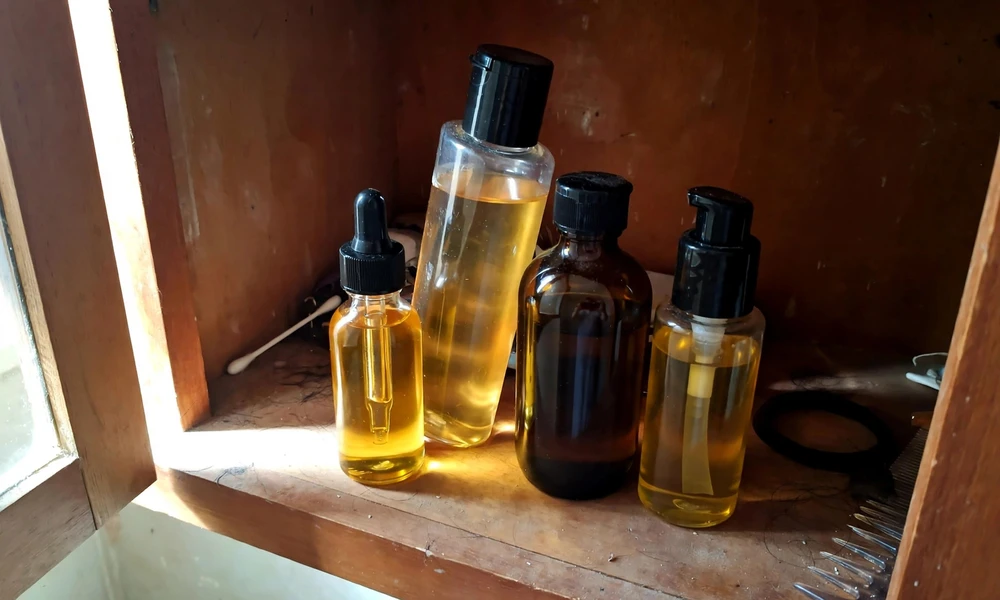
Look next at the ingredient list. A short list built around one or two named oils is usually a better sign than a long list of fragrances and fillers. Rosemary, peppermint and tea tree are common additions for scalp care, but they can irritate sensitive skin, so patch-test any new oil on your inner arm first. If you want to understand the basics before you buy, our guide to what a hair oil actually is explains how oils work on the hair shaft, and why sealing is different from moisturising.
Finally, look at the bottle and the price per use. A dropper bottle gives you control over how much you use, which matters when a few drops per section is the right amount.
The 9 best hair oils for twist-outs of 2027
Mielle Organics Rosemary Mint Scalp & Hair Strengthening Oil
What we like: A light, herbal oil with rosemary and mint that feels fresh on the scalp, absorbs well, and gives twists good slip without weighing them down. What to consider: The mint can tingle and may irritate a sensitive scalp, so patch-test first. Best for: Normal to thick hair, and anyone who wants a scalp-friendly oil for regular twist-outs. Material: Rosemary, mint and soybean oil blend. Price range: Around £10 to £13. Standout feature: A dropper bottle that makes it easy to place a few drops exactly along each part.
Jamaican Mango & Lime Island Oil
What we like: A smooth, medium-weight oil that adds shine and softness without a heavy feel, and works well as a finisher on twist-outs. What to consider: It is best as a sealing and finishing oil, not as a scalp treatment. Best for: Medium to thick hair that needs shine and softness after the twists come out. Material: Mango seed, lime and sweet almond oil blend. Price range: Around £8 to £12. Standout feature: A light tropical scent that does not linger or clash with styling products.
Sunny Isle Jamaican Black Castor Oil
What we like: A thick, rich oil that seals moisture into dry, coarse hair better than almost anything else, and adds real weight to a twist-out that needs hold. What to consider: It is very heavy, so use only a few drops, and warm it between your palms first. Best for: Thick, coarse, high-porosity hair that dries out quickly. Material: Pure Jamaican black castor oil. Price range: Around £9 to £14. Standout feature: One of the richest sealing oils available, so a small bottle lasts a long time.
Camille Rose Cocoa Nibs & Honey Ultimate Growth Serum
What we like: A rich, honey-scented serum that combines oils with cocoa and honey extracts, giving twists a soft, conditioned feel and a pleasant scent. What to consider: It is richer than a plain oil, so use it on the lengths rather than the scalp. Best for: Dry, thick hair that needs extra conditioning before twisting. Material: Cocoa, honey, amla and Jamaican black castor oil blend. Price range: Around £12 to £16. Standout feature: A serum texture that spreads easily through a section without dripping.
Carol’s Daughter Goddess Strength 7 Oil Blend
What we like: A balanced blend of seven oils that feels light on application but seals well, with a soft floral scent. What to consider: The blend includes several oils, so check the list if you have a nut or seed allergy. Best for: Most hair types, including fine hair that needs a light seal. Material: Castor, black cumin seed, flaxseed and four other plant oils. Price range: Around £13 to £18. Standout feature: A versatile blend that works for both the pre-twist seal and the take-down.
SheaMoisture Jamaican Black Castor Oil Strengthen & Restore Treatment
What we like: A thick, nourishing treatment oil with shea butter and peppermint that leaves hair feeling conditioned and strong. What to consider: It is heavy, so it suits the lengths and ends better than the scalp. Best for: Damaged, dry or chemically treated hair that needs extra care before a twist-out. Material: Jamaican black castor oil, shea butter and peppermint. Price range: Around £10 to £14. Standout feature: A treatment oil that doubles as a pre-twist conditioner for very dry hair.
As I Am Jamaican Black Castor Oil Water
What we like: A water-based oil spray that is much lighter than pure castor oil, easy to mist over sections, and good for refreshing a twist-out between wash days. What to consider: It is a spray, so it is less precise than a dropper for placing oil along a part. Best for: Fine to medium hair, and anyone who wants a light refresh without re-twisting. Material: Jamaican black castor oil, water and vitamin E. Price range: Around £8 to £11. Standout feature: A spray format that makes it easy to refresh a twist-out on day two or three.
Briogeo Don’t Despair, Repair! Strengthening Treatment Oil
What we like: A light, fast-absorbing oil with rosehip and argan that leaves hair soft and shiny without residue, and layers well under styling cream. What to consider: Premium price for the size, and it is best for sealing rather than deep treatment. Best for: Fine to medium hair that needs a light, clean-feeling seal. Material: Rosehip, argan and sweet almond oil blend. Price range: Around £24 to £30. Standout feature: One of the lightest oils here, so it suits fine hair that other oils weigh down.
Kérastase Elixir Ultime L’Huile Originale
What we like: A refined, lightweight oil with camellia and argan that adds shine and smoothness, with a subtle floral scent and a polished finish. What to consider: It is the most expensive oil in this guide, and a little goes a long way. Best for: Anyone who wants a luxury finishing oil for a special-occasion twist-out. Material: Camellia, argan and marula oil blend. Price range: Around £28 to £36. Standout feature: A glass bottle with a precise pump that dispenses exactly the right amount.
Which oil suits your hair type
Fine hair needs the lightest touch. Choose a fast-absorbing oil such as grapeseed, jojoba or a light blend, and use only two or three drops per section. If your twist-out goes flat by midday, the oil is probably too heavy, or you are using too much. Try halving the amount before you change the product. Our roundup of the best hair oils for twists covers similar ground, because twists and twist-outs share the same sealing needs, and the lightest oils in that guide work well here too.
Medium hair has the most choice. Most of the oils in this guide work well, so pick by scent, price and how your hair feels the next morning. If your twist-out looks good on day one but dry on day two, add a light refresh with a spray oil, rather than a heavier oil at the start. Thick, coarse hair can take the richest oils, including pure castor oil, but still benefits from warming the oil between your palms first so it spreads evenly.
High-porosity hair, which absorbs water fast and loses it fast, often needs two layers: a light oil before twisting, then a slightly richer oil on the ends once the twists are out. Low-porosity hair needs the opposite approach: less oil, applied to very damp hair, so it can absorb before the cuticle closes. In both cases, the test is simple. Touch your hair an hour after the take-down. If it feels soft and your fingers come away clean, the amount was right.
The caveats that matter
Oil is a sealant, not a moisturiser, and that distinction is the most common mistake in twist-out care. Oil on dry hair does not add moisture. It traps whatever is already there, which is why a twist-out done on dry, unoiled hair stays dry no matter how much oil you add later. Always start with damp, conditioned hair, then seal. Oil also does not repair split ends or regrow hair, and no oil makes a twist-out last longer than your hair type allows.
| Detail | What is known |
|---|---|
| What oil actually does | Seals in moisture and gives hands slip; it does not add water or repair damage |
| When to apply it | On damp, conditioned hair before twisting, then on your hands at take-down |
| How much to use | A few drops per section; if your fingers come away shiny, you used too much |
| Best for fine hair | Light oils such as grapeseed, jojoba, argan or a light blend |
| Best for thick hair | Richer oils such as castor oil, shea butter or a heavy blend, used sparingly |
| Who should patch-test | Anyone with a sensitive scalp, or trying an oil with rosemary, mint or tea tree |
| How long a twist-out lasts | Usually two to four days, refreshed with a light oil and a silk scarf at night |
| What it does not do | It does not repair split ends, regrow hair, or replace a leave-in conditioner |
If you have a scalp condition, such as eczema or psoriasis, or you are using a prescription scalp treatment, check with your clinician or dermatologist before adding a new oil, especially one with essential oils such as rosemary or peppermint. A simple check avoids weeks of irritation, and a plain, fragrance-free oil is usually the safer choice while your scalp is being treated.
Checklist: getting a twist-out right
Use these checks before you twist, and again at take-down.
- Start with damp, conditioned hair, never dry hair, so the oil has moisture to seal in.
- Use a few drops per section, and warm the oil between your palms before you apply it.
- Twist each section evenly, with the same tension, so the curl pattern comes out consistent.
- Let the twists dry fully before you take them down, or sit under a hooded dryer on a low setting.
- Oil your hands before you separate the twists, and pull each twist apart gently, not roughly.
- Protect the style at night with a silk or satin scarf, and refresh with a light oil on day two.
Frequently asked questions
Should I oil my hair before or after twisting?
Before, and again at take-down. Oil the hair while it is damp, before you twist, to seal in moisture. Then put a little oil on your hands when you separate the twists, so your fingers slide through without frizz.
How much oil should I use for a twist-out?
A few drops per section is enough for most hair. Start with less than you think you need, because you can always add more at take-down, but you cannot take oil back out of a twist-out without washing it.
Can I use the same oil for cornrows and twist-outs?
Yes, in most cases. The sealing job is the same, and the lightest oils work for both styles. Our guide to the best hair oils for cornrows uses the same principles, so if an oil works for your cornrows, it will usually work for your twist-outs too.
Why does my twist-out go frizzy when I take it down?
Usually because the twists were not fully dry, or because dry hands pulled the hair apart. Make sure the twists are completely dry, oil your hands first, and separate each twist slowly into two or three pieces.
Can I do a twist-out on dry hair?
You can, but the result is usually drier and less defined. Damp hair stretches more evenly and holds the curl pattern better. If your hair is dry, mist it lightly with water and a leave-in first, then add oil.
How do I keep a twist-out fresh on day two and three?
Sleep with a silk or satin scarf, and refresh in the morning with a light mist of water and a few drops of a light oil smoothed over the surface. Avoid re-wetting the whole head, which can undo the definition.
The bottom line
The best hair oil for a twist-out in 2027 is not the most expensive or the most popular. It is the one that matches your hair type, that you use in the right amount, and that leaves your hair feeling soft without residue. For fine hair, a light oil used sparingly is the right start. For thick, dry hair, a richer oil, used in small amounts and warmed between your palms, is the better choice.
Choose one oil, use it on damp, conditioned hair, let the twists dry fully, and oil your hands before you take them down. That routine, repeated consistently, is what gives a twist-out its definition, its softness, and its volume, without the grease or the frizz that comes from using too much of the wrong oil.


