


What if the single biggest upgrade to your home Italian cooking wasn’t a new pan or a pricier olive oil, but one well-chosen book? That question is worth sitting with, because Italian food is one of the most written-about cuisines on earth, and the gap between a great cookbook and a pretty one is enormous. A good book teaches you why a sauce breaks, how to salt pasta water properly for the shape you’re cooking, or when a ragù actually needs that extra hour. A bad one gives you glossy photos and vague instructions.
This guide walks through the books that have earned lasting respect, explains what each one is genuinely good for, and helps you match a title to the way you actually cook. No hype, no affiliate pressure, just a practical map of the shelf.
Why Italian cookbooks are their own category
Italian cooking isn’t a single tradition. It’s a patchwork of regional kitchens, each with its own pantry logic, its own pasta shapes, and its own stubborn opinions. A book focused on Emilia-Romagna will treat butter and egg pasta as the default. A Sicilian book reaches for sardines, raisins, and pine nuts. A Roman book will fight you about whether carbonara contains cream (it does not).
That regional reality is why the best Italian cookbooks tend to be either deeply regional or rigorously comprehensive. Books that try to flatten everything into one “Italian” voice often end up bland. The strongest titles pick a lane and go deep. The same principle applies across Italian culture more broadly, from the way Italian luxury fashion is organized around specific houses and regions to how a single plateau town like Asiago builds an identity around one cheese. Specificity is the whole game.
The foundational books almost everyone recommends
A few titles come up again and again among cooks, food writers, and Italian home cooks. They’re not trendy, and that’s the point.
Marcella Hazan, Essentials of Classic Italian Cooking
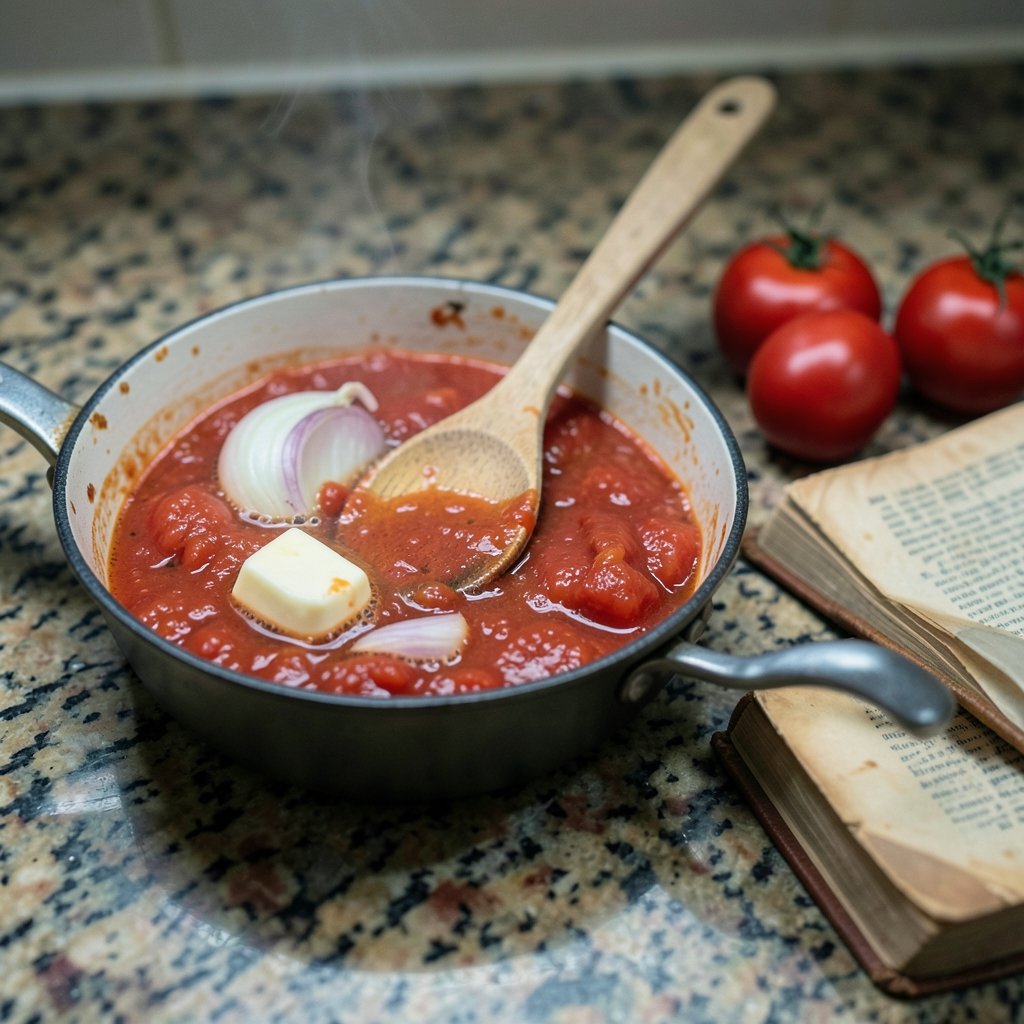
If you buy one book, this is the one most often named. Hazan wrote for American home kitchens but refused to compromise on technique, and her instructions are unusually precise. Her famous tomato sauce with onion and butter is a three-ingredient lesson in restraint. The book is organized by course rather than region, which makes it easy to use on a weeknight.
Pellegrino Artusi, Science in the Kitchen and the Art of Eating Well
First published in 1891, Artusi’s manual is the closest thing Italian home cooking has to a national founding document. It collected recipes from across a country that had only recently unified, and it reads like a chatty uncle explaining dinner. It’s more history than weeknight practicality, but it’s essential context for anyone who wants to understand where modern Italian home cooking came from.
Ada Boni, The Talisman Italian Cookbook
Boni’s book, translated into English in the mid-twentieth century, brought rigorous Italian home cooking to a wide audience and remains a reliable reference for classic preparations. It’s less fashionable than Hazan but deeply solid.
Oretta Zanini De Vita, Encyclopedia of Pasta
This is the specialist’s book. Zanini De Vita catalogued hundreds of pasta shapes with their regional names and histories. It won’t teach you to cook dinner, but it will change how you read a menu and understand why shape matters.
Carol Field, The Italian Baker
Bread and baking are where Italian home cooking gets quietly serious. Field’s book is the standard English-language reference on Italian breads, from rustic loaves to celebratory sweet breads.
Matching the book to the cook
Not every cook needs the same shelf. Here’s a rough comparison of what different titles are best at.
| Book | Best for | Region or scope | Difficulty |
|---|---|---|---|
| Essentials of Classic Italian Cooking | All-purpose reference | National, technique-first | Beginner to intermediate |
| Science in the Kitchen and the Art of Eating Well | History and context | National, historical | Intermediate |
| The Talisman Italian Cookbook | Classic home dishes | National, traditional | Beginner |
| Encyclopedia of Pasta | Pasta deep dives | Regional pasta shapes | Reference only |
| The Italian Baker | Bread and baking | National baking | Intermediate to advanced |
| A regional title (Rome, Sicily, Emilia-Romagna) | Cooking one place properly | Single region | Varies |
The pattern is simple: buy one broad reference first, then add regional depth once you know which food you actually cook most.
What to look for before you buy
Practical experience with cookbooks teaches a few lessons fast, and most of them are about what actually gets used rather than what looks impressive on a shelf.
Check the measurements and the audience. A book written for a British or American audience will convert grams to cups, sometimes badly. Baking in particular punishes loose conversions. If a book gives weight measurements, that’s a good sign.
Read a sample recipe for specificity. Look for temperatures, times, and sensory cues (“cook until the garlic is pale gold, not brown”). Vague instructions like “cook until done” are a warning.
Check whether it names ingredients precisely. A serious Italian cookbook will tell you which cut of beef, which grade of canned tomato, or which type of rice for risotto. Precision signals a tested book.
Look at the binding and layout. A 900-page reference in a tight paperback will fall apart. Books that lie flat are worth the extra money if you cook from them weekly.
Beware the photo-heavy celebrity book. Some are genuinely good. Many are written to sell a lifestyle rather than teach cooking. Flip past the photos and read the method paragraphs.
One common mistake: buying three comprehensive Italian books at once. They overlap heavily, and you’ll use one. Start with one broad reference, cook through a dozen recipes, then identify the gap. That gap is your next purchase.
Another mistake: treating a historical book like a weeknight manual. Artusi is wonderful, but it assumes a level of kitchen knowledge and equipment that most modern cooks don’t have. Read it for context, not for Tuesday dinner.
Regional books and why they matter more than you think
Once you’ve cooked from a broad reference for a few months, the regional books become the real pleasure. Italian cooking is unusually local, and a good regional title reads almost like a travel book with recipes attached.
A Roman book will cover the four classic pasta dishes and explain why guanciale, not pancetta, is the point. A Sicilian book will walk you through the sweet-savory balance that defines the island’s cooking. An Emilia-Romagna book will treat egg pasta and butter as the foundation of everything.
This regional instinct shows up across Italian culture. Naming traditions cluster by region too, which is why guides to Italian names for boys and Italian names for girls tend to organize by area rather than offer one national list. Italy is a set of strong local identities, not a single uniform culture. The same logic that makes a regional cookbook better than a generic one makes a regional name list more useful than a national one.
Building a small, working library
A realistic goal is four to six books, not forty. Here’s a sequence that works for most home cooks.
- Start with one comprehensive reference. Hazan’s Essentials is the safest single choice for most people.
- Add one regional book for the Italian food you cook most, whether that’s pasta, seafood, or baking.
- Add one baking or bread book if you bake at all, because baking rewards a dedicated reference.
- Add one historical or cultural title for context, ideally something you’ll read rather than cook from.
- Stop and cook. Add a fifth or sixth book only when you hit a specific wall.
That last step is the one people skip. A shelf of unread cookbooks teaches nothing. A single stained, bookmarked book teaches a lot.
How to actually cook from an Italian cookbook
A few habits make the difference between owning a book and learning from it.
Cook the same recipe three times before judging it. The first attempt is calibration, the second is adjustment, the third is where you actually learn the dish. This is especially true for doughs and risotti, where feel matters more than timing.
Keep a pencil in the book. Note what you changed and what happened. Over a year, those margin notes become the most useful part of the book.
Weigh your ingredients when the book gives weights. Volume measurements for flour and cheese vary enough to change outcomes.
Respect the salt timing. Italian cooking often salts at specific moments, and pasta water in particular needs to be seasoned like seawater before the pasta goes in, not after.
Don’t substitute carelessly in baking. In savory cooking, swaps are usually fine. In baking, they’re the difference between a loaf and a brick.
Where Italian cookbooks sit in a wider food culture
Italian food writing has always been about more than recipes. It’s about shopping, seasonality, and the social rhythm of the table. That’s why the best books read a little like essays and why the cuisine travels so well into other traditions. The same impulse shows up in other national kitchens: a serious French home-cooking reference, for example, is often bought for the same reason people seek out French country cooking cookbooks, because technique and regional logic matter more than novelty. Italian books reward the same patience. Readers who want a broader sense of how Italian design and craft culture organizes itself around quality and place often find the same themes in coverage of Italian furniture brands: regional pride, materials, and a refusal to rush.
Conclusion
The best Italian cookbook is the one you’ll actually cook from, and that usually means one broad, well-tested reference plus a regional book that matches the food you love. Hazan’s Essentials is the safest starting point for most kitchens, Artusi is the best for context, and the regional and specialist titles are where the real pleasure lives once you’ve built a foundation. Buy fewer books, cook from them more, and let the margins fill with notes. That’s how a cookbook stops being a coffee-table object and starts being a teacher.
Frequently Asked Questions
What is the single best Italian cookbook for a beginner?
Marcella Hazan’s Essentials of Classic Italian Cooking is the most commonly recommended starting point. It’s comprehensive, technique-focused, and written for home kitchens without dumbing anything down. A beginner who cooks a dozen recipes from it will learn more than from three glossy alternatives.
Are older Italian cookbooks still worth buying?
Yes, with a caveat. Historical titles like Artusi’s nineteenth-century manual are valuable for context and for understanding how Italian home cooking developed, but they assume kitchen knowledge and equipment that many modern cooks don’t have. Read them for background and cook from a modern reference.
Do I need regional Italian cookbooks, or is one big book enough?
One comprehensive book covers most weeknight needs. Regional books become worthwhile once you know which Italian food you cook most, because they go far deeper on technique, ingredients, and local logic than a national reference can. Add one regional title rather than several.
How many Italian cookbooks should a home cook own?
Four to six is a realistic working library: one comprehensive reference, one regional book, one baking title, and one cultural or historical book. Beyond that, overlap grows and usage drops. Add a new book only when you hit a specific gap.
What should I check before buying an Italian cookbook?
Look for weight measurements, specific sensory cues in the method, and precise ingredient names. Flip past the photos and read a full recipe. Vague instructions and cup-only baking recipes are warning signs that the book wasn’t rigorously tested.
Is it worth buying a cookbook focused only on pasta?
Yes, if pasta is what you cook most. A dedicated pasta reference covers shapes, regional names, doughs, and sauce pairings in far more depth than a general book, and it changes how you read menus and plan meals. It’s a reference, not a weeknight manual, so pair it with a broader title.











