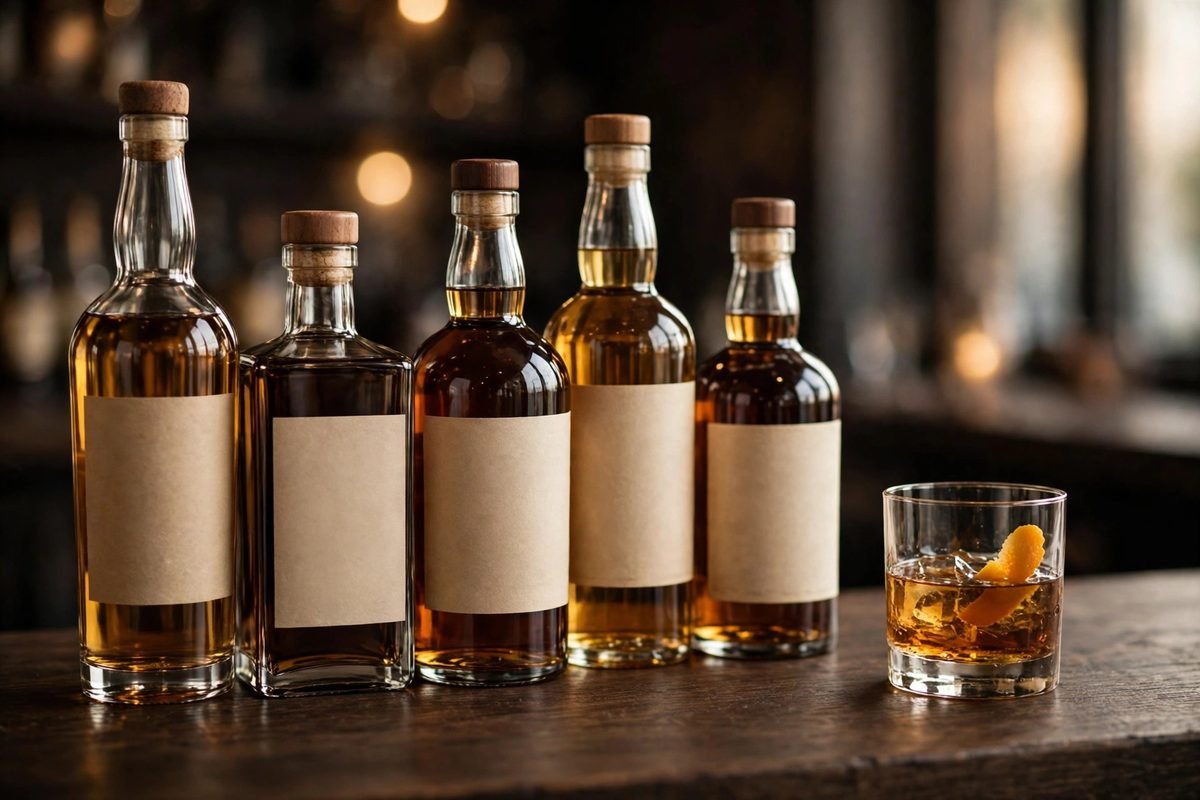

The best Japanese whiskey in 2027 is the bottle that suits the way you drink: a soft, floral single malt for slow sipping, or a smooth, balanced blend for highballs and everyday pours. Japanese whiskey is prized for balance and precision, and the right bottle is the one that matches your taste and the occasion. These ten picks cover every style worth knowing, with guidance on tasting and choosing.
Below you will find a single malt for quiet evenings, a blend for gifting, and bottles that make highballs sing. Every pick is chosen for character rather than rarity, so you can actually find it and enjoy it.
Key takeaways:
- Best overall: a Yamazaki single malt, for its balance of fruit, oak and gentle spice.
- Best blend: Hibiki, for harmony and elegance neat or in a highball.
- Best for beginners: Suntory Toki, a light, easy blend that mixes beautifully.
- Best for gifting: a Nikka single malt, beautifully presented and widely loved.
- Start with the style: single malt for depth, blend for balance, grain for softness.
What makes Japanese whiskey different?
Japanese whiskey follows the Scottish tradition, then refines it. Distillers in Japan prize balance above all: no single flavour should shout, and the finish should be clean. The result tends towards the delicate and precise, with fruit, flowers, honey and soft oak rather than smoke and peat, though some distilleries do make gently peated styles.
Two companies dominate the story. Suntory opened Japan’s first malt distillery at Yamazaki in the 1920s, and Nikka followed with Yoichi and Miyagikyo.
Smaller distilleries such as Chichibu and Mars have since built loyal followings. Together they produce single malts, grain whiskeys and blends, and the best of each is worth knowing by name.
Scarcity is the one frustration: demand has grown far faster than supply, and some bottles are hard to find. This list therefore favours bottles you can realistically buy, judged on what is in the glass rather than on reputation alone.
Japanese whiskey styles at a glance
| Style | What it is | Flavour character | Best for |
|---|---|---|---|
| Single malt | Malt whiskey from a single distillery | Layered, from floral to fruity | Slow sipping |
| Blended | Malt and grain whiskeys combined for balance | Smooth, rounded and harmonious | Everyday pours and highballs |
| Grain | Whiskey made mainly from grains other than barley malt | Soft, sweet and gentle | Easy sipping and cocktails |
| Blended malt | Single malts from different distilleries, blended | Rich and complex, with more malt | Depth without heaviness |
The 10 best Japanese whiskeys in 2027
1. Yamazaki Single Malt — Best Overall
Yamazaki is where Japanese whiskey began, and its single malt remains the benchmark. It is known for a graceful balance of orchard fruit, honey and soft oak, with a gentle spice that builds slowly. Pour it neat, with a splash of water, or over a single large cube, and give it a minute in the glass before your first sip.
Best for: the one bottle that defines Japanese whiskey.
2. Hibiki Blended Whisky — Best Blend
Hibiki is Suntory’s flagship blend of malt and grain whiskeys matured in a range of casks, including Japanese oak. The result is famously harmonious: honey, orange peel and white chocolate, with a long, gentle finish. It is equally at home neat or in a highball, where its sweetness and balance shine.
Best for: gifting and graceful, balanced drinking.
3. Hakushu Single Malt — Best Fresh and Herbal Pick
Hakushu comes from a distillery set in a forest at the foot of the Southern Alps, and its whiskey carries that setting with it. Expect green apple, fresh herbs and a whisper of smoke, with a crisp, clean finish, lighter than Yamazaki. That freshness makes it a natural highball choice, where soda water lifts the herbal notes.
Best for: highballs and warm-weather sipping.
4. Nikka Yoichi Single Malt — Best Peated Pick
Yoichi is Nikka’s coastal distillery, and its single malt is the smokiest on this list. The peat is present but measured: campfire smoke and sea salt around malt, fruit and a touch of spice. Drinkers who enjoy Islay Scotch will feel at home, though Yoichi is gentler than the most heavily peated Scottish malts.
Best for: peat lovers who want smoke with balance.
5. Nikka Miyagikyo Single Malt — Best Soft and Fruity Pick
Miyagikyo is Yoichi’s sister distillery, set in a green valley near Sendai, and its whiskey is the gentler of the two. Expect soft fruit, malt sweetness and floral notes, with a smooth, rounded finish. It is an excellent first single malt, neat or with a little water.
Best for: a gentle first single malt.
6. Suntory Toki — Best for Beginners
Toki is a blend of malt and grain whiskeys from Suntory’s Yamazaki, Hakushu and Chita distilleries, and it is designed to be approachable. It is light and easy, with green apple, honey and white pepper, and a clean finish. Its real strength is in a highball, where it is bright, refreshing and endlessly drinkable.
Best for: first-timers and easy highballs.
7. Nikka From the Barrel — Best Bold Blend
From the Barrel is a blend of malt and grain whiskeys, bottled at a higher strength than most of its stablemates, and it shows. It is rich and full, with spice, dried fruit and oak, and a warmth that lingers. A little water opens it up, softening the spice and revealing the fruit beneath.
Best for: drinkers who want richness and spice.
8. Mars Iwai Tradition — Best Value Blend
Mars is one of Japan’s smaller distillers, and Iwai Tradition is its friendly, approachable blend. It leans on grain whiskey for softness, with malt adding fruit and spice, for a smooth, easy pour with vanilla, pear and gentle oak. Serve it in a highball or over ice.
Best for: everyday drinking without ceremony.
9. Chichibu Single Malt — Best Small-Distillery Pick
Chichibu is a small, craft distillery that has earned an outsized reputation since it began distilling in the late 2000s. Its single malts are expressive, often showing bright fruit, malt and oak in a young, lively style. Every release is limited, so buy a bottle when you see one rather than waiting.
Best for: enthusiasts and collectors of craft whiskey.
10. White Oak Akashi Single Malt — Best Hidden Gem
Akashi comes from the Eigashima distillery, one of Japan’s oldest, and its single malt is a quiet delight. It is light and floral, with notes of citrus, malt and soft oak, and a gentle sweetness that makes it easy to return to. It is less famous than the big names here, and more charming for it.
Best for: discovering a lesser-known distillery.
How to taste Japanese whiskey

Tasting Japanese whiskey is simple, and it repays a little patience. Pour a small measure into a tulip-shaped glass if you have one, or a rocks glass if you do not. Look at the colour against a light background, then swirl gently and take a short sniff, with your mouth slightly open, to catch the aromas without the alcohol overwhelming your nose.
Take a small sip and let it rest on your tongue before swallowing. Notice what arrives first, what follows, and how long the flavour lasts.
A splash of water can open a whiskey up, softening the alcohol and revealing hidden fruit and floral notes. Try it neat first, then with water.
Serve it to suit the moment. Neat is best for a single malt, on the rocks suits a warm evening, and a highball — whiskey with soda water and ice — is the everyday serve in Japan and the best way to enjoy a blend. A good highball should be cold, lightly sparkling and not too strong.
How to choose the right bottle
Start with how you plan to drink it. If you sip slowly and neat, a single malt will reward you.
If you mix highballs or cocktails, a blend will serve you better and cost you less per drink. If you are buying a gift, choose a bottle with a story and a beautiful presentation, such as Hibiki or a Nikka single malt.
Think about flavour before the label. Do you like light and floral, or rich and smoky? Sweetness, or spice and oak?
The style notes above will steer you: Hakushu and Miyagikyo for freshness, Yoichi for smoke, Yamazaki for balance, From the Barrel for richness. If you enjoy bourbon, you may find the sweeter, oak-led Japanese blends familiar, and our guide to the best bourbon is a useful companion read. Our bourbon guide and notes on the best Cabernet Sauvignon will help you place Japanese whiskey in a broader drinking repertoire.
Finally, buy from a shop you trust, and check availability before you set your heart on a bottle. Japanese whiskey sells out, and a good retailer will suggest an alternative in the same style when your first choice is gone.
Before you buy: a quick checklist
- Decide how you will drink it: neat, on the rocks or in a highball.
- Pick a style first: single malt for depth, blend for balance, grain for softness.
- Match the flavour to your taste: floral, fruity, smoky or spicy.
- Set your budget before you browse, and stick to it.
- Check stock with a trusted retailer; popular bottles sell out.
- Store the bottle upright, away from heat and sunlight.
Frequently asked questions
What is the best Japanese whiskey for beginners?
Suntory Toki is the easiest starting point: light, smooth and excellent in a highball. Miyagikyo is the best gentle single malt for a first tasting, with soft fruit and floral notes and no smoke.
Is Japanese whiskey better than Scotch?
Neither is better in any absolute sense; they are different traditions. Japanese whiskey tends to be lighter and more precisely balanced, while Scotch covers a wider range, from light Lowland malts to heavily peated Islay styles. Choose the character you enjoy most.
What is the difference between a single malt and a blend?
A single malt comes from one distillery and is made from malted barley; a blend combines malt and grain whiskeys, often from several distilleries. Single malts tend to be more expressive, while blends aim for smoothness and harmony. Both can be excellent.
How should I drink Japanese whiskey?
Neat is best for a single malt, on the rocks suits a warm evening, and a highball is the classic everyday serve in Japan. Add a splash of water to soften the alcohol and open up the aromas. There is no single correct way.
Why is Japanese whiskey so hard to find?
Demand has grown much faster than supply, and whiskey takes years to mature, so distilleries cannot make more overnight. Popular bottles sell out quickly. If your first choice is unavailable, ask a trusted retailer for a bottle in the same style.
Our verdict
The best Japanese whiskey in 2027 is the bottle that fits the way you drink. Start with a Yamazaki single malt for balance, a Hibiki blend for elegance, or a Toki for easy highballs, and let your taste guide you from there. Every bottle here opens a different door, from the forests of Hakushu to the coast of Yoichi.
Your next step is simple: pick a style that appeals to you, find a bottle, and taste it slowly, neat first and then with a splash of water. Then try it as a highball. By the second glass, you will know what to buy next.
Please drink responsibly. Whiskey is for adults of legal drinking age only.
Enjoy it in moderation, never drink and drive, and take care if you are pregnant or taking medication that interacts with alcohol. For support with drinking, speak to your doctor or a local support service.