


Where do you actually find good Lebkuchen near you when the supermarket shelves are stacked with sad, dry bricks wrapped in shiny foil? That question gets louder every autumn, when German spiced gingerbread starts appearing in shops and the search for something genuinely worth eating begins. The answer is less about a single “best” bakery and more about knowing what separates real Lebkuchen from the mass-market stuff, where it hides in your area, and how to read a label before you spend money.
This guide walks through the practical side: what Lebkuchen actually is, why Nuremberg matters so much, how to spot Elisen-grade quality, where to look locally, and the mistakes that trip up most first-time buyers.
What Lebkuchen Actually Is and Why It Matters
Lebkuchen is a German spiced confection built on honey or sugar syrup, spices like cinnamon, cloves, cardamom, ginger, and anise, and a base of nuts, flour, or both. It sits somewhere between a cookie and a small cake, and its texture ranges from soft and chewy to dense and almost brownie-like, depending on the recipe and whether it is glazed, chocolate-coated, or left natural.
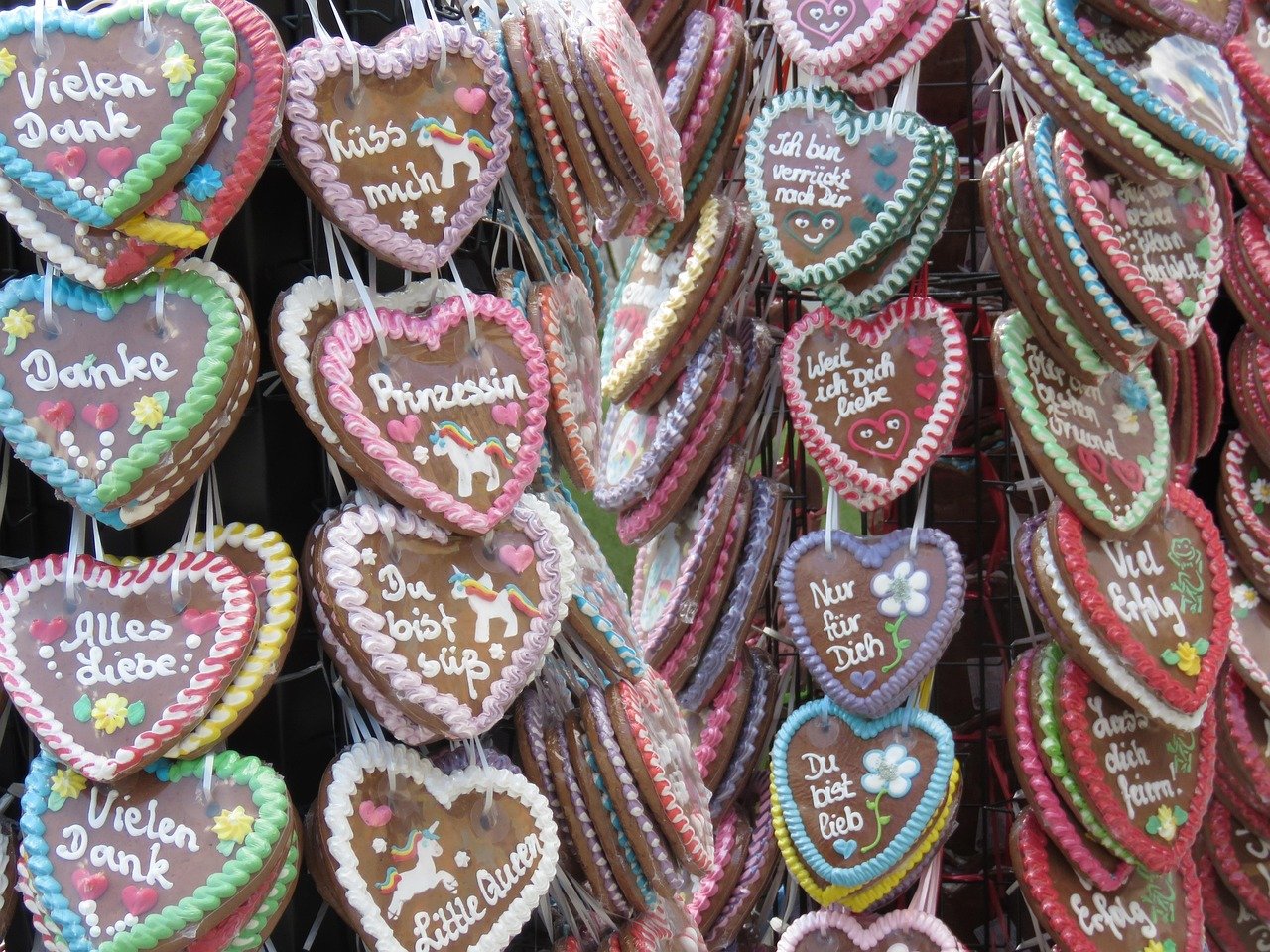
The word covers a family of products rather than one item. You will see round flat cakes, oblong bars, heart-shaped cookies with icing messages, and nut-heavy discs. Some are baked on oblaten, thin edible wafers that keep the dough from spreading and give the base its characteristic papery snap.
Why does this matter for a local search? Because the category is broad enough that two shops selling “Lebkuchen” can be selling completely different things. One might carry imported Nuremberg product made with 30% nuts. Another might carry a soft domestic imitation that is mostly flour and syrup. Knowing the difference is the whole game.
Nuremberg Sets the Standard Buyers Compare Against
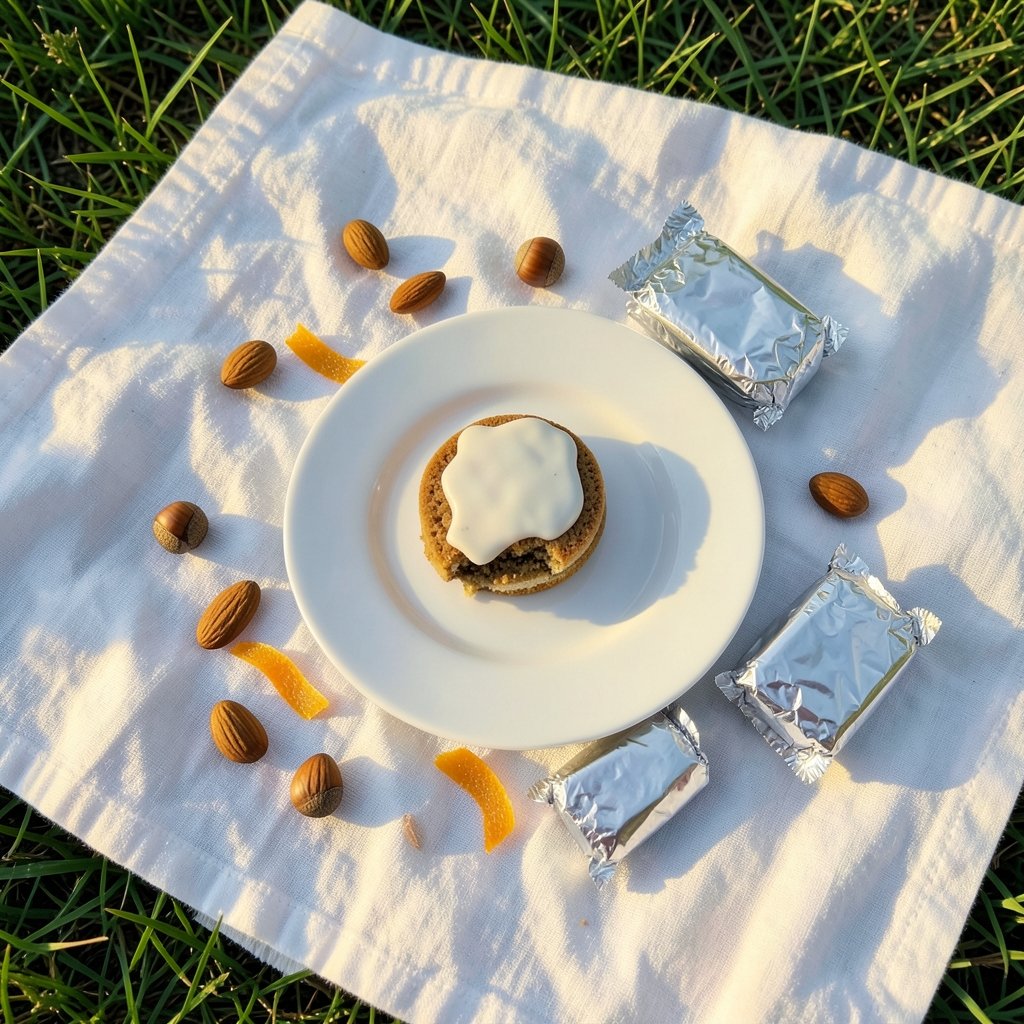
Nuremberg, or Nürnberg, is the reference point for Lebkuchen quality worldwide. The city’s gingerbread tradition is documented back to the medieval period, and Nürnberger Lebkuchen holds protected geographical indication status in the European Union, which means the name is legally reserved for product made within the city’s boundaries.
That protection has regulatory force; it is not merely marketing. It gives a buyer a concrete anchor. If a package claims Nürnberger Lebkuchen, the origin claim is regulated. If it says “Nuremberg-style” or “German gingerbread,” nobody is checking anything.
Practically speaking, this is why so many local searches end up pointing toward shops that import directly from Nuremberg producers. A bakery that carries genuine Nürnberg product has usually made a deliberate sourcing decision, and that decision is a useful signal about how seriously the shop treats its European stock overall.
Elisenlebkuchen: The Quality Grade That Separates the Best From the Rest
If there is one term worth memorizing, it is Elisenlebkuchen. In Germany this is a defined quality grade, not a brand name. To carry the label, the product must meet strict composition rules, most importantly a high nut content (at least 25% almonds and/or hazelnuts) and a very low flour content (no more than 10%).
The effect on the eating experience is dramatic. Elisenlebkuchen tastes like nuts and spice held together by just enough structure, with a moist, almost marzipan-like crumb. Ordinary Lebkuchen tastes like sweetened bread with spice on top.
| Feature | Elisenlebkuchen | Ordinary Lebkuchen |
|---|---|---|
| Nut content | At least 25% almonds and/or hazelnuts | Often low or unspecified |
| Flour content | No more than 10% | Frequently the main ingredient |
| Texture | Moist, dense, marzipan-like | Drier, cakier, sometimes crumbly |
| Typical coating | Thin glaze, chocolate, or natural | Often heavy icing or compound coating |
| Price signal | Higher, justified by nut cost | Lower, driven by flour and syrup |
When people ask where the best Lebkuchen near them is, what they usually mean is where the Elisen-grade product is. That is the practical translation of a vague question into a shoppable one.
Where to Actually Look Locally
The honest answer is that there is no single authoritative directory of Lebkuchen sellers, and availability varies enormously by city. But the search strategy is consistent, and it works in most places.
German and Central European Bakeries
Independent German, Austrian, and Swiss bakeries are the highest-yield stop. Many produce their own Lebkuchen seasonally, and the quality is often excellent because they are working from family recipes rather than industrial formulations. Call ahead. Seasonal production windows are short, and a bakery that makes its own may only do so for a few weeks.
European Delis and Import Shops
Polish, Hungarian, Czech, and general Central European delis frequently stock imported German Lebkuchen, sometimes including genuine Nuremberg brands. This is where careful label reading pays off most, because delis often carry both premium and budget lines side by side.
Christmas Markets
Seasonal markets are the most enjoyable route and the least reliable. Nuremberg’s Christkindlesmarkt opens in late November for the Advent season, and many cities worldwide run German-style markets with imported or locally made Lebkuchen stalls. Quality ranges from excellent to purely decorative. Buy one piece first, taste it, then commit.
Specialty Grocers and Online Importers
Larger specialty food retailers and online German importers fill the gaps, particularly outside major cities. Shipping is the tradeoff, and fragile glazed pieces need decent packaging.
If your local search keeps returning generic results, a broader guide on how to evaluate nearby specialty shops can help you filter faster. The same instincts that apply when you find a good Chinese restaurant near you fast apply here: check whether the shop specializes, read recent reviews for specifics, and avoid anywhere that treats the cuisine as a novelty.
How to Judge Quality Before You Buy
Most buying mistakes happen in the ten seconds before purchase. A short checklist prevents nearly all of them.
- Flip the package and read the nut percentage. If no percentage appears, assume it is low.
- Look for the flour position on the ingredient list. Flour listed first or second means a bread-like product, not an Elisen-grade one.
- Check the coating. Real chocolate is a good sign. Compound coating, often listed with vegetable fat, is a cost-cutting signal.
- Squeeze gently through the packaging if permitted. A slight give suggests moisture. Rock-hard is a warning.
- Check the date. Lebkuchen improves for a few weeks after baking as the spices meld, then declines. Very old stock tastes flat.
- Buy one before buying many. Single-piece purchases are the cheapest quality test available.
One more practical note: natural, unglazed Lebkuchen shows quality most clearly because there is nothing to hide behind. If a shop offers a natural version alongside glazed and chocolate versions, taste the natural one first.
Common Mistakes That Lead to Disappointment
A few patterns come up again and again among people hunting for good Lebkuchen locally.
Confusing decoration with quality. Iced hearts with messages are charming souvenirs, but the icing frequently outweighs the spice. They are a different product category from eating Lebkuchen.
Buying too early in the season. Stock that appears in September may be from the previous year’s production or shipped before the spices have settled. Late October through November is usually the sweet spot.
Assuming German import equals good. Germany produces excellent Lebkuchen and plenty of mediocre Lebkuchen. Origin alone proves nothing. The grade does.
Ignoring texture in favor of appearance. A perfect glossy surface tells you about the glaze, not the crumb. The crumb is what you are eating.
Overbuying on a first visit. Lebkuchen is rich. A large tin of Elisen-grade product is a lot of dense nut confection, and it does not improve indefinitely.
Skipping the local bakery because it is not German. Plenty of non-German bakeries produce excellent spiced gingerbread in the Lebkuchen style. Judge the product, not the sign above the door.
The same discipline applies to any local specialty search. Just as you would not pick a laser clinic on price alone, you should not pick a Lebkuchen supplier on packaging alone. A methodical approach to choosing a laser hair removal clinic near you rewards the same habits: verify specifics, ask direct questions, and distrust anything that cannot answer them. Browsing more guidance on laser hair removal near you reinforces the point that local convenience should never override quality signals.
Storing and Serving What You Find
Lebkuchen keeps well but not forever. Soft, nut-rich varieties stay good for several weeks in a sealed container at cool room temperature. Refrigeration is usually unnecessary and can dry them out. Freezing works for longer storage but affects the glaze.
Serving matters more than most people expect. Lebkuchen is traditionally eaten with coffee or mulled wine, and the bitterness of coffee balances the sweetness well. Slightly warming a piece for a few seconds restores aroma that has faded in storage. Cutting a large disc into wedges makes the density easier to handle.
If you buy a mixed box, taste in order from plainest to richest. Starting with chocolate-coated pieces will mute the spice notes in everything that follows.
What “Best” Really Means for a Local Search
The word “best” is doing a lot of work in this query, and it is worth unpacking. For some buyers, best means the highest nut content and the most authentic Nuremberg origin. For others, it means the closest decent option on a Tuesday afternoon in a city with no German bakery.
Both are legitimate. The practical resolution is to rank your own priorities before you search: origin authenticity, ingredient quality, convenience, or price. Once you know which one leads, the local search becomes much shorter. A shop five minutes away with genuine Elisen-grade stock beats a forty-minute drive to a famous name with a mediocre product.
There is also a seasonal dimension worth accepting. Lebkuchen is not a year-round category in most markets. If you find a supplier you like in December, ask when they restock and whether they ship. Building that relationship is more reliable than starting from scratch each autumn.
Conclusion
Finding the best Lebkuchen near you comes down to knowing what you are looking for before you start looking. Nuremberg sets the benchmark, Elisenlebkuchen defines the quality grade, and the label tells you almost everything you need to know if you read it carefully. Local German bakeries, European delis, and seasonal Christmas markets are the highest-yield places to check, with specialty grocers and importers covering the gaps.
Skip the decorative iced hearts if you want eating quality. Buy one piece before committing to a box. Taste the natural version first. And accept that the very best local option may be a small bakery making a few hundred pieces a year rather than a famous brand on a supermarket shelf. Do that, and the search stops being a gamble.
Frequently Asked Questions
What is the difference between Lebkuchen and Elisenlebkuchen?
Elisenlebkuchen is a legally defined quality grade of Lebkuchen in Germany. It must contain at least 25% almonds and/or hazelnuts and no more than 10% flour, which produces a dense, moist, nut-forward confection. Ordinary Lebkuchen has no such requirement and is often flour-based, giving it a drier, cakier texture.
Why is Nuremberg so important for Lebkuchen?
Nuremberg has a gingerbread tradition documented back to the medieval period, and Nürnberger Lebkuchen holds protected geographical indication status in the European Union. That means the name is legally reserved for product made within the city, giving buyers a regulated origin claim they can trust.
When is Lebkuchen available to buy?
In Germany and German-influenced markets, Lebkuchen typically appears in shops from roughly late September or October through Christmas, with Nuremberg’s Christkindlesmarkt opening in late November for the Advent season. Outside those markets, availability depends on local importers and specialty shops, and some suppliers sell year-round online.
How can I tell if Lebkuchen is good quality before buying?
Read the ingredient list first. Look for a stated nut percentage and check where flour appears in the order. A high nut content with flour far down the list signals quality. Also check the coating type, feel for slight softness through the packaging, and check the date. Buying a single piece to taste is the most reliable test.
Where should I look for Lebkuchen near me?
Start with independent German, Austrian, and Swiss bakeries, then European delis and import shops. Seasonal Christmas markets are worth checking but vary widely in quality. Specialty grocers and online German importers fill gaps, especially outside major cities. Call ahead, since seasonal production windows are short.
Does German-made Lebkuchen always mean better quality?
No. Germany produces both excellent and mediocre Lebkuchen, and origin alone proves nothing about ingredients. The quality grade matters far more than the country of manufacture. A domestic bakery making nut-rich Lebkuchen to a proper recipe can easily outperform an imported flour-based product.














