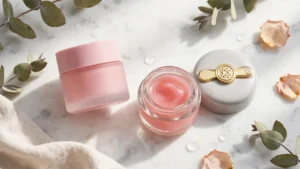

Dry lips and lip colour do not usually get along. Most colour sits on top of dry skin, catches on flakes, and fades into a patchy ring by midday. Lip tints promise something different: a wash of colour that sinks in rather than sitting on the surface. The problem: many tints are designed for staying power, not comfort, and a formula that stains well can also dry lips out further.
That is why this guide puts hydration first and colour second. A tint that looks beautiful for an hour but leaves lips tighter is not a good tint for dry lips, however long the colour lasts. The best options combine a moisture-friendly base with a stain that fades evenly, so colour wears away gracefully instead of peeling off in patches.
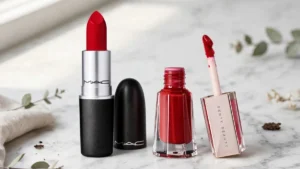
Below are nine lip tints worth considering in 2027, from a classic liquid cheek-and-lip stain to glossy Korean tints and hydrating lip oils. Each is described by what it is good at, what to watch for, and who it suits best.
Key takeaways
- A lip tint stains the top layer of the lips, so colour lasts longer and fades more evenly than a gloss or balm.
- For dry lips, the base matters more than the shade: look for water, gel or oil formulas with glycerin or hyaluronic acid, and avoid high-alcohol formulas.
- Prep first: gently exfoliate flakes, apply a thin layer of balm, let it sink in, then apply the tint in thin layers.
- Thin layers last better than one thick coat, and blotting between layers helps the stain set without drying the lips out.
- No tint replaces lip care, and one that stings, peels or leaves lips tighter after an hour is the wrong formula.
What a lip tint actually does for dry lips
A lip tint is a lightweight colour product that stains the lips rather than coating them. Most are water, gel or oil based, with colour from dyes or pigments in a thin liquid that dries down or sinks in. With little wax or heavy pigment on the surface, there is less to crack, less to gather in lip lines, and less to transfer onto a cup. That is the appeal for dry lips: the colour behaves more like a stain and less like a layer.
What a tint cannot do is moisturise on its own. A water tint can feel cooling and light on application, then leave lips feeling bare once the water evaporates. That is why the formula around the colour matters. Tints with glycerin, hyaluronic acid, squalane or plant oils feel comfortable for longer, leaving something behind after the colour sets. Tints built mainly on alcohol and film formers feel tight, and dry lips should avoid them.
A tint will not hide flakes. It shows them, because colour catches on raised, dry skin and skips smooth areas, which is how patchiness happens. Exfoliation and a thin balm layer are what make a tint look even. Used well, a tint can be the most forgiving colour format for dry lips, because it asks the lips to carry almost nothing. Used on unprepared lips, it can be the least forgiving, because it highlights exactly what you wanted to hide.
How we chose these tints and what to look for
Look first at the base. Water and gel tints are the lightest and most stain-like, for a bare-lip feeling. Oil tints are the most comfortable for dry lips, keeping lips supple while the colour sets. A tinted balm sits between the two: more comfort, less staying power. For dry lips, an oil or gel base is the safer start, and a water tint works best over a thin balm.
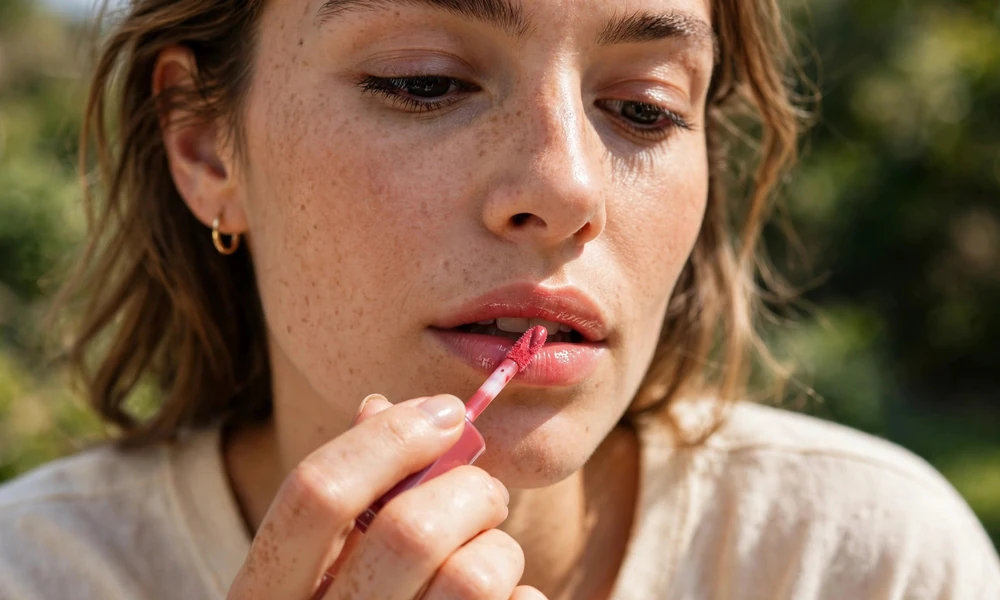
Look next at the ingredients. Glycerin and hyaluronic acid draw moisture in, squalane and jojoba oil seal it, and vitamin E soothes. Fragrance, menthol and denatured alcohol are the usual irritants, worth avoiding if your lips crack easily or sting with flavoured products. A tint need not be fragrance-free to be gentle, but sore or split lips deserve an unfragranced, simple formula.
Finally, look at the shade and the finish. Sheer, buildable shades are more forgiving on dry lips than opaque ones, because a sheer wash does not show unevenness the way full coverage does. Berry, rose and soft red look most natural as they fade, while very pale or very dark shades show wear first. If you are new to tints, start with a rose or berry in a glossy or oil finish, the most forgiving combination of all. Our guide to the best lipsticks of 2027 shows how tints differ from a classic lipstick in wear, comfort and finish.
The 9 best lip tints for dry lips of 2027
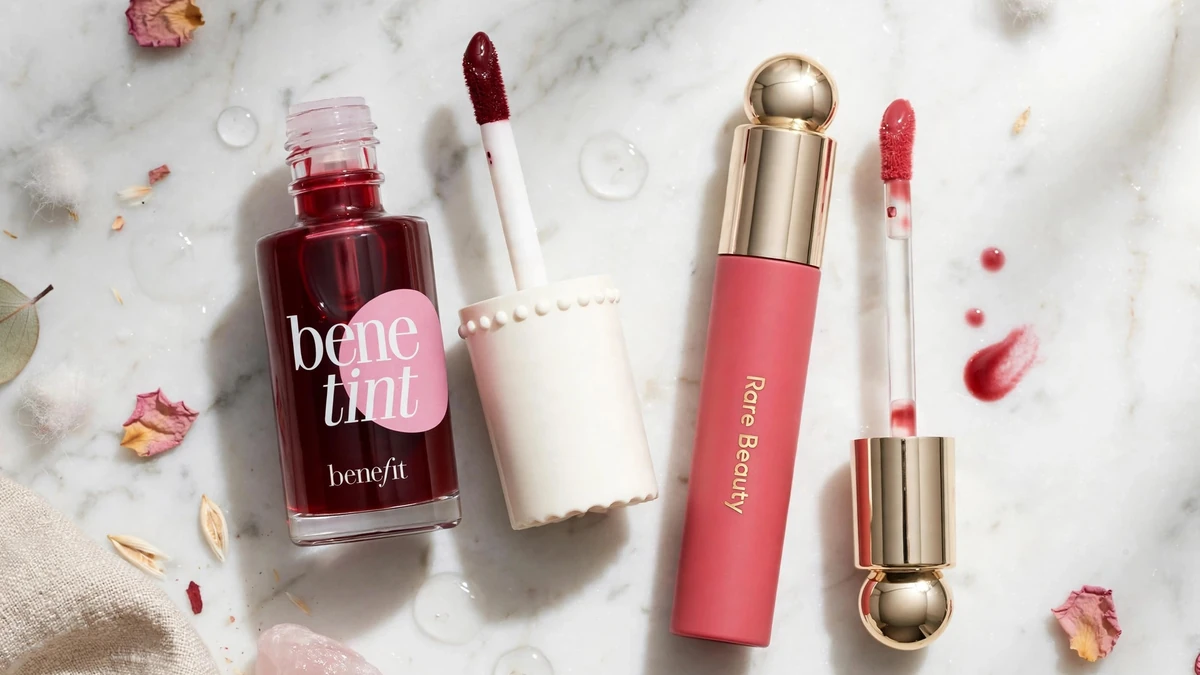
Benefit Benetint
What we like: A classic rose liquid tint for lips and cheeks, sheer, lightweight and buildable, with a long record of even fading.
What to consider: Water-based, so it can feel drying on very dry lips unless layered over balm, and it sets fast, so blend quickly. Key ingredients: Rose tint, glycerin. Best for: A natural, no-makeup flush. Shade: Rose. Price range: Around $24. Standout feature: The original cheek and lip tint, still one of the most natural-looking stains.
A classic, natural-looking rose stain, best over a thin balm.
Rare Beauty Soft Pinch Tinted Lip Oil
What we like: A gel-to-oil tint that feels genuinely comfortable, with jojoba and sunflower oils, a glossy finish, and colour that lasts without drying.
What to consider: More tinted oil than true stain, so the colour fades faster than a water tint, and the gloss finish transfers more easily. Key ingredients: Jojoba seed oil, sunflower seed oil. Best for: Dry lips that want comfort first. Shade: Serenity, a soft mauve. Price range: Around $20. Standout feature: One of the most comfortable tinted lip oils, cushiony and non-sticky.
If tightness has put you off tints, start here: a lip oil with colour, exactly what dry lips need.
Clarins Water Lip Stain
What we like: A feather-light water tint with a bare-lip feeling and natural-looking colour, that layers without building up.
What to consider: Very sheer at first, so it needs two thin layers for visible colour, and offers no moisture on its own. Key ingredients: Aloe vera, raspberry water. Best for: A weightless, barely-there stain. Shade: Rose Water, a soft pink. Price range: Around $30. Standout feature: One of the lightest tints available, with a genuinely invisible feel.
For people who hate feeling product on their lips, layer it over balm and let each layer set.
Rom&nd Juicy Lasting Tint
What we like: A glossy Korean tint with a juicy, syrupy finish, strong colour, and a stain that survives eating and drinking well.
What to consider: The glossy finish means more transfer, and the colour is bolder than a sheer tint, so it needs a steady hand. Key ingredients: Rosehip oil, jojoba oil. Best for: Bold, glossy colour that lasts. Shade: Fig Fig, a warm berry. Price range: Around $12. Standout feature: Excellent value, with a glossy finish that makes dry lips look smoother.
Visible colour without a lipstick, with a glossy finish kind to dry lips and a stain that outlasts the shine.
Etude Dear Darling Water Gel Tint
What we like: A very affordable water-gel tint, light and fruity, with sheer buildable colour and a stain that fades evenly.
What to consider: Sheer and light, so it will not give full coverage, and needs balm underneath on very dry lips. Key ingredients: Fruit extracts, glycerin. Best for: Everyday sheer colour on a budget. Shade: Strawberry Ade, a bright pink. Price range: Around $8. Standout feature: One of the cheapest good tints, fresh and lightweight.
A sensible budget first tint: gentle, sheer, easy to wear, and cheap enough to experiment with shades.
Peripera Ink Mood Glowy Tint
What we like: A glowy, moisturising tint with a soft shine, good colour, and a comfortable, non-tight feel.
What to consider: The glow finish can emphasise flakes on unprepped lips, and the colour is more vivid than it looks in the tube. Key ingredients: Squalane, jojoba oil. Best for: A plump, glossy tint with real colour. Shade: Coral Influencer, a warm coral. Price range: Around $10. Standout feature: A dewy, glassy finish that flatters well-prepped dry lips.
A glossy lip with a tint’s staying power. Prep first, apply thinly, and the glow lasts without matte tightness.
Dior Addict Lip Tint
What we like: A premium tint, comfortable and non-drying, with sheer-to-medium colour and a polished finish for everyday and evening wear.
What to consider: Premium price, and sheerer than a classic liquid lipstick, so it will not give full coverage. Key ingredients: Cherry oil, hyaluronic acid. Best for: A luxury everyday tint. Shade: Natural Berry, a soft berry. Price range: Around $40. Standout feature: A comfortable, skincare-like feel, with colour that looks expensive and understated.
A luxury formula that treats dry lips kindly: not the boldest, but one of the most comfortable to wear all day.
Fenty Beauty Poutsicle Hydrating Lip Stain
What we like: A hydrating lip stain, lightweight and non-sticky, with squalane and vitamin E, and colour that stays put without drying.
What to consider: Sheer to medium, so very dark shades need two layers, and it fades faster on the inner lip. Key ingredients: Squalane, vitamin E. Best for: A comfortable, everyday stain. Shade: Mai Type, a soft mauve. Price range: Around $24. Standout feature: A stain that genuinely feels hydrating, with a wide shade range.
Between a water tint and a lip oil: comfortable for dry lips, with enough staying power for a morning without reapplying.
ColourPop Just a Tint Lippie Tint
What we like: A very affordable tinted lip balm hybrid, soft and cushiony, with sheer colour and a lip-care feel.
What to consider: More balm than stain, so the colour is sheer and short-lived, and needs reapplying after eating. Key ingredients: Shea butter, jojoba oil. Best for: The most comfortable, low-effort tint. Shade: Cherry Pick, a soft cherry. Price range: Around $8. Standout feature: The gentlest, most forgiving tint here, and the easiest to apply without a mirror.
The safest pick for the driest lips: closer to a tinted balm than a true stain, and all the better for it.
Which lip tint is right for your dry lips
If your lips are very dry and flaky, start with an oil tint or tinted balm hybrid, such as Rare Beauty’s tinted lip oil or ColourPop’s lippie tint. These add moisture as they add colour, and are the most forgiving on imperfect lips. A water tint can work too, but only over a balm and only in thin layers, because a water base on bare, dry lips highlights every flake.
If your lips are mildly dry and you want lasting colour, a gel or glossy tint is a good middle ground. The Rom&nd and Peripera tints give strong colour with a glossy finish that makes lips look smoother, and the stain keeps colour going after the shine fades. Apply one thin layer, let it set, blot gently, and add a second layer only where needed.
Shade matters as much as formula. Sheer rose, berry and mauve are the most forgiving on dry lips, fading evenly without drawing attention to unevenness. Very pale shades can look chalky, and very dark shades show wear first at the inner lip. If unsure, choose a shade one step deeper than your natural lip colour, which looks intentional as it fades. A good hydrating lip balm underneath is the most useful companion to any tint, smoothing the surface it sits on and keeping lips comfortable all day.
The caveats that matter
Lip tints are generally gentle, but not all the same. High-alcohol water tints can dry lips further, and a tint that stings on application is a sign to stop, not to push through. Tints also stain, so a shade that looks wrong will not wipe off easily: test a new tint at home before wearing it out. If your lips are cracked, bleeding or very sore, skip colour until they heal, and use a plain balm instead.
| Detail | What is known |
|---|---|
| Best base for dry lips | Oil or gel formulas with glycerin, hyaluronic acid or squalane |
| What to avoid | High-alcohol water tints, menthol and strong fragrance on sore lips |
| How to prep | Exfoliate flakes, apply a thin balm, let it sink in before the tint |
| How to apply | Thin layers, let each set, blot between layers, build colour slowly |
| Most forgiving shades | Sheer rose, berry and mauve, which fade evenly |
| How long colour lasts | A stain lasts hours; a tinted oil or balm fades faster and needs reapplying |
| Who should skip tints for now | Cracked, bleeding or sore lips; use a plain balm until they heal |
| What a tint does not do | It does not moisturise, hide flakes, or replace lip care |
If you have a lip condition, a history of allergic reactions to lip products, or you use a prescription lip treatment, check with your clinician or dermatologist before trying a new tint, especially a strongly fragranced or heavily pigmented one. Lip skin is thin, and a product fine for most people can be a problem when the barrier is already damaged.
Checklist: choosing a lip tint for dry lips honestly
Use these checks before you buy, and again after a full day of wear.
- Check the base: oil or gel with glycerin, hyaluronic acid or squalane, not a high-alcohol water tint.
- Check the finish: sheer and glossy is more forgiving than opaque and matte.
- Prep first: exfoliate flakes, apply a thin balm, and let it sink in before the tint.
- Apply thinly: one thin layer, let it set, blot, then a second layer only where needed.
- Test the wear: if lips feel tighter after an hour, the formula is wrong for you, however good the colour.
- Remove gently: use a balm or oil cleanser to take off the stain, then reapply balm, rather than scrubbing.
Frequently asked questions
Do lip tints dry out lips?
Some do. High-alcohol water tints can dry lips out, while oil and gel tints with glycerin, hyaluronic acid or squalane feel comfortable. If a tint leaves lips tighter after an hour, switch to an oil-based tint or layer it over a balm.
Can I wear a lip tint over lip balm?
Yes, and for dry lips it is the best way. Apply a thin balm layer, wait a minute, blot off excess, then apply the tint in thin layers. A thick balm layer can stop a water tint from staining, so keep it thin.
How do I stop a lip tint from looking patchy?
Prep is the answer. Exfoliate flakes, apply a thin balm, then apply the tint in thin layers, letting each set. Sheer shades are more forgiving than opaque ones, and blotting between layers helps the stain set evenly.
How long does a lip tint last?
A true stain lasts hours and survives drinking, fading first on the inner lip. A tinted oil or balm fades faster and needs reapplying after eating. Glossy tints sit in between: the shine fades first, and the stain underneath keeps going.
Are lip tints safe for sensitive lips?
Often yes, with a simple, unfragranced formula and a patch test first. Avoid menthol, strong fragrance and high-alcohol formulas if your lips crack easily or sting with flavoured products. If your lips are cracked or sore, skip colour until they heal. A winter routine, such as our best winter skincare routine, can help protect lips through the coldest months.
What is the difference between a lip tint and a lip stain?
They are closely related, and the terms overlap. A tint is usually sheerer and lighter, often in a gel or oil base, while a stain is stronger and longer-lasting. For dry lips, a tint is generally kinder, carrying less pigment and more moisture-friendly ingredients than a full-strength stain.
The bottom line
The best lip tint for dry lips in 2027 is not the longest-lasting or the boldest. It is the one with a comfortable, moisture-friendly base, a sheer forgiving shade, and a stain that fades evenly instead of peeling off. For very dry lips, an oil tint or tinted balm hybrid is the safest start. For mildly dry lips that want lasting colour, a glossy gel tint over a thin balm is a strong choice.
Prep your lips, apply in thin layers, and judge a tint on how your lips feel after a full day, not how it looks in five minutes. That is the honest way to get lasting colour without the tightness that makes people give up on tints.