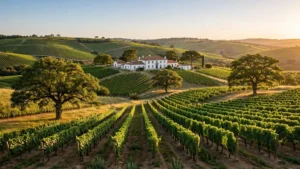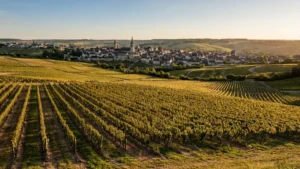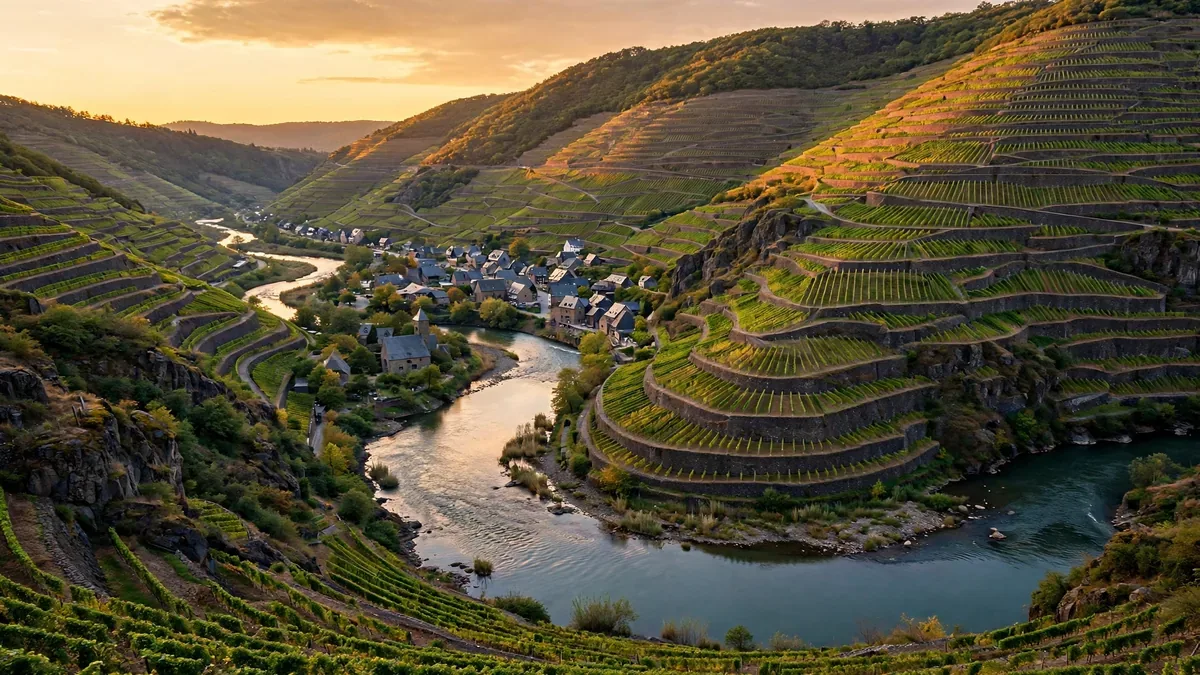

The Best Luxury Ahr Brands prove that Germany’s smallest wine region can produce some of the most refined red wines in Europe. Tucked into a narrow, steep-sided valley in Rhineland-Palatinate, the Ahr covers only around 540 hectares of vines, yet its slate terraces and cool climate give Spätburgunder a precision and elegance that collectors now compare with the great Pinot Noirs of Burgundy. For wine lovers who value rarity, craft and a sense of place, this little valley delivers far more than its size suggests.
What makes the Ahr special is not scale but focus. Nearly two thirds of the region is planted to Spätburgunder, and the best estates farm tiny parcels on slopes so steep that much of the work is still done by hand. The grey slate and volcanic soils hold the day’s warmth and release it at night, ripening the grapes slowly and building wines with fine tannins, bright acidity and aromas of cherry, rose and spice.
This guide brings together the ten estates that define luxury in the Ahr today, from historic VDP members to a young winemaker reshaping the region’s style. Each brand is judged on the quality of its wines, the character of its vineyards, the experience it offers visitors and the consistency of its finest bottles. These are the names to know first.
Key takeaways
- Spätburgunder is the star of the Ahr, accounting for roughly two thirds of plantings and setting the region’s luxury standard.
- The best estates farm steep slate terraces by hand, producing small quantities of precise, age-worthy Pinot Noir.
- VDP members such as Meyer-Näkel, Jean Stodden and Adeneuer lead the region, with single-vineyard wines from famous sites such as the Dernauer Pfarrwingert.
- Expect to pay from around €25 for an estate Spätburgunder and €60 to €120 or more for a top single-vineyard bottle.
- Most luxury estates welcome visitors by appointment, and the valley has rebuilt strongly since the 2021 flood, with tasting rooms, hotels and restaurants open again.

The Best Luxury Ahr Brands at a Glance
The table below gives a quick comparison of the ten brands in this guide, including their home village, signature wine and the style that sets each one apart. Use it to shortlist estates before reading the full profiles, and to match a producer to the kind of bottle or visit you have in mind.
| Brand | Village | Signature Wine | Style | Price From |
|---|---|---|---|---|
| Meyer-Näkel | Dernau | Spätburgunder Dernauer Pfarrwingert | Silky, mineral, age-worthy | €35 |
| Jean Stodden | Rech | Spätburgunder Rechener Herrenberg | Structured, dark-fruited, classic | €30 |
| Weingut Adeneuer | Ahrweiler | Spätburgunder Ahrweiler Rosenthal | Elegant, spicy, fine-boned | €32 |
| Weingut Deutzerhof | Mayschoss | Spätburgunder Mayschosser Mönchberg | Warm, generous, polished | €28 |
| Weingut Kreuzberg | Dernau | Spätburgunder Dernauer Pfarrwingert | Fresh, precise, slate-driven | €30 |
| Weingut Julia Bertram | Dernau | Spätburgunder Handwerk | Modern, pure, vibrant | €25 |
| Weingut Nelles | Heimersheim | Spätburgunder B 48 | Bold, ripe, generous | €28 |
| Weingut Paul Schumacher | Marienthal | Spätburgunder Marienthaler Trotzenberg | Fine, aromatic, restrained | €30 |
| Weingut Maibachfarm | Ahrweiler | Spätburgunder Maibachfarm | Smooth, welcoming, food-friendly | €25 |
| Dagernova | Mayschoss-Altenahr | Dagernova Spätburgunder | Reliable, fruit-forward, great value | €15 |
What Makes the Ahr Valley a Luxury Wine Region
The Ahr is Germany’s northernmost red wine region, and its cool climate is exactly what makes its Pinot Noir so distinctive. Grapes ripen slowly on the steep, sun-facing terraces, keeping fresh acidity while developing layered aromas. and the best wines reward a decade or more in the cellar.
Slate is the region’s signature. Grey slate, blue slate and volcanic rock dominate the steepest sites, storing heat and giving the wines a fine mineral edge. Because the slopes are too steep for machines, vineyard work is manual and slow, which keeps yields low and quality high.
Luxury in the Ahr also means scarcity. The whole region is smaller than a single large estate in Bordeaux, and the top single-vineyard wines are made in only a few thousand bottles. Allocations sell out quickly, and the finest vintages are often spoken for before release.
The 10 Best Luxury Ahr Brands
Each estate below earns its place for a different reason, from benchmark Pinot Noir to warm hospitality and remarkable value. Read the profiles in order for a full tour of the valley, or jump to the name that matches your taste.
1. Meyer-Näkel
Meyer-Näkel is the benchmark name in the Ahr and the estate most collectors name first. Based in Dernau, the winery was shaped by Willibald Näkel, who proved in the 1980s that German Pinot Noir could stand beside Burgundy, and it is now run by his daughters Meike and Dörte. Their Spätburgunder wines are silky and mineral, with a finesse that has made the estate a member of the VDP, Germany’s association of top producers.
The finest bottles come from the Dernauer Pfarrwingert, a steep slate site that produces wines of remarkable depth and ageing potential. Tastings are personal and unhurried, and the top wines are allocated, so booking ahead is wise.
2. Jean Stodden
Jean Stodden has been making wine in Rech since 1900, and four generations of the family have kept the estate at the top of the region. Gerhard Stodden and his family farm some of the Ahr’s most prized parcels, including the Rechener Herrenberg, a steep south-facing site whose wines are structured, dark-fruited and built to age. The estate is a long-standing VDP member and a reference point for classic Ahr Spätburgunder.
What sets Stodden apart is consistency. Vintage after vintage, the wines show the same clarity and depth, with firm tannins that soften beautifully over time. The estate’s range runs from an approachable village wine to single-vineyard bottlings that belong in any serious German Pinot Noir collection.
3. Weingut Adeneuer
Weingut Adeneuer is a family estate in Ahrweiler that has quietly become one of the region’s most respected names. Frank Adeneuer and his family farm parcels in the Ahrweiler Rosenthal and the Walporzheimer Gärkammer, two sites known for elegant, spicy Pinot Noir. As a VDP member, the estate works to the association’s strict standards, with low yields and careful selection in the vineyard.
The wines are fine-boned and aromatic, with red cherry, rose petal and a touch of spice, and they age gracefully for ten years or more. The tasting room in the heart of Ahrweiler makes it an easy stop on any wine walk through the old town.
4. Weingut Deutzerhof
Weingut Deutzerhof sits in Mayschoss, at the heart of the middle Ahr, and is known for warm, generous wines that show the sunny side of the valley. The estate farms the Mayschosser Mönchberg, a steep terraced site that gives its Spätburgunder depth and polish, and it is a member of the VDP. The style here is rounder and more immediately appealing than the sternest Ahr wines, which makes the estate a favourite with visitors.
Deutzerhof is also a good address for discovering the region’s range, with Frühburgunder, Portugieser and Blanc de Noir alongside the flagship Pinot Noir. It is a strong choice for anyone buying their first serious case of Ahr wine.
5. Weingut Kreuzberg
Weingut Kreuzberg is a Dernau estate with a loyal following among German Pinot Noir lovers. Ludwig Kreuzberg and his family make fresh, precise wines that show the slate soils of the Dernauer Pfarrwingert with unusual clarity. The estate is a VDP member, and its single-vineyard Spätburgunder wines are among the most mineral and finely drawn in the valley.
The style is deliberately restrained, with bright acidity, fine tannins and a cool, stony finish that makes the wines superb with food. Production is limited and demand is high, so the best bottles are worth buying when they appear.
6. Weingut Julia Bertram
Julia Bertram is the Ahr’s most exciting young winemaker, and her Dernau estate has quickly become one of the region’s essential names. After training at leading German estates, she returned to the valley with a clear vision: pure, vibrant Spätburgunder that speaks of its vineyard rather than its oak. Her wines are modern in feel yet deeply rooted in the Ahr’s slate terraces.
The range includes the Handwerk wines, made with minimal intervention, and single-vineyard bottlings that show remarkable finesse for such a young estate. Bertram is a VDP member, and her bottles are already sought after by collectors who follow new talent.
7. Weingut Nelles
Weingut Nelles is a family estate in Heimersheim, at the eastern end of the valley, known for bold and generous wines. The estate farms sites around Heimersheim and Ahrweiler, producing Spätburgunder with ripe fruit, soft tannins and a warm, welcoming character. Nelles is a VDP member, and its wines show that the Ahr can be both serious and immediately enjoyable.
The estate’s B 48 Spätburgunder is a particular favourite, named for the road that runs through the valley and made in a ripe, full style. Its tasting room is known for friendly hospitality, and it is an excellent stop for visitors who want great wine without formality.
8. Weingut Paul Schumacher
Weingut Paul Schumacher is a small, refined estate in Marienthal, a quiet village tucked into a side valley of the Ahr. The family farms the Marienthaler Trotzenberg, a steep site that produces fine, aromatic Spätburgunder with a restrained, elegant character. As a VDP member, the estate follows the association’s demanding standards, and its wines are made in genuinely small quantities.
The style here is all about delicacy: lifted aromas, silky tannins and a long, mineral finish. Because production is so limited, the estate is less widely known than its neighbours, which makes its bottles a rewarding discovery.
9. Weingut Maibachfarm
Weingut Maibachfarm combines wine, hospitality and fine dining in one of the Ahr’s most appealing settings, on the edge of Ahrweiler. The estate produces smooth, food-friendly Spätburgunder, and its restaurant and guest rooms make it a natural base for a luxury weekend in the valley.
Guests can taste in the morning, walk the vineyards in the afternoon and enjoy a long dinner with the estate’s wines in the evening. For travellers who want the Ahr’s wine culture wrapped in comfort and good cooking, it is one of the most satisfying addresses in the region.
10. Dagernova
Dagernova is the flagship brand of the Winzergenossenschaft Mayschoss-Altenahr, Germany’s oldest winegrowers’ cooperative, founded in 1868. The cooperative brings together hundreds of small growers who farm the steep terraces around Mayschoss and Altenahr, and Dagernova turns their grapes into reliable, fruit-forward wines that offer the best value in the valley. The top Dagernova Spätburgunder wines are made from selected parcels and show real depth.
For many visitors, Dagernova is the ideal introduction to the Ahr. The wines are affordable, widely available and consistently well made, and the cooperative’s tasting rooms are among the most welcoming in the region.
How to Choose a Luxury Ahr Wine
Start with the vineyard. Single-vineyard wines from famous sites such as the Dernauer Pfarrwingert, the Rechener Herrenberg and the Ahrweiler Rosenthal are the region’s top tier, and they carry the VDP’s Grosse Lage designation. Village wines from the same estates offer much of the character at a lower price, and they are the smartest choice for drinking in the next two or three years.
Next, consider the vintage and the style you enjoy. Cooler years give lighter, more aromatic wines with bright acidity, while warmer years produce riper, fuller bottles. Estates such as Meyer-Näkel and Jean Stodden lean classic and structured, while Julia Bertram and Kreuzberg favour a fresher, more mineral style.
Finally, think about ageing. The best Ahr Spätburgunder improves for eight to fifteen years, developing notes of forest floor, dried cherry and spice. Buy top single-vineyard wines by the case when you can, and store them cool and dark.
Planning a Luxury Visit to the Ahr Valley
The Ahr is an easy journey from Cologne, Bonn or Frankfurt, and its compact size makes it ideal for a long weekend. Base yourself in Bad Neuenahr-Ahrweiler, Dernau or Mayschoss, and plan two or three estate visits a day rather than rushing between villages. Most luxury estates welcome guests by appointment, so write ahead, mention the wines you would like to taste and allow at least an hour per visit.
The Red Wine Trail, a 35-kilometre walking path through the vineyards, connects the main villages and offers the best views in the valley. Autumn is the most beautiful season, when the vines turn gold and red, while spring brings quiet tasting rooms and fresh vintages.
Staying in wine country is part of the pleasure, and the region’s vineyard hotels pair comfortable rooms with cellar-door access and estate dining. If you are planning a wider wine journey, our guide to luxury vineyard hotels shows stays where the vines begin at the doorstep. Pair that with a tasting plan, and a weekend in the Ahr becomes a proper wine holiday rather than a day trip.
Food Pairings for Ahr Wines
Ahr Spätburgunder is one of the most food-friendly red wines in Germany, thanks to its bright acidity and fine tannins. Classic pairings include roast duck, venison, mushroom dishes and aged hard cheeses, all of which suit the wine’s cherry and spice character. Lighter village wines work beautifully with salmon, charcuterie and roast chicken, while the top single-vineyard bottles deserve a slow-cooked main course.
Blanc de Noir, the white wine made from red grapes, is the valley’s versatile all-rounder, pairing with seafood, salads and light starters. The small amount of Ahr Riesling is crisp and mineral, ideal with fresh fish and Asian-inspired dishes.
Dining is a highlight of any visit, and the valley’s restaurants make generous use of local wines. Travellers who enjoy pairing great food with great wine will also appreciate the wine-country dining in our guide to the best restaurants in Napa, where vineyard dining reaches a similar standard. In the Ahr, ask the sommelier for the estate’s own pairing suggestions, and let the wine lead the menu.
Your Ahr Wine Checklist
- Book tastings at two or three estates in advance, and confirm whether the top single-vineyard wines are available to try.
- Buy a mix of village wines for drinking now and single-vineyard bottles for the cellar.
- Walk part of the Red Wine Trail between villages to see the steep slate terraces up close.
- Try a Blanc de Noir alongside the reds, since it shows a different side of Spätburgunder.
- Ask each estate about its latest vintage and which wines it recommends for ageing.
- Leave room in your luggage for bottles, and check the estate’s shipping options before you travel.
Frequently Asked Questions
Where is the Ahr wine region?
The Ahr is a small wine region in Rhineland-Palatinate, western Germany, centred on the river Ahr between Bonn and Koblenz. Its main villages are Bad Neuenahr-Ahrweiler, Dernau, Rech, Mayschoss and Altenahr, and it is easily reached by train or car from Cologne in about an hour.
What grape is the Ahr famous for?
Spätburgunder, the German name for Pinot Noir, is the region’s signature grape and covers roughly two thirds of its vineyards. The cool climate and slate soils give it bright acidity, fine tannins and aromas of cherry, rose and spice. Frühburgunder, Portugieser and Riesling are also grown in smaller amounts.
When is the best time to visit the Ahr valley?
Autumn is the most beautiful season, when the vineyard leaves turn gold and red and the harvest is under way. Spring is quieter and ideal for relaxed tastings, while summer brings village wine festivals. Winter suits collectors who want unhurried time with winemakers and the newest releases.
Do Ahr wineries need appointments for tastings?
Most luxury estates prefer visitors to book ahead, especially for tastings of single-vineyard wines. Smaller estates may welcome walk-in guests, but writing a few days in advance guarantees a proper tasting and time with the winemaker. Larger cooperatives and wine festivals are generally open without booking.
How much do luxury Ahr wines cost?
Estate Spätburgunder usually starts at around €25 to €35, while single-vineyard wines from famous sites cost from €60 to €120 or more. The very best bottles from top vintages can exceed that, but the region still offers remarkable quality for the price compared with Burgundy. Good value starts even lower with cooperative wines such as Dagernova.
Is the Ahr valley open to visitors after the 2021 flood?
Yes. The valley was badly damaged by the flood of July 2021, and many wineries, hotels and restaurants have been rebuilt since then. Tasting rooms, hotels, restaurants and the Red Wine Trail are open again, and visiting the region supports the winemakers and communities that rebuilt it. Checking an estate’s opening hours before travelling is still sensible.
The Bottom Line
The Best Luxury Ahr Brands show what happens when a tiny region refuses to compromise. From the benchmark elegance of Meyer-Näkel and Jean Stodden to the fresh vision of Julia Bertram and the warm hospitality of Maibachfarm, these ten estates cover every side of the valley’s character. Their wines are rare, precise and deeply tied to steep slate slopes that few other regions can match. If you love Pinot Noir, the Ahr deserves a place in your cellar, and a weekend among its terraces is one of the finest wine journeys in Germany. For inspiration on pairing great wine with great travel, see our guide to food and wine trips before you plan your next escape.