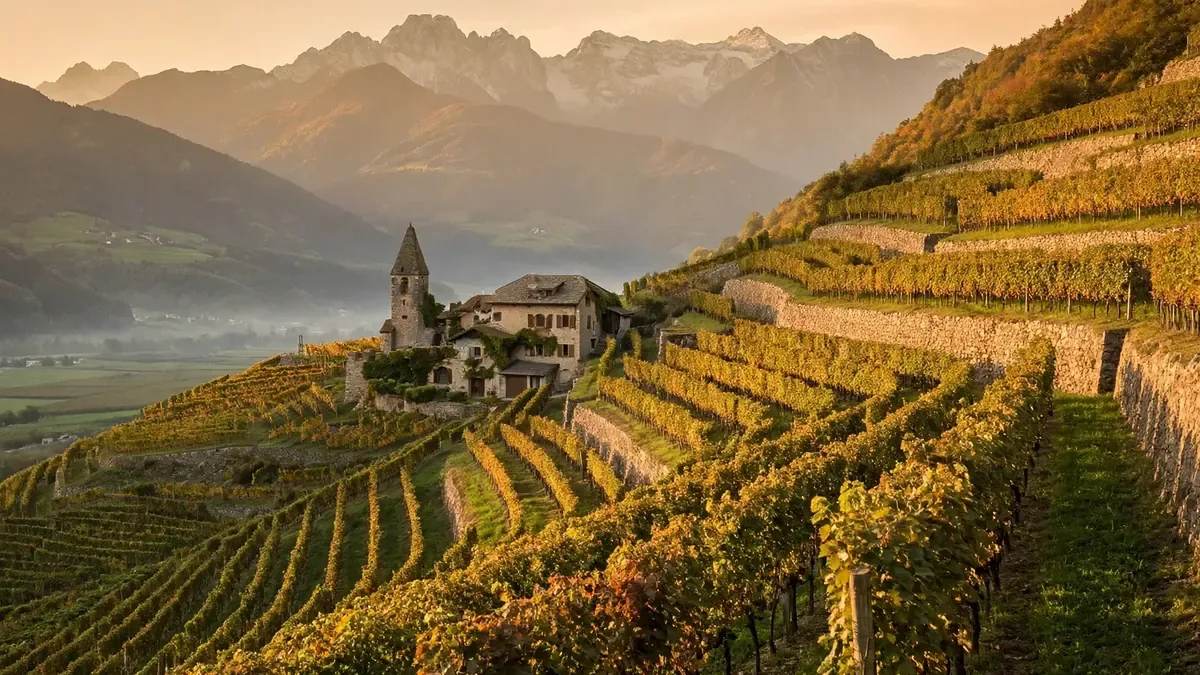

Best Luxury Alto Adige Brands bring together Alpine precision and Mediterranean warmth in a way no other Italian wine region quite manages. Tucked into the far north of Italy, where the Dolomites meet the Adige Valley, this small region of South Tyrol produces a fraction of the wine made in Tuscany or Piedmont, yet its bottles command some of the highest prices in the country. The reason is simple: steep slopes, dramatic day-to-night temperature swings and old vines farmed by hand produce wines of rare clarity, and the best estates treat every parcel as if it were a grand cru.
For the luxury buyer, Alto Adige rewards patience and homework. The region is dominated by cooperatives that quietly make world-class wine, alongside family estates whose names have become shorthand for quality among collectors. The finest bottles are not always the most expensive, and the most famous label on the shelf is not always the best value in the cellar. What matters is knowing which producers deliver, which wines age gracefully and which bottles justify their price.
This guide ranks the ten estates that define luxury in Alto Adige today, from historic cooperatives to biodynamic pioneers. Each entry covers the house style, the bottles worth seeking out and the price range to expect. Whether you are building a cellar, planning a tasting trip or choosing a single memorable bottle, these are the names to trust.
Key takeaways
- Alto Adige is Italy’s northernmost wine region, where Alpine freshness and long sunshine produce precise, aromatic white wines and elegant reds.
- Pinot Bianco, Gewurztraminer, Lagrein and Pinot Nero are the signature grapes, best expressed from old vines on steep, high-altitude sites.
- Cantina Terlano, Elena Walch and Alois Lageder lead the region, but smaller estates such as Tiefenbrunner and Abbazia di Novacella offer outstanding value.
- Expect to pay around 25 to 70 euros for the finest current releases, with rare library wines reaching well beyond 100 euros.
- Buy the producer first and the vintage second, because the leading estates are remarkably consistent from year to year.

Why Alto Adige Commands Luxury Prices
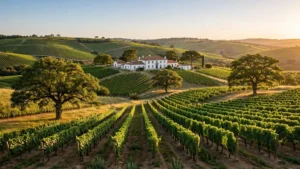
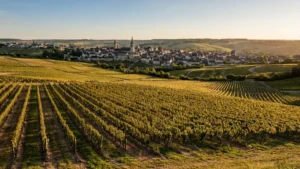
Alto Adige, known in German as Sudtirol, sits at the meeting point of two wine cultures. Vineyards climb from the valley floor near Bolzano up to 1,000 metres, and the warm days and cool nights of the Alpine summer give grapes time to ripen slowly while holding on to their acidity. The result is wine with both ripeness and lift, a combination that gives Alto Adige whites their famous precision. The soils add another layer, with limestone, porphyry and glacial deposits changing character from one hillside to the next.
Scale is the other half of the story. The region has roughly 5,400 hectares of vines, a small area by Italian standards, and much of it is farmed in tiny parcels on slopes too steep for machines. Harvest is done by hand, yields are kept low and the best sites are fiercely contested. With single-vineyard wines coming from just a few hectares of old vines, scarcity is built in. That scarcity, paired with consistent quality, is what pushes prices into luxury territory.
South Tyrol’s growers, many of them German-speaking families who have farmed the same slopes for generations, tend their vines with a discipline that shows in the glass. Cooperatives pool the fruit of hundreds of small growers and vinify it with modern equipment and strict selection, which is why a cooperative bottle can outshine a famous estate wine from elsewhere. For buyers, the Alto Adige label itself carries a baseline of quality few regions can match.
What Makes a Bottle Worth the Premium
A luxury Alto Adige wine earns its price through site, age and restraint. The best producers farm old vines, often forty years or older, and ferment with native yeasts in a way that lets the vineyard speak rather than the cellar. Oak is used sparingly, usually large old barrels, so the fruit stays at the centre. The wines that age best are the ones with the most tension: high acidity, mineral drive and a finish that lasts long after the glass is empty.
Provenance matters too. Because the top wines are made in small quantities, buying from a trusted merchant or directly from the estate is the safest route. Well-stored bottles will reward a decade or more in the cellar, particularly the great Pinot Biancos, structured Lagreins and finest Pinot Neros. If a price looks too good to be true, it usually is.
The 10 Best Luxury Alto Adige Brands
The estates below were chosen for consistent quality across vintages, a clear house style and a track record with collectors and sommeliers. They span cooperatives, family estates and a working abbey. Prices are approximate retail ranges for current releases in Europe.
1. Cantina Terlano
Founded in 1893, Cantina Terlano is the benchmark against which every other Alto Adige producer is measured. Its members farm some of the oldest Pinot Bianco and Sauvignon vines in Italy on the sun-drenched slopes above the Adige river. The house releases its wines late, and they reward further ageing with remarkable grace. The Vorberg Pinot Bianco Riserva and the Terlaner I Grande Cuvee are the flagship whites, while the Rarity range, drawn from library vintages, ranks among the most sought-after white wines in Italy. Riservas cost around 30 to 60 euros, with Rarity bottlings considerably more.
2. Elena Walch
Elena Walch transformed her family estate in Tramin into one of Italy’s most admired wineries, and her daughters now carry the work forward. The estate is best known for elegant, aromatic whites from the village that gave Gewurztraminer its name, but its range runs far wider, from a mineral Pinot Bianco to the celebrated Beyond the Clouds, a white blend that has become a modern classic. The vineyards around Castel Ringberg, the estate’s historic property on Lake Caldaro, produce wines of unusual finesse and length. Prices generally run from around 25 to 70 euros.
3. Alois Lageder
Alois Lageder is the region’s great biodynamic pioneer, farming vineyards in Magre and across the Adige Valley without synthetic chemicals since long before the practice was fashionable. The estate’s wines pair Alpine clarity with a distinctive sense of place, led by the profound Lowengang Chardonnay, a barrel-fermented wine that ages beautifully for a decade or more. The Porer Pinot Grigio and the Krafuss Pinot Noir show the same attention to site. Most bottles sit between 20 and 55 euros.
4. Franz Haas
Based in the village of Montagna, Franz Haas has built its reputation on wines of perfume and poise. Its Pinot Nero is among the finest in Italy, pale in colour yet intensely aromatic, with the silky texture that marks great Pinot Noir from cool climates. The white wines are equally assured, led by the Manna blend and the Schweizer Pinot Bianco, both of which balance richness with acidity. Wines are made in small quantities and sell out quickly. Prices typically range from around 30 to 65 euros.
5. J. Hofstatter
The Hofstatter family has farmed vines around Tramin since the early twentieth century, and its Barthenau vineyard produces one of Italy’s great Pinot Neros. The Vigna S. Urbano Pinot Nero Riserva is the estate’s crown jewel, a wine of striking elegance that needs several years in bottle to show its best, while the Joseph Pinot Nero offers a more approachable introduction. The Gewurztraminer Kolbenhof and the Pinot Bianco stand among the best of their kind. Expect to pay around 25 to 60 euros.
6. Cantina Bolzano
Cantina Bolzano, formed from the union of the historic Gries and Santa Maddalena cooperatives, is the home of Lagrein, the dark and structured red grape that is Alto Adige’s signature. Its Taber Lagrein Riserva and its Santa Maddalena wines show the grape’s two faces: powerful and age-worthy in the former, lighter and more aromatic in the latter. The cooperative selects the best parcels from hundreds of growers, and its top wines rival those of far smaller estates. Bottles generally cost between 18 and 45 euros.
7. Kellerei St. Michael-Eppan
St. Michael-Eppan, founded in 1907, is one of the region’s most decorated cooperatives, and its Sanct Valentin line is a byword for quality among Italian wine lovers. The Sanct Valentin Pinot Bianco and Sauvignon are benchmarks for their grapes, while the Gewurztraminer and the Pinot Nero Riserva show the same polish. The cooperative farms vineyards around Appiano, where limestone soils and high-altitude sites give the wines their lift and precision. Prices run from around 20 to 50 euros.
8. Manincor
Manincor is a family estate on the shores of Lake Caldaro that has become a reference point for biodynamic winemaking in the region. Its wines are made with minimal intervention and a deep respect for the vineyard, and the results are wines of unusual purity and texture. The flagship La Manincor, a red blend led by Lagrein, is powerful yet refined, while the Mason di Sopra wines and the estate’s whites show the same quiet confidence. Expect prices from around 25 to 60 euros.
9. Tiefenbrunner
Tiefenbrunner, based in the village of Entiklar near Cortaccia, is the home of the Feldmarschall von Fenner Muller-Thurgau, grown on the highest vineyard in the region at around 1,000 metres. The wine is a cult favourite, floral and mineral in equal measure, and it shows what altitude can do for an otherwise modest grape. The estate’s wider range is equally strong, with a fine Pinot Grigio, a crisp Sauvignon and a Lagrein Riserva that punches well above its price. Prices generally fall between 18 and 45 euros.
10. Abbazia di Novacella
The Augustinian abbey of Novacella has made wine since 1142, making it one of the oldest working wineries in the world. Its vineyards in the Isarco Valley, the northernmost wine-growing area in Italy, produce whites of extraordinary freshness, led by Kerner and Sylvaner, two aromatic grapes that thrive in the cool climate. The Praepositus range, named for the abbey’s provost, represents the finest parcels, and the wines age with surprising grace. Prices typically run from around 20 to 50 euros.
Alto Adige Luxury Brands at a Glance
The table below summarises the ten estates, their signature wines and the price range to expect for current releases.
| Brand | Signature Wine | Style | Price Range |
|---|---|---|---|
| Cantina Terlano | Vorberg Pinot Bianco Riserva | Deep, age-worthy whites | 30 to 60 euros |
| Elena Walch | Beyond the Clouds | Elegant, aromatic whites | 25 to 70 euros |
| Alois Lageder | Lowengang Chardonnay | Biodynamic, site-driven | 20 to 55 euros |
| Franz Haas | Pinot Nero | Perfumed, silky reds | 30 to 65 euros |
| J. Hofstatter | Barthenau Pinot Nero Riserva | Refined, age-worthy reds | 25 to 60 euros |
| Cantina Bolzano | Taber Lagrein Riserva | Structured, dark reds | 18 to 45 euros |
| St. Michael-Eppan | Sanct Valentin Pinot Bianco | Polished, precise whites | 20 to 50 euros |
| Manincor | La Manincor | Pure, biodynamic reds | 25 to 60 euros |
| Tiefenbrunner | Feldmarschall Muller-Thurgau | Floral, high-altitude whites | 18 to 45 euros |
| Abbazia di Novacella | Praepositus Kerner | Fresh, historic whites | 20 to 50 euros |
How to Choose the Right Bottle
Start with the occasion. For a dinner party, a Pinot Bianco Riserva from Terlano or St. Michael-Eppan pairs well with seafood, risotto and soft cheeses. For a gift, a single-vineyard Pinot Nero from Hofstatter or Franz Haas carries prestige collectors recognise instantly. For the cellar, look to Lagrein Riserva and the great whites from Terlano, which develop complexity for a decade or more.
Think about food as well as the wine itself. Alto Adige whites love the region’s cuisine: speck, dumplings, freshwater fish and mountain cheeses all find a natural partner in the local bottles. Match a creamy pasta or roast pork with a barrel-aged Chardonnay or Gewurztraminer, and keep the lighter Pinot Bianco for delicate starters. The reds are equally food-friendly, and Lagrein’s firm tannins make it a natural match for grilled meats and aged cheeses. If you are building a pairing around the table, it helps to know how the best red wines in the wider Italian canon compare, since Alto Adige reds are lighter and more aromatic than the big reds of the south.
Consider the table as a whole when you plan a meal around Alto Adige wines. The region’s olive oil culture is smaller than in the south, yet the finest olive oils from Italy share the same philosophy of careful farming and small production, and a good oil alongside fresh bread is the simplest way to open a tasting evening. Serve whites chilled but not ice cold, around 10 to 12 degrees, and decant the top reds for an hour before serving.
Building a Small Alto Adige Cellar
A sensible starting cellar holds a dozen bottles across the region’s strengths: four Pinot Biancos or white blends for ageing, three Gewurztraminers for aromatic pleasure, three Lagreins or Pinot Neros for the red side, and two bottles of something unusual, such as a Kerner from Novacella or a Muller-Thurgau from Tiefenbrunner. Buy two bottles of each wine you love, one to drink now and one to revisit in five years, and keep a note of what you paid and when you plan to open each bottle.
Visiting Alto Adige Wine Country
A trip to Alto Adige is one of the great wine journeys in Europe, and the distances are mercifully short. Bolzano, the regional capital, makes a natural base, with Terlano, Appiano and Caldaro all within half an hour by car. Many estates welcome visitors by appointment, with tastings hosted by the family or winemaker rather than large tour groups. Book ahead, especially in harvest season.
The South Tyrolean Wine Road, winding through sixteen villages between Nalles and Salorno, is the best way to explore. It passes vineyards, castles and tasting rooms, and it is easy to combine a morning of tastings with an afternoon walk in the Dolomites. Staying among the vines adds to the experience, and the region’s luxury vineyard hotels make a fitting base for a wine-focused trip, with cellars and restaurants that showcase the local producers. Autumn is the finest season to visit, when the vineyards turn gold.
Your Alto Adige Buying Checklist
- Buy the producer first: the ten estates in this guide are consistent across vintages.
- Check the vintage and the bottling: riserva and single-vineyard wines cost more but age far better.
- Match the grape to the occasion: Pinot Bianco for elegance, Gewurztraminer for aroma, Lagrein for structure, Pinot Nero for finesse.
- Verify provenance: buy from a reputable merchant or the estate, and avoid bottles with damaged capsules or unclear storage history.
- Store properly: keep bottles on their side in a cool, dark place at a steady temperature.
- Plan the food: choose the wine with the meal in mind, and serve whites at 10 to 12 degrees and top reds after an hour in the decanter.
Frequently Asked Questions
What is the best luxury Alto Adige brand overall?
Cantina Terlano is the most consistent answer, thanks to its old vines and library wines that age beautifully. Elena Walch and Alois Lageder are close behind, while Franz Haas and J. Hofstatter lead for red wine lovers. The right choice depends on whether you prefer white or red, and whether the bottle is for now or for the cellar.
Which Alto Adige wine should I buy first?
Start with a Pinot Bianco Riserva from Terlano or St. Michael-Eppan: it best expresses the region, pairs with almost any food, and a good bottle costs around 30 to 40 euros. If you prefer red, a Lagrein Riserva from Cantina Bolzano offers similar quality and value.
How much should I spend on a luxury Alto Adige bottle?
Most of the finest current releases cost between 25 and 70 euros, and that range covers the best work of every estate in this guide. Rare library wines and top single-vineyard bottlings can exceed 100 euros, but they are for collectors rather than first-time buyers.
Do Alto Adige wines age well?
Yes, the best ones age superbly. Top Pinot Biancos, Gewurztraminers and white blends can develop for ten years or more, gaining honeyed and mineral notes. Lagrein Riserva and the finest Pinot Neros also improve for a decade, softening their tannins and gaining complexity. Entry-level bottles are best drunk within two or three years.
What food pairs best with Alto Adige wine?
Pinot Bianco and Sylvaner suit seafood, risotto and soft cheeses, while Gewurztraminer loves spicy dishes and rich pates. Lagrein pairs with grilled meats, game and aged cheeses, and Pinot Nero is at home with duck, mushroom dishes and roast pork.
Can I visit these wineries?
Most estates in this guide welcome visitors by appointment, and several have tasting rooms and restaurants. Cantina Terlano, Elena Walch, Alois Lageder and Abbazia di Novacella all offer tastings, and the South Tyrolean Wine Road connects many of them. Book ahead, especially during harvest in September and October.
The Bottom Line
The best luxury Alto Adige brands prove that greatness in wine comes from place, patience and precision. Cantina Terlano sets the standard, Elena Walch and Alois Lageder define the modern style, and the rest of the estates in this guide each bring something distinct to the table. Buy the producer you trust, match the bottle to the occasion, and give the finest wines the time they deserve.