The Best Luxury Bandol Brands come from a small stretch of sun-baked terraces between Toulon and Marseille, where the Mourvèdre grape ripens slowly above the Mediterranean and produces some of the most structured and age-worthy wines in all of Provence. Bandol is not a large appellation, and its best estates are family-run properties with old vines, limestone soils, and a stubborn commitment to traditional methods. That combination is exactly what makes the top names on this list worth seeking out, whether you are building a cellar or choosing one special bottle for a long dinner.
What sets Bandol apart is depth. While much of Provence is known for pale, easy-drinking rosé, Bandol builds its reputation on powerful reds that need years in the bottle and on rosés with real structure and spice. The appellation rules require red wines to contain at least half Mourvèdre and to age for a minimum of eighteen months in oak, which gives the wines their dark fruit, leather, and Provençal herb character. For collectors, that discipline is a promise: a great Bandol red from a top estate will still be improving a decade after the vintage, a quality few wines from the south of France can match. Even buyers who usually shop at the friendlier end of the market will find useful context in our guide to the best inexpensive wines worth exploring before trading up to Bandol, since it shows how much structure and ageing potential a modest budget can still buy.
This guide ranks the ten luxury Bandol brands that matter most right now, from the historic estates that defined the appellation to the smaller organic producers whose old-vine cuvées are now the hardest bottles to find. Each profile covers the estate’s story, its flagship wines, its style, and what you should expect to pay. A comparison table up front makes it easy to scan the field, and the checklist near the end will help you buy with confidence, whether you are ordering online or walking into a specialist wine shop for the first time.
Key Takeaways
- Bandol reds must contain at least 50 percent Mourvèdre and age eighteen months in oak, which makes them the most structured wines in Provence.
- Domaine Tempier and Château de Pibarnon remain the benchmark estates, while Domaine du Gros ‘Noré and Domaine de la Tour du Bon offer the most exciting old-vine and organic alternatives.
- Expect to pay roughly $30 to $60 for a top Bandol rosé and $45 to $110 for a flagship red from a leading estate.
- Great Bandol reds reward patience: most flagship cuvées need five to ten years in the cellar to show their full character.
- Buy from the most recent well-reviewed vintages first, and always check the producer name on the label, since Bandol’s quality is concentrated in a small group of estates.
The Best Luxury Bandol Brands at a Glance

The table below compares the ten estates in this guide on the details that matter when you are choosing a bottle: the flagship wine to look for, the house style, the typical price range, and the occasion each brand suits best. Prices are typical retail ranges for current releases and will vary by vintage and market.
| Brand | Flagship Bottle | Style | Typical Price | Best For |
|---|---|---|---|---|
| Domaine Tempier | Cuvée La Tourtine Rouge | Powerful, spicy, classic | $55–$90 | Cellaring and collectors |
| Château de Pibarnon | Bandol Rouge | Elegant, age-worthy, refined | $60–$110 | Special occasions |
| Domaine de la Bégude | Bandol Rouge | Organic, mineral, precise | $35–$60 | Modern luxury |
| Château Pradeaux | Bandol Rouge | Traditional, rustic, long-lived | $45–$75 | Patient collectors |
| Domaine de la Tour du Bon | Bandol Rouge | Organic, fresh, expressive | $35–$55 | Everyday luxury |
| Domaine du Gros ‘Noré | Bandol Rouge | Old-vine, dense, intense | $45–$70 | Connoisseurs |
| Domaine Bunan | Moulin des Costes Rouge | Organic, warm, generous | $30–$55 | Value-led luxury |
| Château Vannières | Bandol Rouge | Organic, balanced, food-friendly | $35–$55 | Dinner parties |
| Domaine Ray-Jane | Bandol Rosé | Fresh, elegant, aromatic | $30–$50 | Summer entertaining |
| Château de la Rouvière | Bandol Rosé | Bright, floral, approachable | $30–$50 | First-time buyers |
Bandol vs Provence Rosé: What Sets Bandol Apart
It is easy to confuse Bandol with the rest of Provence, because the region’s pale pink wines dominate shop shelves every summer. The difference starts with the grape. Most Provence rosé is built on Grenache, Cinsault, and Rolle, blended for lightness and immediate charm. Bandol, by contrast, is a Mourvèdre appellation first and foremost.
The reds draw an even sharper line. Bandol’s appellation rules, among the strictest in France, demand that red wines contain at least half Mourvèdre, with Grenache and Cinsault in support, and that they spend at least eighteen months ageing in oak before release. Many of the best estates age their reds far longer. The result is a wine of real depth: dark cherry and blackberry fruit wrapped around leather, liquorice, garrigue herbs, and a firm tannic frame.
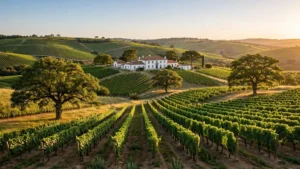
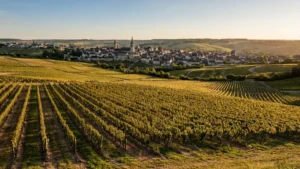
Place matters just as much as rules. The Bandol vineyards climb steep, terraced hillsides known as restanques, dry-stone walls that hold thin limestone and sandstone soils above the sea. These terraces drain quickly, force the vines to root deep, and reflect heat back onto the grapes during the long ripening season. Yields are low and the work is largely done by hand, which keeps production small and prices honest for the quality in the bottle. When you buy a Bandol, you are paying for that difficult, beautiful terrain as much as for the name on the label.
The 10 Best Luxury Bandol Brands
Each estate below has earned its place through consistency across vintages, a clear identity in the glass, and a reputation that holds up with collectors, sommeliers, and specialist merchants. They are listed in order of overall standing, starting with the two estates that define Bandol itself.
1. Domaine Tempier
No discussion of Bandol begins anywhere else. Domaine Tempier, in Le Castellet, is the estate that Lucien Peyraud and his wife Lulu built into the appellation’s standard-bearer, and it remains the reference point against which every other Bandol is measured. The reds are Mourvèdre-led, deeply coloured, and famously long-lived, while the rosé is one of the most sought-after pink wines in France. The single-vineyard reds are the crown of the range: La Tourtine is the most structured and age-worthy, La Migoua the most perfumed and silky, and Cabassaou the rarest, made only in the best years from the estate’s oldest vines. If you buy one Bandol to lay down for a decade, make it Tempier.
2. Château de Pibarnon
Château de Pibarnon occupies a natural amphitheatre of terraces above La Cadière-d’Azur, and its wines carry the polish and precision of that exceptional site. Owned by the Comtesse de Saint-Victor, the estate produces reds of remarkable finesse, with fine tannins and a lifted, almost Burgundian elegance that sets them apart from the more rustic Bandol style. The flagship red ages beautifully for fifteen to twenty years, developing notes of cedar, truffle, and dried cherry, while the rosé is consistently among the finest in Provence, with a pale colour that belies its depth and spice.
3. Domaine de la Bégude
Domaine de la Bégude sits high on the hills above La Cadière-d’Azur, where its vineyards catch the sea breeze and ripen slowly in thin limestone soils. Under the Tari family, the estate has become one of Bandol’s leading organic producers, farming with a focus on soil health and low yields. The wines show it: the red is mineral and precise, with dark fruit framed by graphite and garrigue rather than overt oak, and the rosé is crisp, saline, and built for the table.
4. Château Pradeaux
Château Pradeaux, in Saint-Cyr-sur-Mer, is Bandol’s great traditionalist. The estate has been in the same family for generations, and its methods have barely changed: long macerations, ageing in large old oak foudres, and no hurry to release. The result is a red of formidable structure that can seem stern in its youth and then blossoms after a decade into something profound, with notes of leather, black olive, and dried Provençal herbs.
5. Domaine de la Tour du Bon
Domaine de la Tour du Bon, in Le Brulat du Castellet, is one of Bandol’s most admired organic estates, run by Agnès Henry with a commitment to biodynamic farming and minimal intervention in the cellar. The wines are expressive and fresh, with the red showing ripe dark fruit, violet, and spice over a supple tannic frame that makes it approachable younger than many of its neighbours.
6. Domaine du Gros ‘Noré
Domaine du Gros ‘Noré is a small estate with an outsized reputation, built on old-vine Mourvèdre in La Cadière-d’Azur. Alain Pascal farms vines that in some parcels are close to a century old, and the concentration that comes from those ancient, low-yielding plants is evident in every glass. The red is dense and intense, with layers of blackberry, liquorice, and iron-like minerality, and it needs time, but rewards it richly.
7. Domaine Bunan
Domaine Bunan is a family estate with two complementary properties, Moulin des Costes and Château de Bel Ombre, and a long-standing commitment to organic farming that predates the fashion for it. Paul Bunan and his family produce warm, generous wines that show the sunny side of Bandol without sacrificing structure. The Moulin des Costes red is the estate’s flagship, a Mourvèdre-led wine with ripe fruit, spice, and a supple finish that drinks well earlier than the appellation’s most austere examples.
8. Château Vannières
Château Vannières, in Le Castellet, is an organic estate that has quietly built a loyal following for wines of balance and charm. The vineyards sit on the limestone slopes that give Bandol its mineral signature, and the winemaking favours freshness and drinkability alongside the structure the appellation demands. The red is a classic food wine, with dark cherry, spice, and a savoury finish that pairs beautifully with grilled meats and Provençal dishes.
9. Domaine Ray-Jane
Domaine Ray-Jane, in Le Plan du Castellet, is a family estate that has become one of Bandol’s most reliable names for rosé. The vineyards are farmed with care, and the wines show a freshness and aromatic lift that make them stand out in a crowded field. The rosé is the star, pale and elegant, with strawberry, peach, and white pepper notes and a saline finish that keeps it refreshing.
10. Château de la Rouvière
Château de la Rouvière, in Saint-Cyr-sur-Mer, rounds out this list as an estate that delivers honest, attractive Bandol at an accessible price. The terraced vineyards above the coast produce wines with bright fruit and a clear Provençal character, and the estate’s rosé is a particularly good introduction for first-time buyers: floral, fresh, and easy to enjoy.
How to Choose a Luxury Bandol
Start with the colour you actually want to drink. If you are buying for a summer lunch or a celebration, a top Bandol rosé from Tempier, Pibarnon, or Ray-Jane will give you far more depth than a standard Provence pink, and it will hold up to food in a way lighter rosés cannot. If you are buying to cellar, choose a flagship red from Tempier, Pibarnon, or Pradeaux and plan to wait at least five years. Check the vintage, since warm years tend to produce richer, earlier-drinking reds while cooler years reward patience with greater freshness.
What to Serve With Bandol
Bandol reds are made for the Provençal table, and their tannin and spice come alive with grilled lamb, roast pork, beef daube, and hearty vegetable dishes built on aubergine, tomato, and olive. The wines also love the region’s famous fish soup and bouillabaisse, where their savoury depth matches the saffron and fennel of the broth. Bandol rosé is more versatile still, pairing happily with grilled fish, Niçoise salads, goat cheese, and Mediterranean mezze, and it is one of the few pink wines that can stand up to a barbecue. For menu inspiration beyond the wine itself, our guide to French country cooking and the cookbooks that explain it best is a useful companion, since the dishes that suit Bandol best are the slow, herb-scented recipes of the Provençal countryside. Serve reds at around 16 to 18 degrees, decant young bottles for an hour, and let older bottles breathe gently before pouring.
Serving, Cellaring, and Entertaining
How you serve a Bandol matters almost as much as which estate you choose. Young reds benefit from decanting, which softens their tannins and opens up the fruit and spice, while mature bottles should be stood upright for a day, opened carefully, and poured gently to leave any sediment behind. Rosés should be served chilled but not ice-cold, at around 10 to 12 degrees, so their aromatics can show. For cellaring, keep bottles lying down in a cool, dark place at a steady temperature, and remember that the finest reds will improve for ten to fifteen years. A bottle of top Bandol also makes a memorable centrepiece for a celebration at sea, where a long lunch on deck calls for wines with real presence; if that sounds like your kind of occasion, our round-up of the best yacht-to-table culinary charters shows how the finest food and wine experiences are staged on the water. Whatever the setting, open Bandol with food and company, since these are wines that reward a table, not a tasting note.
Checklist
- Confirm the label says Bandol AOC and names one of the established estates in this guide, not a generic Côtes de Provence blend.
- Check the vintage and favour recent well-reviewed years for rosé, while choosing older vintages or cellar-worthy reds for long-term keeping.
- Look for Mourvèdre on the back label or in the blend description, since it should be the dominant grape in any serious Bandol red.
- Buy rosé to drink within two to three years and reds to cellar for five to fifteen years, depending on the estate and vintage.
- Purchase from a reputable wine merchant who can confirm provenance and proper storage, and avoid bottles with damaged capsules or low fills.
- Budget roughly $30 to $60 for a top rosé and $45 to $110 for a flagship red, and treat anything far below those ranges with caution.
Frequently Asked Questions
What is the best luxury Bandol brand overall?
Domaine Tempier is the benchmark luxury Bandol brand, thanks to its historic role in defining the appellation, its single-vineyard reds, and its consistency across vintages. Château de Pibarnon is the closest rival, offering a more elegant and refined style that many collectors prefer for special occasions.
Is Bandol rosé better than other Provence rosé?
Bandol rosé is generally more structured and age-worthy than other Provence rosé because it is built on Mourvèdre rather than lighter grapes. It has more spice, body, and savoury character, and it pairs better with food, although it also costs more than a typical Côtes de Provence rosé.
How long should I age a Bandol red?
Most flagship Bandol reds need at least five years from the vintage to show their best, and the top cuvées from Tempier, Pibarnon, and Pradeaux can improve for ten to twenty years. Lighter estates such as Rouvière and Bunan are enjoyable after two to three years, so match the ageing time to the producer.
What grape is Bandol wine made from?
Bandol reds must contain at least 50 percent Mourvèdre, blended with Grenache and Cinsault, while the rosés are also Mourvèdre-led with supporting Grenache and Cinsault. The white wines are made mainly from Clairette, with Ugni Blanc and Bourboulenc in support.
How much does a good bottle of Bandol cost?
A good Bandol rosé from a leading estate typically costs between $30 and $60, while a flagship red costs between $45 and $110. Single-vineyard cuvées and older vintages from the most famous estates can cost more, especially when production is small.
Where is Bandol wine made?
Bandol is made in a small appellation on the Mediterranean coast of Provence, between Toulon and Marseille, centred on the town of Bandol and the villages of Le Castellet, La Cadière-d’Azur, and Saint-Cyr-sur-Mer. Its vineyards climb steep limestone terraces above the sea, which gives the wines their mineral character and ageing potential.
The Bottom Line
The best luxury Bandol brands prove that Provence is far more than pale summer rosé. From Domaine Tempier’s towering single-vineyard reds to Château de Pibarnon’s elegant amphitheatre wines and the organic precision of Bégude and Tour du Bon, these ten estates offer a complete education in what Mourvèdre can do on limestone terraces above the Mediterranean. Buy a rosé for the table this summer, lay a flagship red down for the decade ahead, and let Bandol’s depth and longevity remind you why this small appellation commands such loyalty. Start with Tempier or Pibarnon, explore the smaller estates as your confidence grows, and you will quickly understand why Bandol holds its place among the great wines of the south of France.