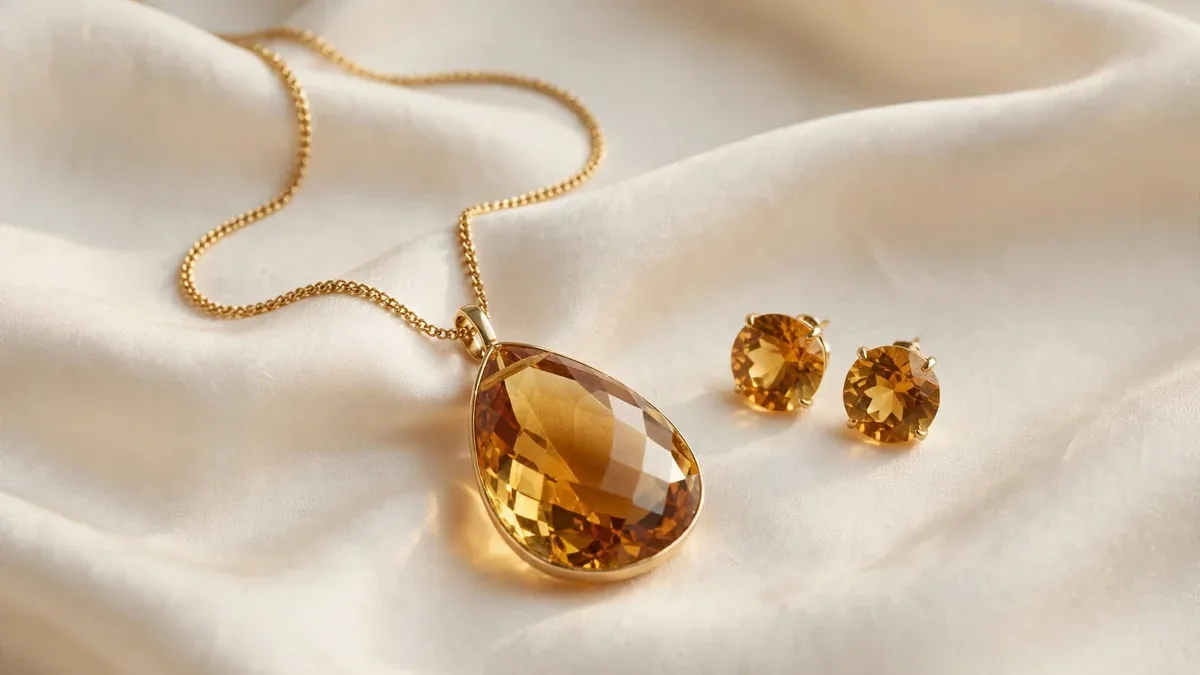

The best luxury citrine brands do not simply sell a yellow stone in a gold setting. They sell certainty: that the deep honey or Madeira amber colour is natural and even, that the stone has been cut to show its warmth rather than to keep its weight, and that the piece will still look as good in twenty years as it does on the day you buy it. Citrine is one of the most warmly beautiful stones in the jewellery box, and one of the most misunderstood, which is why the house you buy it from matters as much as the stone itself.
That is also why buying luxury citrine can feel confusing. Two citrine rings can look alike in a photograph and be worth entirely different sums. One may hold a natural Brazilian citrine with a rich, even amber colour, set in solid 18-karat gold with a certificate. The other may hold a pale stone, or a heat-treated amethyst sold as citrine, in a thin plated mount. The brands in this guide have earned their standing over decades, and in some cases over a century, by controlling the quality of their stones, cutting them honestly, and standing behind what they sell.
Below are nine houses worth considering, from historic Paris and New York maisons to modern designers who have made coloured stones their signature. Each is described by what it does best with citrine and what to watch for, so you can choose with the stone in mind, not just the name on the box.
Key takeaways
- The best luxury citrine brands combine verified stone quality, skilled cutting and setting, and clear certification, not just a famous name.
- Colour is the first thing to judge: look for a rich, even honey or deep Madeira amber, not a pale, washed-out yellow or a dark, brownish stone.
- Much of the citrine sold today is heat-treated amethyst, which is accepted in the trade but should be disclosed, and natural citrine of fine colour commands a premium.
- Ask for an independent certificate for an important stone, and check that the certificate matches the stone you are buying.
- No brand can guarantee that a citrine will rise in value, and a stone bought mainly as an investment needs expert advice.
What makes a citrine brand truly luxury
A luxury citrine starts with the rough stone, and most of the value is decided before it is ever cut. Citrine is a variety of quartz, coloured by iron, and its colour runs from a pale, almost lemon yellow through honey and amber to the deep, reddish-orange of Madeira citrine, which is the most prized shade. The finest citrines come from Brazil, with good stones also from Bolivia, Madagascar, Spain and Russia. A fine citrine is evenly coloured, with no pale patches or cloudy areas, and it holds its colour in ordinary daylight.
Citrine is usually clean, and a good stone should be bright and lively, with no cloudy centre and no dead areas where the light dies. Cut is what turns a good rough stone into a beautiful jewel: a well-cut citrine returns light evenly, shows its colour from across the room, and has no window where you can see straight through it. The great houses earn their premium here, cutting to bring out the best in each stone rather than to keep the most weight, and setting it so light can enter and the stone is held securely.
Provenance and certification complete the picture. A certificate from a recognised laboratory, such as GIA, Gubelin or SSEF, should state the stone’s identity, weight, colour, clarity, cut and any treatments, and the best houses provide one as a matter of course. The setting matters just as much: yellow gold is the natural partner for citrine, picking up the stone’s honey tones and making the whole piece feel cohesive, while white gold and platinum suit paler stones and cooler skin tones. A luxury setting should feel smooth inside and out, with claws that hold the stone firmly without crushing it. Our guide to citrine jewellery explains how these quality checks play out in finished pieces, from everyday pendants to statement rings.
How we chose these brands and what to look for
Look first at the stone itself, before the name. Ask to see it in daylight, ask for its certificate, and ask what treatments it has had. A reputable house will answer plainly and explain what the treatment means for care and price. If a seller is vague about origin or treatment, or cannot produce a certificate for an important stone, that is a reason to walk away. Look next at the making: the metal should be hallmarked, the stones set level, and the piece comfortable when worn.
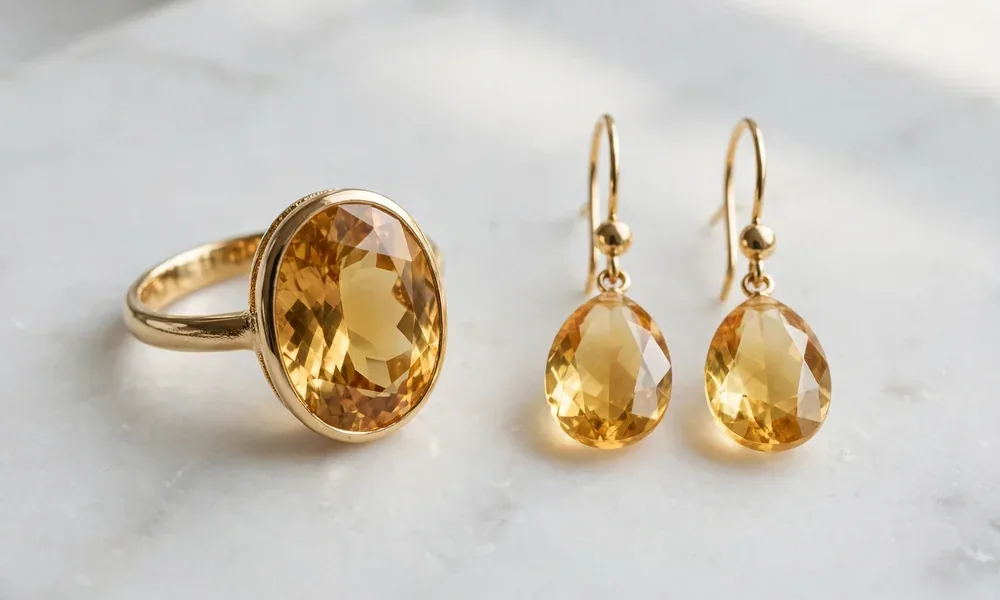
Finally, look at the service behind the sale. The best houses offer cleaning, checking and resizing, keep records of what they sold you, and will sometimes buy a piece back. That aftercare matters, because a claw can wear and a looked-after piece will outlast one that is not. The nine houses below meet all three tests: fine stones, fine making, and service that lasts after the sale.
Cartier
What we like: More than 175 years of history, exceptional coloured stones, and a citrine heritage that runs back to the Tutti Frutti pieces of the 1920s, where carved citrines sat beside emeralds, rubies and sapphires in bold, joyful designs. Modern Cartier high jewellery still uses citrine with confidence, often in large, cleanly cut stones.
What to consider: Premium pricing across the range, and waiting lists for the most important high jewellery pieces. Known for: Citrine in high jewellery, Tutti Frutti heritage, emeralds, rubies and sapphires. Heritage: Founded Paris, 1847. Best for: Heirloom pieces and important coloured stones.
Van Cleef & Arpels
What we like: The most inventive stone-setting in luxury jewellery, including the Mystery Set, where stones are set with no visible metal, and a nature-inspired design language that suits citrine beautifully. The house uses warm stones in floral and animal pieces where the honey colour reads as sunlight.
What to consider: Many of the most desirable pieces are made in small numbers, and the romantic style does not suit everyone. Known for: Mystery Set, nature-inspired high jewellery, sapphires, emeralds and citrine. Heritage: Founded Paris, 1906. Best for: Artistic, romantic high jewellery with warm stones.
Bulgari
What we like: Bold, colourful use of gemstones, with cabochon cuts, strong colour combinations and a distinctly Roman sense of drama. Bulgari is one of the few great houses that regularly uses large citrine cabochons, where the smooth, domed cut shows off the stone’s depth and warmth.
What to consider: The bold style is a statement, so it suits confident wearers more than minimalists. Known for: Citrine cabochons, Serpenti, B.zero1, emeralds and rubies. Heritage: Founded Rome, 1884. Best for: Bold colour and large cabochon stones.
Tiffany & Co.
What we like: The most recognised name in American luxury jewellery, with a long record in coloured stones and a design language that ranges from classic to modern. Tiffany uses citrine across its collections, from everyday gold pieces to high jewellery, with consistent buying standards and aftercare at every price level.
What to consider: Entry-level pieces are widely available, so an important citrine piece needs to be chosen carefully to stand apart from the fashion jewellery. Known for: Diamonds, coloured stones, citrine in gold collections, tanzanite and morganite. Heritage: Founded New York, 1837. Best for: Classic American luxury and reliable quality at every level.
Irene Neuwirth
What we like: A California designer who has made bold coloured stones her signature, with one-of-a-kind pieces that pair large, beautifully coloured citrines with turquoise, opal and pink tourmaline. Her work is joyful and modern, and her citrines are chosen for colour and character rather than size alone.
What to consider: Many pieces are one of a kind, so a favourite design may not be repeatable, and prices reflect handmade production. Known for: One-of-a-kind coloured stone jewellery, large citrines, opals and tourmalines. Heritage: Founded Los Angeles, 2003. Best for: Modern, colourful statement pieces with personality.
Temple St. Clair
What we like: A Florentine-trained goldsmith whose work centres on granulation, the ancient technique of building texture from tiny spheres of gold, and whose citrine pieces, including her well-known amulet pendants, pair warm stones with rock crystal and fine goldwork.
What to consider: The style is distinctive and antique-inspired, so it suits a buyer who loves craftsmanship and history more than fashion. Known for: Granulation goldwork, citrine and rock crystal amulets, fine coloured stones. Heritage: Founded Florence and New York, 1986. Best for: Handmade, historically inspired pieces with fine stones.
David Webb
What we like: A bold American house, founded in New York in 1948, known for strong, sculptural jewellery in enamel and gold, with citrine used in cuffs, brooches and rings where the stone’s size and colour can carry a large design. Webb’s pieces are confident and instantly recognisable.
What to consider: The bold scale is not for everyone, and the mid-century American style suits a confident wearer more than a minimalist. Known for: Sculptural gold cuffs, enamel work, large citrines and coloured stones. Heritage: Founded New York, 1948. Best for: Bold, sculptural statement jewellery.
Chopard
What we like: A family-owned house with strong gemmological expertise, a commitment to responsibly sourced gold and stones, and high jewellery collections where citrine appears alongside emeralds, rubies and sapphires in red-carpet pieces. The Happy Diamonds collection, where stones move freely behind sapphire glass, also uses warm stones well.
What to consider: The brand is as well known for watches as for jewellery, so its gemstone offering is less widely understood. Known for: High jewellery, responsible sourcing, Happy Diamonds, emeralds and citrine. Heritage: Founded Switzerland, 1860. Best for: Responsible sourcing and red-carpet high jewellery.
Piaget
What we like: A house that treats gemstones as colour, using them in bold, joyful designs, from the Possession collection to high jewellery pieces that pair citrine with turquoise, coral and opal. Piaget’s use of warm stones is more playful than most heritage houses, and its citrines are chosen for brightness.
What to consider: Like Chopard, Piaget is best known to many people for watches, and its jewellery is less widely recognised. Known for: Colourful high jewellery, Possession, citrine, opal and turquoise. Heritage: Founded Switzerland, 1874. Best for: Colourful, joyful gemstone design.
Understanding citrine itself
Before you buy, it helps to understand what citrine is and what it is not. Natural citrine is a variety of quartz, coloured by traces of iron, and it forms in shades from pale lemon to deep Madeira amber. At 7 on the Mohs scale, it suits rings, bracelets and everyday wear, though it is not as tough as sapphire or diamond, and it can chip if knocked hard. Citrine does not fade in sunlight, and it keeps its colour well over decades.
There is one honest complication every buyer should know. Much of the citrine sold today is not natural citrine at all, but amethyst that has been heat-treated until it turns a golden yellow. Heat-treated amethyst is accepted in the trade, it is durable, and it can be very beautiful, but it should be disclosed, and it should cost less than a natural citrine of the same colour. Heat-treated stones often show a more orange tone with white areas near the base, while natural citrine tends to be a more even, smoky honey, and a laboratory certificate will state which one you are buying. Yellow gold is the natural partner for citrine, and our guide to gold jewellery for everyday shows how warm-toned pieces can be worn daily.
Size is the last thing to judge, and the least important. Citrine is affordable, so large stones are common, and a large stone is not automatically a fine one. A smaller citrine with a rich, even colour, good clarity and a fine cut will always be more beautiful than a large stone that is pale, cloudy or poorly cut. Spend on the best colour and cut you can afford, then choose a setting that shows the stone at its best.
The caveats that matter
Citrine is a durable and forgiving stone, but it still needs care. Keep it away from hard knocks and avoid ultrasonic cleaners and harsh chemicals, which can loosen settings and dull the polish. Clean it with warm water, a drop of mild soap and a soft brush, then dry it with a soft cloth. Store it separately from harder stones like diamonds, which can scratch it, in a soft pouch or a lined box.
| Detail | What is known |
|---|---|
| Best colour | A saturated honey or deep Madeira amber, evenly coloured with no pale or cloudy patches |
| Most prized shade | Madeira citrine, a deep reddish-orange amber, usually from Brazil |
| Hardness | 7 on the Mohs scale, hard enough for everyday wear but able to chip on a hard knock |
| Best metal | Yellow gold suits deep citrine; white gold and platinum suit paler stones and cooler skin |
| Common treatment | Heat-treated amethyst is often sold as citrine; it should be disclosed and priced lower |
| Certification to ask for | Independent laboratory report from GIA, Gubelin or SSEF for important stones |
| Cleaning | Warm water, mild soap and a soft brush; avoid ultrasonic cleaners and harsh chemicals |
| What no brand can promise | That a citrine will rise in value, or that it is a good investment |
Treatment is the single most important thing to understand, and it is where a good house proves itself. A reputable brand will tell you plainly whether a stone is natural or heat-treated, and will put it in writing. A seller who is vague about treatment is a reason to walk away, however beautiful the piece looks. Before buying any important stone, read a diamond buying guide as well, because the same rules about certificates, cut and honest disclosure apply to every gemstone.
Checklist: buying a luxury citrine honestly
Use these checks before you buy, and keep the paperwork with the piece.
- Check the colour in daylight, not only under shop lighting, and look for even, saturated honey or Madeira amber with life in it.
- Check the certificate: an independent laboratory report that matches the stone, its weight and its treatments.
- Check the treatment: ask in writing whether the stone is natural citrine or heat-treated amethyst, and how that affects care and value.
- Check the setting: smooth metal, firm claws, level stones, a hallmark, and a comfortable fit.
- Check the metal by your skin tone: yellow gold for warm tones, white gold or platinum for cool tones and paler stones.
- Check the aftercare: cleaning, checking and resizing offered by the house, and how often the piece should be inspected.
Frequently asked questions
Which luxury citrine brand is the best overall?
There is no single best brand: the answer depends on what you want. Cartier and Bulgari lead on heritage and bold high jewellery, Van Cleef & Arpels leads on artistic setting, Irene Neuwirth and Temple St. Clair lead on modern, handmade coloured-stone design, while Tiffany & Co. is the safest first step.
Is natural citrine better than heat-treated citrine?
Natural citrine of fine colour is rarer and costs more, and it is the better choice for a collector or an important piece. Heat-treated amethyst, sold honestly as such, is durable, beautiful and far more affordable, and a good choice for everyday jewellery.
How do I know if a citrine is real?
Buy from a reputable house and ask for an independent laboratory certificate that matches the stone. A certificate from GIA, Gubelin or SSEF, with the stone’s weight, colour, clarity and treatments, is the standard to expect.
Can I wear citrine jewellery every day?
Yes. At 7 on the Mohs scale, citrine is hard enough for daily wear, though it is not as tough as sapphire or diamond. A bezel setting protects the edges, and a little care will keep it looking good for years.
What metal goes best with citrine?
Yellow gold is the natural partner for deep honey and Madeira citrine, because it picks up the stone’s warmth. Paler citrines suit white gold or platinum, where the cool metal balances the warm stone and suits cooler skin tones.
Is citrine a good investment?
Citrine should be bought because you love it, not as an investment. It is an affordable stone, and fine natural citrines of exceptional colour hold their value well, but the market is narrow, selling takes time, and most buyers pay a retail premium that takes years to recover.
The bottom line
The best luxury citrine brands earn their standing the same way: by finding fine stones, cutting and setting them well, telling the truth about treatment and origin, and looking after the piece after it is sold. Cartier, Van Cleef & Arpels, Bulgari, Tiffany & Co., Irene Neuwirth, Temple St. Clair, David Webb, Chopard and Piaget each do that in a different style, and the right house is the one whose stones and designs you love and whose service you trust.
Start with the stone, not the name. Learn what fine colour looks like, ask whether it is natural or heat-treated, ask for the certificate, and compare a few houses before you commit.