Eswatini is the smallest country in southern Africa, and that is exactly what makes a luxury safari here feel different. You can drive from the misty Highveld to the hot Lowveld in a morning, walk with a guide through a sanctuary where rhino graze a few metres from the trail, and sleep in a thatched lodge where the loudest sound at night is a hippo calling from the river. There is no long transfer between parks, no crowded game-drive circuit, and no sense that you are one vehicle among fifty.
The trade-off is scale. Eswatini does not have the huge herds of the Serengeti or the big-cat density of the Okavango. Its big game is concentrated in a handful of reserves, and the famous Big Five is only realistic at Hlane Royal National Park and Mkhaya Game Reserve. What the country offers instead is intimacy: walking safaris, horseback rides, rhino tracking on foot, and lodges small enough that the guide who drove you in the morning pours your drink in the evening.
Below are nine luxury safaris in Eswatini worth considering in 2027, from a classic Big Five drive at Hlane to a slow walking safari at Mlilwane and a honeymoon that pairs bush with mountain. Each one is described by what it does well, what to watch for, and who it suits best, so you can choose with the country’s size and character in mind, not just a checklist of animals.
Key takeaways
- Eswatini is compact: the Highveld, Middleveld and Lowveld are hours apart, so a short trip can cover mountains, forest and savanna.
- Hlane Royal National Park and Mkhaya Game Reserve are the only realistic Big Five destinations; elsewhere the draw is walking, rhino, birds and scenery.
- Mlilwane Wildlife Sanctuary is the best first stop: gentle walking safaris, horseback rides and crocodile and hippo viewing on the river.
- Malaria risk is low in the Highveld and real in the Lowveld, so check prophylaxis advice for Hlane, Mkhaya and the eastern reserves before you travel.
- Eswatini is a frontier safari destination with smaller wildlife densities than East Africa, so set expectations on intimacy and walking rather than big herds and guaranteed big-cat sightings.
What a luxury safari in Eswatini actually covers
A luxury safari in Eswatini is a short, guided stay in one of the country’s reserves, usually built around a lodge rather than a mobile camp. The classic pattern is two or three nights in one place: morning and afternoon game drives or walks, meals at the lodge, and time in between to sit by a waterhole, swim, or ride a horse. Because the reserves are small, you see the same ground from different angles, and the guiding is personal in a way a large park rarely allows.
The country has three landscapes worth knowing. The Highveld in the west is cool, mountainous and green, with Malolotja Nature Reserve and Phophonyane Falls offering hiking, waterfalls and high-altitude birds. The Middleveld around Ezulwini and Mlilwane is rolling hills, granite outcrops and riverine bush, ideal for walking. The Lowveld in the east is hot savanna, where Hlane, Mkhaya and Mbuluzi hold the big game, including white rhino, elephant and lion.
Most visitors combine two of the three. A common route is two nights at Mlilwane for walking and horseback, then two nights at Hlane or Mkhaya for the big game, with a night at a mountain lodge if time allows. The roads between them are good and the drives are short, so you spend your days in the bush rather than in a vehicle.
How we chose these safaris and what to look for
Look first at the reserve, not the lodge. Hlane is the only park in Eswatini with lion, elephant, white rhino and leopard, and it is the only place a Big Five claim is honest. Mkhaya is the rhino stronghold, with black and white rhino, and its guided walks are among the best in southern Africa. Mlilwane has no big predators, which is precisely why it is the best place to walk, ride and swim. A safari that promises big cats from a lodge outside these three reserves is overselling.
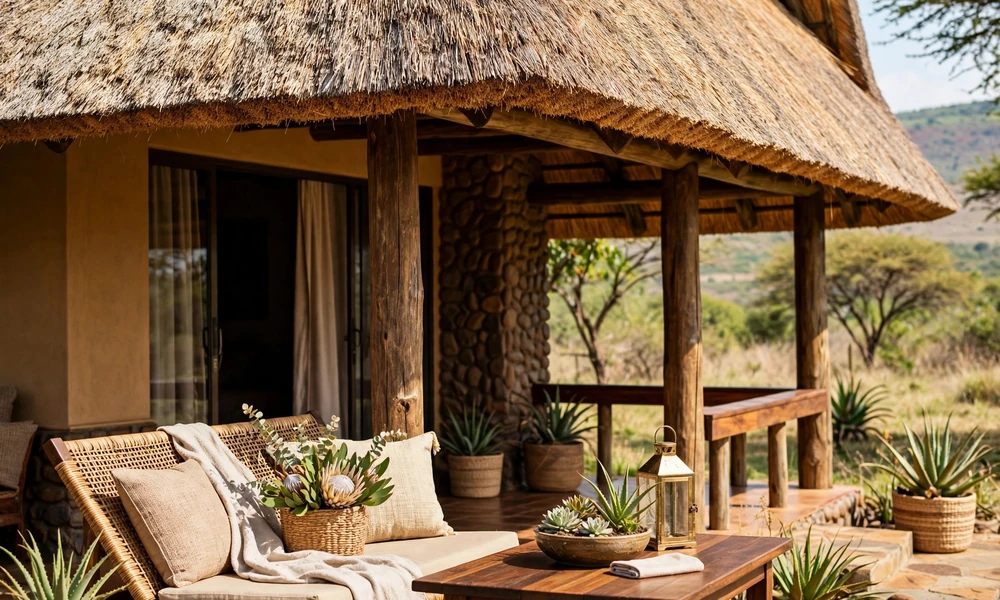
Look next at how the safari is guided. Eswatini’s strength is walking, so ask whether walks are included, how long they last, and whether a tracker comes along. A lodge that offers a morning walk with an armed guide and a tracker is giving you the country’s best experience. A lodge that only offers drives is selling a smaller version of what South Africa does better and further away.
Finally, look at the season and the health picture. The dry winter months, from May to September, are best for game viewing, because animals gather at water and the grass is low. The Lowveld is a malaria area, so take current medical advice on prophylaxis for Hlane, Mkhaya and Mbuluzi. The Highveld is cooler and lower risk, but nights can be cold, so pack a warm layer even in summer. Our guide to the best luxury safaris of 2027 sets out the same questions for the wider region, and they are worth asking here first, because Eswatini rewards a traveller who chooses deliberately.
The 9 best luxury safaris in Eswatini of 2027
Hlane Big Five Classic Safari
What we like: The only true Big Five safari in Eswatini, with lion, elephant, white rhino and leopard in one park, plus guided walks and a waterhole hide at Ndlovu Camp. What to consider: Lion and leopard sightings are not guaranteed, and the Lowveld is hot and malarial, so prophylaxis is essential. Location: Hlane Royal National Park, eastern Lowveld. Best for: First-time safari travellers who want the Big Five in a small, uncrowded park. Price range: Mid-range to premium. Standout feature: A floodlit waterhole hide where rhino and elephant drink after dark.
Mkhaya Rhino Tracking Safari
What we like: Guided rhino tracking on foot with a tracker and an armed guide, in a reserve that protects both black and white rhino. What to consider: Walking is strenuous in the heat, and there are no self-drive options, so you move at the guide’s pace. Location: Mkhaya Game Reserve, south-east Eswatini. Best for: Experienced safari travellers who want rhino on foot. Price range: Premium. Standout feature: Tracking rhino on foot through riverine bush, with the guide reading fresh spoor.
Mlilwane Walking and Horseback Safari
What we like: The gentlest safari in the country: walking, mountain biking and horseback riding among zebra, wildebeest and antelope, with no predators to worry about. What to consider: No big cats or elephants, so this is a walking holiday rather than a big-game safari. Location: Mlilwane Wildlife Sanctuary, Ezulwini Valley. Best for: Families, walkers and first-time safari travellers. Price range: Affordable to mid-range. Standout feature: Horseback rides at dawn through mist over the sanctuary’s granite hills.
Malolotja Mountain and Waterfall Safari
What we like: High-altitude hiking, the Malolotja Falls, and some of the best birding in southern Africa, in a cool mountain reserve. What to consider: No big game, cold nights, and trails that are steep in places. Location: Malolotja Nature Reserve, north-west Highveld. Best for: Hikers, birders and travellers who want mountains with their safari. Price range: Affordable to mid-range. Standout feature: A canopy tour and suspension bridge over the Malolotja gorge.
Phophonyane Falls Forest Safari
What we like: A forested mountain lodge with waterfall walks, birding and a pool, set in one of the prettiest valleys in Eswatini. What to consider: Small scale and remote, with no game drives, so it suits a slow stay rather than a packed itinerary. Location: Phophonyane Falls, near Piggs Peak, north-west Eswatini. Best for: Couples and slow travellers who want forest, water and quiet. Price range: Mid-range. Standout feature: A private waterfall walk from the lodge through indigenous forest.
Mbuluzi River and Birding Safari
What we like: Riverine bush, excellent birding and a quiet, uncrowded reserve on the Mbuluzi River, with giraffe, kudu and nyala. What to consider: Modest facilities and no Big Five, so it works best as a second or third stop, not a first. Location: Mbuluzi Game Reserve, north-east Lowveld. Best for: Birders and travellers who want a quiet reserve to themselves. Price range: Affordable to mid-range. Standout feature: Dawn birding along the river, with fish eagles and kingfishers.
Shewula Mountain Community Safari
What we like: A community-run mountain camp with guided walks, cultural visits and views across the Lowveld, run by and for the Shewula community. What to consider: Basic facilities and no big game, so it suits travellers who value community and landscape over luxury. Location: Shewula, Lubombo Mountains, eastern Eswatini. Best for: Travellers who want community tourism and mountain walking. Price range: Affordable. Standout feature: A guided walk with a community guide who knows the mountain’s plants, birds and history.
Mantenga Cultural and Bush Safari
What we like: A cultural village, traditional dance and a small nature reserve in the Ezulwini Valley, within easy reach of Mlilwane. What to consider: The reserve is small and the wildlife is modest, so treat this as a cultural day rather than a game safari. Location: Mantenga, Ezulwini Valley. Best for: Families and travellers who want Swazi culture with their bush time. Price range: Affordable. Standout feature: The Mantenga Cultural Village, with traditional homesteads and Sibhaca dance.
Eswatini Grand Circuit Honeymoon Safari
What we like: A seven-night circuit that pairs Mlilwane walking, Hlane big game and a mountain night at Phophonyane, with private guiding throughout. What to consider: The price is premium, and the circuit needs a week to do well, so it is not a quick add-on. Location: Mlilwane, Hlane and Phophonyane, across the country. Best for: Honeymooners and travellers who want the whole country in one trip. Price range: Premium to luxury. Standout feature: Private guiding and a different landscape every two nights.
Which Eswatini safari is right for your trip
Choose by what you want to do, not by what you want to tick off. If the Big Five matters, book Hlane, and accept that lion and leopard are a bonus rather than a promise. If you want to walk, book Mkhaya for rhino or Mlilwane for gentle trails, and leave the vehicle behind for a morning. If you want mountains and birds, book Malolotja or Phophonyane, and treat the Lowveld as a second stop rather than the whole trip.
Families should start at Mlilwane. It is safe, gentle and varied, with horseback riding and swimming, and children can walk freely in a way a big-cat reserve does not allow. Honeymooners should look at the grand circuit, which gives privacy, variety and a different view every two nights. Birders should add Mbuluzi and Malolotja, which together cover riverine and montane species in a single short trip.
Budget matters too. Eswatini is one of the most affordable safari destinations in southern Africa, and a mid-range lodge here costs less than a comparable lodge across the border. That does not mean you should book the cheapest option. The difference between a good guide and an average one is the difference between a walk that teaches you something and a walk that is just exercise, and in a small country that difference is everything. Our guide to the best luxury safari lodges of 2027 explains how to weigh guiding, setting and price together, and the same logic applies here.
The caveats that matter
Eswatini is a small, honest safari destination, and the caveats are about scale rather than danger. Wildlife densities are lower than in East Africa, and big-cat sightings are never guaranteed. The country is safe for travellers and the roads are good, but the Lowveld is hot, and malaria is a real consideration in the east. Take current medical advice, and do not rely on a lodge’s word alone.
| Detail | What is known |
|---|---|
| Best time to visit | May to September, the dry winter, when animals gather at water and grass is low |
| Big Five | Only realistic at Hlane Royal National Park and Mkhaya Game Reserve |
| Best for walking | Mlilwane for gentle trails, Mkhaya for rhino tracking on foot |
| Malaria | Risk in the Lowveld, including Hlane, Mkhaya and Mbuluzi; take medical advice |
| How long to stay | Two nights per reserve; a full circuit needs six to seven nights |
| Getting there | Fly to Johannesburg or Durban, then drive; or fly to King Mswati III International Airport |
| What it does not offer | Large herds, guaranteed big-cat sightings, or the scale of East African parks |
| Who should plan carefully | Families with small children in big-cat reserves, and anyone skipping malaria advice |
Book early for the dry season, especially at Mkhaya and Hlane, where the lodges are small and fill quickly. Confirm what is included before you pay: walks, transfers and park fees are sometimes extra, and a low headline price can rise quickly once they are added.
Checklist: planning a luxury safari in Eswatini
Use these checks before you book, and again before you travel.
- Choose the reserve first: Hlane for big game, Mkhaya for rhino on foot, Mlilwane for walking and families.
- Check malaria advice for the Lowveld and take prophylaxis if your clinician recommends it.
- Confirm what is included: guided walks, game drives, transfers, park fees and meals.
- Book the dry season, May to September, for the best game viewing and the coolest walking.
- Pack for two climates: warm layers for Highveld nights and light, breathable clothes for the Lowveld.
- Allow a week for a full circuit, or two nights per reserve if you are combining two stops.
Frequently asked questions
Is Eswatini good for a first safari?
Yes, especially at Mlilwane and Hlane. Mlilwane is gentle, safe and easy to explore on foot, while Hlane offers a real Big Five experience in a small, uncrowded park. The country is compact, the roads are good, and the guiding is personal.
Can I see the Big Five in Eswatini?
Four of the five, realistically, at Hlane Royal National Park, which has lion, elephant, white rhino and leopard, and at Mkhaya, which has black and white rhino. Buffalo are present but less commonly seen. Treat lion and leopard as a bonus rather than a guarantee.
Is there a malaria risk in Eswatini?
Yes, in the Lowveld, including Hlane, Mkhaya and Mbuluzi. The Highveld is lower risk. Take current medical advice on prophylaxis before you travel, and use repellent and long sleeves at dusk.
When is the best time to visit Eswatini?
May to September, the dry winter, is best for game viewing, because animals gather at water and the grass is low. The green season, from November to March, is hotter and wetter, but the landscapes are lush and the birding is at its best.
How many days do I need in Eswatini?
Two nights per reserve is a good rule. A full circuit covering Mlilwane, Hlane and a mountain stop needs six to seven nights. A short trip of three or four nights can cover two reserves comfortably, since the drives between them are short.
Is Eswatini good for a honeymoon?
Yes, and it is one of the most underrated honeymoon safari destinations in southern Africa. A circuit that pairs walking at Mlilwane with big game at Hlane and a mountain night at Phophonyane gives privacy, variety and a different view every two nights, and our guide to the best honeymoon destinations of 2027 explains why a small, quiet country suits a honeymoon better than a crowded one.
The bottom line
Eswatini will not give you the biggest herds or the most famous big-cat photographs in Africa. What it will give you is a safari that feels personal: a walk with a tracker who knows the bush by name, a rhino seen on foot rather than through a windscreen, and a lodge small enough that the staff know your name by the second evening. For a first safari, a family trip, or a honeymoon that values quiet over crowds, that is a fair trade.
Book Hlane if the Big Five matters, Mkhaya if you want to walk with rhino, and Mlilwane if you want to walk, ride and slow down. Give each reserve two nights, take the malaria advice seriously, and judge the trip on how it felt to be in the bush, not on how many animals you ticked off a list.