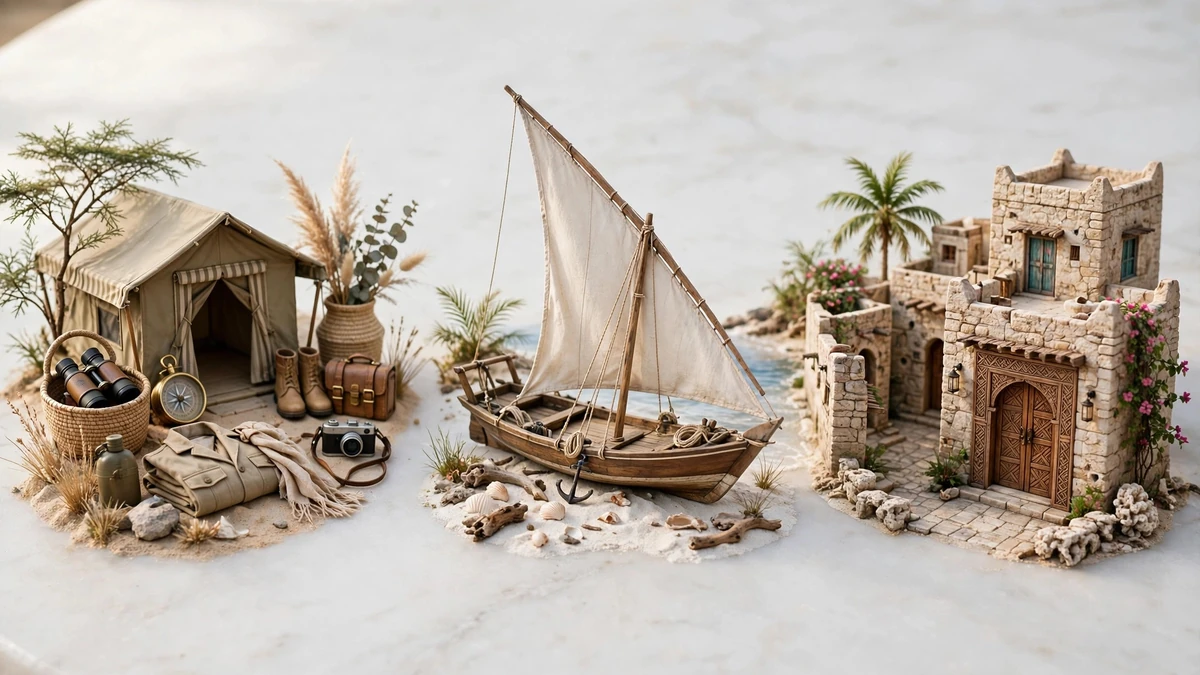

Lamu is not a safari in the way most people picture one. There are no open-top jeeps crossing a savanna, no lions at a waterhole, and no Big Five checklist to tick off before lunch. What Lamu offers instead is older, quieter, and in its own way more luxurious: a car-free Swahili archipelago off the Kenyan coast where the pace is set by tides and dhows, where coral stone towns have stood for seven centuries, and where a good day is measured in snorkelling over a reef, sailing past mangroves, and eating grilled fish as the sun drops behind the harbour.
That difference is exactly why a luxury safari here needs to be chosen carefully. The best trips are not the ones that promise the most, but the ones that are honest about what Lamu is: a marine and cultural safari, built around the sea, the old town, and the islands. The lodges are small, the boats are traditional, and the guides are local men and women who grew up on these waters. Luxury in Lamu means privacy, good food, a comfortable bed in a restored Swahili house, and a guide who knows where the turtles feed and which channel runs clear at low tide.
Below are nine luxury safaris in Lamu worth considering in 2027, from a dhow sail to a sandbank off Shela to a full honeymoon circuit of the archipelago. Each one is described by what it does well, what to watch for, and who it suits best, so you can choose with the islands in mind, not just a brochure.
Key takeaways
- Lamu is a marine and cultural safari, not a Big Five safari: the highlights are dhows, reefs, mangroves, ruins, and Swahili town life.
- The best trips pair a small lodge or restored Swahili house with a local boat captain and guide, rather than a large group excursion.
- Plan around the tides and the seasons: the long rains run roughly April to June, and the calmest seas usually come between December and March.
- Pack light and practical: sun protection, reef-safe sunscreen, modest dress for the old town, and cash for small purchases, since card machines are rare.
- No safari in Lamu includes lions, elephants, or savanna game drives, and medical facilities on the islands are basic, so travel insurance and a sensible plan matter.
What a luxury safari in Lamu actually is
A luxury safari in Lamu is a slow journey by water and on foot. The archipelago sits off the northern Kenyan coast, and its main island has no cars: people move by donkey, by foot through narrow coral-stone lanes, and by dhow across the channels. Lamu Old Town is a UNESCO World Heritage site, one of the oldest and best-preserved Swahili settlements in East Africa, with carved wooden doors, rooftop terraces, and mosques that have called the faithful to prayer for centuries.
The sea is the other half of the safari. The channels between Lamu, Manda, Pate, and Kiwayu hold coral reefs, mangrove forests, and sandbanks that appear and vanish with the tide. A day on the water usually means sailing in a traditional dhow, stopping to snorkel, landing on a sandbank for a swim, and eating lunch cooked on board or on the beach.
Luxury here means a private dhow instead of a crowded boat, a guide who knows the reef, a lodge with a plunge pool and a view over the channel, and meals built around the morning catch.
How we chose these safaris and what to look for
Look first at the boat and the crew. A good Lamu safari is built around a well-kept dhow with shade, drinking water, life jackets, and a captain who knows the channels. Ask who your guide is and whether they are from the islands. A local guide is not a nice extra here; it is the difference between seeing the reef and the ruins properly and drifting past them.
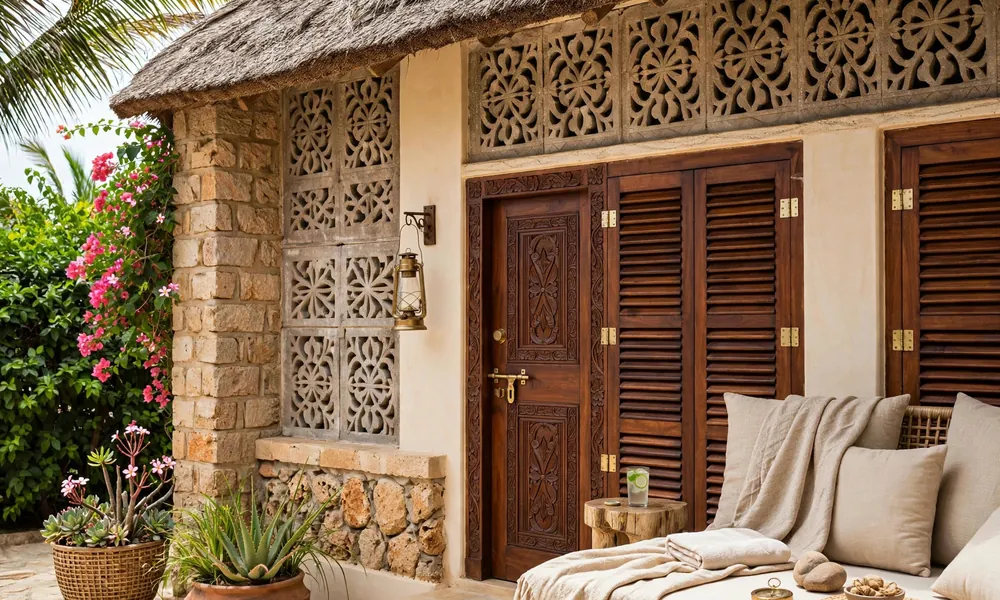
Look next at where you sleep. The best stays are small: restored Swahili houses in Shela or Lamu Town, or low-key beach lodges on Manda and Kiwayu. Check whether the lodge has reliable power, fresh water, and a clear plan for getting you to and from the airstrip or the jetty.
Finally, look at the pace. A good Lamu itinerary leaves room for the tide, the heat of the afternoon, and the simple pleasure of sitting on a rooftop at dusk. If an itinerary tries to fit three islands, a fishing trip, and a town tour into a single day, it will deliver none of them well. Our guide to the best luxury safaris explains why that breathing room matters, because the islands reward travellers who slow down, not those who rush.
The 9 best luxury safaris in Lamu of 2027
Shela Beach Dhow and Sandbank Safari
What we like: A gentle full-day sail from Shela to a tidal sandbank, with swimming, snorkelling, and a beach lunch cooked on board, ending with a sunset sail home.
What to consider: The sandbank is tide-dependent, so the schedule shifts with the moon, and the midday sun is strong with little shade on the sand. Location: Shela Beach and the channel south of Lamu Island. Best for: First-time visitors and couples who want a relaxed introduction to the archipelago. Price range: $150 to $350 per person per day. Standout feature: A sandbank that appears at low tide, with clear water for swimming and snorkelling.
Lamu Old Town Heritage Walking Safari
What we like: A guided walk through the old town with a local historian, covering carved doors, the fort, the mosques, the donkey lanes, and the rooftop views, with stops for Swahili coffee and street food.
What to consider: The lanes are narrow and uneven, the midday heat is intense, and modest dress is expected in the town. Location: Lamu Old Town, Lamu Island. Best for: Travellers who love history, architecture, and food. Price range: $60 to $150 per person. Standout feature: A UNESCO-listed old town that has been continuously inhabited for over 700 years.
Manda Island Sunset Dhow Cruise
What we like: An evening sail along the Manda channel with drinks and light food on board, timed so the sun sets behind the mangroves and the town lights come on across the water.
What to consider: The cruise is short, usually two to three hours, and the sea can be choppy in the afternoon breeze. Location: Manda Channel, between Lamu and Manda Islands. Best for: Couples and anyone who wants a low-effort, beautiful evening. Price range: $80 to $200 per person. Standout feature: A sunset over the channel, with the old town skyline on one side and mangroves on the other.
Kiwayu Island Snorkelling Safari
What we like: A full day on the water north to Kiwayu, with snorkelling over coral gardens, a beach picnic, and time to walk the island’s long white beach.
What to consider: Kiwayu is remote, the boat ride is long, and there is almost no shade or facilities on the beach. Location: Kiwayu Island, northern Lamu Archipelago. Best for: Confident swimmers and snorkellers who want the clearest water in the archipelago. Price range: $200 to $450 per person per day. Standout feature: Some of the healthiest coral and clearest water anywhere on the Kenyan coast.
Takwa Ruins and Manda Bay Safari
What we like: A combined trip to the ruined Swahili town of Takwa on Manda Island, with its mosque and pillar tombs, followed by a swim and lunch in Manda Bay.
What to consider: Takwa is reached on foot from the beach, the ruins are unshaded, and the site has limited interpretation without a good guide. Location: Takwa, Manda Island. Best for: History lovers and travellers who enjoy ruins without crowds. Price range: $120 to $300 per person per day. Standout feature: A 16th-century Swahili town, abandoned and quiet, with a great mosque and coral tombs.
Lamu Archipelago Deep-Sea Fishing Safari
What we like: A full day offshore with an experienced crew, trolling for sailfish, marlin, tuna, and kingfish in the deep water beyond the reef, with the catch cooked for dinner if you want it.
What to consider: Deep-sea fishing is weather-dependent, the sea can be rough, and catches are never guaranteed. Location: Offshore waters east of the Lamu Archipelago. Best for: Experienced anglers and adventurous travellers. Price range: $400 to $900 per boat per day. Standout feature: Some of the best big-game fishing on the East African coast, with sailfish the main prize.
Pate Island Swahili Culture Safari
What we like: A day trip to Pate Island, visiting the villages of Siyu and Faza, the old fort, and the craft workshops, with a home-cooked Swahili lunch and time to talk to local makers.
What to consider: Pate is a long boat ride from Lamu, the villages are conservative, and facilities are very basic. Location: Pate Island, northern archipelago. Best for: Travellers who want to meet people and understand Swahili culture beyond the postcards. Price range: $150 to $350 per person per day. Standout feature: Siyu, a village famous for its carved doors and its long history as a centre of Swahili craft.
Matondoni Dhow-Building Village Safari
What we like: A visit to Matondoni, the village where Lamu’s dhows are still built by hand, to watch the boatbuilders at work, followed by a short sail in a newly finished dhow.
What to consider: The village is small and working, not a museum, so visits should be arranged respectfully through a local guide. Location: Matondoni, north-west Lamu Island. Best for: Travellers who love craft, boats, and seeing how things are made. Price range: $80 to $200 per person. Standout feature: Dhows built entirely by hand, using techniques passed down through generations.
Lamu Grand Circuit Honeymoon Safari
What we like: A five-night private circuit combining Shela, a Manda beach lodge, and a Kiwayu day trip, with private dhows, sunset cruises, and a beach dinner on a sandbank.
What to consider: Five nights is the minimum for this circuit, and the price rises sharply with private boats and lodge stays. Location: Lamu, Manda, and Kiwayu Islands. Best for: Honeymooners and couples marking a special occasion. Price range: $3,000 to $8,000 per couple. Standout feature: A private sandbank dinner at sunset, with the archipelago to yourselves.
Which Lamu safari is right for your trip
First-time visitors should start with the Shela sandbank sail and the old town walk. Together they cover the two halves of Lamu, the sea and the town, in two easy days. Add the sunset cruise on your first evening, when the light is at its best.
Confident swimmers and snorkellers should prioritise Kiwayu, which has the clearest water and the healthiest reef in the archipelago. History lovers should put Takwa and Pate at the top of the list, and allow a full day for each, since both are best taken slowly with a good guide. Anglers should book the deep-sea trip early, since good boats and crews are limited, and the best months are usually December to March.
Honeymooners and couples should look at the grand circuit, or build their own version of it: two nights in Shela, two nights on Manda, and a day trip to Kiwayu in the middle. A luxury safari in Zanzibar is the natural next step if you want to pair Lamu with another Indian Ocean island, since the two archipelagos share the dhow culture but feel very different on the ground.
The caveats that matter
Lamu is a safe and welcoming place for most travellers, but it is not a resort island with everything on tap. Medical facilities are basic, so anyone with a serious condition should travel with a clear plan, good insurance, and any medication they need. The nearest well-equipped hospital is on the mainland, reached by boat and road, so do not leave health to chance.
The sea sets the schedule. Tides decide when the sandbank appears and when the channels run, and the long rains from roughly April to June can bring rough seas and cancelled boat trips. Travel between December and March for the calmest water, and keep at least one spare day in your itinerary for weather.
| Detail | What is known |
|---|---|
| What a Lamu safari is | A marine and cultural safari by dhow and on foot, not a Big Five safari |
| Best time to go | December to March for calm seas; avoid the long rains, roughly April to June |
| How to get there | Fly to Manda airstrip, then a short boat transfer to Lamu or Shela |
| Getting around | On foot, by donkey, and by dhow; there are no cars on Lamu Island |
| What to pack | Sun protection, reef-safe sunscreen, light modest clothing, cash, seasickness tablets |
| Health | Basic medical facilities on the islands; carry medication and good travel insurance |
| What it does not include | No lions, elephants, or savanna game drives; no large resorts or casinos |
| Booking tip | Book private dhows and small lodges early, and keep a spare day for weather |
Lamu is also a conservative Muslim community, and visitors should respect that. Dress modestly in the old town, ask before photographing people, and keep swimwear to the beach. It is a small courtesy that makes a real difference to how welcome you feel.
Checklist: choosing a Lamu safari honestly
Use these checks before you book, and again before you travel.
- Check the boat: a well-kept dhow, shade, drinking water, and life jackets on board.
- Check the guide: local, experienced, and able to explain the reef, the ruins, and the town.
- Check the tides: confirm the sandbank and snorkelling times against the tide table, not just the clock.
- Check the lodge: reliable power and water, a clear transfer plan, and honest answers about what is included.
- Check your insurance: medical cover that includes evacuation, and cover for cancelled boat trips.
- Check your packing: sun protection, modest clothing for town, cash, and any medication you need.
Frequently asked questions
Is Lamu a Big Five safari destination?
No. Lamu is a marine and cultural safari. There are no lions, elephants, or savanna game drives in the archipelago. The wildlife here is marine: dolphins, turtles, reef fish, and seasonal whale sharks offshore, plus monkeys in the mangroves and forest.
How do I get to Lamu?
Most visitors fly to Manda airstrip from Nairobi or Malindi, then take a short boat transfer to Lamu Town or Shela. The flight is under two hours from Nairobi, and the boat ride is about ten minutes. There is also a road and boat route from the mainland, but the flight is faster and more reliable.
When is the best time to visit Lamu?
December to March usually brings the calmest seas, the clearest water, and the best sailing. The long rains, roughly April to June, can bring rough seas and cancelled trips. July to November is cooler and quieter, with good light for photography.
Is Lamu safe for families?
Generally yes, with sensible planning. Children enjoy the boats, the beaches, and the donkeys, but keep them supervised near water, bring sun protection, and choose lodges with proper safety measures. Medical facilities are basic, so carry any medication your family needs.
Do I need a visa or vaccinations for Lamu?
Kenya requires a visa or electronic travel authorisation for most visitors, and the requirements change, so check the official guidance before you travel. Yellow fever vaccination is required if you arrive from a country where it is present, and malaria prophylaxis is usually recommended for the coast. Ask your clinician well before departure.
Can I combine Lamu with another safari?
Yes, and it works well. Many travellers pair Lamu with a few days in a mainland reserve for the Big Five, or with another island such as Zanzibar. A good honeymoon plan, such as our best honeymoon destinations, often combines a mainland safari with an island finish, which is exactly what Lamu is built for.
The bottom line
The best luxury safari in Lamu in 2027 is not the one that promises the most, but the one that understands the islands best: a private dhow, a local guide, a small lodge, and an itinerary that leaves room for the tide. Start with the Shela sandbank sail and the old town walk, add Kiwayu if you love the reef, and save the grand circuit for a trip worth celebrating.
Choose one safari, book it early, pack light, and let the islands set the pace. Lamu rewards travellers who slow down, and the memory that stays with most people is not a single sight but the feeling of sailing home at sunset, with the town lights coming on across the water.