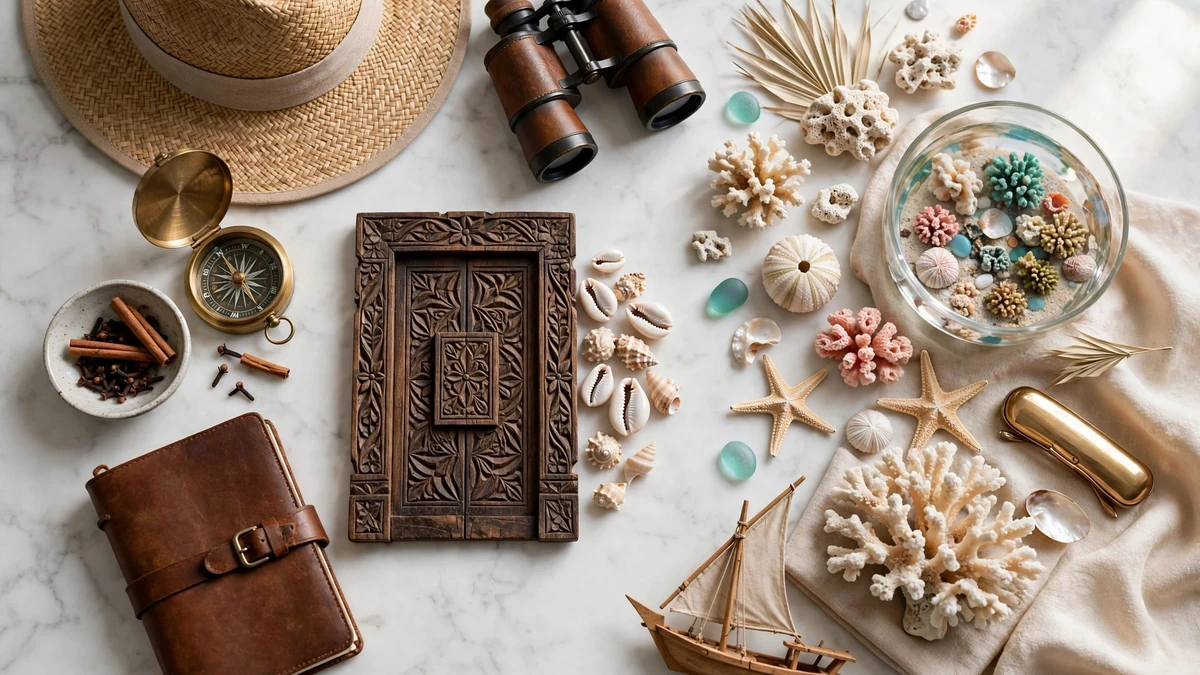

Zanzibar is not a place most people picture when they hear the word safari. There are no savanna game drives here, no lions at dawn, no open-topped Land Cruisers crossing a plain. What the island offers instead is a different kind of safari: snorkelling over coral gardens in a turquoise lagoon, walking through a spice forest, and watching red colobus monkeys move through the canopy of Jozani Forest.
That is the honest frame for this guide. A luxury safari in Zanzibar is marine and island-based, built around the Indian Ocean, the spice farms, the forest, and the old town of Stone Town. The best trips combine a few of those elements into a single day, with a private guide, a small group, and enough time to do each stop properly.
Below are nine luxury safaris in Zanzibar worth considering in 2027, from a full-day dhow trip to a quiet forest walk and a honeymoon circuit that ties the island together. Each one is described by what it does well, what to watch for, and who it suits best.
Key takeaways
- A Zanzibar safari is marine and island-based, not a savanna game drive, and the best trips are built around snorkelling, spice farms, forest walks, and Stone Town.
- The dry season, roughly June to October, brings the calmest seas and the best visibility, while the short rains in November and the long rains in March to May can change plans.
- Private, small-group trips with a licensed local guide are worth the extra cost, because the quality of a Zanzibar safari depends almost entirely on the guide.
- Book whale and dolphin trips, spice farm visits, and dhow safaris in advance in peak season, and confirm what is included, from park fees to lunch and transfers.
- There is no Big Five in Zanzibar, sightings of dolphins, turtles, and whale sharks are never guaranteed, and anyone selling a guaranteed sighting is overselling the trip.
What a luxury safari in Zanzibar actually looks like
A luxury safari in Zanzibar usually starts early, with a private transfer from your hotel to a beach, a forest trail, or a harbour. The day is built around one or two main experiences rather than five rushed stops. A typical full day might begin with a guided walk through Jozani Forest, continue to a spice farm for lunch, and end with a sunset dhow cruise off Stone Town. A marine day might start with a boat out to Mnemba Atoll, spend the morning snorkelling, and finish with a seafood lunch on a sandbank.
The word luxury here means comfort and attention, not excess. It means a private boat rather than a crowded one, a guide who knows the reef and the forest, a shaded lunch with fresh seafood, and transfers that actually arrive on time. It also means small groups. A snorkelling trip with six people is a different experience from one with forty.
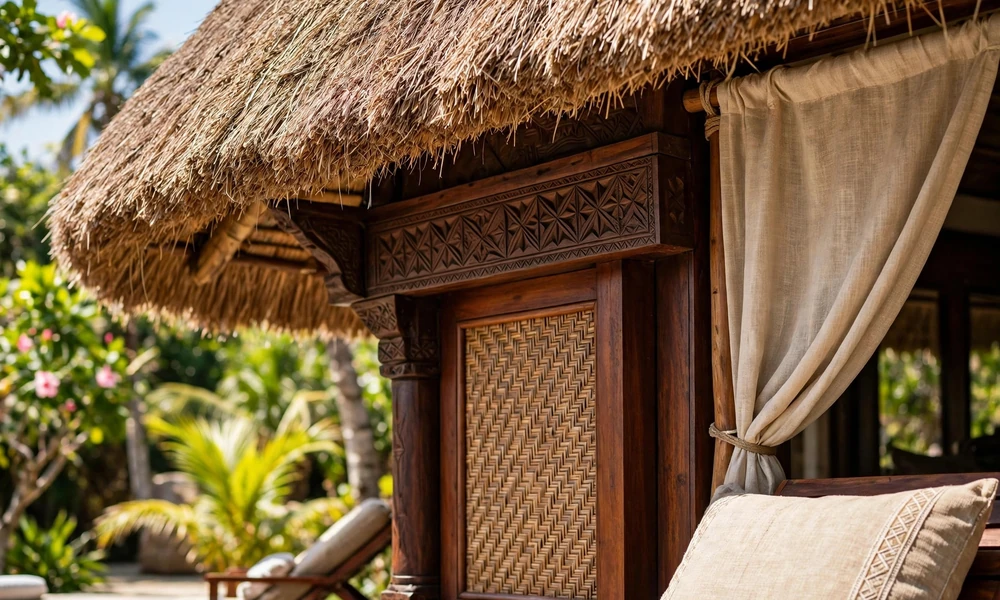
Stone Town is the cultural anchor of most trips. The old town is a UNESCO World Heritage site, with carved wooden doors, narrow lanes, spice markets, and a harbour that has traded with Arabia, India, and East Africa for centuries. A good Stone Town safari is a walking tour with a local guide, and it pairs well with a spice farm visit, because the island’s history is inseparable from cloves, cinnamon, vanilla, and nutmeg.
How we chose these safaris and what to look for
Look first at the guide and the group size. A licensed local guide who grew up on the island will show you more in Jozani Forest or on a spice farm than a generic tour leader ever will, and a group of six or fewer means you can actually hear them. Ask how many people will be on the boat or the walk before you book, and be wary of trips that do not say. A similar island trip, our guide to the luxury safaris in Mauritius, follows the same rule, because small groups are what separate a good island safari from a crowded one.
Look next at what is included. Park and conservation fees, lunch, drinking water, snorkelling gear, and transfers should be stated clearly in the price. Check whether the trip includes a proper lunch or just a snack, and whether the boat has shade, life jackets, and a first-aid kit.
Finally, look at the season and the tide. The dry season from June to October brings the calmest seas and the clearest water, which matters for snorkelling and diving. The short rains in November are usually brief, while the long rains from March to May can make boat trips unreliable. Some sandbanks and snorkelling spots are only accessible at certain tides, so a good operator plans the day around the tide table.
The 9 best luxury safaris in Zanzibar of 2027
Stone Town Spice and Heritage Safari
What we like: A full-day walking tour of Stone Town with a local guide, paired with a spice farm visit and a traditional lunch, covering the old town, the markets, and the island’s trading history in one unhurried day. What to consider: It involves a lot of walking in the heat, and the markets are busiest in the morning. Location: Stone Town and a spice farm in the central island. Best for: First-time visitors and culture lovers. Price range: $80 to $180 per person. Standout feature: A guided spice farm tour with tasting, from cloves and cinnamon to vanilla and nutmeg.
Jozani Forest Red Colobus Safari
What we like: A guided walk through Jozani Forest, the last remaining sanctuary of the endangered Zanzibar red colobus monkey, with a knowledgeable guide, a mangrove boardwalk, and a good chance of seeing the monkeys at close range. What to consider: The monkeys are wild, so sightings are likely but not guaranteed, and the forest can be muddy after rain. Location: Jozani Forest, central Zanzibar. Best for: Wildlife lovers and families. Price range: $40 to $90 per person. Standout feature: Red colobus monkeys, found nowhere else in the world, often feeding in the trees above the trail.
Mnemba Atoll Snorkelling and Dolphin Safari
What we like: A morning boat trip to Mnemba Atoll, a protected marine reserve with clear water, coral gardens, and a strong chance of seeing bottlenose dolphins, with snorkelling gear and a shaded boat included. What to consider: The atoll is a marine reserve, so boats cannot land on the island itself, and the sea can be choppy in the rainy season. Location: Mnemba Atoll, off the north-east coast. Best for: Snorkellers and marine life lovers. Price range: $60 to $150 per person. Standout feature: Some of the clearest snorkelling water in East Africa, with coral, reef fish, and dolphins in the same morning.
Nungwi Turtle Sanctuary and Reef Safari
What we like: A visit to the Mnarani turtle sanctuary at Nungwi, where rescued green and hawksbill turtles are rehabilitated, combined with a reef snorkelling trip and time on one of the island’s best beaches. What to consider: The sanctuary is small and can feel crowded at midday, so go early or late. Location: Nungwi, northern Zanzibar. Best for: Families and turtle lovers. Price range: $35 to $80 per person. Standout feature: A chance to see rescued sea turtles up close and to learn about the conservation work that protects them.
Paje Kite and Lagoon Safari
What we like: A lagoon day at Paje, one of the world’s best kitesurfing beaches, with a lesson or a guided kite session, a shallow lagoon walk at low tide, and a seafood lunch in a beachfront restaurant. What to consider: Kitesurfing depends on the wind, which is strongest from June to September and December to February. Location: Paje, south-east coast. Best for: Active travellers and kitesurfers. Price range: $50 to $160 per person. Standout feature: A wide, shallow lagoon that is ideal for learning to kitesurf, with warm water and steady trade winds.
Pemba Island Dive Safari
What we like: A day trip by boat or short flight to Pemba, Zanzibar’s greener sister island, for some of the best diving in East Africa, with steep coral walls, clear water, and far fewer boats than the main island. What to consider: It is a long day, the sea crossing can be rough, and Pemba has fewer facilities than Unguja. Location: Pemba Island, north of Zanzibar. Best for: Experienced divers. Price range: $150 to $350 per person. Standout feature: Pristine coral walls and a quiet, undeveloped island that feels a decade behind the main island.
Zanzibar Spice Farm and Village Safari
What we like: A slow morning on a working spice farm, walking through clove, cinnamon, vanilla, and nutmeg trees with a local guide, followed by a village visit and a home-cooked lunch with the farm family. What to consider: The farms are working farms, not gardens, so paths can be uneven and the day is best in the cooler morning hours. Location: Central Zanzibar, near Kizimbani and Kidichi. Best for: Food lovers and slow travellers. Price range: $30 to $70 per person. Standout feature: Tasting spices straight from the tree, including fresh cloves, cinnamon bark, and vanilla pods, with a guide who grows them.
Safari Blue Dhow and Sandbank Safari
What we like: A full-day dhow trip from Fumba, sailing to a sandbank for swimming and snorkelling, with a seafood barbecue lunch on the boat and a stop at a mangrove lagoon, all in a small group with a local crew. What to consider: It is a full day on the water, so sun protection and seasickness precautions matter, and the trip depends on the weather. Location: Menai Bay, south-west Zanzibar. Best for: Couples and groups who want a classic day on the water. Price range: $60 to $120 per person. Standout feature: A sandbank lunch in the middle of a turquoise bay, reached by traditional wooden dhow.
Zanzibar Grand Circuit Honeymoon Safari
What we like: A multi-day circuit that combines Stone Town, a spice farm, Jozani Forest, Mnemba Atoll, and a beach stay, with private transfers, a dedicated guide, and a mix of culture, wildlife, and beach time. What to consider: It needs at least five days to do properly, and it is the most expensive option on this list. Location: Island-wide, Stone Town to the north coast. Best for: Honeymooners and first-time visitors with a week to spare. Price range: $1,500 to $4,000 per person for five days. Standout feature: A single, well-planned circuit that covers the island’s culture, forest, reef, and beaches without repeating a day.
Which Zanzibar safari is right for your trip
First-time visitors should start with Stone Town, a spice farm, and Jozani Forest. Those three give you the culture, the history, and the wildlife in three days, and they leave room for beach time. Add Mnemba Atoll if you snorkel, and Safari Blue if you want a classic day on the water.
Marine lovers should build the trip around Mnemba, Safari Blue, and Nungwi. The atoll has the best snorkelling, the bay has the best sandbank lunch, and the north coast has the easiest reef access from the beach. Divers should add Pemba, where the diving is the main event.
Honeymooners and slow travellers should consider the grand circuit, which ties the island together over five days or more. It costs more, but it avoids the common mistake of booking five separate day trips from the same hotel, which wastes hours on transfers. A circuit with a private guide and a mix of beach days is the most relaxed way to see Zanzibar properly. Our guide to the luxury safaris in Seychelles is a useful comparison, because the two islands reward the same slow, private approach.
The caveats that matter
Zanzibar is safe and welcoming for most travellers, but it rewards preparation. The sun is strong year-round, the sea can be rough in the rainy season, and the island’s medical facilities are basic outside Stone Town. Travel insurance that covers medical evacuation is sensible.
| Detail | What is known |
|---|---|
| Best season | June to October for calm seas and clear water; December to February is also good for kitesurfing |
| What a safari means here | Marine and island-based: snorkelling, forest walks, spice farms, and Stone Town, not savanna game drives |
| What is not here | No Big Five, no lions or elephants; the island’s wildlife is monkeys, turtles, dolphins, and reef fish |
| Group size | Six or fewer is ideal; crowded boats and large groups spoil the snorkelling and the guiding |
| What to check before booking | Park and conservation fees, lunch, gear, transfers, and the tide and weather plan |
| Health and safety | Strong sun, basic medical care outside Stone Town, and seasickness on boat trips; carry insurance and reef-safe sunscreen |
| Respect and etiquette | Zanzibar is largely Muslim; dress modestly in Stone Town and villages, and ask before photographing people |
| What is never guaranteed | Dolphin, turtle, and whale shark sightings; any operator promising them is overselling the trip |
Respect matters on Zanzibar. The island is largely Muslim, so dress modestly in Stone Town and in villages, cover shoulders and knees away from the beach, and ask before photographing people. On the reef, do not touch coral or stand on it, and choose reef-safe sunscreen, because the coral is the reason the snorkelling is good in the first place.
Checklist: choosing a Zanzibar safari honestly
Use these checks before you book, and again the day before you go.
- Check the group size: six or fewer people on the boat or the walk, with a licensed local guide.
- Check what is included: park and conservation fees, lunch, water, snorkelling gear, and transfers, all stated in the price.
- Check the season and the tide: dry season for the calmest seas, and a plan that follows the tide table for sandbanks and snorkelling.
- Check the boat: shade, life jackets, a first-aid kit, and a crew that keeps a respectful distance from dolphins and turtles.
- Check the weather: confirm the trip the day before, and have a land-based backup, such as Stone Town or a spice farm, if the sea is rough.
- Protect the reef and the island: use reef-safe sunscreen, do not touch coral, and dress modestly in towns and villages.
Frequently asked questions
Is Zanzibar a real safari destination?
Yes, but not in the savanna sense. A Zanzibar safari is marine and island-based, built around snorkelling, forest walks, spice farms, and Stone Town. There are no Big Five game drives.
When is the best time to visit Zanzibar?
June to October is the best overall season, with dry weather, calm seas, and clear water for snorkelling. December to February is also good, especially for kitesurfing, while the long rains from March to May can make boat trips unreliable.
Can I see dolphins and turtles in Zanzibar?
Often yes, especially at Mnemba Atoll and around Kizimkazi, and turtles at Nungwi and on the reefs, but sightings are never guaranteed. Choose an operator that keeps a respectful distance.
Do I need a visa or vaccinations for Zanzibar?
Most visitors need a visa for Tanzania, which covers Zanzibar, and should check the latest requirements before travel. Yellow fever vaccination is required if you arrive from a country where it is present. Check with your clinician or travel clinic well before you go.
Is Zanzibar good for a honeymoon?
Yes, it is one of the best honeymoon islands in the Indian Ocean, especially as part of a circuit that combines Stone Town, a spice farm, and a beach stay. Our guide to the best honeymoon destinations puts Zanzibar alongside the other Indian Ocean islands for exactly that reason, because the mix of culture, reef, and beach is hard to match.
How many days do I need in Zanzibar?
Five days is a good minimum for the highlights, and seven days lets you do the grand circuit without rushing. Three days is enough for Stone Town, a spice farm, and one marine trip.
The bottom line
The best luxury safari in Zanzibar in 2027 is not the one with the most stops or the lowest price. It is the one with a small group, a licensed local guide, and a plan that follows the season and the tide. For most travellers, that means Stone Town and a spice farm, Jozani Forest, and a morning at Mnemba Atoll.
Choose one or two marine trips and one or two land trips, book them with a small-group operator, and leave room in the schedule for the island to surprise you. Zanzibar rewards travellers who slow down, and a safari here is at its best when it feels unhurried, not packed.